
Anti Bloating Tea: 7 Natural Teas That Actually Work (Plus Recipes)
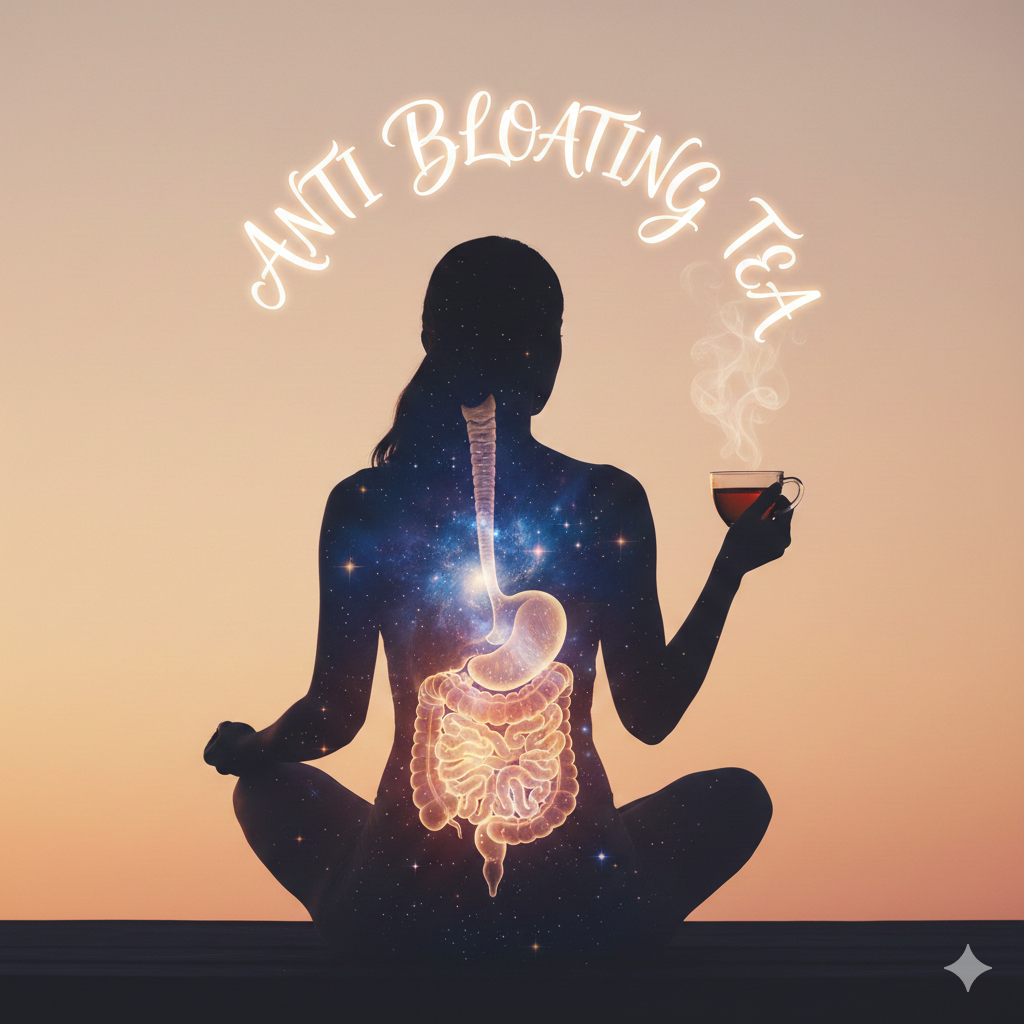
Discover the best anti bloating tea options backed by science. Learn which teas reduce bloating fast, how to make them, and when to drink for best results.
Are you tired of feeling uncomfortably bloated after meals? If so, anti bloating tea might be the natural solution you’ve been searching for. Moreover, these gentle herbal remedies have been used for centuries to ease digestive discomfort and reduce that puffy, swollen feeling.
The good news is that anti bloating tea actually works. In fact, scientific research confirms that certain teas can help reduce gas, improve digestion, and relieve bloating quickly. However, not all teas are equally effective for this purpose.
Throughout this guide, you’ll discover the seven best anti bloating teas backed by science. Additionally, we’ll cover how to prepare them properly, when to drink them for maximum relief, and what causes bloating in the first place. For a complete approach, combine these teas with our proven 7-day anti-bloat meal plan for even faster results.
Quick Answer: What Is the Best Anti Bloating Tea?
The best anti bloating tea options include peppermint, ginger, fennel, chamomile, and green tea. Specifically, peppermint tea is the most effective for quick relief because it relaxes digestive muscles and reduces gas. Furthermore, ginger tea helps stimulate digestion and reduce inflammation.
For best results, drink anti bloating tea 15-20 minutes before meals or immediately when bloating occurs. Most people experience relief within 30-60 minutes. However, regular consumption can also help prevent bloating from happening in the first place.
What Causes Bloating?
Before we explore anti bloating tea solutions, it’s helpful to understand why bloating happens. Essentially, bloating occurs when your digestive system fills with air or gas. Consequently, your stomach feels tight, swollen, and uncomfortable.
Common Causes of Bloating
Several factors can trigger bloating. First, eating too quickly causes you to swallow excess air. Second, certain foods like beans, cabbage, and dairy products produce more gas during digestion. Third, carbonated drinks introduce air directly into your digestive system.
Additionally, food intolerances can cause severe bloating. For example, people with lactose intolerance often experience bloating after consuming dairy. Similarly, those with gluten sensitivity may bloat after eating wheat products.
Furthermore, hormonal changes affect bloating patterns. Many women notice increased bloating during their menstrual cycle. Stress and anxiety also contribute to digestive issues and bloating.
Why Tea Helps
Anti bloating tea works through several mechanisms. Primarily, certain herbs contain compounds that relax digestive muscles and reduce spasms. Moreover, some teas stimulate the production of digestive enzymes. Finally, warm liquids help move gas through your system more efficiently.
Research published in the Journal of Clinical Gastroenterology found that herbal teas significantly reduce bloating symptoms in people with digestive disorders. The warm temperature combined with beneficial plant compounds creates a powerful anti-bloating effect.
Source: https://pubmed.ncbi.nlm.nih.gov/17693795/
The 7 Best Anti Bloating Teas
Now let’s explore the most effective anti bloating tea options. Each of these has scientific backing and centuries of traditional use.
1. Peppermint Tea (Most Effective)
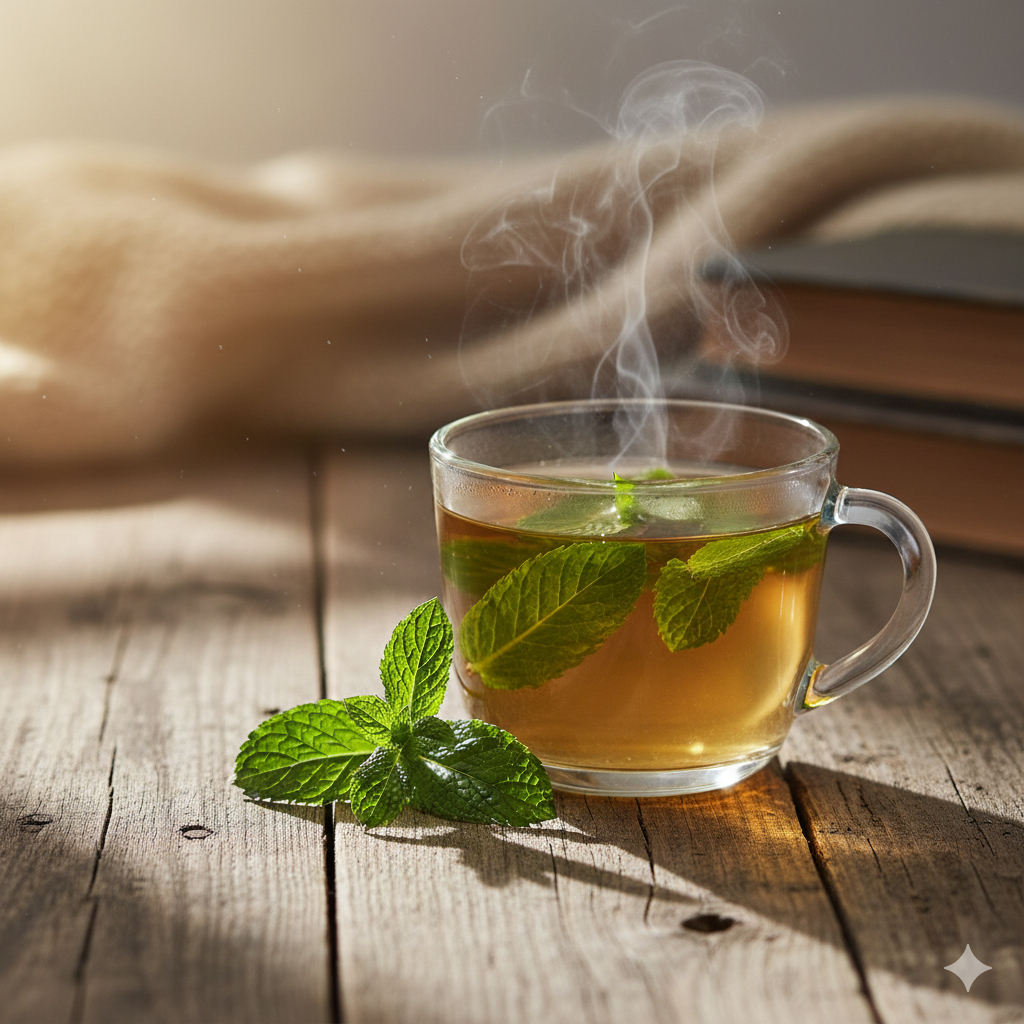
Peppermint tea ranks as the number one anti bloating tea for good reason. The menthol in peppermint relaxes the muscles of your digestive tract. Consequently, this allows trapped gas to pass more easily and reduces cramping.
How It Works
Research published in BMC Complementary Medicine and Therapies demonstrated that peppermint oil significantly reduces bloating and abdominal pain. The study followed patients with irritable bowel syndrome (IBS) for four weeks. Those taking peppermint experienced a 40% reduction in bloating symptoms.
Source: https://pubmed.ncbi.nlm.nih.gov/17328808/
Additionally, peppermint has antimicrobial properties that help balance gut bacteria. This prevents the overgrowth of gas-producing bacteria. Furthermore, it stimulates bile flow, which aids in fat digestion.
How to Make Peppermint Tea
For fresh peppermint tea, steep 1 tablespoon of fresh peppermint leaves in 1 cup of boiling water for 5-7 minutes. Alternatively, use 1 teaspoon of dried peppermint leaves. Cover while steeping to preserve the essential oils.
Drink 1-2 cups after meals or when bloating occurs. However, avoid peppermint if you have acid reflux, as it can worsen symptoms in some people.
2. Ginger Tea (Fast-Acting)
Ginger tea is another powerful anti bloating tea with impressive scientific support, contains compounds called gingerols and shogaols that speed up stomach emptying. Therefore, food doesn’t sit in your stomach producing gas.
How It Works
A study in the European Journal of Gastroenterology & Hepatology found that ginger significantly accelerates gastric emptying. Participants who consumed ginger experienced 25% faster digestion compared to placebo groups. This faster movement reduces the time for gas buildup.
Source: https://pubmed.ncbi.nlm.nih.gov/18923369/
Moreover, ginger has powerful anti-inflammatory properties. It reduces inflammation in the digestive tract that can contribute to bloating. Additionally, ginger helps relax intestinal muscles and reduces nausea.
How to Make Ginger Tea
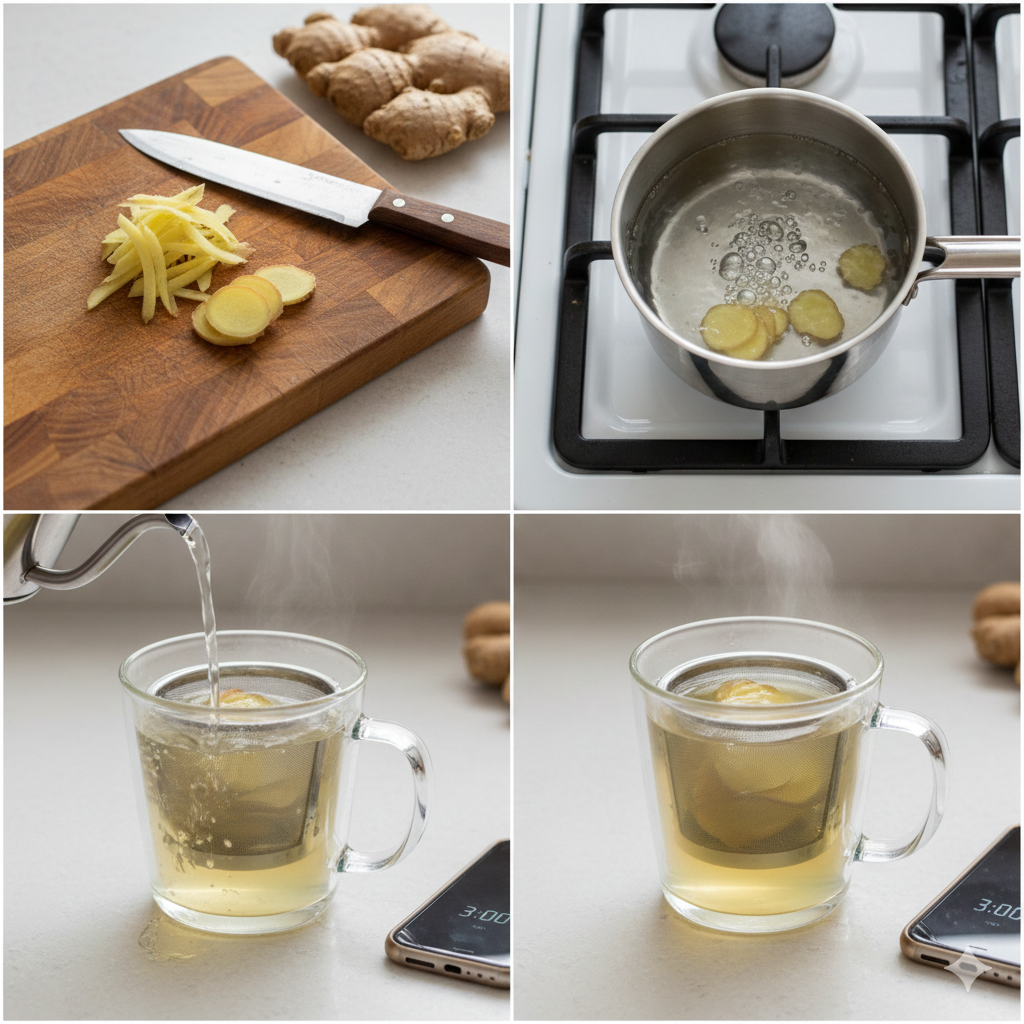
Slice a 1-inch piece of fresh ginger root thinly. Add to 2 cups of water and bring to a boil. Then, reduce heat and simmer for 10 minutes. Strain and add honey or lemon if desired.
For maximum benefits, drink ginger tea 20 minutes before meals. This prepares your digestive system and prevents bloating before it starts.
3. Fennel Tea (Traditional Remedy)
Fennel tea has been used as an anti bloating tea for thousands of years. Ancient Romans chewed fennel seeds after meals to prevent gas. Today, science confirms this traditional wisdom.
How It Works
Fennel contains anethole, a compound that relaxes digestive muscles and has antispasmodic effects. Research in the Journal of Ethnopharmacology showed that fennel significantly reduces bloating, gas, and abdominal pain.
Source: https://pubmed.ncbi.nlm.nih.gov/14522441/
Furthermore, fennel acts as a carminative, meaning it helps expel gas from the intestines. It also has antimicrobial properties that support healthy gut flora. Additionally, fennel stimulates digestive enzyme production.
How to Make Fennel Tea
Crush 1 teaspoon of fennel seeds gently to release oils. Add to 1 cup of boiling water. Cover and steep for 10 minutes, then strain.
Drink after meals or whenever you feel bloated. Fennel tea has a pleasant, slightly sweet licorice flavor that most people enjoy.
4. Chamomile Tea (Gentle and Soothing)
Chamomile works as an effective anti bloating tea while also calming your nervous system. This dual action is particularly helpful because stress often triggers digestive issues.
How It Works
Research published in Molecular Medicine Reports found that chamomile has anti-inflammatory and antispasmodic properties. It reduces inflammation in the digestive tract and relaxes smooth muscles. Consequently, this relieves cramping and allows gas to pass.
Source: https://pubmed.ncbi.nlm.nih.gov/26151469/
Additionally, chamomile helps reduce stress and anxiety. Since stress significantly impacts digestion, this calming effect indirectly reduces bloating. Furthermore, chamomile promotes better sleep, and adequate rest improves digestive function.
How to Make Chamomile Tea
Use 1-2 teaspoons of dried chamomile flowers per cup of boiling water. Alternatively, use a chamomile tea bag. Steep for 5 minutes covered. Add honey for sweetness if desired.
Drink chamomile tea in the evening after dinner. It helps with both digestion and relaxation before bed.
5. Green Tea (Antioxidant Power)
Green tea serves as an excellent anti bloating tea while providing numerous other health benefits. The catechins in green tea improve digestive function and reduce inflammation.
How It Works
A study in the World Journal of Gastroenterology demonstrated that green tea polyphenols reduce bloating and improve gut health. The antioxidants help decrease inflammation throughout the digestive system. Moreover, green tea stimulates the growth of beneficial gut bacteria.
Source: https://pubmed.ncbi.nlm.nih.gov/25356002/
Additionally, green tea contains a small amount of caffeine that stimulates digestive motility. This gentle stimulation helps move food through your system more efficiently. Furthermore, green tea aids in fat digestion by stimulating bile production.
How to Make Green Tea
Heat water to 175°F (just before boiling). Steep 1 teaspoon of green tea leaves or 1 tea bag for 2-3 minutes. Don’t over-steep, as this creates bitterness and destroys beneficial compounds.
Drink green tea between meals for best results. However, avoid drinking it right before bed due to the caffeine content.
6. Lemon Balm Tea (Digestive Support)
Lemon balm tea offers powerful anti bloating benefits with a pleasant, lemony flavor. This member of the mint family has been used medicinally since ancient Greece.
How It Works
Research in Phytotherapy Research found that lemon balm significantly reduces bloating and digestive discomfort. It works by relaxing intestinal muscles and reducing gas production. Additionally, lemon balm has mild sedative effects that calm stress-related digestive issues.
Source: https://pubmed.ncbi.nlm.nih.gov/23580178/
Furthermore, lemon balm has antimicrobial properties that help maintain healthy gut bacteria balance. It also stimulates bile production, which aids in fat digestion and reduces bloating from fatty meals.
How to Make Lemon Balm Tea
Use 1-2 teaspoons of dried lemon balm leaves per cup of boiling water. Steep covered for 10 minutes to preserve volatile oils. Strain and enjoy warm.
Drink after meals or when you feel stressed and bloated. Lemon balm combines digestive benefits with mood support.
7. Dandelion Root Tea (Natural Diuretic)
Dandelion root tea works as an anti bloating tea through a different mechanism. It acts as a natural diuretic, helping reduce water retention that contributes to bloating.
How It Works
Studies published in the Journal of Alternative and Complementary Medicine show that dandelion increases urine output without depleting potassium. This helps reduce water retention and the bloated feeling it causes. Moreover, dandelion root stimulates liver function and bile production.
Source: https://pubmed.ncbi.nlm.nih.gov/19678785/
Additionally, dandelion contains prebiotic fiber that feeds beneficial gut bacteria. This supports overall digestive health and reduces bloating over time. Furthermore, it has mild laxative effects that help with constipation-related bloating.
How to Make Dandelion Root Tea
Use 1-2 teaspoons of dried dandelion root per cup of water. Bring to a boil, then simmer for 10-15 minutes. Strain and drink.
Consume dandelion tea in the morning or early afternoon. Avoid before bed due to its diuretic effects.
How to Use Anti Bloating Tea Effectively
Knowing which anti bloating tea to choose is important. However, knowing how and when to use it maximizes results.
Best Times to Drink
For prevention, drink anti bloating tea 15-20 minutes before meals. This prepares your digestive system and reduces the likelihood of bloating. Alternatively, drink immediately after meals to aid digestion.
When bloating occurs, sip your chosen tea slowly. The warm liquid helps move gas through your system. Additionally, the sitting and sipping process encourages slower, deeper breathing that aids digestion.
For chronic bloating, drink 2-3 cups of anti bloating tea throughout the day. Consistency helps maintain healthy digestion and prevents bloating episodes.
How to Prepare for Maximum Benefits
Always use freshly boiled water for anti bloating tea. The heat helps extract beneficial compounds from herbs. Additionally, cover your tea while steeping to prevent volatile oils from escaping.
Steep for the recommended time for each herb. Under-steeping provides fewer benefits, while over-steeping can make tea bitter. Furthermore, drink tea warm rather than cold for better digestive benefits.
Consider combining herbs for enhanced effects. For example, mix peppermint and ginger for powerful anti-bloating action. Similarly, chamomile and fennel create a soothing bedtime blend.
Additional Tips
Drink anti bloating tea slowly rather than gulping it down. Sipping allows better absorption and prevents swallowing excess air. Moreover, taking your time with tea encourages relaxation, which aids digestion.
Avoid adding too much sweetener to your tea. Excess sugar can actually worsen bloating by feeding gas-producing bacteria. If you need sweetness, use a small amount of honey or stevia.
Stay hydrated throughout the day with water in addition to tea. Proper hydration prevents constipation, which often causes bloating. However, avoid drinking large amounts of liquid with meals, as this dilutes digestive enzymes.
Lifestyle Changes to Reduce Bloating
While anti bloating tea provides significant relief, combining it with lifestyle changes offers the best results. Therefore, consider implementing these additional strategies.
Eat Slowly and Mindfully
Eating too quickly causes you to swallow air, which leads to bloating. Instead, chew each bite thoroughly and put your fork down between bites. This simple change can dramatically reduce bloating.
Moreover, eating mindfully helps you recognize when you’re full. Overeating stretches your stomach and creates bloating. Additionally, thorough chewing starts the digestive process in your mouth, making your stomach’s job easier.
Identify Food Triggers
Certain foods commonly cause bloating. These include beans, lentils, broccoli, cabbage, onions, and carbonated drinks. However, triggers vary by individual.
Keep a food diary to identify your personal bloating triggers. Write down what you eat and when bloating occurs. After a few weeks, patterns typically emerge. Then, you can reduce or eliminate problematic foods.
Furthermore, food intolerances like lactose or gluten sensitivity cause severe bloating. If you suspect an intolerance, consult a healthcare provider for testing. Eliminating trigger foods while drinking anti bloating tea provides maximum relief.
Exercise Regularly
Physical activity helps reduce bloating by stimulating digestive motility. Even a 10-15 minute walk after meals can significantly decrease bloating. Exercise helps move gas through your digestive system naturally.
Additionally, regular exercise reduces stress, which often triggers digestive issues. Yoga poses specifically designed for digestion can be particularly helpful. Poses like cat-cow, child’s pose, and seated twist all aid digestion.
Manage Stress
Stress directly impacts your digestive system. When stressed, your body diverts blood away from digestion, slowing the process and causing bloating. Therefore, stress management becomes crucial for reducing bloating.
Practice stress-reduction techniques like deep breathing, meditation, or progressive muscle relaxation. These calm your nervous system and improve digestion. Moreover, drinking anti bloating tea mindfully can itself become a relaxing ritual.
When to See a Doctor
While anti bloating tea helps most cases of occasional bloating, some situations require medical attention. Importantly, persistent or severe bloating may indicate underlying health issues.
Warning Signs
See your doctor if bloating persists for more than two weeks despite using anti bloating tea and lifestyle changes. Additionally, seek medical care if bloating comes with severe pain, bloody stools, unexplained weight loss, or persistent vomiting.
Furthermore, sudden onset of severe bloating needs immediate evaluation. This could indicate a bowel obstruction or other serious condition. Similarly, bloating accompanied by difficulty breathing requires emergency care.
Underlying Conditions
Several medical conditions cause chronic bloating. These include irritable bowel syndrome (IBS), small intestinal bacterial overgrowth (SIBO), celiac disease, and inflammatory bowel disease. Additionally, ovarian cysts or other gynecological issues can cause bloating in women.
Your doctor can perform tests to identify underlying causes. These might include breath tests, blood work, imaging studies, or endoscopy. Once diagnosed, specific treatments combined with anti bloating tea can provide comprehensive relief.
Frequently Asked Questions
How quickly does anti bloating tea work?
Most people experience relief within 30-60 minutes of drinking anti bloating tea. However, peppermint and ginger tea often work faster, sometimes providing relief in 15-20 minutes. For prevention, drink tea before meals rather than waiting for bloating to occur.
Can I drink anti bloating tea every day?
Yes, most anti bloating teas are safe for daily consumption. Peppermint, ginger, fennel, and chamomile tea can all be enjoyed regularly. However, variety is beneficial, so rotate between different teas. Additionally, if you’re pregnant or taking medications, consult your doctor before daily use.
Which anti bloating tea works fastest?
Peppermint tea typically provides the fastest relief from bloating. The menthol relaxes digestive muscles almost immediately. Similarly, ginger tea works quickly by speeding up digestion. For fastest results, drink either of these teas warm and on an empty stomach.
Can I combine different anti bloating teas?
Absolutely! Combining herbs often enhances effectiveness. Popular combinations include peppermint-ginger, chamomile-fennel, and lemon balm-peppermint. These blends provide multiple mechanisms of action against bloating. However, start with single herbs to identify which works best for you.
Are there any side effects?
Most anti bloating teas are very safe with minimal side effects. However, peppermint can worsen acid reflux in some people. Additionally, excessive ginger may cause mild heartburn. Fennel should be avoided during pregnancy in large amounts. Always start with small amounts to assess tolerance.
What’s better: tea bags or loose leaf?
Loose leaf herbs generally provide more potent anti bloating benefits because they’re fresher and less processed. However, quality tea bags still work effectively. Choose organic when possible to avoid pesticides. Furthermore, ensure proper storage to maintain freshness and potency.
Final Thoughts
Anti bloating tea offers a natural, effective solution for uncomfortable digestive issues. Specifically, peppermint, ginger, fennel, chamomile, green tea, lemon balm, and dandelion all provide science-backed relief from bloating.
The key to success lies in choosing the right tea for your needs and drinking it at optimal times. Peppermint works fastest for acute bloating. Ginger prevents bloating before it starts. Fennel and chamomile offer gentle, soothing relief. Meanwhile, green tea and dandelion provide additional health benefits.
Remember that anti bloating tea works best as part of a comprehensive approach. Combine regular tea consumption with mindful eating, stress management, and appropriate food choices. This holistic strategy provides the most reliable, long-lasting relief.
Start with one anti bloating tea that appeals to you. Pay attention to how your body responds. Then, experiment with different varieties and combinations until you find your perfect solution. With patience and consistency, you can significantly reduce or even eliminate bloating from your life.
Scientific References
1. Herbal Teas for Digestive Health Journal of Clinical Gastroenterology https://pubmed.ncbi.nlm.nih.gov/17693795/
2. Peppermint Oil for IBS BMC Complementary Medicine and Therapies https://pubmed.ncbi.nlm.nih.gov/17328808/
3. Ginger and Gastric Emptying European Journal of Gastroenterology & Hepatology https://pubmed.ncbi.nlm.nih.gov/18923369/
4. Fennel for Digestive Issues Journal of Ethnopharmacology https://pubmed.ncbi.nlm.nih.gov/14522441/
5. Chamomile Anti-inflammatory Effects Molecular Medicine Reports https://pubmed.ncbi.nlm.nih.gov/26151469/
6. Green Tea and Gut Health World Journal of Gastroenterology https://pubmed.ncbi.nlm.nih.gov/25356002/
7. Lemon Balm for Digestion Phytotherapy Research https://pubmed.ncbi.nlm.nih.gov/23580178/
8. Dandelion Diuretic Effects Journal of Alternative and Complementary Medicine https://pubmed.ncbi.nlm.nih.gov/19678785/