
Blood Sugar Smoothie Formula for Steady Energy
You know that feeling. You blend a “healthy” smoothie with fruit, yogurt, and maybe some spinach. An hour later, you’re hungry, tired, and reaching for a snack. That crash isn’t your imagination. It’s your blood sugar reacting to a drink that was mostly carbs with not enough protein or fat to keep things steady. The good news? A blood sugar smoothie doesn’t have to be boring or taste like a salad. The secret is a simple formula that balances protein, fiber, healthy fats, and low-glycemic fruit. This article breaks down exactly how to build one that keeps your energy stable, supports your muscles, and actually tastes great.
Key Takeaways
- A blood sugar smoothie needs a specific balance: protein + fiber + healthy fat + low-glycemic fruit + a veggie base.
- Aim for 25-30 grams of protein per smoothie — a range many dietitians recommend for blood sugar stability. Research confirms that adding protein to a carb-rich meal significantly reduces blood sugar spikes in a dose-dependent way.
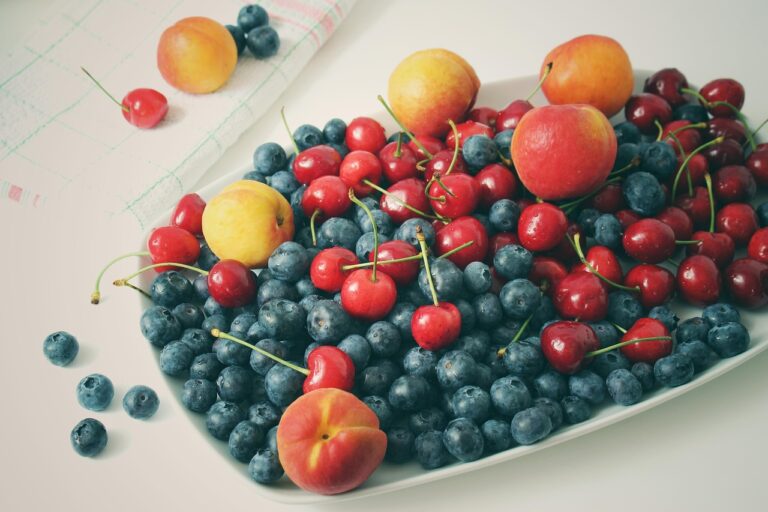
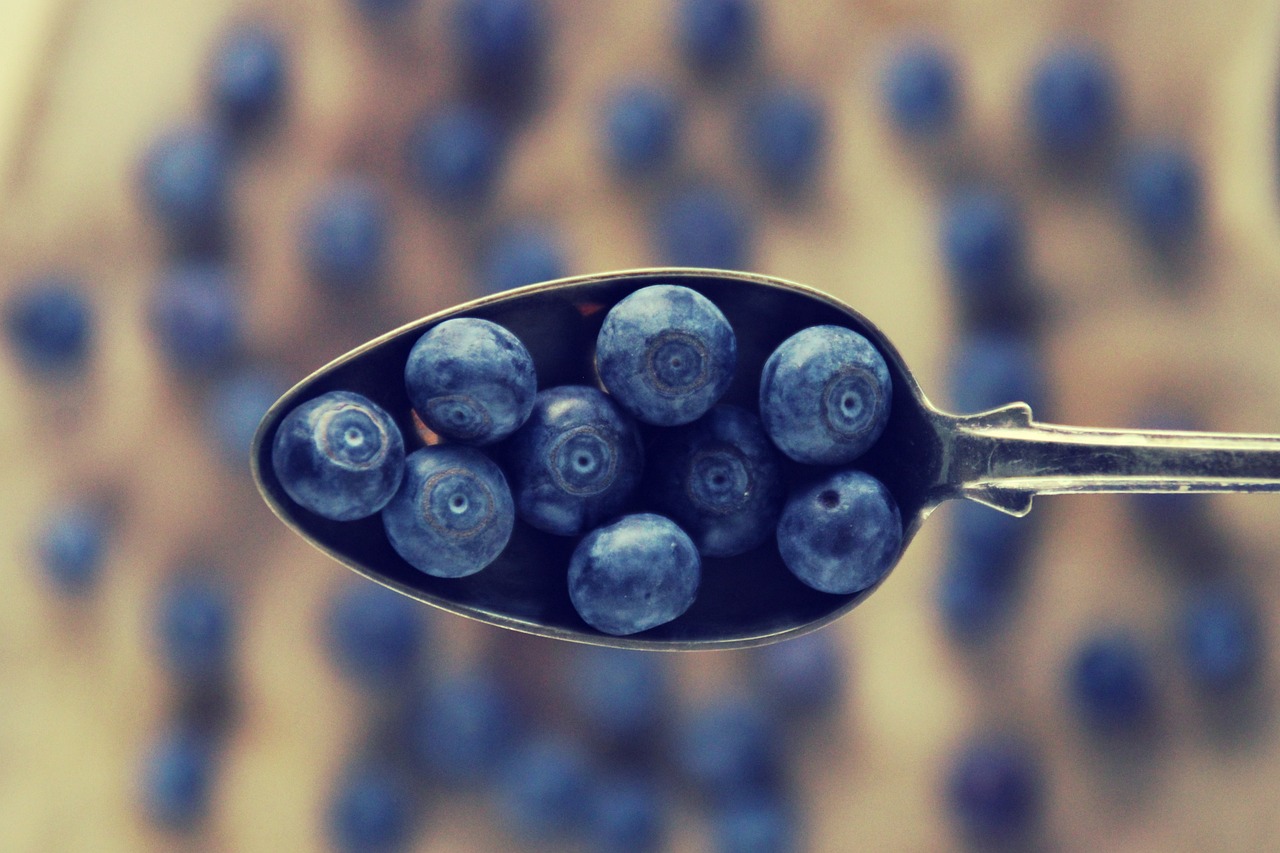
- Berries (blueberries, raspberries, blackberries) are the best fruit choice. They contain compounds that actively help lower blood sugar.
- Blending fruit is not the enemy. A 2022 study found blended fruit with seeds may actually produce a lower blood sugar response than whole fruit.
- You can customize the formula for any diet — dairy, plant-based, nut-free, or low-sugar. The principles stay the same.
The Science: Why Protein Matters in a Blood Sugar Smoothie
Here’s the thing. When you drink a smoothie made mostly of fruit and juice, your body digests those carbs quickly. Your blood sugar rises fast, and your pancreas releases a surge of insulin to bring it back down. That insulin spike can overshoot, causing your blood sugar to drop below baseline. That’s the crash you feel.
Protein changes everything. A 2024 systematic review in The Journal of Nutrition analyzed 154 trials and found that adding dairy or plant protein to a carbohydrate-rich meal significantly reduces the resulting blood sugar spike. In people without diabetes, each gram of dairy protein per gram of available carbohydrate reduced the blood sugar response by 52%. Plant protein was even more effective at 55%. The effect is dose-dependent — more protein relative to carbs means a smaller blood sugar rise. Research shows that adding protein to a carbohydrate-rich meal significantly reduces the resulting blood sugar spike.
This is why a blood sugar smoothie needs a serious protein component. Without it, you’re basically drinking a sugary drink. With it, you’re giving your body the tools to process those carbs slowly and steadily.
The Blood Sugar Smoothie Formula
Forget following a single recipe. Learn the formula, and you can build your own blood sugar smoothie with whatever you have on hand. Here’s the framework:
The 5-Part Formula
1. Protein (25-30g): Greek yogurt, whey protein, pea protein, hemp seeds, or silken tofu. This is non-negotiable for blood sugar control.
2. Fiber (5-10g): Leafy greens (spinach, kale), frozen cauliflower, chia seeds, flax meal, or avocado. Fiber slows digestion and blunts glucose spikes.
3. Healthy Fat (5-15g): Avocado, nut butter, hemp seeds, chia seeds, or full-fat yogurt. Fat further slows carb absorption and keeps you full.
4. Low-Glycemic Fruit (1/2 to 1 cup): Berries (blueberries, raspberries, blackberries) are the gold standard. They’re low in sugar and high in anthocyanins that actively help regulate blood sugar.
5. Veggie Base (1-2 cups): Spinach, kale, or frozen cauliflower. Adds volume and nutrients without affecting taste.
This formula works because each component plays a specific role. Protein and fat slow gastric emptying. Fiber creates a gel-like matrix in your gut that traps carbs and slows their absorption. The berries add polyphenols that inhibit carb-digesting enzymes. Together, they transform a potential sugar spike into a steady, sustained release of energy. To stock your kitchen with the right staples, check out our list of the best blood sugar foods for steady energy all day.
For more ways to work extra fiber into your day, try these high-fiber snacks for better blood sugar — they pair perfectly with a morning smoothie routine.
Why Berries Are the Best Fruit for Your Smoothie
Not all fruit is created equal when it comes to blood sugar. Bananas, mangoes, and pineapples are higher in sugar and lower in fiber. Berries are the opposite. They’re low on the glycemic index, packed with fiber, and loaded with compounds called anthocyanins that actively help regulate blood sugar.
A 2026 randomized trial found that wild blueberries dose-dependently reduce postprandial blood sugar and insulin. Participants who consumed a medium or high dose of wild blueberries with a carb-rich breakfast had significantly lower glucose and insulin levels during the first hour compared to those who didn’t. The berries also increased satiety hormones like GLP-1 and PYY, which help you feel full longer.
Another 2026 study found that red raspberries reduced peak blood glucose by 8% after a high-carb meal. Participants also performed better on working memory tests after the raspberry meal. So berries aren’t just good for your blood sugar — they’re good for your brain too.
For a blood sugar smoothie, use frozen berries. They’re just as nutritious as fresh, often more affordable, and they give your smoothie a thick, creamy texture without needing ice.
Does Blending Fruit Spike Blood Sugar? The Truth
You’ve probably heard that blending fruit breaks down the fiber and makes the sugar hit your bloodstream faster. It sounds logical. But the science tells a more interesting story.
A 2022 study in Nutrients compared the blood sugar response to whole fruit versus blended fruit in healthy young adults. The fruit was apple and blackberries. The result? Blended fruit actually produced a lower blood sugar response than eating the whole fruit. The researchers hypothesized that grinding the blackberry seeds during blending released more fiber and nutrients, which actually improved the glycemic response.
A 2025 perspective piece in the European Journal of Clinical Nutrition argues that smoothies retain the fiber from whole fruits and should not be grouped with fruit juices for blood sugar concerns. The authors suggest dietary guidelines may need updating.
Now, this doesn’t mean you should blend a banana with orange juice and call it healthy. The key is what you put in the blender. When you add protein, fat, and fiber-rich vegetables, the blending process doesn’t hurt — it may even help by making those nutrients more available.
Protein Options for Every Diet
The 2024 systematic review showed that both dairy and plant proteins work for blood sugar control. Here’s how to hit that 25-30 gram target, no matter your dietary preference:
Protein Sources for Your Smoothie
Dairy options: 1 cup Greek yogurt (20g protein) + 1 cup milk (8g) = 28g. Or 1 scoop whey protein (25g) + 1/4 cup Greek yogurt (6g) = 31g.
Plant-based options: 1 scoop pea protein (20-25g) + 2 tbsp hemp seeds (6g) = 26-31g. Or 1/2 cup silken tofu (10g) + 2 tbsp almond butter (7g) + 2 tbsp hemp seeds (6g) = 23g.
Whole food options (no protein powder): 1 cup Greek yogurt (20g) + 2 tbsp hemp seeds (6g) + 1/4 cup cottage cheese (7g) = 33g. Or 1/2 cup silken tofu (10g) + 1/4 cup pumpkin seeds (9g) + 1 cup soy milk (7g) = 26g.
A 2026 study found that pea protein has been shown to reduce postprandial glucose as effectively as whey protein. So if you’re dairy-free or vegan, you don’t have to compromise on blood sugar benefits. Pea protein powders are widely available and blend well into smoothies without a chalky texture.
The Recipe: Berry Pie Smoothie
Here’s a blood sugar smoothie that tastes like dessert but works like a balanced meal. It’s inspired by a registered dietitian’s go-to recipe, adapted with flexible swap options so you can make it work with what you have.
Berry Pie Smoothie
Ingredients:
– 1/4 cup frozen blueberries
– 1/2 cup frozen raspberries
– 1 cup frozen cauliflower (or 1 cup spinach)
– 1 cup spinach
– 1 tablespoon hemp seeds
– 1 scoop protein powder (whey or pea, ~25g protein)
– 1/4 cup Greek yogurt (or 1/4 cup silken tofu for dairy-free)
– 1/2 cup milk of choice (dairy, soy, or unsweetened almond)
Instructions: Add all ingredients to a blender. Blend until smooth. Add more milk if needed to reach desired consistency. Pour and enjoy.
Nutrition (approximate): 340 calories, 38g protein, 28g carbs, 9g fat, 8g fiber
Swap options: No frozen cauliflower? Use 1 cup frozen zucchini or an extra cup of spinach. No hemp seeds? Use 1 tablespoon chia seeds or flax meal. No Greek yogurt? Use 1/4 cup cottage cheese or silken tofu. No berries? Use 1/2 cup frozen cherries or 1/2 a small frozen avocado (for creaminess and healthy fat).
When to Drink Your Blood Sugar Smoothie
Timing matters. Here’s when a blood sugar smoothie works best:
As a breakfast: This is the most common use. A protein-rich smoothie in the morning sets your blood sugar up for the rest of the day. Research on protein preloads suggests that consuming protein before carbs may produce even better glycemic control. So if you’re having a smoothie for breakfast, drink it first, then wait 15-20 minutes before eating anything else if you’re having a larger meal. For a complete week of blood-sugar-friendly eating, our 7-day blood sugar meal plan combines high-protein and high-fiber meals to keep your energy steady all week.
Post-workout: This is an ideal time for a blood sugar smoothie. Your muscles are primed to take up glucose for recovery, and the protein supports muscle repair. The 25-30g protein target aligns perfectly with post-workout muscle protein synthesis needs. Plus, the carbs from berries help replenish glycogen stores without spiking blood sugar because your muscles are actively using that glucose.
As a snack: A smaller version (half the recipe, ~15-20g protein) works as an afternoon snack to prevent the 3pm energy crash. Just keep the protein-to-carb ratio the same.
Safety and Considerations
A blood sugar smoothie is generally safe for most people. But here are a few things to keep in mind:
Who Should Be Cautious
If you have diabetes: Monitor your blood sugar response to smoothies. Even with protein and fiber, some people with type 2 diabetes may still experience a rise. Start with a smaller portion (half the recipe) and see how your body responds. The systematic review found that the glucose-lowering effect of protein is smaller in people with T2DM (18% reduction) compared to healthy adults (52% reduction).
If you have kidney disease: High-protein diets may not be appropriate. Consult your healthcare provider before adding protein powder to your routine.
If you’re pregnant or breastfeeding: Most smoothie ingredients are safe, but check with your provider about protein powder brands and creatine supplementation if you’re considering it.
If you take medication: Some medications (especially for diabetes or blood pressure) may interact with high-protein meals or specific supplements like creatine. Always check with your healthcare provider before making significant dietary changes.
Frequently Asked Questions
Can I make this smoothie ahead of time?
Yes. Prep the dry ingredients (hemp seeds, protein powder) and frozen ingredients (berries, cauliflower, spinach) in a bag or container in the freezer. In the morning, dump the contents into the blender, add the wet ingredients (yogurt, milk), and blend. It takes 2 minutes. You can also blend the night before and store in the fridge for up to 12 hours. Shake or stir before drinking as separation is normal.
What if I don’t like protein powder?
You don’t need it. Use 1 cup Greek yogurt (20g protein) + 2 tbsp hemp seeds (6g) + 1 cup milk (8g) = 34g protein. Or 1/2 cup cottage cheese (14g) + 1/4 cup pumpkin seeds (9g) + 1 cup soy milk (7g) = 30g. The key is combining multiple whole food protein sources to reach the target.
Is this smoothie good for weight loss?
It can be. The high protein and fiber content promote satiety, which may help you eat fewer calories overall. At around 340 calories, it works as a meal replacement for breakfast or a post-workout recovery drink. Just be mindful of portion sizes and what else you’re eating throughout the day.
Can I use frozen fruit instead of fresh?
Absolutely. Frozen fruit is picked at peak ripeness and flash-frozen, so it retains its nutrients. It also makes your smoothie thicker and creamier without needing ice. Frozen berries are often more affordable than fresh, especially when they’re out of season.
The Bottom Line
A blood sugar smoothie isn’t about following one perfect recipe. It’s about understanding the formula: protein + fiber + healthy fat + low-glycemic fruit + a veggie base. Once you know that, you can build a smoothie that works for your taste, your schedule, and your dietary needs.
The science is clear. Protein significantly reduces the blood sugar spike from carbs. Berries actively help regulate glucose through their anthocyanin content. And blending isn’t the enemy — it’s what you put in the blender that matters.
Start with the Berry Pie Smoothie recipe above. Then experiment with your own combinations using the formula. Your energy will thank you.