

7-Day High-Fiber, No-Sugar Meal Plan for Weight Loss
This 7-day high fiber meal plan for weight loss delivers 30g of fiber daily with no added sugar. Includes day-by-day meals, a grocery list, fiber chart, and no-sugar swaps.
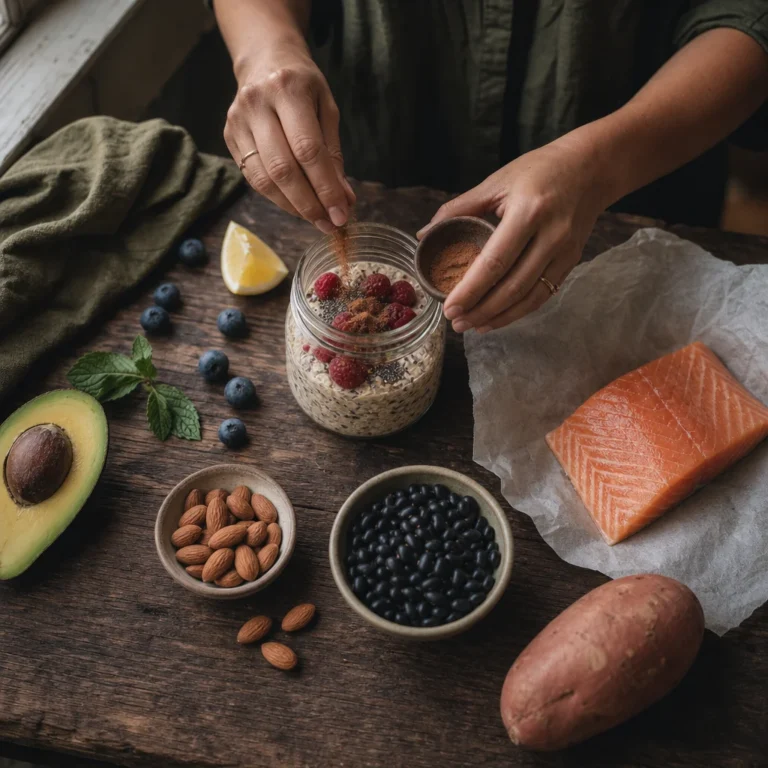
This 7-day high fiber meal plan for weight loss delivers 30g of fiber daily with no added sugar. Includes day-by-day meals, a grocery list, fiber chart, and no-sugar swaps.

Can a daily multivitamin support heart health? A 3-year COSMOS trial reveals modest benefits for daily symptoms but no evidence it prevents heart attacks or extends life. Here’s what the science says.

Strawberry baked oats with cream cheese taste like dessert but fuel your body right. Get fiber, protein, and vitamin C in one warm, make-ahead breakfast.
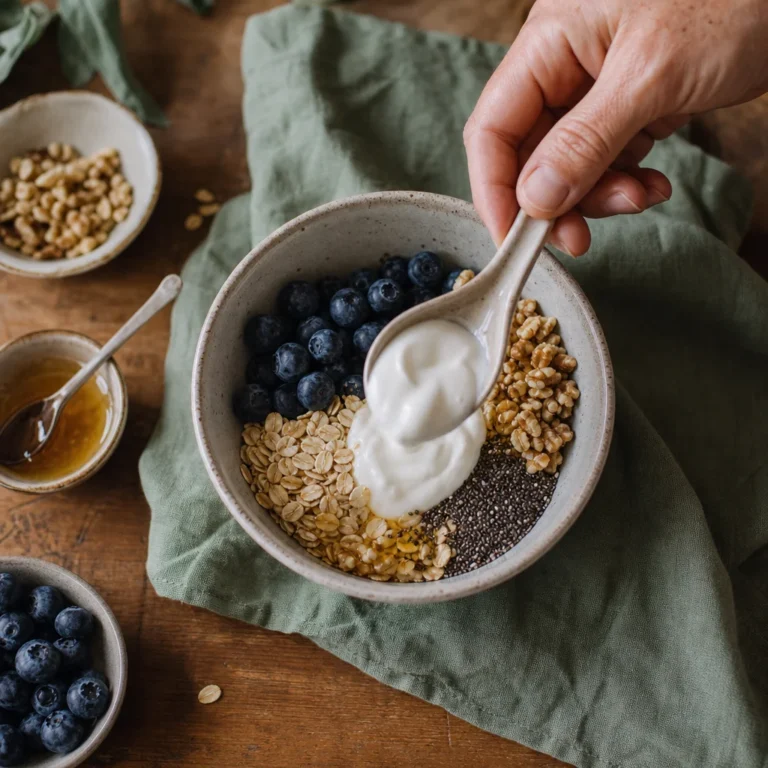
Need a high protein breakfast that fuels your body and feeds your gut? These 8 quick recipes deliver 15g+ protein plus prebiotics or probiotics in 15 minutes or less.
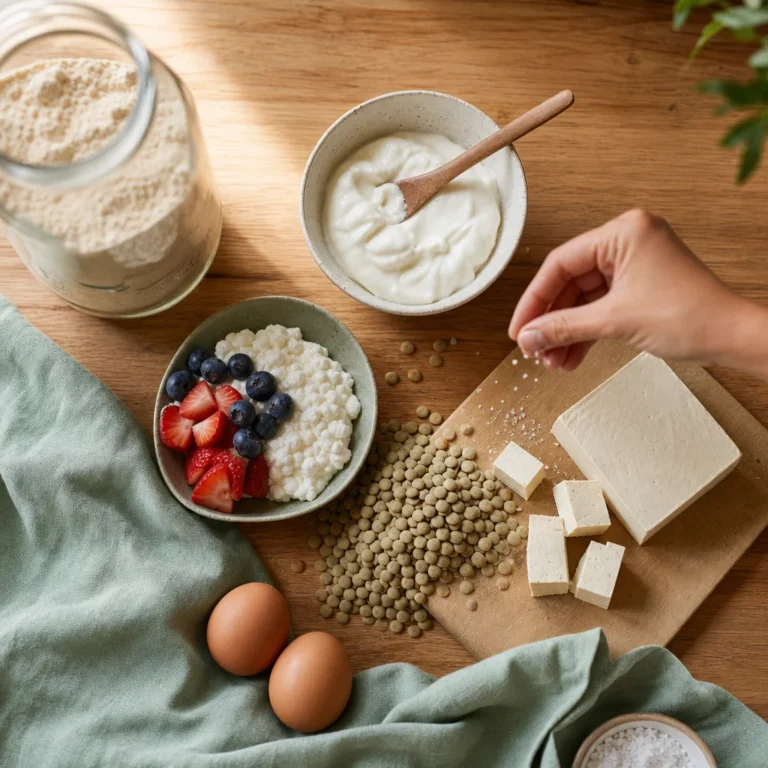
Protein powder prices are rising — but you don’t need them. Discover 5 whole food protein powder alternatives that cost less and pack more nutrients. Includes protein-per-dollar comparison, daily protein needs, and myth-busting on complete proteins.
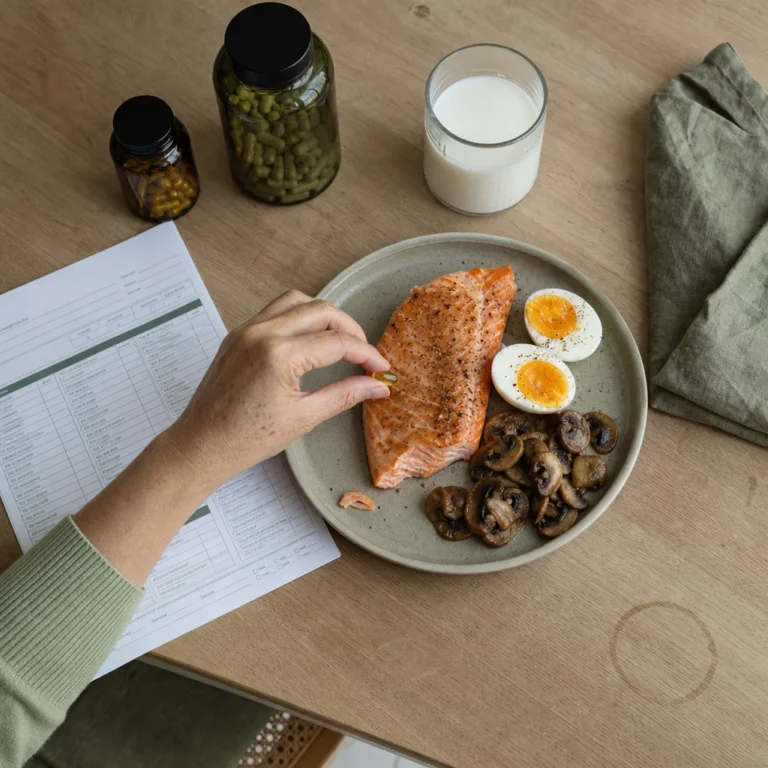
Is low vitamin D causing your muscle loss? Learn how vitamin D deficiency contributes to age-related muscle loss, what blood levels to target (30–50 ng/mL), and how D3, magnesium, and protein work together to protect your strength.

Dietitians agree plain water is the best choice for morning hydration. Here’s why it outperforms trendy alternatives and how to make it a lasting habit.

A landmark study of 2.4 million women found that PMOS creates a hidden heart risk women can’t ignore. Here’s what to ask your doctor at your next visit.

Could when you eat protect your aging brain? New research shows time-restricted eating may boost cognitive function beyond weight loss alone. Here’s how to start safely.
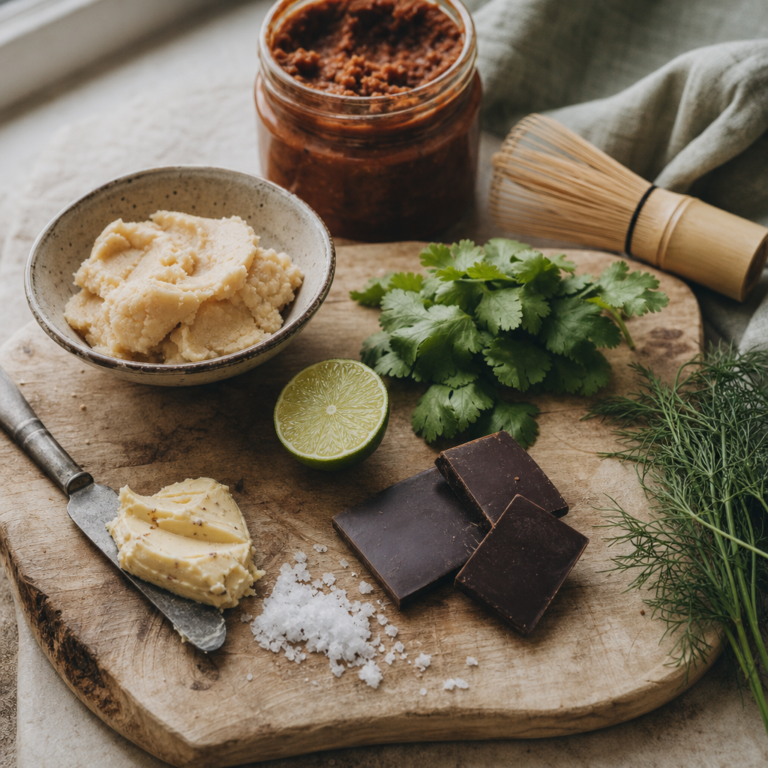
Miso is a gut-health powerhouse that goes way beyond soup. Discover chef-tested ways to cook with miso — from marinades to desserts — plus the science behind its probiotic benefits.