7-Day High-Fiber, No-Sugar Meal Plan for Weight Loss
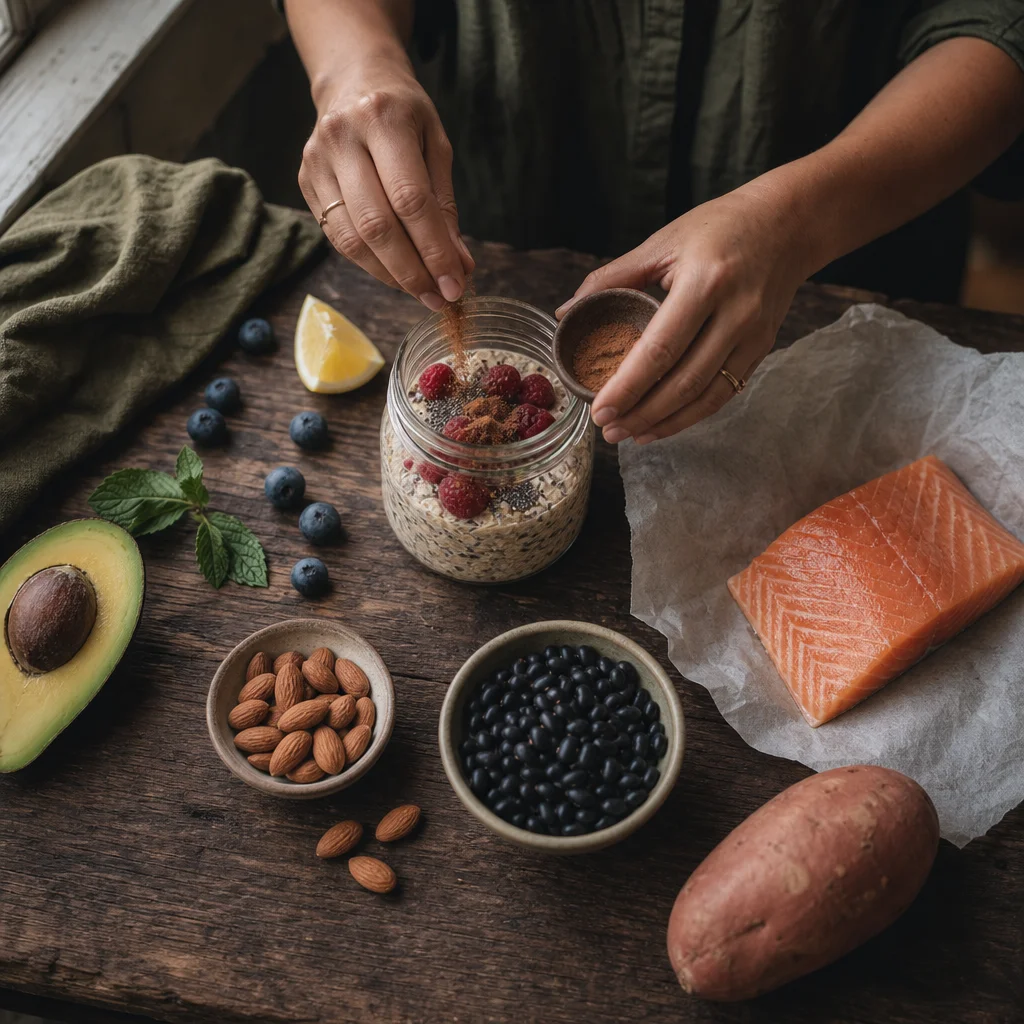
You’ve cut calories, swapped snacks, and tried every diet app — yet the number on the scale barely moves. Sound familiar? Here’s the thing. You might be missing the one nutrient that quietly does the heavy lifting for weight loss. Fiber. And building the right high fiber meal plan could be the shift that finally works.
Let’s be honest. Weight loss advice is overwhelming. Eat this, don’t eat that, try this timing, avoid that food group. But the science on fiber is refreshingly straightforward. A growing body of research shows that eating more fiber — especially from whole foods — helps you feel fuller, balances your blood sugar, and supports a healthier gut. And the best part? A high fiber meal plan doesn’t ask you to cut out entire food groups. It asks you to eat more of the good stuff. Following a high fiber meal plan is truly one of the simplest, most effective changes you can make for your health.
Here’s what we’ll cover in this guide: why fiber is so effective for weight loss, how much you actually need, a complete 7-day high fiber meal plan with no added sugar and daily fiber tracking, a sample grocery list, and practical tips to make it all work — without the bloating or guesswork.
Quick Answer: What Is a High Fiber Meal Plan for Weight Loss?
A high fiber meal plan focuses on foods that naturally provide 30+ grams of fiber per day — beans, lentils, oats, whole grains, vegetables, fruits, nuts, and seeds. It helps with weight loss by keeping you full longer, stabilizing blood sugar, and feeding your gut microbiome. This plan also eliminates added sugar, which research links to cravings and weight gain. No deprivation needed — just smarter food choices.
Why a High Fiber Meal Plan Works for Weight Loss
Here’s what’s happening under the surface. Fiber works in several ways to help you lose weight — and the evidence backing it is strong.
First, fiber keeps you full. Soluble fiber — the kind found in oats, beans, and apples — forms a gel when it meets water in your digestive tract. That gel slows down how fast food leaves your stomach, which means you feel full longer after a meal. A 2026 systematic review of 48 studies found that cereal fiber, especially from oats and rye, clearly boosts feelings of fullness (research on cereal fiber and appetite control). Another study in The Journal of Nutrition showed that black beans and kidney beans satisfied hunger just as much as beef did (study showing beans are as satisfying as beef).
Second, fiber stabilizes blood sugar. When you eat a meal that’s high in fiber, your body absorbs the sugars more slowly. That means fewer energy crashes and fewer cravings an hour later. The CDC explains that fiber doesn’t cause blood sugar spikes because your body doesn’t digest it the same way it processes simple carbs.
Third, the numbers are real. A meta-analysis of 27 randomized controlled trials found that people who took soluble fiber lost an average of 1.25 kg (about 2.8 pounds) more than those who didn’t — without making other changes (meta-analysis of 27 studies on fiber and weight loss). Another review of six trials found that psyllium fiber taken before meals led to 2.1 kg (about 4.6 pounds) of weight loss over about five months. That’s real, measurable change from a high fiber meal plan.
How Much Fiber Do You Actually Need?
This is where things get interesting — and a little sobering. According to Cleveland Clinic’s fiber intake recommendations, only 5% of American adults get enough fiber. The average person eats about 16 grams per day — roughly half of what’s recommended. This is precisely why a structured high fiber meal plan can be so helpful — it takes the guesswork out of hitting your daily target.
So how much do you need? The numbers vary a bit by source, but here’s the breakdown from the Dietary Guidelines 2020-2025:
- Women ages 19-30: 28 grams per day
- Women ages 31-50: 25 grams per day
- Women ages 51+: 22 grams per day
- Men ages 19-30: 34 grams per day
- Men ages 31-50: 31 grams per day
- Men ages 51+: 28 grams per day
For this high fiber meal plan, we’ve set a daily target of 30 grams of fiber — a round number that works well for most adults aiming for healthy weight loss. The Mayo Clinic’s dietary fiber guidelines confirm that aiming for 25-30 grams is a solid, health-backed goal.
Best High-Fiber Foods to Fill Your Plate
Before we dive into the 7-day plan, let’s talk about which foods pack the most fiber. Here’s a handy reference chart you can come back to — you’ll find these foods featured throughout your high fiber meal plan in the week ahead:
Fiber-Rich Foods Reference Chart
| Food | Serving | Fiber (grams) |
|---|---|---|
| Lentils (cooked) | 1 cup | 15.6 |
| Black beans (cooked) | 1 cup | 15 |
| Chia seeds | 2 tbsp | 10 |
| Oats (rolled, cooked) | 1 cup | 8 |
| Avocado | 1 medium | 13.5 |
| Almonds | 1 oz (23 nuts) | 3.5 |
| Broccoli (cooked) | 1 cup | 5.1 |
| Apple (with skin) | 1 medium | 4.4 |
| Quinoa (cooked) | 1 cup | 5.2 |
| Sweet potato (with skin) | 1 medium | 4.8 |
Pro tip: Aim to include at least one high-fiber food at every meal. That way you spread your intake across the day instead of trying to cram it all in at dinner.
Your 7-Day High-Fiber, No-Sugar Meal Planner
Here’s the plan. Each day provides roughly 30 grams of fiber, at least 70 grams of protein, and around 1,500-1,600 calories. No added sugar — all sweetness comes from whole fruits and a touch of natural flavor. Every day of this high fiber meal plan includes practical, easy-to-find ingredients at any grocery store.
Day 1: ~32g fiber
Breakfast: Overnight oats made with 1/2 cup rolled oats, 1 tbsp chia seeds, 1 cup unsweetened almond milk, 1/2 cup raspberries, and a dash of cinnamon. (~12g fiber)
Lunch: Lentil and vegetable soup (1.5 cups) with a side of whole-grain crackers (5). (~10g fiber)
Snack: 1 medium apple with 1 tbsp almond butter. (~5g fiber)
Dinner: Sheet-pan salmon (4 oz) with roasted broccoli and 1 medium sweet potato, drizzled with olive oil. (~8g fiber)
Day 2: ~31g fiber
Breakfast: Veggie scramble — 2 eggs, 1 cup spinach, 1/2 cup black beans, 1/4 avocado, and salsa. (~10g fiber)
Lunch: Quinoa power bowl with 3/4 cup cooked quinoa, roasted bell peppers, chickpeas (1/2 cup), cucumber, and tahini dressing. (~11g fiber)
Snack: 1/4 cup almonds and 1/2 cup blueberries. (~5g fiber)
Dinner: Turkey and black bean chili (1.5 cups) with 1/2 avocado on top. (~12g fiber)
Day 3: ~30g fiber
Breakfast: Chia pudding — 3 tbsp chia seeds, 1 cup unsweetened coconut milk, 1/2 cup strawberries, 1 tbsp chopped pecans. (~11g fiber)
Lunch: Tuna and white bean salad — 1 can tuna, 1/2 cup cannellini beans, mixed greens, cherry tomatoes, olive oil and lemon. (~9g fiber)
Snack: 1 medium pear. (~5.5g fiber)
Dinner: Grilled chicken breast (5 oz) with 1 cup roasted Brussels sprouts and 3/4 cup cooked farro. (~10g fiber)
Day 4: ~33g fiber
Breakfast: Berry smoothie — 1 cup unsweetened almond milk, 1/2 cup Greek yogurt, 1/2 cup frozen mixed berries, 1 tbsp ground flaxseed, 1 handful spinach. (~9g fiber)
Lunch: Black bean tacos — 2 corn tortillas, 3/4 cup black beans, lettuce, tomato, salsa, and 1/4 avocado. (~12g fiber)
Snack: 1/2 cup edamame (shelled). (~4g fiber)
Dinner: Baked cod (5 oz) with 1 cup steamed green beans and 1 cup cooked quinoa. (~9g fiber)
Day 5: ~31g fiber
Breakfast: Peanut butter and banana oatmeal — 1/2 cup rolled oats cooked with water, 1 tbsp peanut butter, 1/2 sliced banana, sprinkle of cinnamon. (~9g fiber)
Lunch: Mediterranean chickpea salad — 1 cup chickpeas, cucumber, tomato, red onion, olives, feta, olive oil and lemon. (~11g fiber)
Snack: 1 cup carrot and cucumber sticks with 2 tbsp hummus. (~5g fiber)
Dinner: Shrimp stir-fry — 5 oz shrimp, 2 cups mixed stir-fry vegetables, 1/2 cup cooked brown rice, soy sauce and ginger. (~7g fiber)
Day 6: ~30g fiber
Breakfast: Greek yogurt parfait — 1 cup plain Greek yogurt, 1/2 cup raspberries, 2 tbsp chopped walnuts, 1 tbsp chia seeds. (~9g fiber)
Lunch: Red lentil soup (1.5 cups) with a side of 1 small whole-grain roll. (~12g fiber)
Snack: 1 medium orange and 10 almonds. (~5g fiber)
Dinner: Turkey meatballs (4 oz) with 1 cup zucchini noodles and 1/2 cup marinara sauce (no sugar added). (~6g fiber)
Day 7: ~34g fiber
Breakfast: Two-egg veggie omelet with 1/2 cup chopped bell peppers, onions, spinach, and 1/4 avocado on the side. (~7g fiber)
Lunch: Grilled chicken wrap — 4 oz chicken, large whole-wheat tortilla, lettuce, tomato, hummus, and shredded carrots. (~10g fiber)
Snack: 1 cup mixed berries with 1 tbsp sunflower seeds. (~6g fiber)
Dinner: Three-bean chili (1.5 cups) with 1/4 avocado and a sprinkle of cilantro. (~15g fiber)
No-Sugar Swaps: How to Sweeten Without Added Sugar
One of the biggest challenges in cutting added sugar is dealing with that sweet tooth. Here’s the trick: you don’t need to banish sweetness entirely — you just need better sources. These swaps make it easy:
- Swap sugary yogurt for plain Greek yogurt + berries. You get natural sweetness from the fruit plus extra fiber.
- Swap sugary cereal for oatmeal + mashed banana + cinnamon. The banana adds sweetness, and cinnamon tricks your brain into tasting something sweet.
- Swap granola bars for apple + nut butter. Same portable convenience, way more fiber, zero added sugar.
- Swap store-bought smoothies for homemade versions. Use frozen berries and half a banana for sweetness — no juice or honey needed.
- Swap flavored coffee creamer for unsweetened almond milk + a dash of vanilla extract. You’ll barely notice the difference after a day or two.
- Swap dried fruit for fresh fruit. Dried fruit is concentrated sugar (even without added sugar). Fresh fruit gives you more volume and fiber for the same sweetness.
Sample Grocery Shopping List
Produce: spinach, mixed greens, bell peppers, broccoli, sweet potatoes, Brussels sprouts, green beans, zucchini, carrots, cucumber, tomatoes, avocado, lemons, garlic, ginger, cilantro, berries (fresh or frozen), apples, pears, oranges, bananas.
Protein: eggs, plain Greek yogurt, chicken breast, ground turkey, salmon, cod, shrimp, canned tuna.
Legumes & Grains: rolled oats, quinoa, farro, brown rice, whole-wheat tortillas, corn tortillas, whole-grain crackers, lentils (red and brown), chickpeas, black beans, cannellini beans, kidney beans, edamame.
Nuts & Seeds: almonds, walnuts, pecans, chia seeds, ground flaxseed, pumpkin seeds, sunflower seeds, almond butter, peanut butter.
Pantry: olive oil, tahini, marinara (no sugar added), salsa, soy sauce, spices (cinnamon, cumin, chili powder, paprika), vanilla extract.
Tips to Make This Plan Work Without the Bloating
Here’s the honest truth. If you’re used to eating 15 grams of fiber a day and you jump straight to 30 grams, your digestive system will let you know. Gas, bloating, and cramping are common when you increase fiber too fast. Here’s how to avoid that:
- Go slow. Start with 5 extra grams of fiber per day for a week, then add another 5 the next week. The Cleveland Clinic recommends adding no more than 5 grams per week.
- Drink plenty of water. Fiber works by absorbing water. Without enough fluid, it can actually cause constipation. Aim for 8-10 cups of water daily.
- Chew your food well. Digestion starts in your mouth. The more you break down fiber-rich foods before swallowing, the easier your gut handles them.
- Start each day with a fiber-rich breakfast. Oats, chia pudding, or a veggie scramble sets you up for success and spreads your fiber across the day.
- Use a Sunday meal prep session. Cook a batch of quinoa, chop veggies, make a pot of lentil soup or chili, and portion out snacks. When healthy food is ready to grab, you’re more likely to stick with the plan.
Frequently Asked Questions
Q: Can I still lose weight if I can’t hit 30 grams of fiber?
Absolutely. Any increase in fiber is beneficial. A meta-analysis of 27 studies found that adding soluble fiber to your diet helped people lose an average of 1.25 kg (about 2.8 pounds) more than those who didn’t add fiber. Start where you are and work your way up gradually.
Q: What if I have IBS or a sensitive stomach?
If you have IBS, focus on soluble fiber sources like oats, psyllium, and cooked vegetables rather than raw cruciferous veggies like broccoli and cauliflower. Go slow, keep a food journal, and work with a dietitian or your healthcare provider to find what works for you.
Q: Do I need to count fiber grams forever?
Not at all. Once you build the habit of including high-fiber foods at most meals, it becomes second nature. Use the chart in this guide to learn which foods pack the most fiber, then eyeball your portions.
Q: Is it OK to use fiber supplements instead of whole foods?
Whole foods are better because they provide fiber plus vitamins, minerals, and antioxidants that supplements don’t. However, if you struggle to meet your targets through diet alone, a psyllium supplement before meals can help bridge the gap.
The Bottom Line
Here’s what I want you to take away from all of this. Weight loss doesn’t have to mean deprivation. You don’t need to cut out entire food groups, survive on tiny portions, or wrestle with complicated rules. You just need the right nutrient strategy — and fiber is at the heart of it.
A high fiber meal plan works because it works with your body, not against it. It keeps you full, balances your blood sugar, feeds your gut microbiome, and naturally leads to eating less — without willpower battles.
Start where you are. Pick one day from this high fiber meal plan and try it. Or just add one high-fiber food to each meal this week. Small steps add up. And your body will thank you.