

Beetroot Blood Pressure: The Chewing Gum Hack
Key Takeaways
- Chewing sugary gum after drinking beetroot juice may boost the beetroot blood pressure benefit by helping your body make more nitrite.
- The study used sugary gum — and that’s key. When participants chewed sugar-free gum instead, they did NOT get the same nitrite boost or blood pressure drop. The sugar appears to be necessary for lowering mouth pH. Researchers hope to find a sugar-free way to achieve the same effect.
- This simple food pairing trick could help your heart. Always talk to your doctor if you take blood pressure meds.
- Beetroot isn’t the only nitrate-rich food — spinach, arugula, celery, and kale also help.
What if a piece of gum could make your beetroot juice work harder for your heart? It sounds like a fun kitchen hack, but new research says it might be true. A study found that chewing sugary gum after drinking beetroot juice (a concentrated source of dietary nitrate) helped the body make more nitrite. That leads to a temporary drop in blood pressure. Here’s the science behind this beetroot blood pressure trick — and how to try it without the sugar.
Quick Answer: Can chewing gum after beetroot lower blood pressure?
Yes, according to a new study. Chewing sugary gum after eating nitrate-rich foods like beetroot raised nitrite levels in the body, which briefly lowered blood pressure. The effect lasted a few hours. Sugar-free gum did NOT produce the same effect, so the sugar appears to be important. More research is needed for a sugar-free alternative.
The Science Behind Beetroot Blood Pressure Benefits
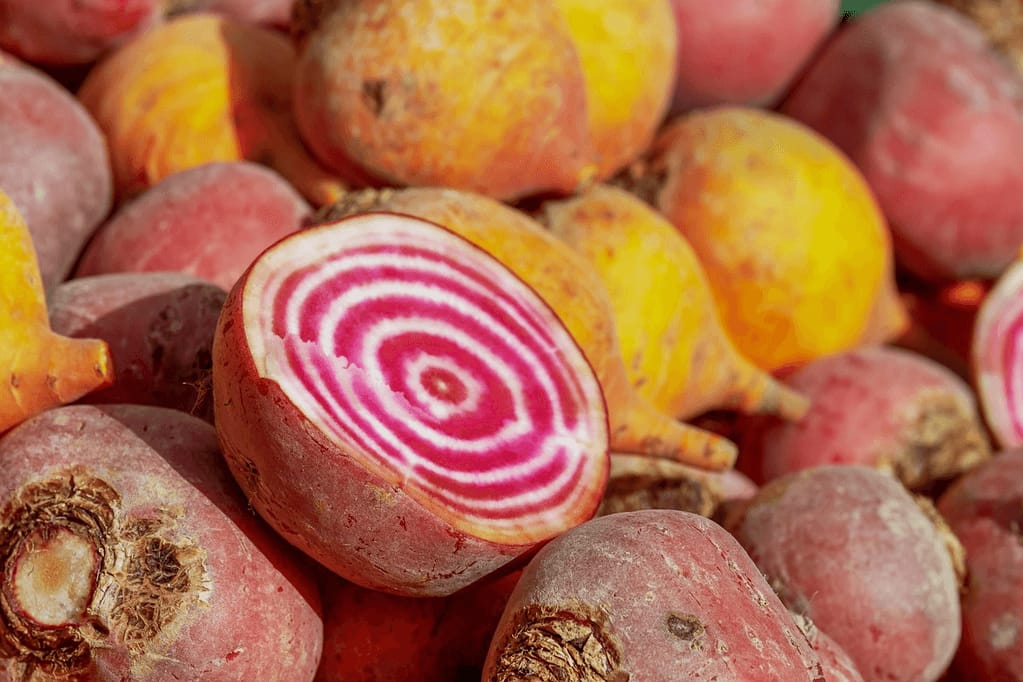
You’ve probably heard that beetroot is good for your heart. That’s because it’s full of dietary nitrates. When you eat beets, the nitrates go to your mouth. Bacteria on your tongue turn them into nitrite. Then that nitrite becomes nitric oxide. Nitric oxide relaxes your blood vessels and improves blood flow. That’s the classic beetroot blood pressure pathway.
Now, a new study from ScienceDaily suggests that chewing gum after consuming dietary nitrate can make this process even stronger. Chewing sugary gum lowers the pH in your mouth (makes it more acidic), which helps the bacteria on your tongue convert more nitrate into nitrite. The researchers found that this pH change boosted nitrite production by 45%. That’s the beetroot blood pressure boost in action.
How the Nitrate-Nitrite-Nitric Oxide Pathway Works
1. You eat nitrate-rich foods like beetroot, spinach, or arugula.
2. Bacteria in your mouth turn nitrate into nitrite.
3. In your stomach and blood, nitrite becomes nitric oxide.
4. Nitric oxide relaxes blood vessels, lowering blood pressure.
Chewing sugary gum lowers mouth pH, which boosts step 2 — the conversion of nitrate to nitrite — leading to a bigger effect.
What the New Study Found About Beetroot and Chewing Gum
In the study, 14 volunteers drank beetroot juice (70 mL, providing about 400 mg of nitrate). Then they chewed gum. The researchers compared what happened when they chewed sugar-containing bubble gum versus sugar-free gum. Compared to chewing sugar-free gum, chewing sugary gum after beetroot juice led to 45% higher salivary nitrite production and 25% higher plasma nitrite levels, along with a measurable drop in blood pressure (systolic by 2.7 mmHg, diastolic by 1.9 mmHg). This is another piece of evidence that the beetroot blood pressure link is real — and can be boosted with the right kind of gum.
The researchers note that this mechanism could also enhance other benefits of dietary nitrate, like exercise performance. They hope this finding paves the way for developing sugar-free gums that offer the same cardiovascular benefit.
How to Try This Beetroot Blood Pressure Hack at Home
Want to test this beetroot blood pressure trick for yourself? Here’s a simple routine inspired by the study:
- Eat your nitrate-rich food first. Have a serving of roasted beets, a glass of beetroot juice, or a big salad with arugula and spinach.
- Chew gum right after. Chew for a few minutes — even a short time may help activate the pH change that supports this process.
- Pick sugar-free gum if you can. The study used sugary gum, but your teeth will thank you for sugar-free. Look for gum with xylitol or stevia. Keep in mind that sugar-free gum did not produce the same nitrite boost in the study.
- Do this once a day as part of a heart-healthy routine.
Practical Tip: Gum Flavor Matters
Mint or fruit flavors are fine, but avoid gum with antibacterial stuff like chlorhexidine. Research suggests that antibacterial mouthwashes can reduce the beneficial oral bacteria needed for this nitrate-to-nitrite conversion. The same logic may apply to gum with antimicrobial ingredients.
Nitrate-Rich Foods Beyond Beetroot
Beetroot gets all the attention, but it’s not the only source of dietary nitrates. These foods also help support healthy blood pressure:
- Spinach and other leafy greens
- Arugula (also called rocket)
- Celery
- Kale
- Swiss chard
- Radishes
- Fennel
Mix and match these with your gum-chewing routine. The key is to have nitrate on your tongue when you start to chew. That’s how you get the full beetroot blood pressure benefit.
The Sugar Catch and What to Chew Instead
Let’s be real: chewing sugary gum isn’t great for your teeth or your health. The study used sugary gum because it lowered mouth pH effectively, but the researchers hope for a sugar-free option that works. Keep in mind that the study tested sugary gum, not sugar-free. When the researchers compared sugar-free gum, it did NOT produce the same nitrite boost or blood pressure drop. We need more research to find a sugar-free alternative that works. In the meantime, try these:
- Xylitol-sweetened gum — Xylitol is a natural sweetener that doesn’t raise blood sugar and may even fight cavities.
- Stevia-sweetened gum — Stevia is a plant-based sweetener with zero calories.
- Mastic gum — A natural resin chewed for centuries, though we don’t know if it helps the beetroot blood pressure effect.
To be clear, the study showed that sugar-free gum did not work the same way. But given the downsides of sugar, it’s worth watching for future research on sugar-free options.
FAQ: Your Beetroot Blood Pressure Questions Answered
Q: How long does the blood pressure drop last?
A: In the study, it lasted a few hours. For a lasting benefit, eat nitrate-rich foods every day.
Q: Can I use beetroot powder instead of whole beets?
A: Yes, beetroot powder works. Mix it with water or juice and chew gum after.
Q: Should I stop taking my blood pressure meds?
A: No. Lifestyle changes like this can help, but never replace your medicine. Talk to your doctor first.
Q: Does gum flavor matter?
A: Probably not, as long as it doesn’t have antimicrobial ingredients. Stick with simple natural gums.
The Bottom Line
Chewing gum after eating beetroot is an easy, no-cost habit that might give your heart an extra boost. The science is solid: the nitrate-nitrite pathway is real, and sugary gum seems to make it stronger by lowering mouth pH. While we need more research with sugar-free gum (since the study found it did not produce the same effect), there is little risk in trying it yourself — just pick a sugar-free option to protect your teeth, knowing it may not have the same blood pressure benefit.
If you have high blood pressure or take medication — we’ve covered other natural strategies in our guide to 5 things to avoid after 5 PM to lower blood pressure — talk to your doctor before making any changes. But for most people, a beetroot salad followed by a piece of sugar-free gum is a simple, tasty way to show your heart some love — and get the beetroot blood pressure benefits you’re looking for.