

Alzheimer’s Blood Test: What You Need to Know
Key Takeaways
- An Alzheimer’s blood test can detect brain changes early in the disease process — often at the stage of mild cognitive impairment or subjective concerns, when treatments may be most effective.
- You can get this test at your regular doctor’s office, no more long waits for a specialist.
- Early diagnosis opens doors to treatments that work best when started early.
- A positive test isn’t a final diagnosis — you still need a full checkup with a neurologist.
- The Alzheimer’s Association has released rules for doctors on how to use these tests.
What if a simple blood draw could tell you if Alzheimer’s is starting in your brain? That’s no longer a dream. At the 2026 Alzheimer’s Association International Conference, scientists shared new data on blood tests that can spot Alzheimer’s years earlier. For women who worry about their own memory or a parent’s health, this is big news. Here’s what you need to know about the Alzheimer’s blood test, how it works, and how it could change your care.
Quick Answer: What Is an Alzheimer’s Blood Test?
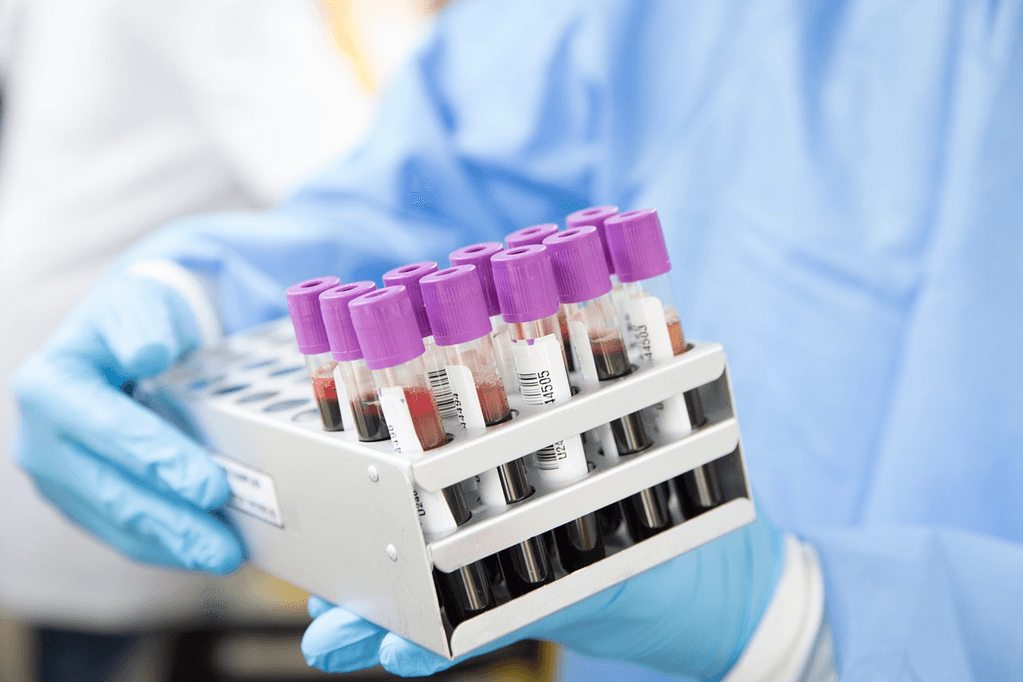
It’s a blood test that measures certain proteins linked to Alzheimer’s brain changes, like p-tau217 and amyloid-beta. Unlike a spinal tap or brain scan, it’s quick and easy. It’s not a final answer by itself, but it helps your doctor see who needs more tests.
What the Alzheimer’s Blood Test Measures
The Alzheimer’s blood test doesn’t look for a single gene. Instead, it checks for markers in your blood that tell a story about your brain. The star marker is p-tau217 — a type of tau protein that builds up as Alzheimer’s progresses. High levels in blood match closely with the sticky plaques and tangles found in Alzheimer’s brains.
Another important marker is the ratio of two forms of amyloid-beta (42 to 40). When that ratio drops, it means amyloid is gathering in your brain instead of floating in your blood. According to the Alzheimer’s Association, these blood tests are now good enough to help doctors, especially when paired with memory and thinking tests.
How Accurate Is It?
Studies from AAIC 2026 show p-tau217 tests can find Alzheimer’s changes with approximately 90% accuracy in people who have symptoms — comparable to a brain scan, with much less hassle. That’s close to a brain scan but a lot less hassle. However, accuracy drops in people without symptoms, so your doctor must look at the full picture.
Why an Alzheimer’s Blood Test in Primary Care Is a Game Changer
Right now, getting a clear Alzheimer’s diagnosis is often a long road. You see your primary doctor, maybe get a quick memory test. If something seems off, you wait months for a neurologist. Then come pricey brain scans or a spinal tap — both can be scary and hard to get.
An Alzheimer’s blood test your family doctor can order changes all that. A simple blood draw at a routine visit could quickly point out who needs to see a specialist sooner. For women managing a parent’s care or worried about their own forgetfulness, that speed matters a lot. The National Institute on Aging stresses that early detection lets you plan ahead, start treatments, or join studies.
Real-World Impact
One study at the conference looked at primary care doctors using these blood tests. They found that primary care docs could correctly decide who needed a specialist, cutting down on wrong referrals and catching cases earlier — a reminder that recognizing early dementia signs is crucial for knowing when to seek evaluation. That’s huge for rural areas or places with few neurologists.
What the Science Says About This Test
Let’s be clear: the Alzheimer’s blood test isn’t something you buy online. The Alzheimer’s Association has put out guidelines for doctors on how to use them the right way. Key rules: only order them for people with memory symptoms or a strong family history. A positive result doesn’t mean you have Alzheimer’s today — it means you have brain changes that raise your risk or point to early disease.
The CDC notes that Alzheimer’s is often missed, especially in women and minority groups. Blood tests could help close that gap — but only when used with a full checkup, including memory tests, medical history, and sometimes brain scans.
Who Should Think About an Alzheimer’s Blood Test?
If you or a loved one has memory issues that affect daily life — like missing appointments, getting lost, or struggling with words — talk to a doctor. A blood test could be part of the picture. But it’s not for everyone.
People who might benefit most:
- Those with symptoms — mild cognitive issues or early dementia, to find the cause.
- People with a strong family history of Alzheimer’s, especially if they have symptoms.
- Adults joining research studies — many trials use blood tests to screen volunteers.
- Anyone worried about brain health who wants a baseline, though routine screening still isn’t proven.
Questions to Ask Your Doctor
Thinking about an Alzheimer’s blood test? Here are smart questions:
– “Do you offer blood-based tests for Alzheimer’s?”
– “What would a positive result mean for me?”
– “Do I need to see a specialist?”
– “How will this test change my care?”
– “Are there any risks or costs?”
Safety, Limits, and What to Watch For
No test is perfect. The Alzheimer’s blood test can give false alarms or miss problems. That’s why it’s not used alone. Some commercial tests haven’t been checked as much as the ones in studies. Use only tests ordered by your doctor from trusted labs.
Another big concern: how you’ll feel about the results. Learning you have Alzheimer’s markers years before symptoms can be upsetting. Some people prefer not to know. That’s your choice, and you can say no to testing. If you do test positive, counseling and support should be available.
Important Caveats
- Blood tests are not yet FDA-approved as standalone tests — they’re lab-developed tools.
- They can’t predict when symptoms will start or how fast the disease will go.
- A negative test doesn’t rule out other dementias, like vascular dementia.
- Always discuss results with a specialist before making big decisions.
The Bottom Line
The Alzheimer’s blood test is now a reality. It’s not a miracle, but it’s a big step toward faster, easier, and more fair diagnosis. For women who often lead health decisions for their families, this is empowering. You can talk to your doctor about a blood test today, without waiting months for a specialist.
The key message? This test is a strong tool for early detection. But it’s just one piece. A full evaluation — memory tests, medical history, sometimes brain scans — is still needed. Stay informed, ask lots of questions, and work with a care team you trust.