

Leafy Greens Brain Health: Best Veggies to Lower Dementia Risk
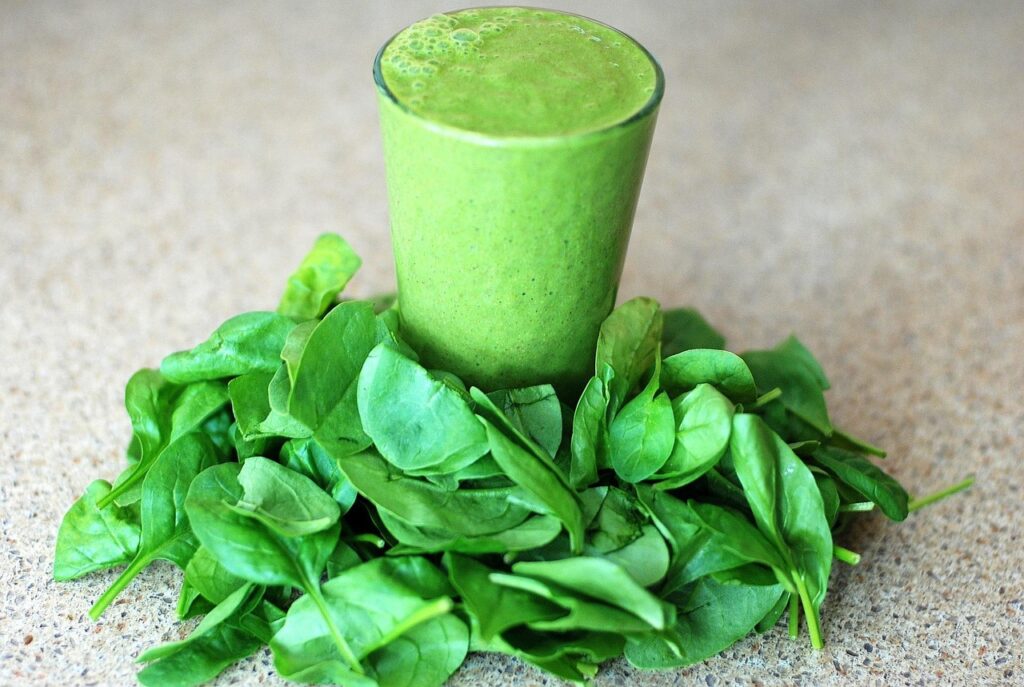
What if one simple food could help protect your brain as you age? New research points to leafy greens. Spinach, kale, collards, and their kin may be the best vegetables for your brain. Understanding leafy greens brain health links can help you make smart daily choices.
Key Takeaways
- Green leafy veggies are the only veggie group tied to a big drop in dementia risk. Each daily serving lowers risk by about 18%.
- Six key nutrients in leafy greens each help slow cognitive decline on their own.
- Just one serving a day (1 cup raw or 1/2 cup cooked) offers real brain benefits.
- Pair greens with healthy fats. That boosts how well your body uses the nutrients.
- Not all greens are equal. Some pack more brain-protective power per bite.
Quick Answer: Are Leafy Greens the Best for Your Brain?
Yes. A 2026 study in The American Journal of Clinical Nutrition tracked over 18,000 adults. Green leafy veggies were the only subgroup linked to lower dementia risk. Each extra daily serving meant about 18% lower risk. That’s why leafy greens brain health is a key area of research.
The Science Behind Leafy Greens Brain Health
The best data comes from a large 2026 study published in The American Journal of Clinical Nutrition by Huang et al. The team looked at three large U.S. and U.K. groups. That meant 18,339 adults aged 45 and up. They tracked who got dementia over 7 to 13 years. Then they added data from 13 earlier studies. The total sample passed 222,000 people.
The finding? Among seven fruit and veggie types, only green leafy veggies showed a clear link to lower dementia risk. Each daily serving cut risk by 18%. That’s a strong signal for leafy greens brain health. A meta-analysis of nine studies on fruit and vegetable intake and dementia had already found that higher consumption was associated with a 20% lower risk — and this new research reveals leafy greens as the primary driver.
This matches a 2018 Morris et al. study in Neurology. People who ate about 1.3 servings of greens daily had cognitive scores like someone 11 years younger. The National Institute on Aging backs this work. It says daily greens are a simple, proven step for brain health. And this evidence aligns with what we’ve explored in our deep dive on the Mediterranean diet and cognitive decline — another dietary approach that puts leafy greens front and center.
Six Nutrients That Protect Your Brain
Leafy greens are packed with nutrients that directly help your brain. The Morris study checked seven. Six came out as stars. Biochemically, each one works through a distinct pathway to support brain health.
Key Brain Nutrients in Leafy Greens
- Vitamin K (phylloquinone): Helps protect brain cell membranes and supports cell survival pathways.
- Lutein: A carotenoid that accumulates in brain tissue, particularly in areas responsible for memory and learning. Fights oxidative stress and inflammation.
- Folate: Helps lower homocysteine levels. Elevated homocysteine is linked to brain shrinkage and cognitive decline.
- Nitrate: Converts to nitric oxide in the body. That boosts cerebral blood flow, delivering more oxygen and nutrients to brain cells.
- Vitamin E (α-tocopherol): A fat-soluble antioxidant that shields cell membranes from oxidative damage.
- Kaempferol: A flavonoid with anti-inflammatory properties that helps protect brain tissue.
These nutrients work together synergistically. That’s why eating whole leafy greens may offer more protective benefits than isolated supplements ever could. Research suggests that antioxidant supplements have not shown the same protective effects seen with whole leafy greens.
Leafy Greens Brain Health: Which Varieties Are Best?
While all leafy greens contribute to brain health, some stand out for their nutrient density. Here’s how they compare for leafy greens brain health:
Brain Nutrient Power Rankings
- Kale: Especially rich in lutein and vitamin K. A top choice for brain health.
- Spinach: Great source of folate, lutein, and nitrates. Easy to add to meals.
- Collard greens: Loaded with vitamin K and folate. Also provides calcium.
- Swiss chard: Rich in magnesium, vitamin K, and anti-inflammatory compounds.
- Arugula: Contains glucosinolates and nitrates. Lighter but still helpful.
- Romaine lettuce: Provides vitamin K and some folate. A mild, easy option.
Aim for variety. Kale and spinach are especially rich in brain-friendly nutrients.
How to Eat More Greens Daily
Getting one serving a day is easy. Try these tips to boost leafy greens brain health:
- Pair with healthy fats. Because lutein and vitamin K are fat-soluble nutrients, pairing them with healthy fats like olive oil or avocado helps your body absorb them more effectively.
- Cook smart. For maximum nutrient retention, steam or sauté your greens — boiling can cause water-soluble nutrients like folate to leach into the cooking water.
- Blend them. A handful of spinach in a smoothie is tasty. The fat from yogurt or nut butter helps absorption.
- Use as wraps. Swap bread for collard leaves or lettuce cups.
- Keep them visible. Store washed greens in a clear container. For more on getting the most out of your greens, see our tips on leafy greens longevity and storage.
A serving is 1 cup raw or 1/2 cup cooked. One serving a day already helps. More is even better.
Common Questions About Leafy Greens and Brain Health
Can I use green powders or supplements?
Research suggests that whole foods — not supplements — are linked to brain health benefits. Studies on antioxidant supplements have not shown the same protective effects seen with whole leafy greens. For a complete overview of what supplements may help, check out our guide to the best supplements for women.
Are frozen greens as good as fresh?
Frozen greens are a convenient and affordable option. They are typically picked at peak ripeness and can be a great addition to your meals. Just choose plain frozen greens without added sauces or salt.
The Bottom Line: Boost Brain Health with Leafy Greens
The science is strong. Leafy greens brain health is a real, proven link. A daily serving of kale, spinach, or collards gives your brain key nutrients. Start today. Your future self will thank you.