

Exercise for Perimenopause: The Symptom It Helps Most
A 2026 survey of 1,808 women found that movement tracked most closely with mood, not hot flashes. Here’s what the trials actually show — and how to start when you’re exhausted.
How walking speed, duration, and consistency impact fat loss and women’s health.

A 2026 survey of 1,808 women found that movement tracked most closely with mood, not hot flashes. Here’s what the trials actually show — and how to start when you’re exhausted.
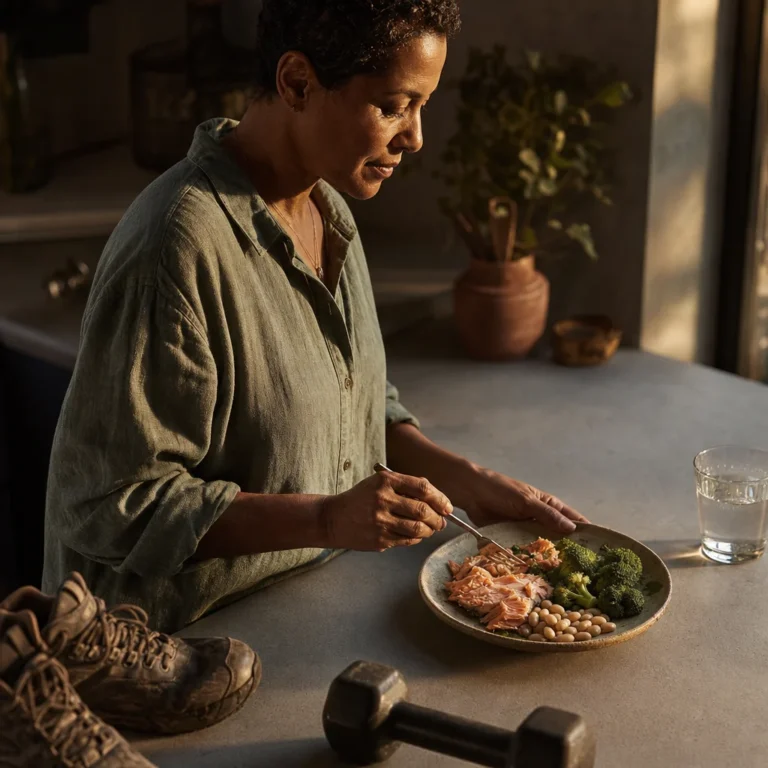
A 2026 trial put 54% of adults aged 18 to 45 into diabetes remission in 24 weeks, versus 4% on usual care. Here is what remission actually means, exactly what the program required, how much weight loss changes the odds, and the honest limits the headlines skipped.

Healthy brain aging isn’t just lucky genes. Here’s what research on SuperAgers supports, what’s still a link, and the habits worth building this week.
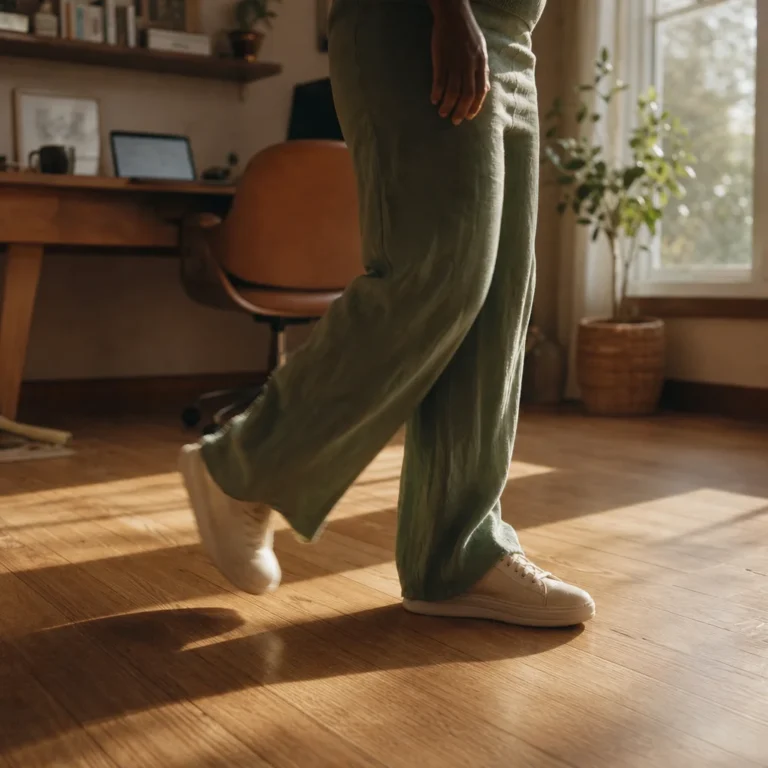
A 7-day walking plan that breaks up sitting time, supports blood sugar, and builds movement into a desk-bound day — no gym required.
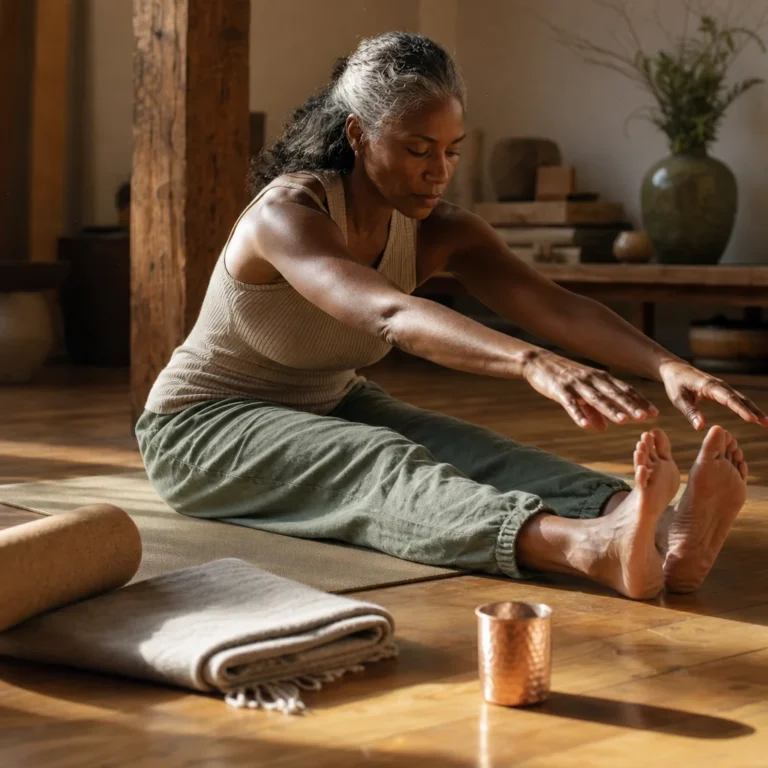
Stretching for flexibility does not lengthen your muscles. A 2025 review of 65 studies found no change in fiber length — what actually improves is your stretch tolerance. Here is the timing, the evidence-based dose, and a simple five-move routine.

Sprint interval training packs short, all-out efforts into a session you can finish on a lunch break. Here is what new blood research suggests about intensity, plus a realistic beginner progression, recovery rules, and who should get medical clearance first.

Positive age beliefs are linked to lower dementia risk, but the effect is modest and every study is observational. Here’s what the research really shows, where the limits are, and how mindset actually does its work.

Compression for recovery may ease soreness and it does improve blood flow, but the newest research shows it won’t make you faster. Here’s how to tell if it’s worth it for you.

First-time stroke rates in adults ages 20 to 54 rose about 83% between 1993 and 2020 — even as rates in older adults fell. Here’s what’s driving the shift, the warning signs people dismiss as stress, the risk windows specific to women, and the numbers to check now.
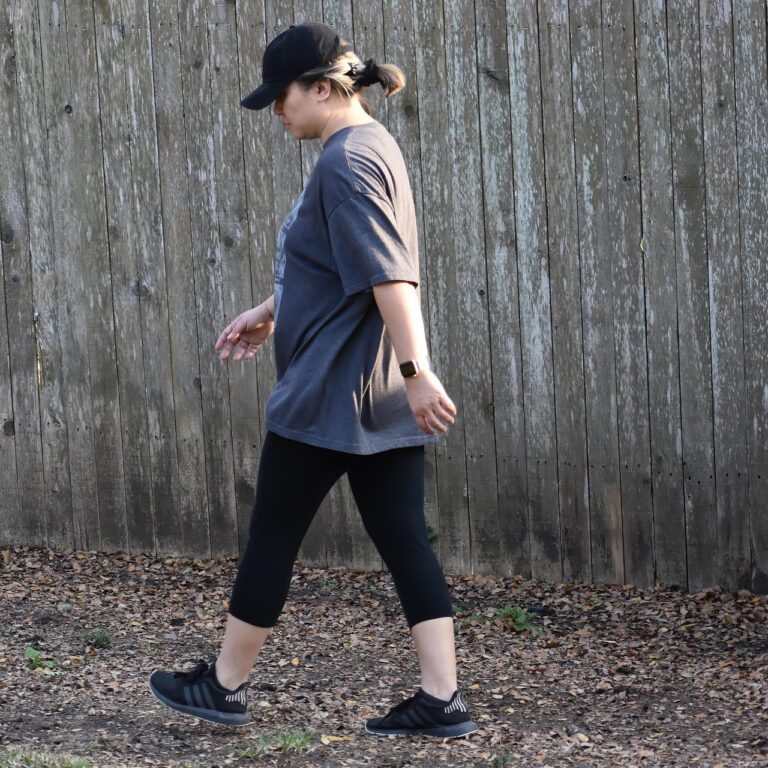
New research links about 45 minutes of moderate cardio, three to four days a week, to sharper executive function in postmenopausal women. Here’s the exact dose, a 12-week ramp-up plan for beginners, and what exercise honestly cannot promise.