

High Blood Pressure: How to Know Your Numbers at Home
Nearly 6 in 10 people with high blood pressure don’t know they have it. Here’s why it stays silent, how to check your numbers accurately at home, and the everyday habits that genuinely move them.
Expert guidance on improving sleep quality, duration, and sleep health for women.
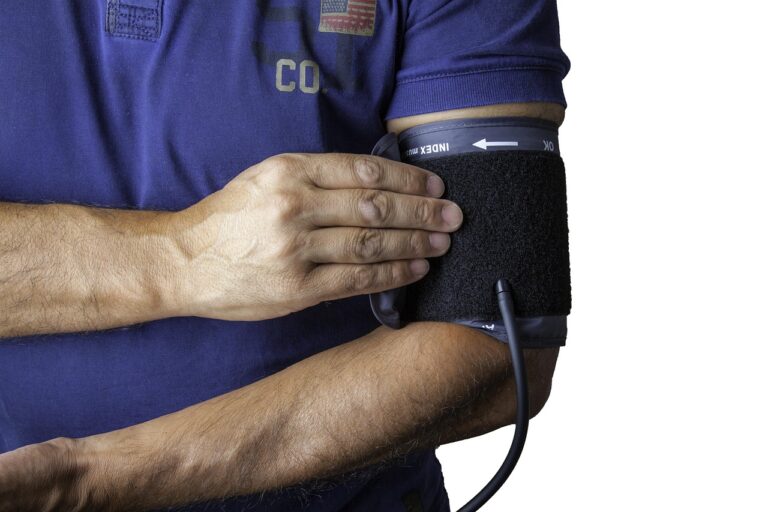
Nearly 6 in 10 people with high blood pressure don’t know they have it. Here’s why it stays silent, how to check your numbers accurately at home, and the everyday habits that genuinely move them.

Stress and aging are measurably linked. Here’s what the research shows about the invisible stressors — air pollution, noise, night-time light, money strain and loneliness — and what you can realistically do about them.

Early menopause is linked to faster memory decline and an earlier Alzheimer’s diagnosis — but the effect is modest. Here’s what the research really shows, why surgical and natural menopause differ, and the evidence-backed steps that protect your brain.
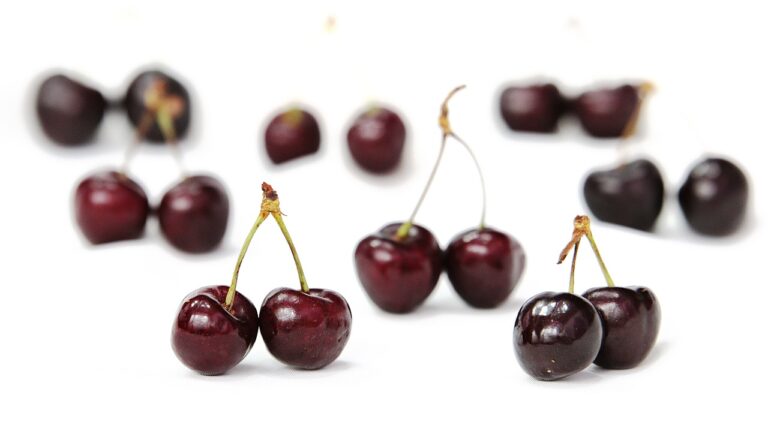
Melatonin rich fruits really do nudge your melatonin — just far less than a gummy. Here is the dose math, the honest evidence on tart cherries and kiwi, and the two-hour rule for a smarter bedtime snack.

Facial volume loss is structural, not a surface problem — which is why most creams and serums disappoint. Here is what the evidence says about viral topicals, the daily habits that genuinely help, and when to see a dermatologist instead of self-treating.

Positive age beliefs are linked to lower dementia risk, but the effect is modest and every study is observational. Here’s what the research really shows, where the limits are, and how mindset actually does its work.

A Finnish study linked higher coffee intake to less total and visceral fat and more muscle at similar BMIs. But one large study found nothing, one found the opposite, and the only controlled trial showed fat down and muscle up with zero change on the scale. Here is what the coffee and body fat research actually supports.
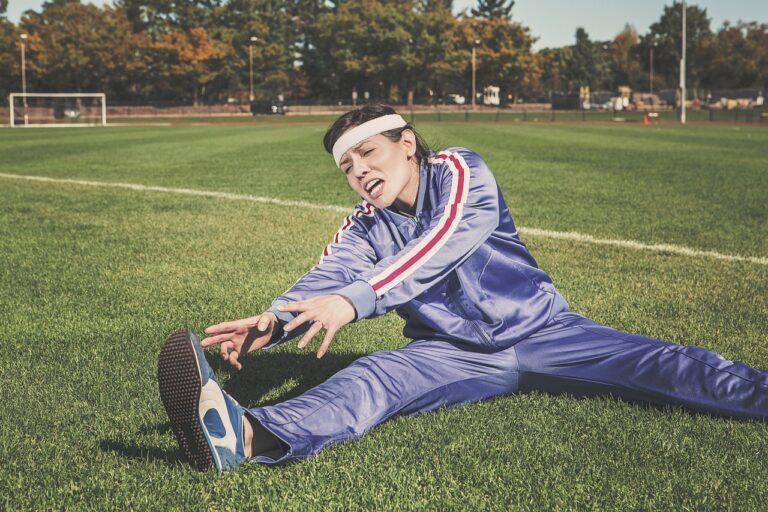
Compression for recovery may ease soreness and it does improve blood flow, but the newest research shows it won’t make you faster. Here’s how to tell if it’s worth it for you.

Staying up late is mostly biology, not a willpower problem. These night owl sleep tips work with your clock instead of against it: anchor your wake time, brighten your mornings, dim your evenings, and watch when you eat.
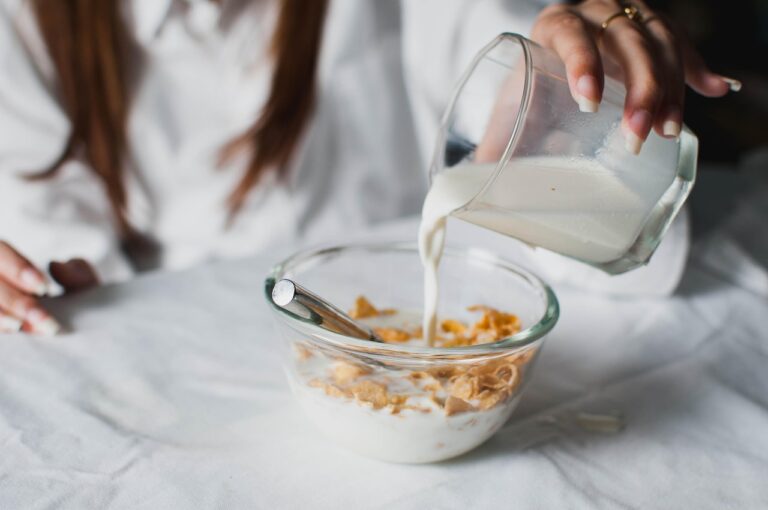
Where your intermittent fasting window sits may matter as much as how long it lasts. Here’s how to choose the timing that works with your body clock — plus who should not fast without medical guidance.