

How Fiber and Inflammation Are Connected
Fiber helps lower inflammation by feeding gut bacteria that produce anti-inflammatory compounds. Learn how much fiber you need daily and which foods pack the most benefits.
Science-backed articles on improving gut health, digestion, and microbiome balance.
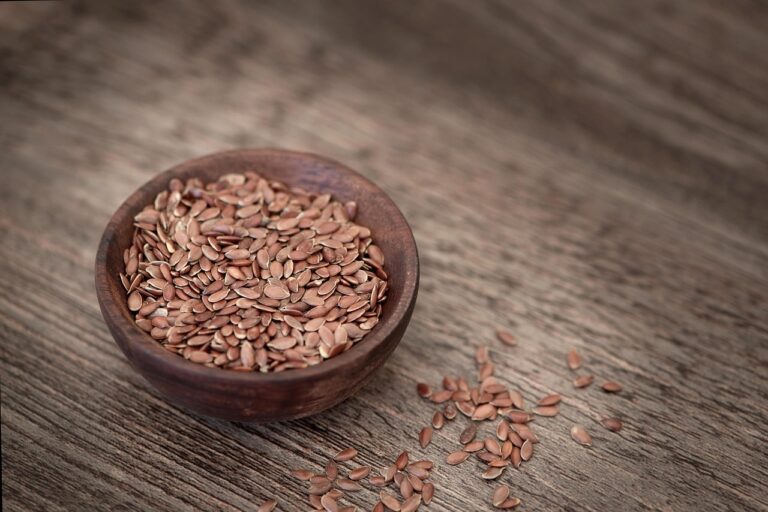
Fiber helps lower inflammation by feeding gut bacteria that produce anti-inflammatory compounds. Learn how much fiber you need daily and which foods pack the most benefits.

Worried about microplastics in water? New nanobubble tech removes over 90% of particles. Here’s what science says and how to reduce your exposure today.
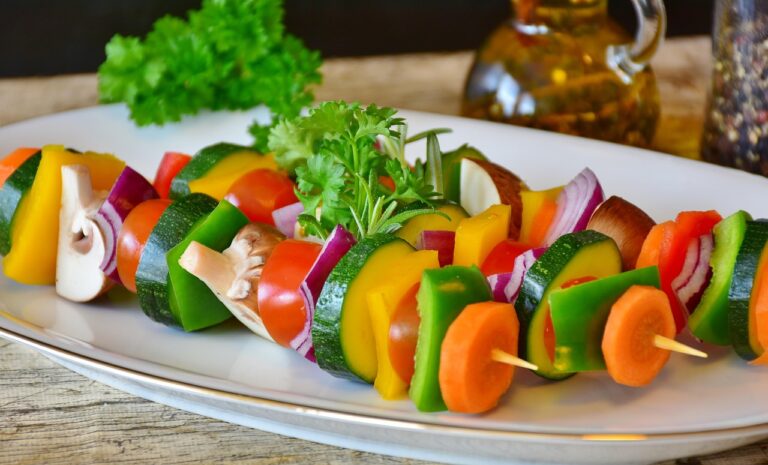
Looking for gut healthy dinners in 30 minutes or less? These 7 one-pot recipes are packed with prebiotic fiber from beans, legumes, and vegetables to support your digestive health — with simple tips to add probiotics too.
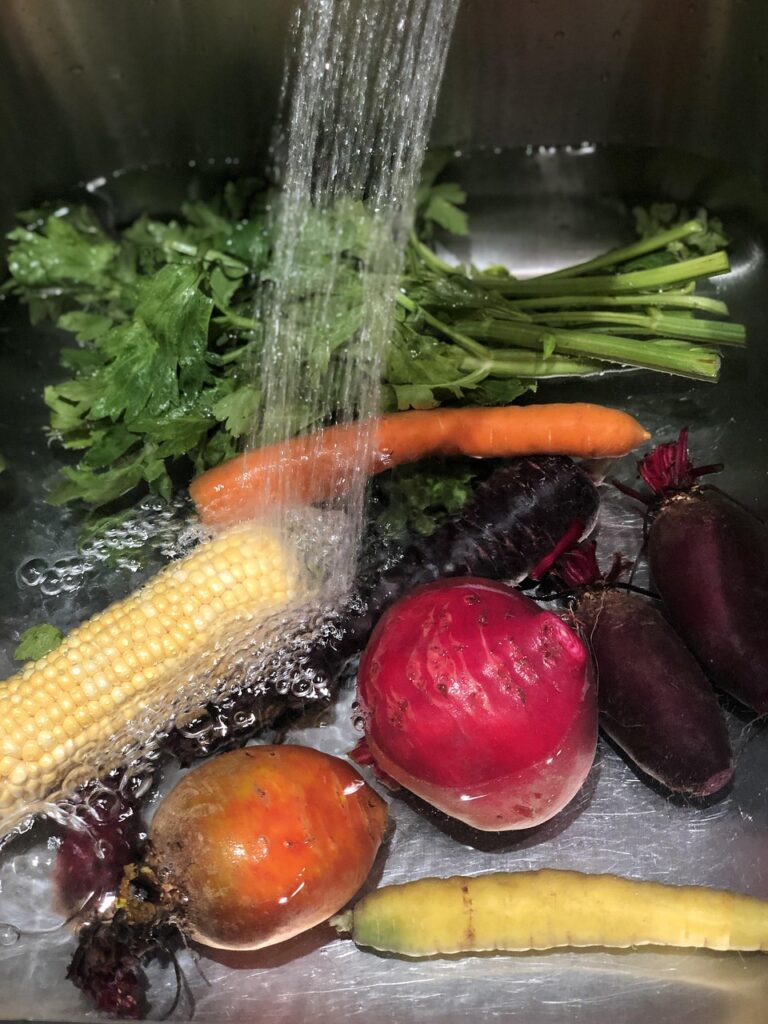
Learn about the cyclospora outbreak spreading across 17 states with over 1,250 cases. Know the symptoms, how to protect yourself, and when to see a doctor.
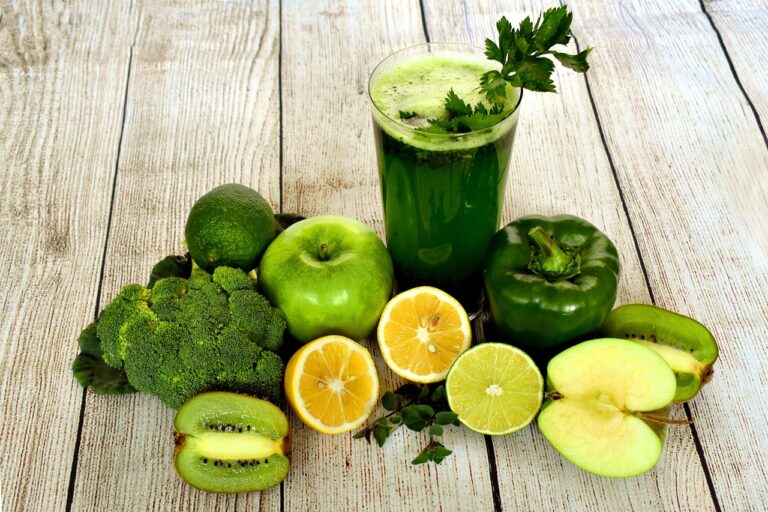
Looking for healthy natural drinks packed with antioxidants and gut-friendly probiotics? Discover 6 gluten-free, dairy-free, sugar-free options you can make at home.
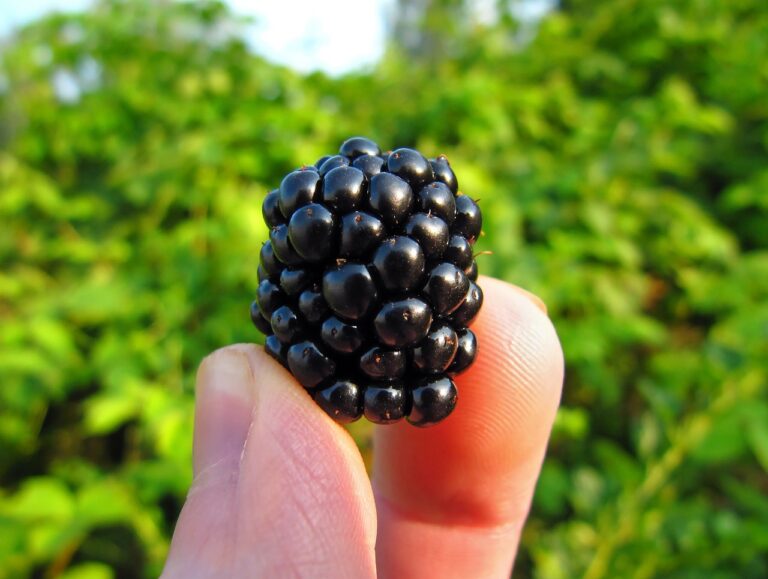
Looking for high fiber foods this summer? Berries, beans, chia seeds, cherries, and barley make it easy to close the fiber gap without complicated recipes. Start adding them today!

Can your morning coffee protect your liver? Dietitians explain the science behind how two to three unsweetened cups daily support liver health through antioxidants, anti-inflammatory effects, and better gut health.
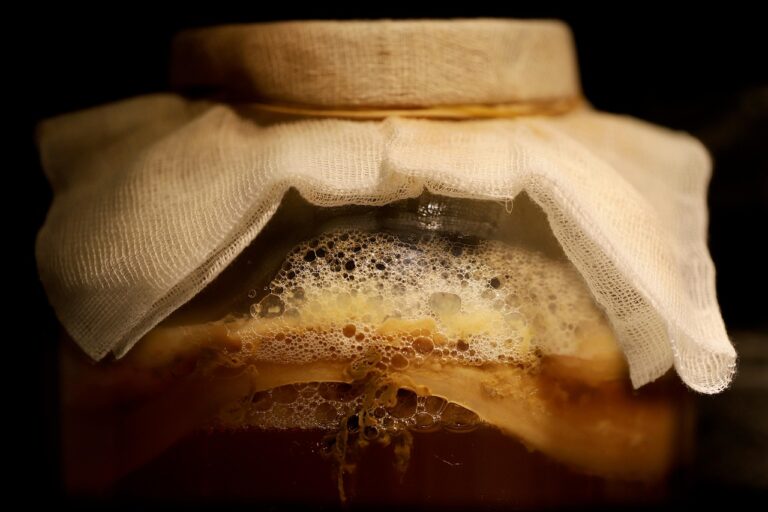
New research reveals the best tea for kombucha depends on your health goals. Black tea for antioxidants, green for catechins. Science-backed tips for brewing and buying.

New vitamin D research reveals surprising findings about optimal blood levels, the magnesium connection, and who should test. Here’s what changed this year.
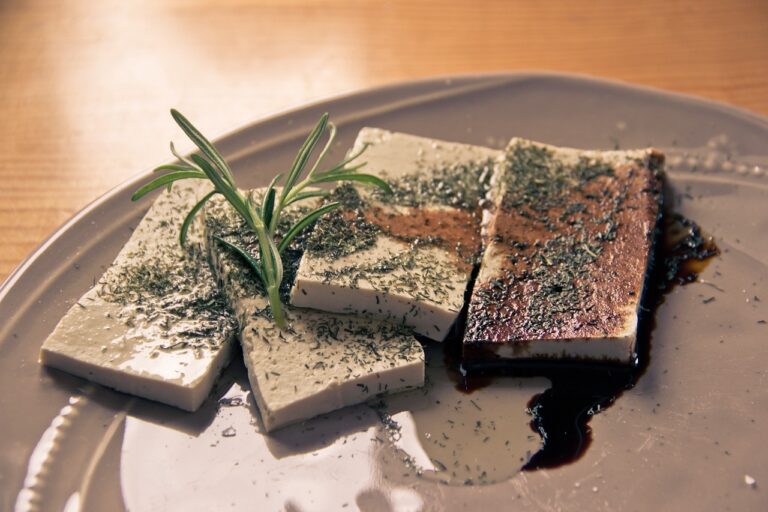
Many plant-based burgers, yogurts, and deli slices aren’t as healthy as they seem. Learn which plant-based food additives are safe, which to avoid, and how to spot ultra-processed imposters with the 3-ingredient rule.