

High Protein Breakfast: 20-30g in 3 Steps, No Powder
A high protein breakfast with 20-30 grams of protein boosts fullness, steadies energy and cuts cravings. Here’s how to build one in three steps with real food — no protein powder needed.
How to manage blood sugar through nutrition, lifestyle, and evidence-based strategies.
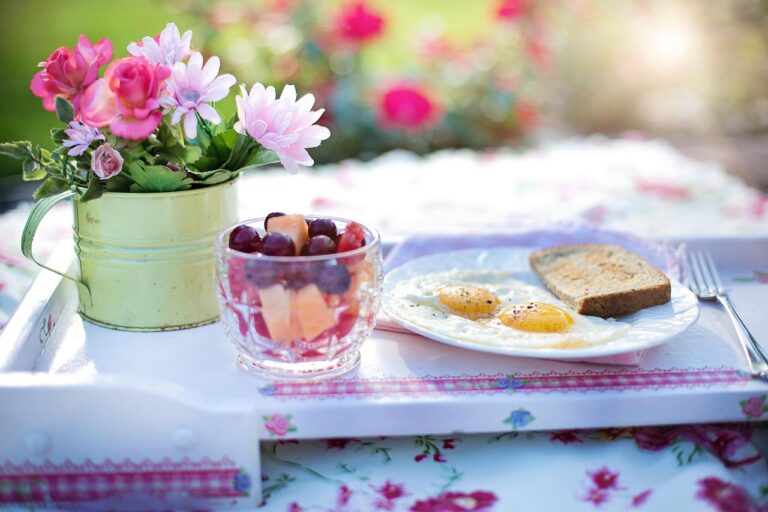
A high protein breakfast with 20-30 grams of protein boosts fullness, steadies energy and cuts cravings. Here’s how to build one in three steps with real food — no protein powder needed.
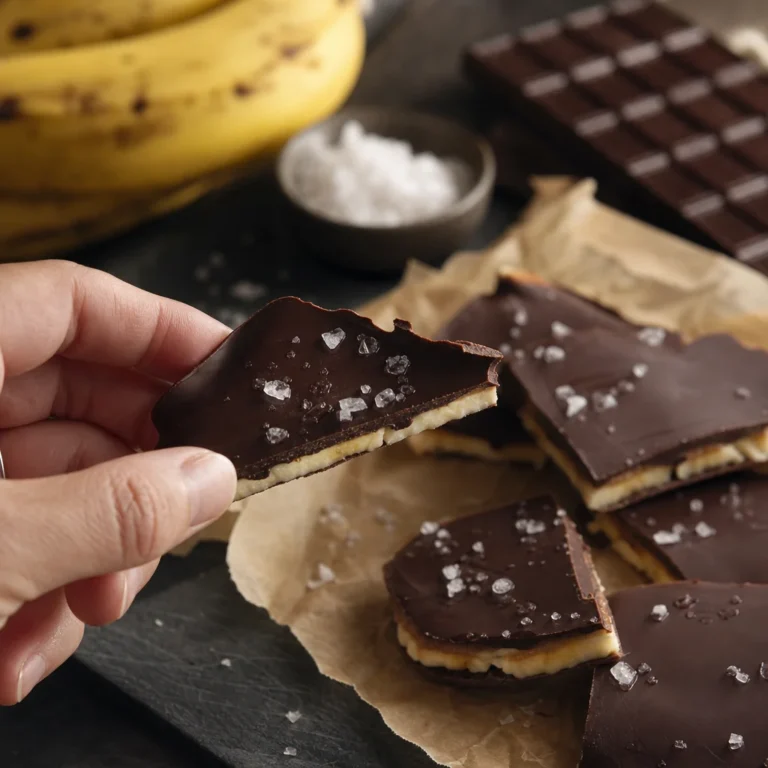
Craving chocolate? This 3-ingredient single-serve banana bark tames it without the sugar crash. Just ripe banana, 70% dark chocolate, and flaky sea salt — 5 minutes of prep, 1 hour in the freezer, one perfectly portioned piece.
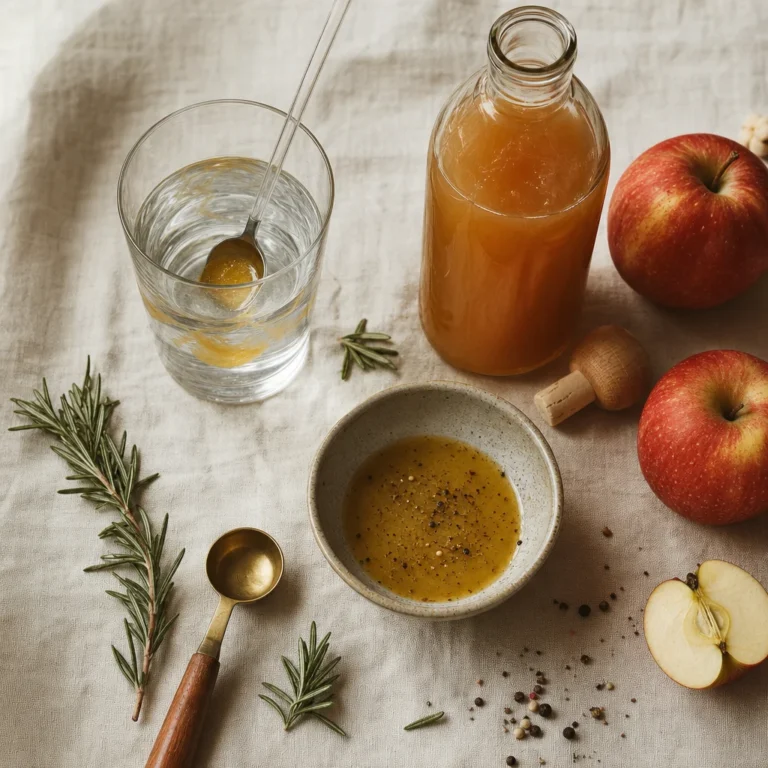
Apple cider vinegar benefits, fact-checked: what’s real (blood sugar), what’s a lie (weight loss), plus safe daily-use tips. Curious what science says?
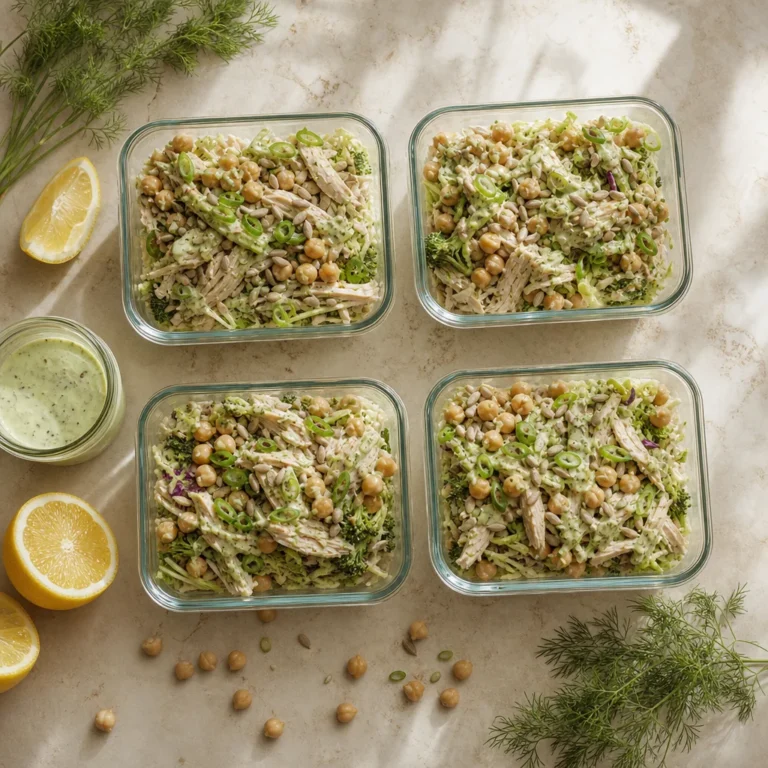
Build the no-cook chicken chickpea salad formula — lean protein, fiber-rich chickpeas, and crunchy veggies — with protein math, sodium-smart swaps, and USDA-safe storage tips.
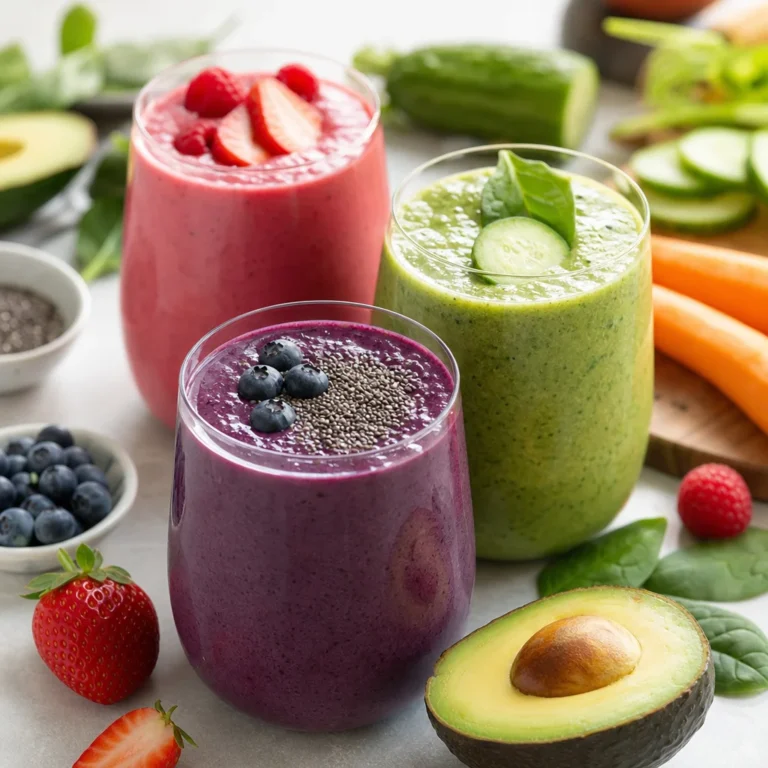
Blood sugar friendly smoothies follow one simple rule: balance fruit with fiber, protein, and healthy fat. Learn the formula, build your own blend, and start your day with steady energy.
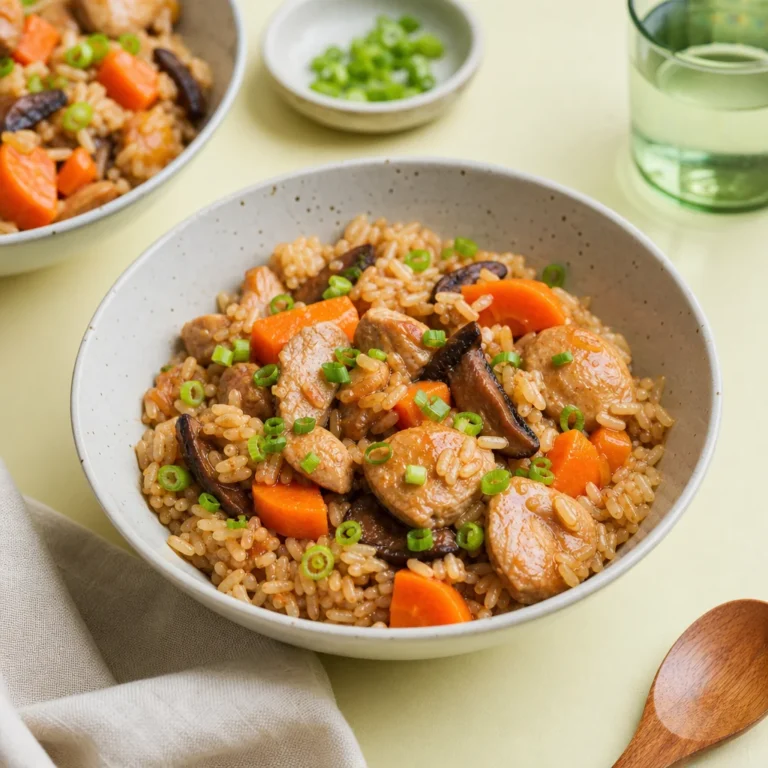
Healthy rice cooker meals go beyond plain rice: build one-pot plates with whole grains, lean protein, and steamed veggies, plus safe delay-timer breakfasts.
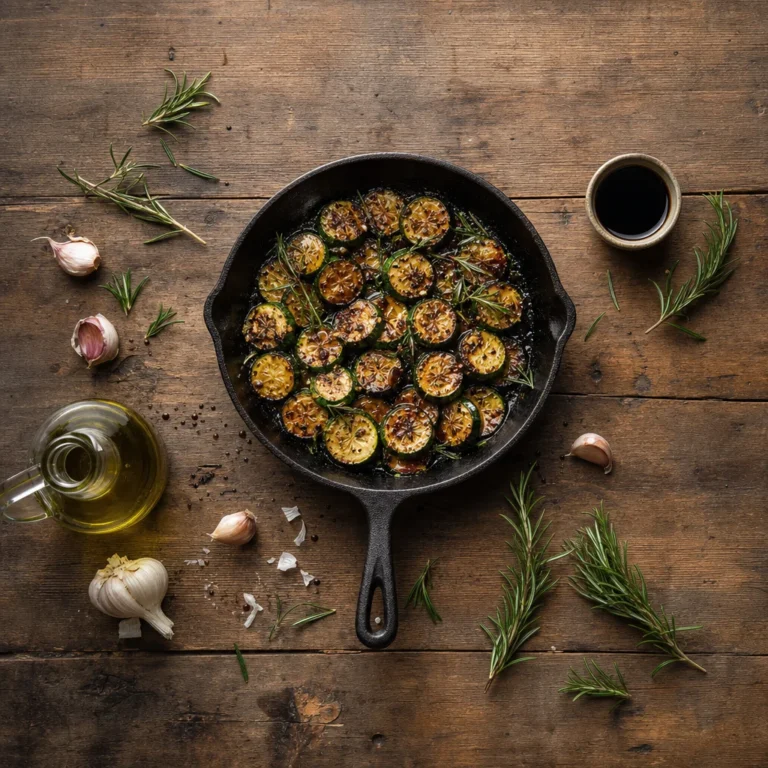
Master the melting zucchini technique for diabetes friendly side dishes — browning plus balsamic and rosemary builds big flavor with zero added sugar.
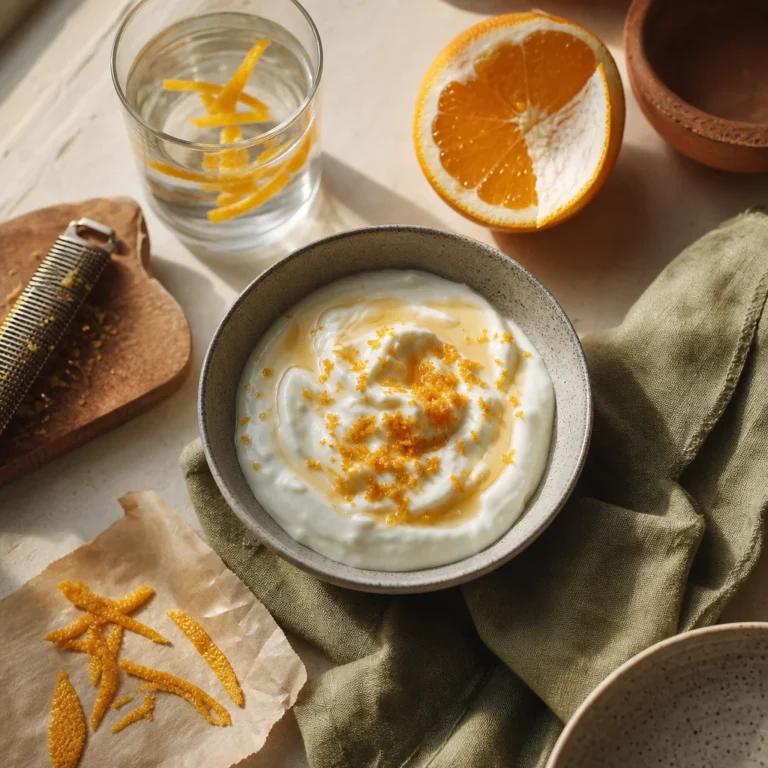
The pith and zest you toss hold vitamin C, fiber, and hesperidin. Here’s how to enjoy orange peel benefits safely, plus six easy everyday uses.
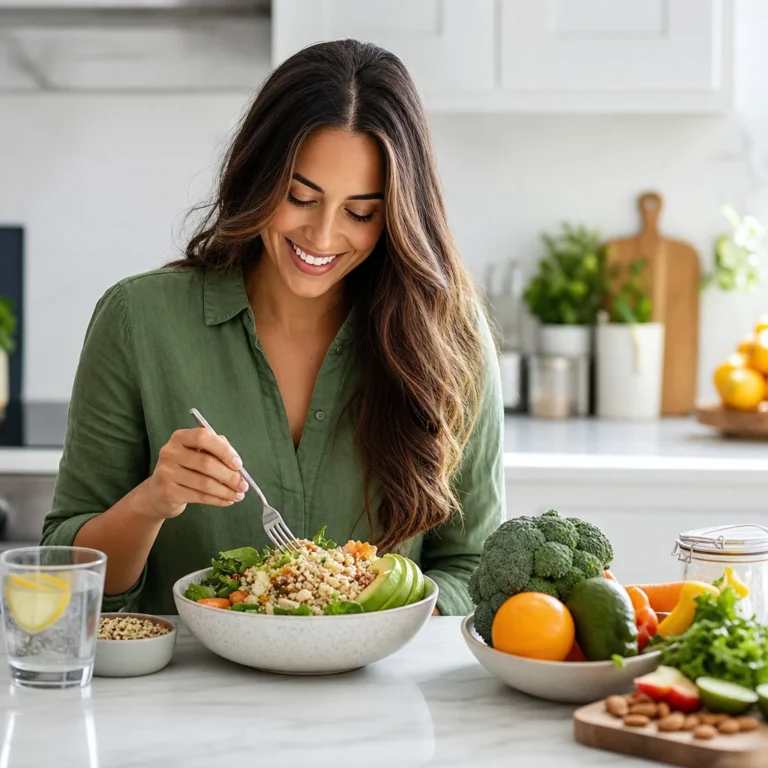
Most women eat only 15–17 grams of fiber a day — barely two-thirds of the 25-gram target. Here’s why fiber is the one nutrient to track and how to reach it without bloating.
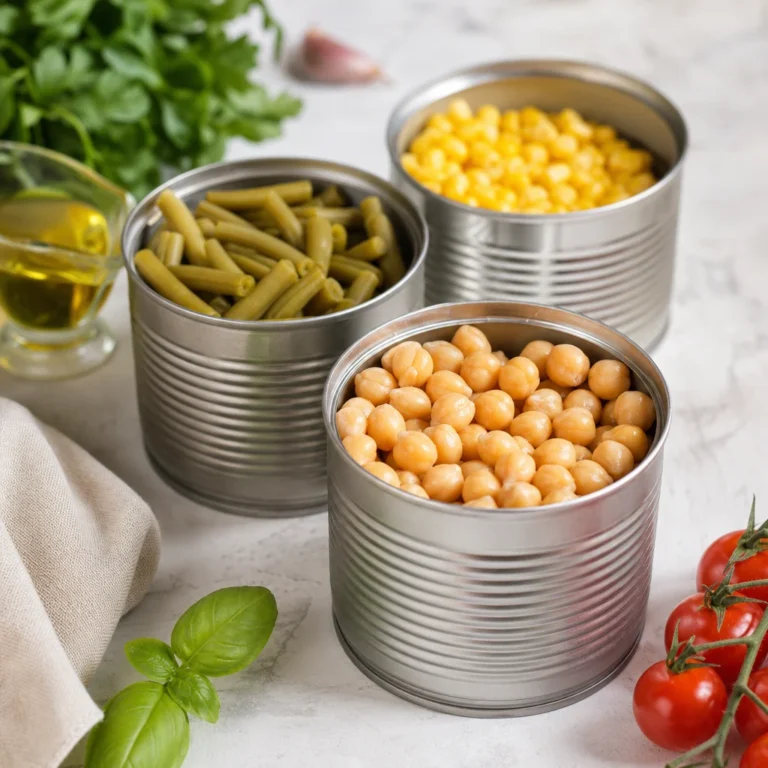
Canned foods can be just as nutritious as fresh — sometimes more so. Discover four dietitian-approved canned staples and how to choose them wisely.