
Nanoplastics in Water Make Bacteria Stronger — What to Do
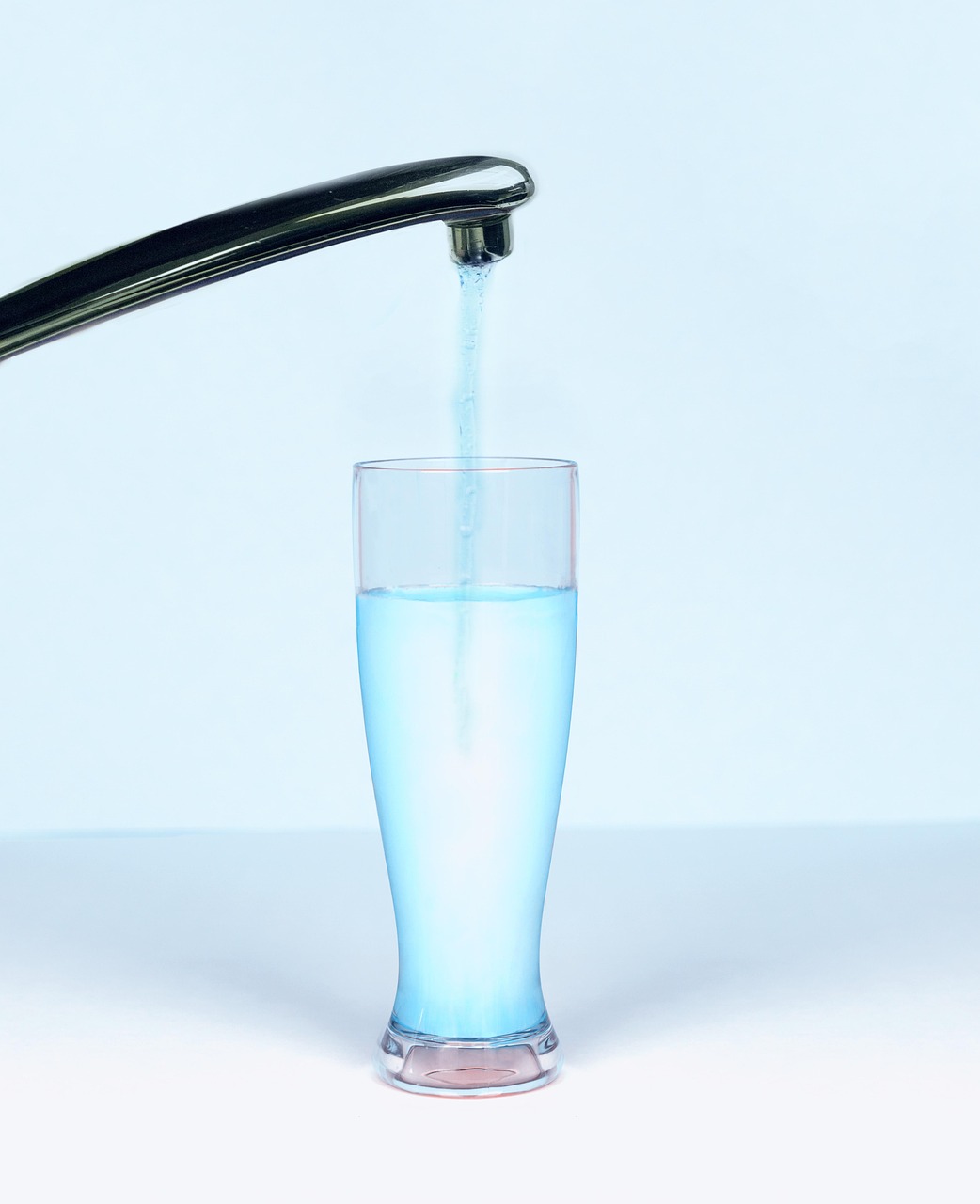
You turn on the tap, fill your glass, and don’t think twice. But what if the water coming out of your faucet contains tiny plastic particles that are actively helping dangerous bacteria survive? That’s the unsettling finding from new research out of Virginia Tech. The study, published in Water Research, reveals that nanoplastics in water aren’t just passive contaminants. They actually strengthen the slimy biofilms that harmful bacteria form, making those bacteria much harder to kill with standard disinfectants like chlorine. Here’s what this means for your tap water and what you can do about it.
Key Takeaways
- New research shows nanoplastics in water can strengthen bacterial biofilms by up to 57%, making them more resistant to chlorine.
- Three specific mechanisms are at work: bacteria communicate more, viral defenses activate, and biofilms get physically tougher.
- NSF/ANSI 401 certified filters, especially reverse osmosis, are your best bet for reducing nanoplastics at home.
- Bottled water contains far more nanoplastics than tap water — up to 240,000 particles per liter.
- A state-of-the-science review confirms current water treatment plants are not designed to remove these tiny particles.
What the New Research Found About Nanoplastics in Water
Let’s get straight to the science. The Virginia Tech research on nanoplastics and bacteria looked at what happens when you add tiny plastic particles — between 1 and 1,000 nanometers — to water containing E. coli and Pseudomonas aeruginosa. These are two types of bacteria that can cause serious infections.
Here’s the thing. The researchers found that nanoplastics trigger three specific responses in these bacteria. First, they ramp up quorum sensing — that’s how bacteria “talk” to each other to coordinate their defenses. Second, they activate prophages, which are viruses hiding inside the bacteria that end up releasing even more particles. Third, they boost the bacteria’s CRISPR antiviral defense system. Think of it as the bacteria getting a full security upgrade.
The result? Biofilms — those slimy communities bacteria form to protect themselves — became 1.46 to 1.57 times stronger mechanically. They also became significantly more resistant to chlorine disinfection. This isn’t a small effect. It’s a measurable, concerning change at plastic concentrations that are actually found in the environment (100 to 1,000 nanograms per liter).
How Nanoplastics Make Bacteria Stronger
1. Quorum Sensing: Bacteria communicate more, coordinating to build thicker biofilms. This process increased 2.24 to 5.13 times in the study.
2. Prophage Activation: Viruses inside bacteria get triggered, causing some bacterial cells to burst and release more particles that strengthen the biofilm.
3. CRISPR Defense: The bacteria’s own immune system gets activated, helping them survive attacks from both viruses and disinfectants.
These three mechanisms work together to create biofilms that are tougher, stickier, and harder to kill.
How Much Plastic Is Actually in Your Water?
You might be wondering: is this really something I need to worry about? The numbers might surprise you. NIH research on nanoplastics in bottled water found that a single liter of bottled water contains roughly 240,000 plastic fragments. About 90% of those are nanoplastics — particles so small you can’t see them with a standard microscope.
Now, you might be thinking: “I drink tap water, not bottled water.” That’s a good start. Tap water generally contains fewer nanoplastics than bottled water. But here’s the catch. A comprehensive state-of-the-science review on nanoplastics in water found that current drinking water treatment plants are simply not designed to remove these tiny particles. Removal rates vary wildly — from as low as 12.7% to over 99% — depending on the treatment method. And for nanoplastics specifically, the data is even more limited.
What I find interesting is that the plastics come from multiple sources. Some come from the original water source. Others leach from the pipes and storage tanks the water travels through. And if you’re drinking bottled water, the plastic bottle itself adds to the load.
Can Your Home Water Filter Remove Nanoplastics?
This is the question I hear most often. And the answer is: it depends on the filter. Let’s break it down.
The gold standard for microplastic removal is NSF/ANSI 401 certification. This certification verifies that a filter reduces microplastics (particles 0.5 to 1 micrometer) by at least 85%. But here’s the thing — nanoplastics are smaller than that. They’re under 1 micrometer, and many are under 0.1 micrometers. So a filter certified for microplastics may or may not catch the smaller nanoplastics that affect bacteria.
Based on the available testing data, here’s what works best:
Water Filter Options Ranked by Nanoplastic Removal
Best: Reverse Osmosis (RO) Systems
These remove 99%+ of contaminants, including nanoplastics. Look for systems with glass or stainless steel storage tanks to avoid recontamination. The AquaTru Carafe is a top-rated countertop option.
Better: NSF/ANSI 401 Certified Gravity Filters
Brands like British Berkefeld use ceramic and carbon filtration. They’re slower but effective for microplastics. Effectiveness for smaller nanoplastics is less certain.
Good: NSF 401 Certified Pitcher Filters
The Brita Elite is currently the only pitcher filter with microplastics certification. It’s a good starting point but less effective than RO.
Not Recommended: Basic carbon filters or fridge filters
These are not designed to remove nanoplastics and may not catch particles small enough to matter.
How Worried Should You Be?
Let’s be honest. The science on direct health effects from ingesting nanoplastics is still evolving. NIH research notes that the potential health effects of nanoplastics are still unproven and unknown in real-world conditions. Lab studies show cellular effects — oxidative stress, inflammation — but we don’t yet know what that means for human health over a lifetime.
But here’s what’s different about this new research. The risk isn’t just about what nanoplastics do inside your body. It’s about what they do in your water system. They’re making the bacteria that cause illness harder to kill. That’s an indirect but very real public health concern.
On the flip side, this doesn’t mean you should panic. It means you should take practical steps. The same actions that reduce your nanoplastic exposure also help protect against the bacterial resistance problem.
Your Practical Action Plan
Here’s what you can do starting today. It doesn’t have to be complicated or expensive.
Step-by-Step Home Water Safety Plan
Step 1: Switch to filtered tap water. Stop buying bottled water. It contains far more nanoplastics than tap water, and the plastic bottle adds to the problem.
Step 2: Choose the right filter. If you can, invest in a reverse osmosis system with a glass or stainless steel tank. The AquaTru Carafe is a solid countertop option. If that’s not in your budget, get a Brita Elite pitcher — it’s the only pitcher with NSF 401 certification for microplastics.
Step 3: Store water in glass or stainless steel. Plastic containers can leach nanoplastics back into your water, especially if exposed to heat or sunlight.
Step 4: Reduce plastic in your kitchen. Switch to glass food storage containers, use stainless steel or cast iron cookware, and avoid plastic cutting boards. Every bit helps reduce the overall plastic load in your home.
Frequently Asked Questions
Can nanoplastics in water make me sick directly?
The direct health effects of ingesting nanoplastics are still being studied. Lab research shows they can cause cellular stress and inflammation, but we don’t yet have clear evidence of harm in humans at real-world exposure levels. The bigger concern from the new research is indirect: nanoplastics help harmful bacteria survive disinfection, which could increase infection risks.
Is tap water safer than bottled water for nanoplastics?
Yes. Tap water generally contains fewer nanoplastics than bottled water. The best option is filtered tap water stored in glass or stainless steel. Bottled water in plastic bottles is the worst option, with up to 240,000 plastic fragments per liter.
Do all water filters remove nanoplastics?
No. Basic carbon filters and fridge filters are not designed to remove nanoplastics. Look for NSF/ANSI 401 certification for microplastic removal. Reverse osmosis systems are the most effective, removing 99%+ of contaminants including nanoplastics.
The Bottom Line
Here’s what I want you to take away from all of this. Nanoplastics in water are not just a passive pollution problem. New research shows they actively help dangerous bacteria survive by strengthening the biofilms those bacteria form. This is a real concern, but it’s also something you can address with practical steps.
Start with filtered tap water stored in glass. Choose a reverse osmosis system if you can, or an NSF 401 certified pitcher if you can’t. And reduce plastic in your kitchen overall. These steps won’t solve the global plastic problem overnight, but they will make a real difference in what comes out of your tap.
The science is still evolving, but one thing is clear: the tiny plastics we can’t see are doing more than we ever realized. It’s time to take them seriously.