Healthy Lunch Ideas That Go Beyond Salad
Key Takeaways
- Healthy lunch ideas don’t have to mean sad desk salads — satisfying alternatives exist for every prep style.
- A balanced lunch plate needs protein, fiber, and healthy fat to keep you full until dinner.
- No-cook options, meal-prep bowls, and warm comfort lunches each solve different midday problems.
- The most time-saving lunches often cost less than takeout — especially when you batch ingredients.
- Variety is the secret to staying consistent with healthy eating habits long term.
You know the feeling. It’s 11:45 a.m. You open the fridge and see the same salad ingredients staring back at you. Again. You think about ordering something — but you want to eat well, save money, and actually enjoy your lunch. This is exactly why healthy lunch ideas that break the salad routine matter. Here’s the thing: a satisfying midday meal can be quick, simple, and genuinely exciting. Let’s explore some proven options that work for real weekdays.
I’ve organized these ideas by how much time and effort you want to put in. Some take five minutes. Others need a little weekend prep. All of them deliver the protein, fiber, and healthy fat your body needs to avoid that 3 p.m. slump. Ready to reset your lunch routine? Let’s dive in.
Why Healthy Lunch Ideas Matter More Than You Think
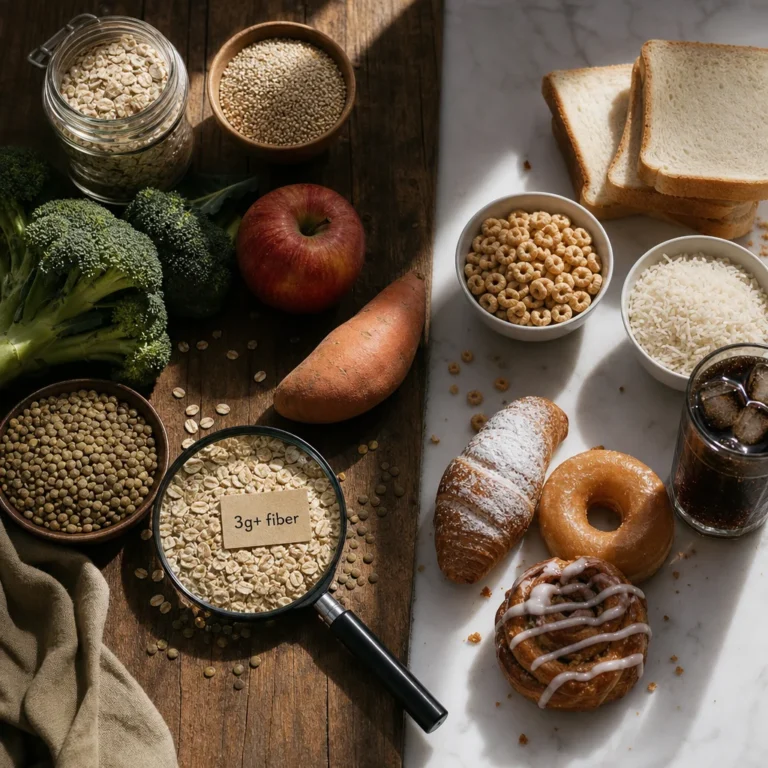
Here’s a truth worth sitting with: what you eat at lunch shapes your entire afternoon. A meal that’s mostly carbs — think a plain sandwich on white bread or a sad bowl of instant noodles — can spike your blood sugar and leave you crashing by 2 p.m. On the flip side, a balanced lunch with protein, fiber, and healthy fat keeps your energy steady and your hunger in check.
Research backs this up. Studies show balanced meals help with sustained energy, better focus, and fewer cravings later in the day. That’s why investing in healthy lunch ideas is not about being perfect. It’s about making your afternoon easier. And honestly? It’s more fun to eat something you actually look forward to.
Now, you might be thinking: “But I don’t have time to cook lunch.” I hear you. The good news is that many of these ideas take 10 minutes or less. Some require no cooking at all. Let’s break them down by style so you can pick what fits your day.
No-Cook Healthy Lunch Ideas for Busy Days
These are your emergency lunches. No stove. No microwave. Just assembly. Perfect for days when your energy is low but your hunger is high.
Wraps are the unsung heroes of easy lunches. A whole-wheat tortilla with hummus, sliced cucumber, shredded carrots, and leftover chicken or canned chickpeas comes together in under five minutes. Add a squeeze of lemon and some fresh dill if you have it. This combo gives you protein from the legumes or chicken, fiber from the veggies, and healthy fat from the hummus. It’s one of those healthy lunch ideas that checks every box without turning on the stove.
Stuffed avocado is another winner. Cut an avocado in half, remove the pit, and fill the center with chickpea salad made from canned chickpeas, a spoonful of Greek yogurt, diced cucumber, and a pinch of salt and pepper. You get creamy texture from the avocado, protein and fiber from the chickpeas, and a full meal in about eight minutes. It’s satisfying enough that you won’t miss bread.
Quick No-Cook Lunch Formula
Protein source (canned beans, tuna, shredded rotisserie chicken, hard-boiled eggs) + Crunchy veggies (cucumber, bell peppers, carrots, lettuce) + Healthy fat (avocado, hummus, nuts, olive oil) + Flavor boost (lemon juice, herbs, mustard, hot sauce) = A satisfying lunch in 10 minutes flat.
Lettuce wraps are perfect for when you want something light. Large romaine or butter lettuce leaves hold a filling of chickpeas, roasted red peppers, and a drizzle of tahini dressing. The key is to add a small scoop of cooked quinoa or rice underneath the filling — this keeps the wrap from getting soggy if you prep it ahead. These are also naturally gluten-free and incredibly portable.
Meal-Prep Bowls for Easy Midday Eating
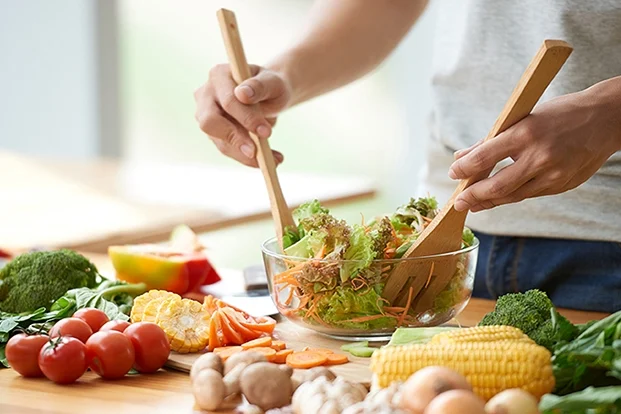
Here’s the strategy that saves me every week. On Sunday, I cook a big batch of grains, roast some vegetables, and prep a protein. Then all week, I assemble bowls in about three minutes. This approach turns healthy lunch ideas from a daily struggle into a simple routine.
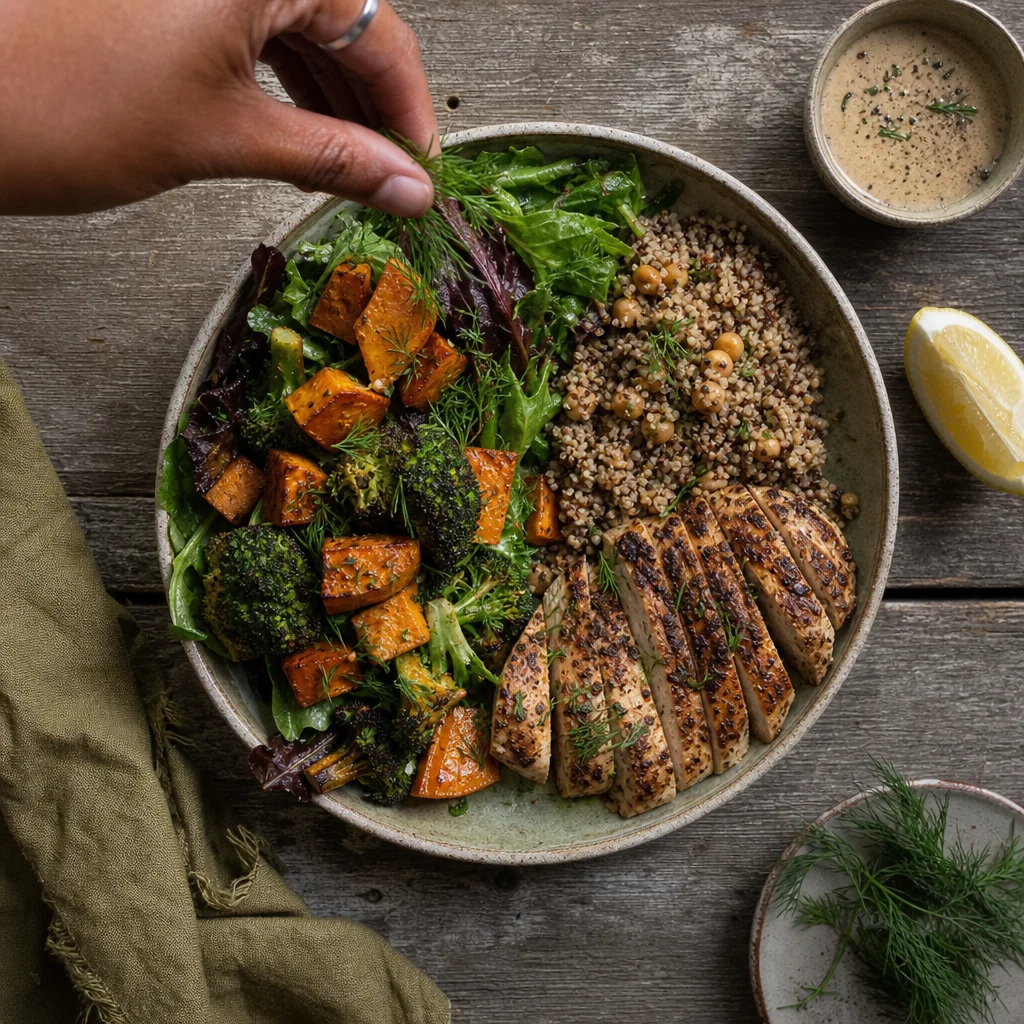
Grain bowls are endlessly adaptable. Start with a base of quinoa, brown rice, or farro. Add roasted vegetables like broccoli, sweet potato, or bell peppers. Top with a protein — canned chickpeas, grilled chicken, or edamame work well. Drizzle with a simple dressing made from olive oil, lemon juice, and a pinch of salt. You can prep four servings at once and grab one each morning. For more no sugar lunch ideas for weight loss, many follow the same prep-ahead approach.
Soup with beans and greens is another meal-prep superstar. Canned tomato soup gets an upgrade when you stir in a handful of chopped kale and a can of drained white beans. Simmer for five minutes, and you have a fiber-rich lunch that costs about $2 per serving. Look for low-sodium soup options to keep it heart-healthy. This is comfort food that actually nourishes you.
Tabbouleh-style bowls are a fresh alternative. Layer mixed greens with pre-made falafel (check the freezer section of your grocery store), prepared tabbouleh, and a dollop of tzatziki. The high fiber from the falafel and bulgur keeps you full for hours. This bowl takes two minutes to assemble if you have the components ready. It’s one of those healthy lunch ideas that feels special but requires almost no effort.
Warm Comfort Lunches That Go Beyond Soup
Sometimes you need a warm meal. Not everything has to be cold or room temperature. Here are three satisfying warm options that still fit a busy schedule.
A better tuna melt is faster than you think. Mix canned tuna with Greek yogurt instead of mayo, add diced celery and roasted red peppers, and spoon it onto whole-grain bread. Instead of butter, brush the outside of the bread with a thin layer of mayo (yes, really — it creates a golden crust). Toast it in a skillet for three minutes per side. You get a crispy, warm sandwich with less saturated fat than the classic version.
Ramen gets a nutritious upgrade. Start with instant ramen but use only half the seasoning packet to cut sodium. Add a handful of frozen broccoli during the last two minutes of cooking. Top with a soft-boiled egg — cook it for exactly six and a half minutes for a jammy center. A drizzle of toasted sesame oil and a sprinkle of sesame seeds turn this into a lunch that feels like a treat. This is proof that healthy lunch ideas can include foods you already love.
Loaded black bean soup is almost cheating. Heat a can of black bean soup and top it with shredded cheese, diced avocado, fresh tomatoes, and a sprinkle of smoked paprika. You get a nacho-inspired lunch that’s ready in less than 10 minutes. Look for soup with no more than 450 mg of sodium per serving, or dilute it with a little water to bring the salt down.
How to Build a Balanced Lunch Plate Every Time
You don’t need a nutrition degree to pack a satisfying lunch. Here’s a simple framework I use: half your plate with vegetables or salad greens, one-quarter with protein, and one-quarter with complex carbs. Add a thumb-sized portion of healthy fat, and you’re done.
Protein is non-negotiable. It keeps you full and supports steady energy. Good options include canned beans, lentils, hard-boiled eggs, tuna, grilled chicken, edamame, or Greek yogurt. Aim for about 20 grams of protein at lunch — that’s roughly three-quarters of a cup of chickpeas or a 3-ounce portion of chicken.
Fiber comes from vegetables and whole grains. It slows digestion and feeds your gut microbiome. Think leafy greens, roasted vegetables, quinoa, brown rice, or whole-grain bread. The more colors on your plate, the wider the range of nutrients you get.
Healthy fat helps you absorb vitamins. Avocado, olive oil, nuts, seeds, and hummus all count. A quarter of an avocado or a tablespoon of olive oil is plenty to round out your meal.
Smart Tips to Save Time and Money on Lunch Prep
Let’s be real for a second. The biggest barrier to eating well at lunch is time — or the feeling that you don’t have any. Here’s what actually works.
Batch cook one ingredient at a time. Cook a full bag of quinoa or a tray of roasted vegetables on Sunday. They keep in the fridge for four to five days and transform into different lunches all week. One batch of grains + one batch of roasted veggies + one protein source = five different bowl combinations.
Keep a pantry of lunch staples. Canned beans, canned tuna, whole-grain crackers, nuts, seeds, and olive oil are always ready to go. When your fridge looks empty, your pantry still gives you a meal. This alone prevents more takeout orders than any fancy meal prep.
Scale recipes to four servings. Most recipes are written for one or two. Double or triple them. A single batch of chickpea salad makes four lunches. A big pot of soup makes six. The effort is almost the same — the payoff is four days of no-cook lunches.
Shop strategically. Pre-shredded coleslaw mix, bagged broccoli slaw, and pre-washed greens cost a little more but save serious time. A bag of shredded cabbage becomes the base for three different lunches: a wrap, a bowl, or a quick stir-fry. Frozen vegetables are just as nutritious as fresh and never go bad. Smart healthy grocery shopping strategies help you save even more — from choosing frozen over fresh to buying in bulk.
The Cost Comparison: Homemade vs. Takeout
A homemade grain bowl with chickpeas, roasted veggies, and tahini dressing costs roughly $2.50 to $3.50 per serving. A comparable takeout bowl runs $12 to $16. Over a five-day work week, that’s a savings of $47 to $62. Over a year? It adds up to more than $2,500. Cooking at home doesn’t just feed you better — it keeps more money in your pocket.
Frequently Asked Questions About Healthy Lunches
How many calories should lunch be?
It depends on your needs, but a general target is 400 to 600 calories. That gives you enough energy for the afternoon without feeling sluggish. Focus on nutrient density rather than a strict number.
Can I prep all my lunches on Sunday?
Absolutely. Most of the ideas here batch well. Grain bowls, soups, and chickpea salads keep for four to five days in the fridge. Add fresh toppings like avocado or greens on the day you eat them.
What if I don’t have a microwave at work?
No problem. Focus on no-cook options like wraps, stuffed avocado, lettuce wraps, or grain bowls that taste great at room temperature. Soups can go in a thermos to stay warm until lunch.
I get bored eating the same thing — what do I do?
That’s normal. The variety in this article — from wraps to bowls to soups — gives you at least a week’s worth of rotation. Swap one ingredient each time. If you used chicken last week, try chickpeas. If you had quinoa, try farro. Small changes keep things interesting.
The Bottom Line: Your Lunch Variety Reset
Here’s what I want you to take away from all this. Healthy lunch ideas don’t have to be complicated, expensive, or repetitive. The key is finding a few go-to options that work for your schedule and taste. Start with one no-cook recipe and one meal-prep recipe this week. See how it feels. You might be surprised at how much better your afternoons go when you’re not fighting a sugar crash or a grumbling stomach.
The best lunch is the one you actually eat and enjoy. So give yourself permission to step away from the salad bowl. Your taste buds — and your energy levels — will thank you.