

Cyclosporiasis Outbreak: 5 Foods to Avoid Right Now
Key Takeaways
- The cyclosporiasis outbreak has sickened over 6,000 people across 31+ states. The source isn’t known yet.
- A gastroenterologist is avoiding five raw produce items: bagged lettuce, parsley, cilantro, snow peas, and raspberries.
- Cooking produce to 158°F kills the parasite. Cooked or peeled fruits and veggies are safe.
- You can swap to peelable options like cucumbers, avocado, and oranges to keep your fiber intake up.
Are you worried about the cyclosporiasis outbreak? You’re not alone. Over 6,000 cases have been reported across more than 30 states, and health officials haven’t found the source yet. Here’s a practical guide on what to eat — and what to skip — during this outbreak, based on advice from a gastroenterologist.
Quick Answer: Should You Avoid Raw Produce?
Not all raw produce is risky. A gastroenterologist suggests skipping five items linked to past cyclosporiasis outbreaks. Cooked or peeled fruits and veggies are safe because heat above 158°F kills the parasite. Stick with peelable options like cucumbers, avocado, and oranges until the source is found.
What Is the Cyclosporiasis Outbreak?
The cyclosporiasis outbreak is caused by a tiny bug called Cyclospora cayetanensis. It lives on raw produce and causes watery diarrhea, nausea, stomach cramps, and fatigue. As of mid-July, more than 6,000 cases have been reported across at least 31 states. Michigan and New York are hit hard. The exact food source is still unknown, but past outbreaks have tied this parasite to raspberries, cilantro, basil, snow peas, and lettuce.
Because the source is a mystery, some experts are taking extra care. Dr. Rabia de Latour, a double board-certified gastroenterologist, shared on Instagram which raw produce she’s personally avoiding and what she eats instead. Her list is based on foods often linked to past cyclosporiasis outbreaks.
5 Foods to Avoid During the Cyclosporiasis Outbreak
Here are the five items Dr. de Latour recommends skipping — at least until the source of this cyclosporiasis outbreak is confirmed. All have been tied to past outbreaks, and their surfaces make cleaning hard.
1. Bagged Lettuce
Pre-washed, bagged salad greens are easy, but they’ve been linked to many Cyclospora outbreaks. Washing them again at home doesn’t fully remove the parasite. Dr. de Latour says she avoids bagged lettuce from stores and restaurants.
2. Parsley
Fresh parsley has a bumpy, leafy surface that can trap the parasite. It’s easy to miss, but Dr. de Latour puts it on her skip list.
3. Cilantro
Cilantro has been linked to past cyclosporiasis outbreaks. Its delicate leaves are tough to clean well, so Dr. de Latour is skipping it for now.
4. Snow Peas
Snow peas are often eaten raw in salads. Like other fresh, unpeeled produce, they’re hard to clean enough to remove the persistent parasite.
5. Raspberries
Raspberries have a bumpy surface that makes them very hard to wash. They’ve been tied to past outbreaks, so they’re on the avoid list during this cyclosporiasis outbreak.
Safe Swaps to Keep Your Fiber Intake Up
Dr. de Latour doesn’t want to lose fiber while avoiding those five foods. Instead, she picks produce that’s easy to peel or cook. On Instagram, she listed these safe swaps:
- Cucumbers
- Watermelon
- Cantaloupe
- Avocado
- Banana
- Oranges
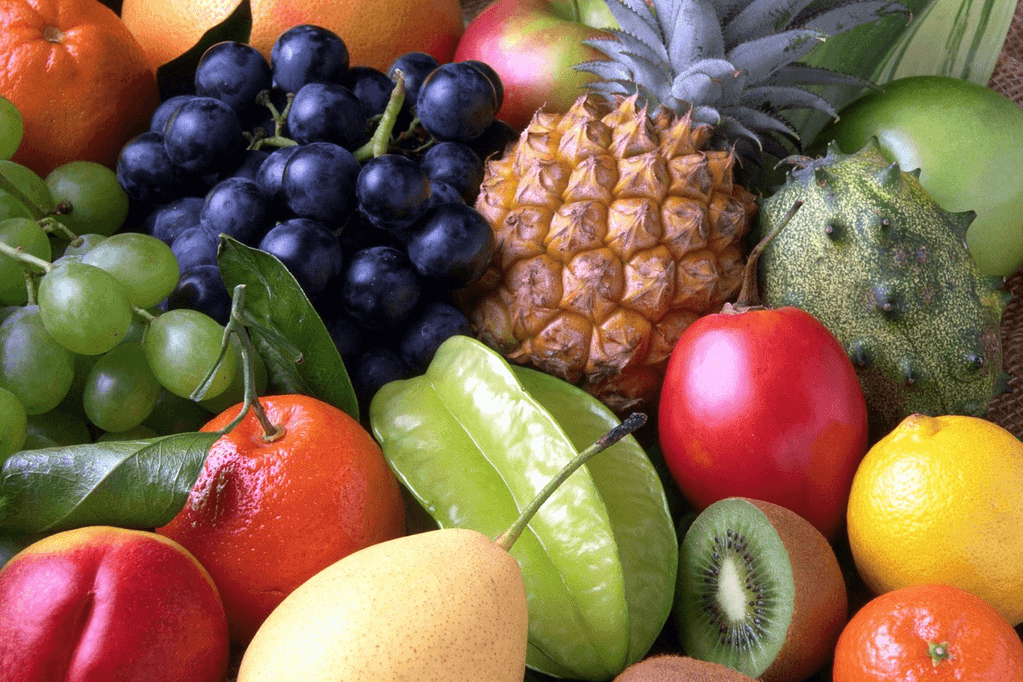
- Pineapple
- Kiwi
- Cooked and peeled potatoes, sweet potatoes, and yams
These foods have smooth skins that you can peel. Or they are cooked before eating. That removes any surface bugs. So you can still get your daily fiber without worry.
How to Protect Yourself: Cooking Temperature That Kills Cyclospora
Here’s the key point: cooking kills the parasite. Heat food to an internal temperature of 158°F to destroy Cyclospora. That means any thoroughly cooked fruits or vegetables — like sautéed greens or roasted root veggies — are safe to eat. A food thermometer is the best way to make sure you’ve hit that mark. For more kitchen safety tips during this outbreak, check out our guide on cyclosporiasis prevention.
So you don’t need to cut out produce entirely. Even if you’re extra careful, you can enjoy cooked versions of foods on the avoid list. For example, cooked spinach can replace bagged lettuce, and cooked peas are fine.
Frequently Asked Questions About the Cyclosporiasis Outbreak
What are the symptoms?
Symptoms include watery diarrhea, nausea, stomach cramps, and fatigue. They typically start within a week after eating contaminated food.
Can I wash the parasite off?
Washing helps but doesn’t fully remove the parasite. It can cling to tiny crevices. Cooking is the only sure way.
How long will this outbreak last?
Cyclospora outbreaks usually happen in warm months. Officials are investigating, but no end date is set. Until the source is found, taking precautions is smart.
The Bottom Line
The cyclosporiasis outbreak is concerning, but you don’t need to panic. By skipping five raw produce items — bagged lettuce, parsley, cilantro, snow peas, and raspberries — and choosing peelable or cooked foods instead, you can lower your risk and still eat well. Remember, cooking to 158°F kills the parasite. Stay informed and keep eating healthy.