

Cyclospora Outbreak 2026: Symptoms, Prevention, and Safety Tips
Key Takeaways
- Over 1,000 cases of cyclosporiasis have been reported across 28 states, with most concentrated in Michigan.
- The parasite Cyclospora cayetanensis causes prolonged watery diarrhea that can last weeks without treatment.
- Diagnosis requires a specific stool test; routine tests often miss it.
- Treatment is available with antibiotics, but the source of the outbreak is still unknown.
- Thoroughly wash all fresh produce, and cook it when possible, to reduce risk.
If you live in Michigan or one of the 28 other states under investigation, you may be hearing alarming news about a fast-growing cyclospora outbreak. Nearly 1,000 people in Michigan have been diagnosed with this parasitic infection, making it one of the largest such outbreaks in recent U.S. history. Here’s what you need to know to protect yourself and your family.
Quick Answer: What Is the Cyclospora Outbreak?
This cyclospora outbreak refers to a surge of infections caused by the microscopic parasite Cyclospora cayetanensis. As of July 9, 2026, the FDA reports over 1,000 cases concentrated in Michigan and spreading across 28 states. The contaminated food source hasn’t been identified yet, but investigations are ongoing. No deaths have been reported.
What to Know About the Cyclospora Outbreak
Cyclospora is not a bacteria or virus — it’s a single-celled parasite that infects the intestines. According to the CDC, it causes an illness called cyclosporiasis. The main symptom is watery diarrhea that can go on for weeks if untreated. You might also feel tired, lose your appetite, cramp up, or get bloated. Symptoms usually show up about a week after you eat or drink something contaminated.
Now, you might be thinking: “Is this just another stomach bug?” It’s easy to confuse cyclospora with norovirus or food poisoning. But here’s the thing: cyclospora diarrhea often lasts much longer — weeks, not days. And it tends to come back after you think it’s gone.
How Does Cyclospora Spread?
The parasite gets into your body through contaminated food or water. Past outbreaks have been linked to imported fresh produce — think raspberries, basil, cilantro, and snow peas. The tricky part? The FDA says the source of the current outbreak is still a mystery. That means no specific recall to watch for yet.
Good news: you can’t catch cyclospora directly from another person. It doesn’t spread through casual contact. You have to actually swallow the parasite — usually from food that wasn’t washed well or water that wasn’t treated.
Symptoms to Watch For
The most common sign is watery diarrhea that just doesn’t quit. Other symptoms include:
- Loss of appetite and weight loss
- Stomach cramps and bloating
- Increased gas
- Nausea
- Fatigue
Symptoms can appear 2 to 14 days after exposure, with most people getting sick around day 7. Some infected people have no symptoms at all.
How Is It Different from Other Stomach Bugs?
Unlike norovirus (which hits suddenly and resolves in days), cyclospora diarrhea is more persistent. It can last weeks and may come and go. If you’ve had watery diarrhea for more than a few days, it’s worth asking your doctor about cyclospora.
Prevention During the Cyclospora Outbreak
Until the source is found, your best bet is to treat all fresh produce with extra care. Here’s what the experts recommend:
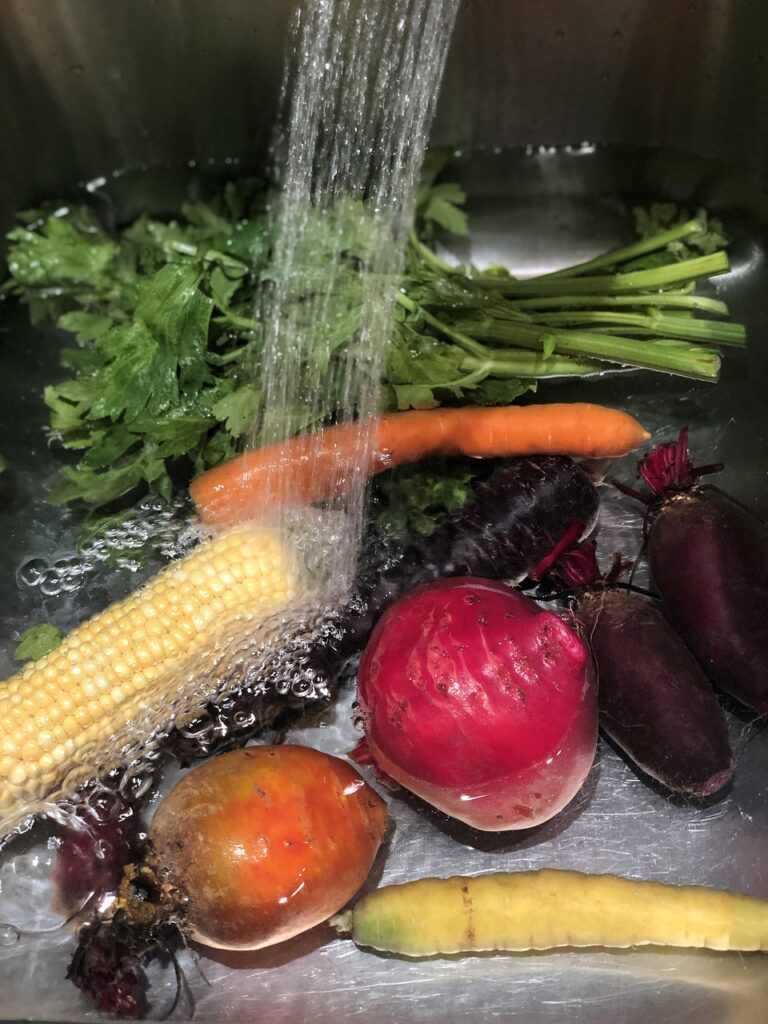
- Wash produce thoroughly under running water. Even if you plan to peel it, wash it first. Scrubbing firm fruits and veggies helps.
- Cook your produce when possible. Heating to at least 158°F (70°C) kills the parasite. Steamed broccoli or roasted veggies are safer than raw salads right now.
- Avoid untreated water. If you’re not sure about your water source, boil it or use bottled water for drinking and washing food.
- Practice good hand hygiene. Wash your hands with soap and water after handling raw produce and before eating.
I know thorough washing sounds simple, and it is. But research shows that cyclospora oocysts can be tough — they may survive regular rinsing. That’s why cooking is the most reliable way to protect yourself.
When to See a Doctor
If you develop watery diarrhea that lasts more than a few days — especially if you live in or have traveled to an affected state — call your healthcare provider. Mention that you’re concerned about cyclospora. Why? Because the standard stool test for “ova and parasites” often misses it. You need a specific test for Cyclospora.
Treatment is typically a course of the antibiotic trimethoprim-sulfamethoxazole (TMP-SMX). It works well and shortens the illness. If you have a sulfa allergy, let your doctor know — they may discuss alternative options.
The Bottom Line
This cyclospora outbreak is a real concern, especially for Michigan residents and anyone eating fresh produce from affected areas. But panic isn’t helpful. Knowledge is. Wash your produce well, cook what you can, and know the symptoms. If diarrhea persists for more than a few days, ask your doctor about cyclospora testing.
Stay informed by checking the FDA outbreak investigation page and your local health department for updates. The investigation is moving fast — with any luck, we’ll know the source soon.