

Why PMS After Birth Control Is So Bad (And What Helps)
PMS after birth control is common and usually temporary. Here’s why your symptoms surged after stopping the pill — and what actually helps, from cycle tracking to supplements.
Science-backed insights into how hormones, age, and metabolism impact female weight loss, featuring nutrition strategies for PCOS, menopause, and insulin resistance.
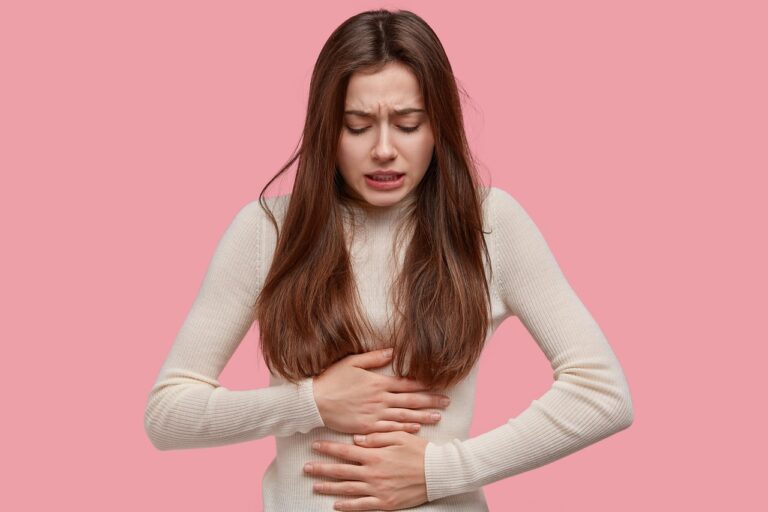
PMS after birth control is common and usually temporary. Here’s why your symptoms surged after stopping the pill — and what actually helps, from cycle tracking to supplements.
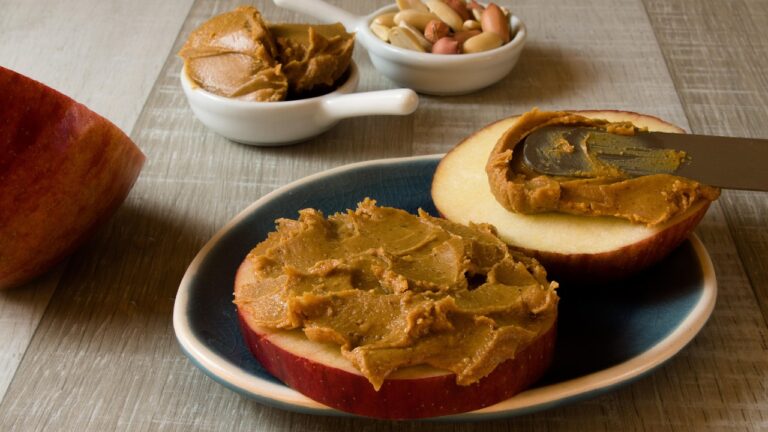
A 130g low carb PCOS plan isn’t extreme — fruit fits. Here’s the portion math, pairing strategies, and the evidence that PCOS and fruit aren’t in conflict.

PCOS vs prolactinoma look nearly identical, but one blood test tells them apart. Learn the red flags, the honest numbers, and 3 questions to ask your doctor.
Your GLP-1 choice may affect your heart as much as your weight loss. Here’s what the SELECT, SUMMIT, and LEADER trials reveal about GLP-1 heart health — and what to ask your doctor.

A 1,400-person study found yo-yo dieting quietly costs muscle even when the scale stays the same. Here’s how to break the cycle for good.

Just diagnosed with PCOS? Get a clear, evidence-based 30-day roadmap covering supplements like myo-inositol, diet changes, and finding the right doctor. Your guide starts here.

Body weight exercises can help reduce visceral fat after 50 without a gym. Discover 5 science-backed moves and a 4-week plan to start losing belly fat today.
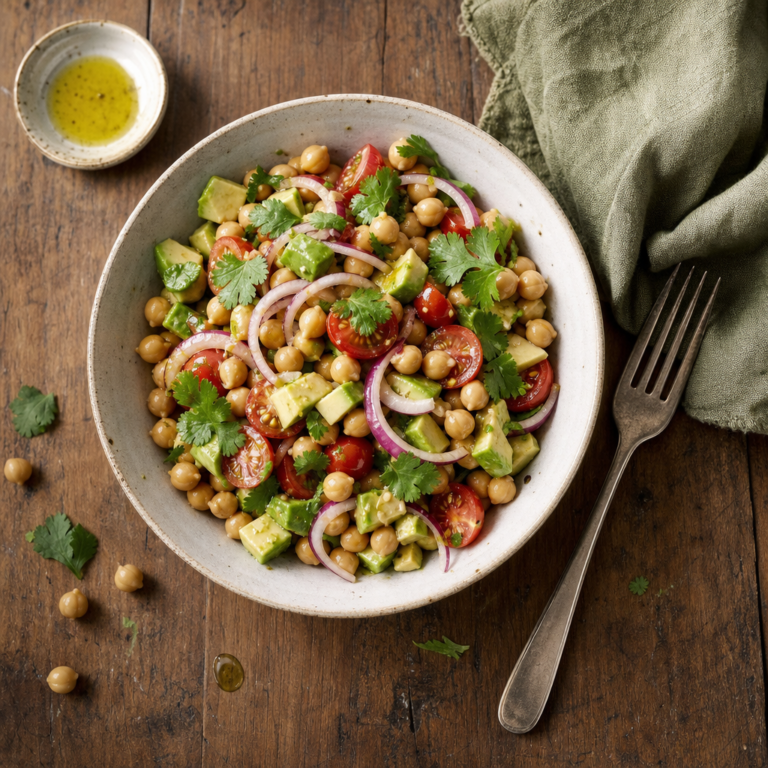
A dietitian-approved lunch that helps reduce visceral fat through three science-backed mechanisms: fiber for satiety and blood sugar balance, antioxidants to break the inflammation cycle, and healthy unsaturated fats for better body composition.
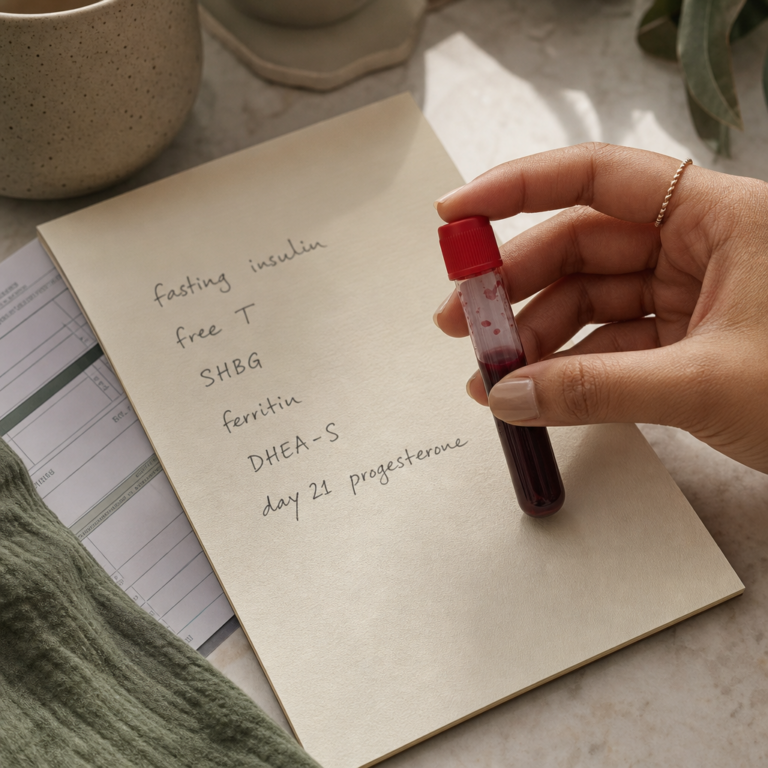
Your PCOS labs came back normal but symptoms persist? Discover which PCOS lab tests to request next — fasting insulin, free testosterone, SHBG, and more — with a complete doctor-ready checklist and cycle timing guide.
Struggling with PCOS belly? Learn why it looks different from regular belly fat, why one month isn’t enough to see change, and what science says really works to reduce it.