Bacon Recall July 2026: Check Your Fridge Now
Key Takeaways
- Over 12,000 pounds of Canadian-imported bacon recalled in Idaho, Oregon, and Washington.
- Affected brands: Royale Natural and Top Valu – both 12-ounce vacuum packages with sell-by dates in September 2026.
- Reason: The bacon entered the U.S. without required import reinspection – a Class I (highest risk) recall.
- No illnesses reported yet, but do not eat the bacon. Throw it away or return it for a refund.
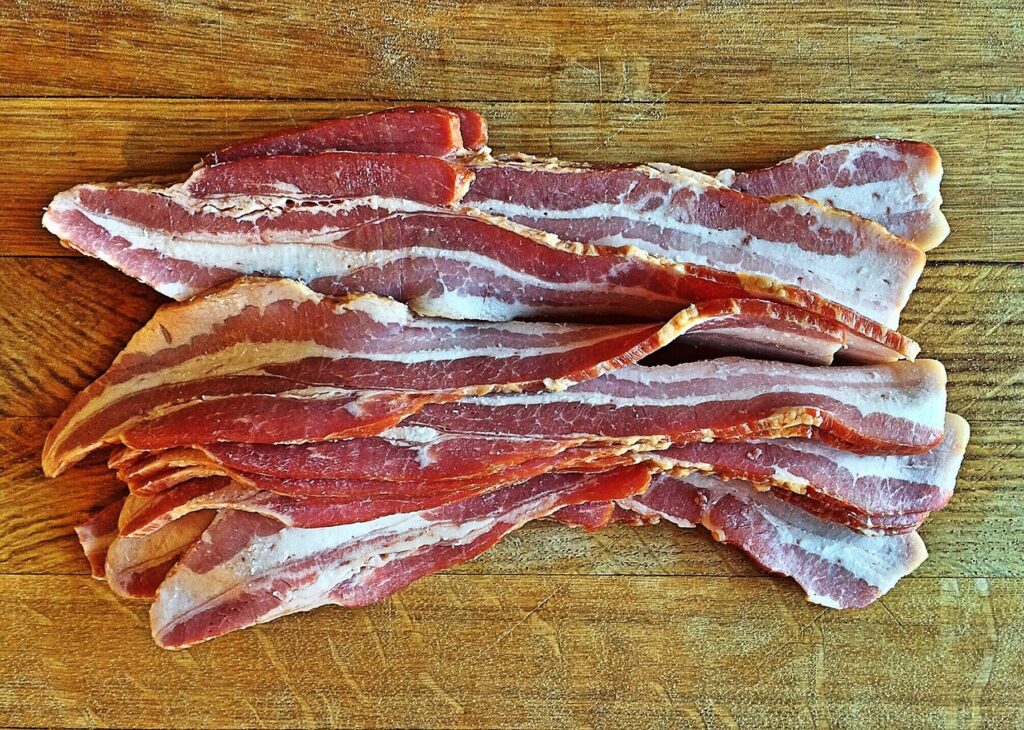
Got bacon in your fridge? You’ll want to check the label right now. On July 24, the U.S. Department of Agriculture’s Food Safety and Inspection Service (USDA FSIS) announced a bacon recall affecting over 12,000 pounds of not-ready-to-eat smoked bacon imported from Canada. The products skipped a critical safety check before hitting store shelves. Here’s what you need to know to protect your household.
What You Need to Know About This Bacon Recall
Maple Leaf Foods Inc. recalled approximately 12,036 pounds of not-ready-to-eat (NRTE) smoked bacon that was imported from Canada without undergoing the required import reinspection, according to the USDA’s official recall announcement. The bacon was produced on June 9, 10, 12, 13, and 15, 2026.
The affected products were distributed to Grocery Outlet stores and other retailers in three states: Idaho, Oregon, and Washington. If you live in the Pacific Northwest or recently shopped at Grocery Outlet, you’re most likely to be impacted.
How to Check If Your Bacon Is Part of the Recall
Look for these exact products in your refrigerator or freezer. They’re all 12-ounce vacuum packages with the Canadian establishment number EST. 1 on the side of the package. Master case boxes also carry health certificate 2026-S732971612.
Affected Products – Bacon Recall
Royale Natural Applewood Smoked All Natural Uncured Bacon (Product of Canada)
Sell-by dates: SEP 01 2026 or SEP 07 2026
Top Valu Uncured Hardwood Smoked Bacon (Product of Canada)
Sell-by dates: SEP 01 2026, SEP 02 2026, SEP 04 2026, SEP 05 2026, or SEP 07 2026
Why This Recall Is Considered High Risk
The USDA has classified this as a Class I recall – the highest severity level. According to the USDA recall classification system, a Class I means there is a reasonable probability that using the product could cause serious health consequences or death. That sounds scary – and it is serious – but here’s the context: no illnesses have been reported so far.
The high-risk label comes from the fact that the bacon bypassed import reinspection. That process – explained in detail on the USDA’s import reinspection page – involves checking foreign shipments for proper documentation, labeling, and general condition. Inspectors also test samples for contaminants, pathogens, and drug residues. When that step is skipped, there’s no guarantee the product meets U.S. safety standards.
What to Do If You Have Recalled Bacon
The FSIS is concerned that some product may still be in consumers’ refrigerators or freezers. Here are your steps:
- Do not eat the bacon. Even if it looks and smells fine, the lack of inspection means its safety can’t be verified.
- Throw it away or return it to the place of purchase for a full refund. You do not need a receipt.
- Already ate some? Don’t panic. No illnesses have been reported with this recall. But if you develop symptoms like nausea, vomiting, or diarrhea, contact your healthcare provider and mention the recalled bacon.
- Clean your fridge or freezer thoroughly if the recalled bacon leaked or came into contact with other foods.
For questions about this recall, you can contact Adam Emery at Maple Leaf Foods at 416-518-5131 or [email protected]. For general food safety questions, call the USDA Meat and Poultry Hotline at 1-888-MPHotline (1-888-674-6854) or email [email protected].
Frequently Asked Questions
Q: Is this recall connected to the recent egg recall or cyclospora outbreak?
A: Not directly. But the timing is notable. This bacon recall comes alongside a massive egg recall (over 19 million eggs) for possible salmonella risk, a record-breaking cyclospora outbreak tied to shredded lettuce, and a blueberry recall affecting Publix shoppers. It’s a good moment to double-check your fridge for any recalled products.
Q: What does “not ready-to-eat” mean for cooking?
A: NRTE bacon still needs to be fully cooked before eating. However, because the product skipped inspection, there’s no guarantee it’s free from harmful bacteria even after cooking. For safety, do not consume it at all.
Q: How can I stay informed about future recalls?
A: Sign up for recall alerts from the USDA FSIS at their Recalls & Public Health Alerts page. You can also download the USDA FoodKeeper app or follow your state’s health department on social media.
The Bottom Line
This bacon recall is a serious but precautionary action. No one has gotten sick yet, and the quick response by FSIS and Maple Leaf Foods means the risk is contained. Still, if you bought Royale Natural or Top Valu bacon in Idaho, Oregon, or Washington, check your fridge now. Toss it or take it back – your health is worth the five-minute check.
Stay safe, and remember: when in doubt, throw it out.