

Easy Blood Sugar Dinners: A 6-Day Weekly Plan
Key Takeaways
- The formula works: Blood sugar dinners built on protein, fiber, and healthy fats keep your energy steady and curb cravings.
- Use the plate method: Fill half your plate with non-starchy vegetables, a quarter with lean protein, and a quarter with high-fiber carbs.
- Food order matters: Eating vegetables and protein first, then carbs, may help reduce blood sugar spikes.
- Don’t sleep on sleep: Poor sleep makes it harder for your body to manage blood sugar after meals.
- This is for everyone: You don’t need a diabetes diagnosis to benefit from blood sugar dinners. Steady energy feels good for all of us.
Dinner should leave you feeling satisfied, not sluggish. But if you’ve ever noticed that certain meals send your energy on a roller coaster — an afternoon crash, nighttime cravings, or waking up feeling groggy — you’re not alone. The food you eat in the evening directly affects your blood sugar levels, even if you don’t have diabetes. That’s where blood sugar dinners come in. These are meals designed to keep your glucose steady through the night and into the next morning. And no, they don’t require complicated recipes or bland food. Here’s everything you need to know, including a simple weekly plan you can start tonight.
Quick Answer: What Are Blood Sugar Dinners?
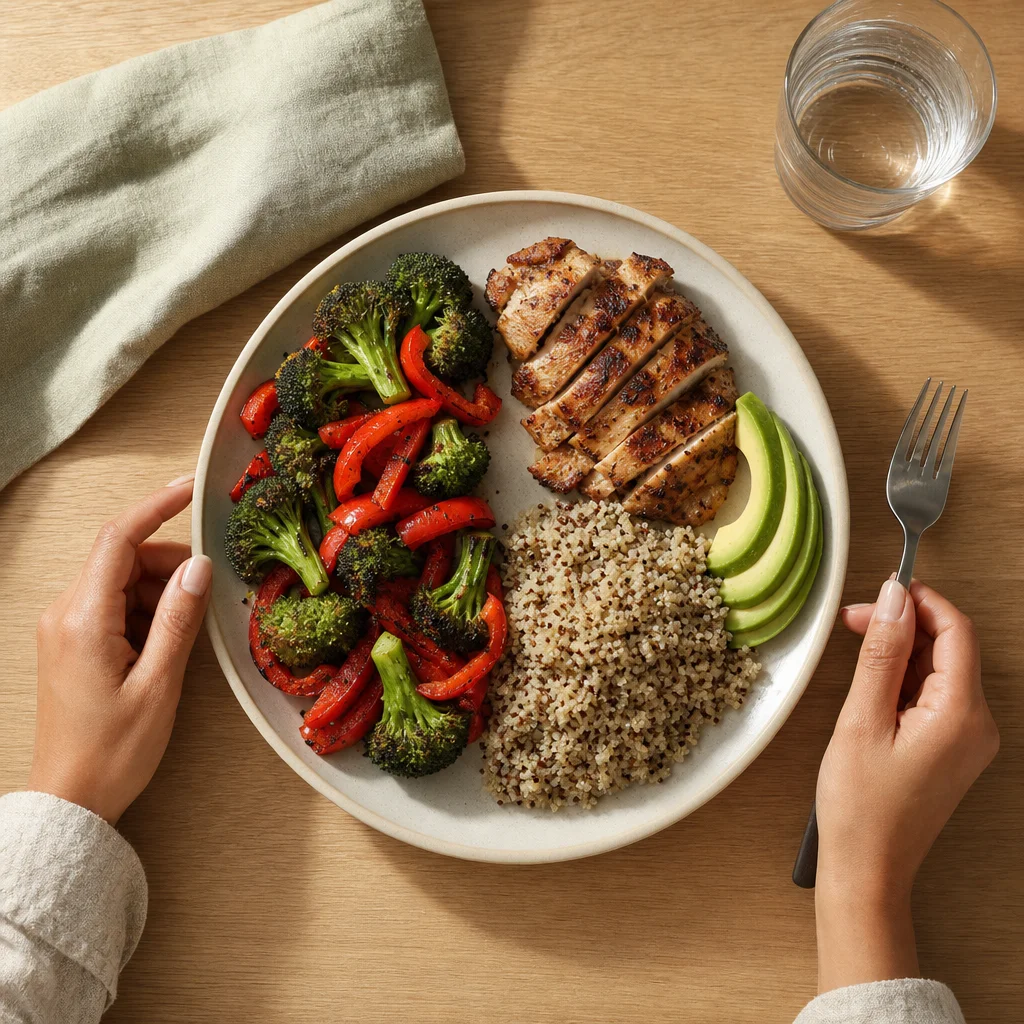
Blood sugar dinners are balanced meals that combine a lean protein, non-starchy vegetables, a moderate amount of high-fiber carbohydrates, and a source of healthy fat. This combination slows down how quickly carbs are digested, preventing sharp rises in blood sugar. The expert-recommended plate method makes it easy: fill half your plate with vegetables, a quarter with protein, and a quarter with carb-rich foods.
The Science Behind Blood Sugar Dinners
When you eat a meal, your body breaks down carbohydrates into glucose (sugar), which enters your bloodstream. Normally, the hormone insulin helps move that glucose into your cells for energy. But when a meal is high in refined carbs with little protein or fiber, glucose enters the bloodstream quickly, causing a sharp spike. The body then releases extra insulin to compensate, which can lead to a sugar crash a few hours later — leaving you tired, hungry, and craving more carbs.
Blood sugar dinners prevent this cycle by including three key components. Protein slows digestion and promotes fullness. Fat also delays stomach emptying. And fiber — especially from vegetables and whole grains — further tempers glucose absorption. The result: a gentle, steady rise in blood sugar instead of a spike-and-crash pattern.
A 2025 randomized trial found that balanced meals with moderate protein, fat, and carbs produced the most favorable post-meal metabolic profile — better than either very high-carb or very high-fat extremes. The National Institutes of Health and the American Diabetes Association both back this approach. The science is clear: the protein-plus-fiber-plus-fats formula is your best bet for steady energy. For a full week of balanced eating designed around this formula, check out our 7-Day Blood Sugar Meal Plan.
How to Build a Blood-Sugar-Friendly Plate
You don’t need to count grams or follow a strict diet. The CDC recommends a simple visual approach. Here’s how to build your plate for a blood-sugar-friendly dinner:
The TEOHL Plate Method
- ½ plate: Non-starchy vegetables (broccoli, spinach, bell peppers, zucchini, cauliflower, asparagus, leafy greens)
- ¼ plate: Lean protein (chicken breast, fish, tofu, eggs, beans, lentils, turkey, lean beef)
- ¼ plate: High-fiber carbohydrates (quinoa, brown rice, sweet potato, lentils, whole-wheat pasta, beans, oats)
- Plus: A serving of healthy fat (olive oil, avocado, nuts, seeds) — drizzled on veggies or used in cooking
Handy portion trick: Use your own hand as a guide. Your palm (without fingers) = protein portion. Your fist = veggie portion. A cupped hand = carb portion. Your thumb = fat portion. No measuring cups needed.
Simple Strategies for Blood Sugar Dinners
Beyond the plate itself, two smart strategies can make your dinners even more blood-sugar-friendly.
1. Try eating your food in order. A 2026 systematic review of six studies suggests that eating vegetables and protein before carbohydrates may help reduce post-meal blood sugar spikes. The evidence is promising, though researchers note the studies involved small groups of participants. Give it a try: start with your salad or roasted veggies, then your protein, then your grains. It’s an easy shift with no downsides.
2. Pair starches with protein and fat. Love pasta, rice, or potatoes? You don’t have to give them up. The key is to never eat them alone. Pair a serving of rice with chicken and broccoli. Add chickpeas to your pasta. Top your sweet potato with grilled salmon and avocado. The protein and fat act as buffers, slowing glucose release.
3. Be mindful of dinner timing. Eating too close to bedtime may interfere with overnight blood sugar regulation. Some research suggests that finishing meals a few hours before sleep supports better blood sugar control, though individual needs vary. A good rule of thumb: try to finish dinner at least two to three hours before you go to bed.
Your TEOHL 6-Day Blood Sugar Dinner Plan
Here’s a flexible weekly plan using the principles we’ve covered. Each dinner follows the protein + fiber + healthy fats formula. Mix and match based on what you have on hand. Making blood sugar dinners part of your routine is easier than you think.
Monday: Sheet Pan Chicken & Roasted Veggies
Toss chicken thighs (skin removed if you prefer) with broccoli, bell peppers, and red onion. Drizzle with olive oil, garlic, and rosemary. Roast at 400°F for 25 minutes. Serve with a side of quinoa. The leftovers make an easy lunch the next day.
Tuesday: Shrimp & Zucchini Noodles with Pesto
Spiralize two medium zucchinis (or buy pre-made zoodles). Sauté shrimp with garlic in olive oil for 3-4 minutes. Add zoodles and toss with basil pesto. Top with cherry tomatoes and a sprinkle of Parmesan. Fast, light, and satisfying.
Wednesday: Lentil & Vegetable Soup
Sauté onion, carrot, celery, and garlic in olive oil. Add 1 cup brown lentils, 4 cups low-sodium vegetable broth, a can of diced tomatoes, and a handful of spinach. Simmer 25 minutes. Season with cumin, paprika, and a squeeze of lemon. Lentils provide both protein and fiber — a double win for blood sugar.
Thursday: Grilled Salmon & Asparagus with Quinoa
Season salmon fillets with lemon, dill, and black pepper. Grill or pan-sear for 4 minutes per side. Roast asparagus with olive oil and garlic at 400°F for 12 minutes. Serve over cooked quinoa. Salmon’s omega-3s add an anti-inflammatory boost.
Friday: Veggie & Tofu Stir-Fry
Press and cube extra-firm tofu. Sauté in sesame oil until golden. Add broccoli, snap peas, bell peppers, and shredded carrots. Toss with a sauce made from low-sodium soy sauce, ginger, garlic, and a splash of rice vinegar. Serve with brown rice or cauliflower rice for a lower-carb option.
Saturday: Turkey & Black Bean Lettuce Wraps
Cook ground turkey with onion, garlic, cumin, and chili powder. Stir in a can of drained black beans. Serve in large butter lettuce cups with diced avocado, salsa, and a squeeze of lime. Skip the tortilla to boost veggies and cut refined carbs.
Pro tip for meal prep: On Sunday, wash and chop all your veggies, cook a batch of quinoa and brown rice, and portion out your proteins. That way, building these dinners takes 15 minutes or less on each weeknight.
Beyond the Plate: Lifestyle Factors That Impact Blood Sugar
Your dinner choices don’t exist in a vacuum. A few lifestyle habits can either support or undermine your evening blood sugar control.
Sleep quality. A large 2022 study in Diabetologia found that poor sleep efficiency was linked to higher blood sugar responses after meals. The effect held regardless of what people ate. Later bedtimes were also associated with higher blood sugar levels, though this varied somewhat by meal composition. Prioritizing 7-8 hours of quality sleep is one of the most effective lifestyle habits you can adopt for metabolic health.
Stress management. Chronic stress keeps cortisol levels elevated, which can raise blood sugar and promote cravings for high-carb foods. A five-minute breathing exercise before dinner or a short walk can help shift your nervous system into a calm, digest-friendly state.
Move after meals. The NIDDK recommends at least 150 minutes of moderate physical activity per week for overall metabolic health. Even taking a short walk after dinner can help support healthy blood sugar levels — gentle movement makes a difference.
Frequently Asked Questions
Can I eat pasta, rice, or potatoes? Yes — the key is to pair them with protein, fiber, and fat. Keep your starch serving to about a cup (or a cupped handful) and load up on veggies and protein. Try lentil pasta or chickpea pasta for extra fiber. For more smart food pairing ideas, explore our guide to blood sugar-friendly foods.
How late is too late for dinner? Aim to finish eating at least two to three hours before bed. Eating very late may affect both sleep quality and next-day blood sugar regulation, with some research linking later bedtimes to higher post-meal glucose responses.
What if I’m vegetarian or vegan? Easy — swap animal protein for beans, lentils, tofu, tempeh, edamame, or eggs. Make sure each meal has a solid protein source plus vegetables, and don’t skip the healthy fats.
Are there dinners to avoid? Highly processed meals with lots of added sugar and refined grains (white bread, sugary sauces, fried foods) tend to spike blood sugar. Also be mindful of oversized portions of starchy foods like white pasta or mashed potatoes without enough protein or vegetables.
The Bottom Line
Blood sugar dinners aren’t about deprivation or following a rigid plan. They’re about building meals that work with your body — steady energy, fewer cravings, better sleep, and a brighter morning. The formula is simple: protein + fiber + healthy fats, arranged on your plate using the half-veggie, quarter-protein, quarter-carb model.
Start where you are. Pick one dinner this week and swap a refined carb for a vegetable. Add a handful of spinach to your pasta sauce. Serve your grain alongside, not underneath, your protein. Small shifts, repeated consistently, add up to real change.
You don’t need a special diagnosis to deserve steady energy. You just need dinner to work for you — not against you.