

Period Bloating: Foods That Help, Matched to Your Symptoms
Key Takeaways
- Up to 73% of people who menstruate deal with bloating and other gut symptoms before their period. You are not alone in this.
- Bloating takes three main forms: puffiness, constipation pressure, and cramps-plus-bloating. Each responds to different foods.
- Bananas and other potassium-rich foods help puffiness. Oats and live-culture yogurt help constipation pressure. Salmon helps cramps.
- Simple meal combos — like banana-oat overnight oats — can tackle more than one cause at once.
- See a doctor if bloating lasts over a week, is very painful, or comes with fever, bleeding, or weight loss.
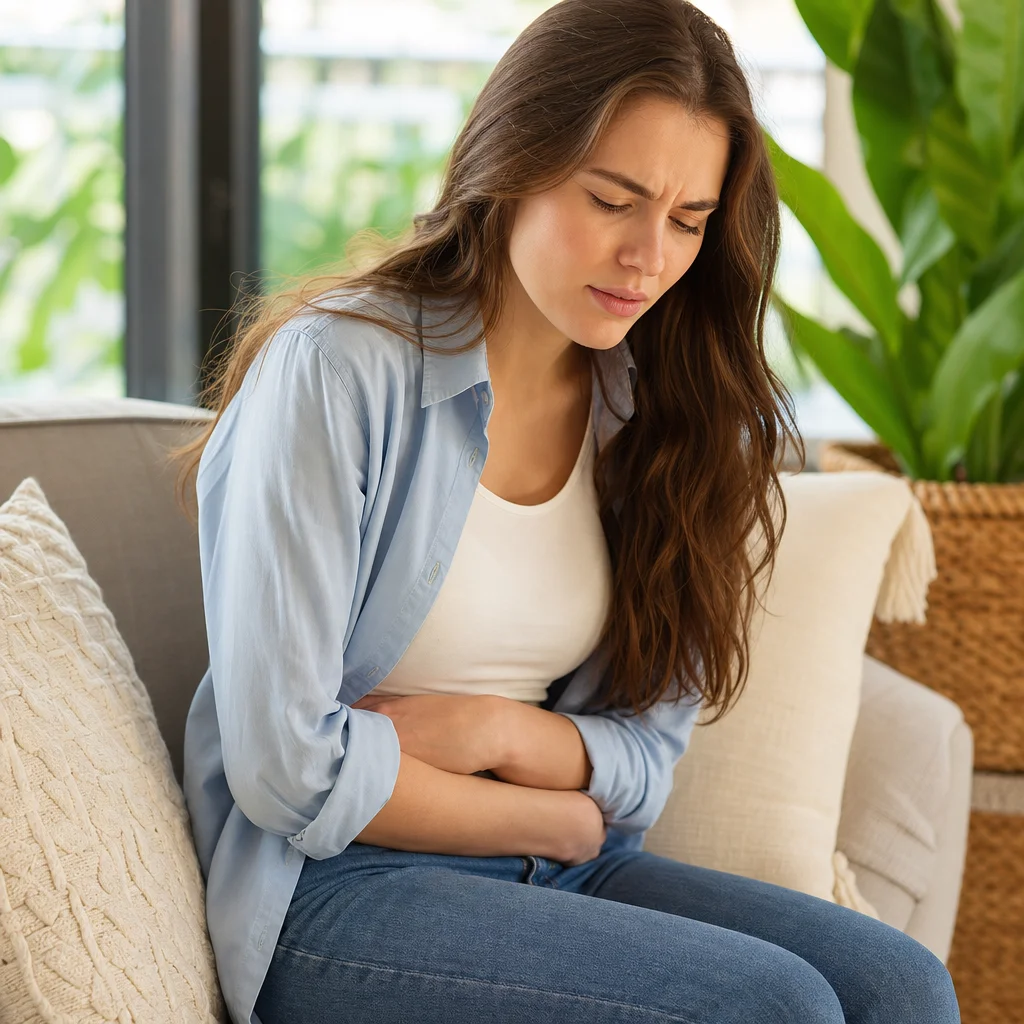
Let’s be honest — period bloating is one of the least fun parts of the month. You wake up with a tight stomach, snug jeans, and a scale that seems to have betrayed you. You didn’t change anything. Yet here you are.
Here’s the good news: you’re not alone. Over 90% of women report some premenstrual symptoms, according to the Office on Women’s Health. And bloating is among the most common. Here’s the thing I want you to remember — not all period bloating feels the same.
Yours might feel like puffiness, trapped gas, or pressure from constipation. Some women get bloating with cramps. Each type has a different cause. Each one responds to a different food.
This guide helps you figure out which type you have — and what to actually eat about it.
Quick Answer: What Helps Period Bloating?
Period bloating starts when hormone shifts make your body hold extra water and slow digestion. You can’t stop those shifts. But you can ease the symptoms. Choose potassium-rich foods for puffiness, soluble fiber and probiotics for pressure, and omega-3s for cramps. Add gentle movement and steady hydration, and watch your salt.
Why Period Bloating Happens
Bloating is a normal PMS symptom. The MedlinePlus overview of PMS lists it among the most common physical symptoms. It typically starts one to two days before your period, notes the Mayo Clinic. Some women notice it five or more days ahead. Either way, most women find that it peaks around day one and fades within a few days.
What’s happening behind the scenes? In the week before your period, estrogen and progesterone shift. Estrogen can make your body hold onto water and salt. Progesterone can slow your digestion. The result? Puffiness, constipation, or both.
Gut symptoms are far more common than most people think. A 2024 study in Hormones and Behavior followed more than 33,000 menstrual cycles. It found that up to 73% of people who menstruate have gut symptoms before their period. These include bloating, constipation, and nausea. Symptoms peaked in the week before bleeding.
The study also found a clear gut-mood connection. Mood symptoms and gut symptoms are closely linked. Stress, anxiety, and fatigue often accompany worse bloating. That connection matters, because it gives you more levers to pull.
Then there are prostaglandins — chemicals that help your uterus contract and shed its lining. They can also speed up your digestive tract. That’s why some women have loose stools on day one, right after a week of constipation. Your bowels shifting gears? Totally normal.
Which Type of Period Bloating Is Yours?
Here’s the part most articles skip. They tell you to eat less salt and drink more water. But they never ask what your bloating actually feels like. That’s a missed step, because period bloating comes in different forms. The right food depends on your form.
The 30-Second Self-Check
Type 1: The Puffiness. Your rings feel tight. Your face looks fuller. The scale jumped a pound or two. Your skin feels swollen all over. That’s water retention.
Type 2: The Pressure. Your belly feels full, hard, and heavy. You’re gassy. You haven’t had a bowel movement in a day or two. That’s constipation pressure.
Type 3: The Cramps-and-Bloat Combo. Your bloating shows up with cramping or lower back pain. You feel heavy and achy. That’s inflammation-related discomfort.
You can have more than one type. Many women do, so mix and match the foods below. Not sure which you are? Track your symptoms for two or three months. The Mayo Clinic recommends this to confirm your symptoms line up with your cycle.
Best Foods for the Bloat, Matched to Your Symptoms
Now for the practical part. These foods work best when you match them to your dominant symptom. Think of them as daily supports, not rescue cures. For more science-backed picks, see our guide to foods that reduce bloating fast.
Type 1 (Puffiness): Potassium-Rich Foods
Potassium helps your kidneys balance sodium. That balance affects how much water your body holds. Most of us could use more potassium-rich foods in our day.
Potassium Powerhouses (Rough Amounts per Serving, per USDA Data)
- Baked potato with skin (1 medium): about 925 mg
- Sweet potato (1 medium): about 540 mg
- Avocado (half): about 485 mg
- Banana (1 medium): about 420 mg
- Cooked spinach (1/2 cup): about 420 mg
- Beans or lentils (1/2 cup cooked): 350–400 mg
One or two of these per meal adds up quickly. You don’t have to cut salt completely. Just pair salty meals with potassium-rich foods. That balance is what helps.
Type 2 (Pressure): Soluble Fiber and Probiotics
Constipation makes bloating worse. Stool stays in the colon longer, which builds pressure and gas. Soluble fiber absorbs water and softens stool. A 2026 network meta-analysis in Food & Function found that viscous soluble fibers improved constipation with high certainty.
The studies used fiber supplements. But oats are a whole-food source of the same fiber.
Aim for about 25 grams of fiber a day — the general daily target for women. A half-cup of dry oats gives you about 4 grams. Increase fiber slowly, and drink water with it. Fiber without water can backfire.
Live-culture yogurt is another helper. The Cleveland Clinic lists probiotics among home options that may ease bloating. Look for the words “live and active cultures” on the label. Not every yogurt has them.
Yogurt also brings calcium. Some research suggests calcium may help with PMS symptoms overall. A 2025 review in Nutrition Reviews found it consistently improved the psychological symptoms of PMS. MedlinePlus lists calcium among supplements with some evidence for PMS. It’s not a bloating cure — the evidence is mixed. Still, it’s a solid food-first bonus.
If dairy makes you gassy, skip the yogurt. Trust your body. Fortified plant yogurts are a fine swap.
Type 3 (Cramps + Bloating): Omega-3s
Bloating with cramps often involves inflammatory-type discomfort. Omega-3 fatty acids may help calm it. A 2024 meta-analysis in Nutrition & Dietetics found that daily omega-3s (300 to 1,800 mg) reduced period pain. Most trials also cut the need for pain medication.
Food-first? Salmon delivers EPA and DHA — the two omega-3s studied in that research. Aim for fatty fish a couple of times a week. No salmon? Try sardines or mackerel. Plant sources like walnuts, chia, and ground flaxseed offer a different omega-3 form. The body converts only a small amount. Still worth including.
Dairy-Free and Plant-Based Swaps
- Choose a plant-based yogurt with live cultures if dairy bothers you.
- Get calcium from fortified plant milk, tofu, or leafy greens.
- Get potassium from sweet potatoes, beans, avocado, and bananas.
- Get omega-3s from chia seeds, walnuts, and flaxseed.
Simple Meal Combos to Eat in the Week Before Your Period
Here’s where it all comes together. These three meals stack the benefits. One plate can tackle two causes at once.
Breakfast: Banana-Oat Overnight Oats
Combine half a cup of oats, half a mashed banana, a spoonful of chia seeds, and your favorite milk. Let it sit overnight. By morning, you have potassium, soluble fiber, and plant omega-3s in one bowl. Add walnuts for crunch.
Snack: Greek Yogurt Parfait
Layer plain Greek yogurt with berries and a sprinkle of pumpkin seeds. Berries add fiber. Seeds add magnesium. Yogurt brings probiotics and calcium. This makes a great snack in the two weeks before your period.
Dinner: Salmon with Roasted Potato and Greens
Roast a salmon fillet with lemon, olive oil, and herbs. Serve it with a baked potato and sautéed spinach. You get omega-3s, potassium, and fiber on one plate. Dinner is done.
Everyday Habits That Support Bloating Relief
Food is only half the picture. These habits back up your food choices and make them work better.
Drink Water — But Keep It Simple
Water won’t erase bloating on its own. But it helps fiber do its job, and it supports kidney function. Sip steadily through the day — anti-bloating teas count, too. Skip the old eight-glasses rule. Drink when thirsty, and adjust for heat and activity.
Move Gently
Walking (comfortable shoes help — see our best walking shoes guide for women), stretching, or yoga can wake up a sluggish digestive tract. The American College of Obstetricians and Gynecologists lists regular exercise among lifestyle strategies for premenstrual symptoms. The Mayo Clinic adds that aerobic exercise and good sleep may ease PMS symptoms too. Even 20 gentle minutes of movement can help.
Watch Salt Without Obsessing
Sodium makes your body hold water. Health organizations suggest keeping it under about 2,300 mg a day. Most of that sodium comes from processed and restaurant food, not your saltshaker. So cook at home a little more this week — and taste before you salt.
Question the Caffeine Advice
You don’t have to give up coffee. Some experts warn that caffeine can dehydrate you, which might backfire. But for most women, a cup or two is fine. Notice how your body responds.
If coffee seems to worsen your bloating, switch to green tea for a few days. If not, enjoy it.
Tend to Your Mood
Remember the gut-mood link? Stress and gut symptoms often go hand in hand. Five minutes of slow breathing, a short walk, or naming what you feel can help. This isn’t toxic positivity — it’s giving your gut a calmer environment.
A Note on Supplements
You might see magnesium recommended for period bloating. The Mayo Clinic notes it may ease water retention. However, a 2025 review in Nutrition Reviews found insufficient evidence for magnesium on the psychological symptoms of PMS. Food sources like spinach, pumpkin seeds, and dark chocolate are a safe place to start. If you try a supplement, check with your doctor first.
One more caution: if you take a diuretic for bloating, avoid pairing it with ibuprofen or naproxen. The Mayo Clinic warns that this combination can harm your kidneys.
When Bloating Isn’t Just Bloating
Most period bloating is harmless. It starts before your period and fades within days. But sometimes, bloating points to something else. Here’s when to check in with a doctor.
See a Doctor If Your Bloating:
- Lasts more than a week or continues after your period ends
- Is very painful or getting worse
- Comes with fever, vomiting, bleeding, or weakness
- Comes with unexplained weight loss
- Regularly disrupts your daily life
The Cleveland Clinic advises medical evaluation for bloating that lasts over a week or arrives with these warning signs. Conditions like food intolerances, IBS, and endometriosis — a possibility to raise with a clinician — can hide behind what looks like period bloating.
Keep a symptom diary for two or three months if you suspect something more. Note when bloating happens, what you ate, and where you are in your cycle. That record is pure gold for your clinician.
How long does period bloating last?
It usually starts one to two days before your period and peaks around day one. Most women feel relief within a few days of bleeding, as hormone levels settle.
Does period bloating cause weight gain?
The scale may jump a pound or two. That’s water, not fat. Up to five pounds is still within the normal range for many women. It typically disappears a few days after your period ends.
Why am I constipated one month and have diarrhea the next?
Hormones explain this. Progesterone slows digestion, which causes constipation. Prostaglandins speed it up, which causes looser stools. Your monthly mix of these can shift. Both are normal.
Can bloating be a sign of pregnancy?
Early pregnancy and PMS share many symptoms, including bloating. Bloating alone is not a reliable sign. If your period is late and you feel bloated, a home pregnancy test is the simplest way to know.
The Bottom Line
Period bloating is common, temporary, and manageable. Start by noticing what your bloating feels like.
Puffy? Add potassium-rich foods. Full and backed up? Choose soluble fiber and live-culture yogurt. Crampy? Reach for salmon and other omega-3 sources.
Pair those foods with gentle movement and steady hydration. And add a little self-compassion.
If your bloating is severe, lasts beyond your period, or comes with warning signs, talk to your doctor. You deserve to feel comfortable in your body — every week of the month.