
6 Foods That Reduce Bloating Fast (Science-Backed Relief for Women)
Ever feel like your stomach is a balloon ready to pop after meals? You’re not imagining it. Bloating affects up to 31% of adults regularly, leaving you uncomfortable, self-conscious, and searching for fast relief. The good news? Certain foods that reduce bloating fast can flatten your stomach naturally—often within hours—by targeting the root causes: trapped gas, poor digestion, and water retention.
Quick Answer: What Foods Reduce Bloating Fastest?
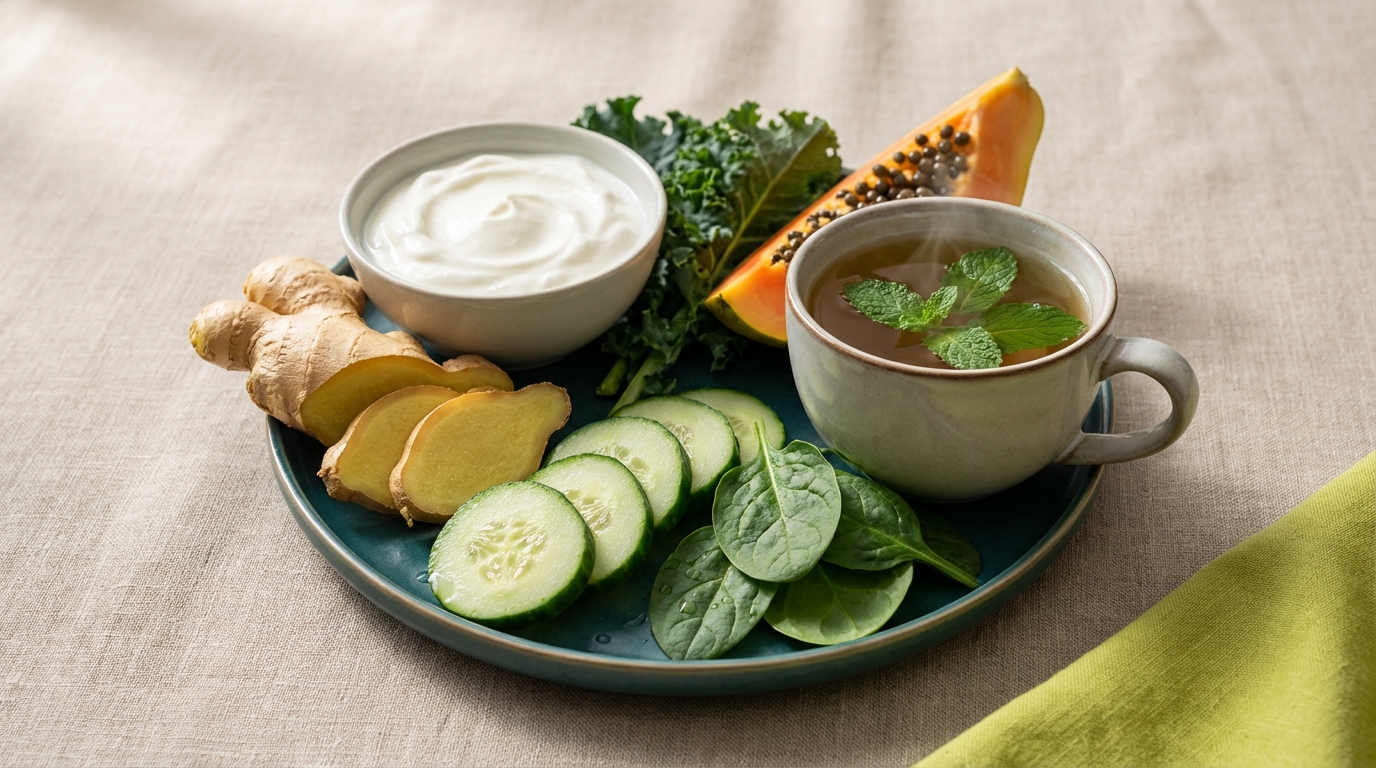
The six most effective foods that reduce bloating fast are: ginger (speeds digestion 25%), cucumber (natural diuretic), Greek yogurt (probiotics rebalance gut), peppermint tea (relaxes digestive muscles), papaya (contains protein-digesting enzyme papain), and leafy greens (magnesium + gentle fiber). These work by reducing gas, improving motility, balancing gut bacteria, and releasing excess water.
Why Bloating Happens (And Why Women Experience It More)
Bloating isn’t just about eating too much. It’s a complex digestive issue where gas builds up in your intestines, creating that tight, swollen feeling in your abdomen. Think of it like traffic congestion—when food moves too slowly through your system, bacteria ferment it, producing excess gas.
For women, bloating is even more common due to hormonal fluctuations. During your menstrual cycle, progesterone slows digestion right before your period. Additionally, estrogen causes water retention. This double effect makes you feel like you’ve gained five pounds overnight.
According to Brigham and Women’s Hospital, bloating typically results from swallowed air, bacterial fermentation of carbohydrates, or constipation. The good news? Specific foods can address each of these causes directly.
Common Triggers Women Face
Before diving into solutions, understanding your triggers helps. Common bloating culprits include high-sodium processed foods that cause water retention, artificial sweeteners like sorbitol that ferment in the gut, carbonated beverages that introduce excess gas, cruciferous vegetables eaten raw (broccoli, cauliflower), and eating too quickly while swallowing air.
Hormonal changes during perimenopause and menopause also slow digestion significantly. Many women notice increased bloating as they age, even when eating the same foods. This makes choosing the right anti-bloat meal strategy even more important.
The 6 Most Effective Foods That Reduce Bloating Fast
Not all “anti-bloating foods” work equally well. These six have the strongest scientific evidence and work through different mechanisms—digestive enzymes, probiotics, natural diuretics, and muscle relaxants. Let’s explore each one and how to use them.
1. Ginger: The Digestive Accelerator
Ginger stands out as one of the most powerful foods that reduce bloating fast. Research published in the World Journal of Gastroenterology found that ginger accelerates gastric emptying by up to 25%, meaning food moves through your stomach faster, reducing fermentation and gas buildup.
Ginger contains natural compounds called gingerols and shogaols that have anti-inflammatory properties. These compounds relax the intestinal muscles, allowing trapped gas to pass more easily. Additionally, ginger stimulates digestive enzymes and bile production, improving overall digestion.
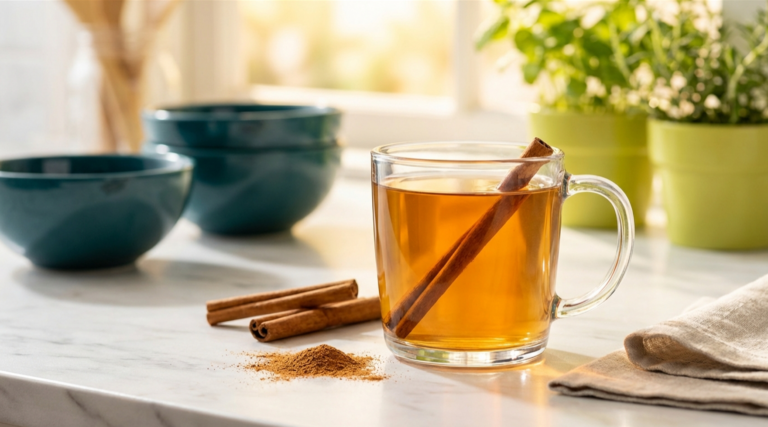
How to use it: Slice fresh ginger (about 1 inch) and steep in boiling water for 5-10 minutes to make ginger tea. Drink it 20-30 minutes before meals to prime your digestion, or after meals for immediate relief. You can also add fresh grated ginger to smoothies or stir-fries. For maximum benefit, try our ginger cinnamon lemon tea recipe.
Timeline for relief: Most people notice reduced bloating within 20-30 minutes of drinking ginger tea, with full digestive benefits building over 2-4 weeks of regular use.
2. Cucumber: The Natural Diuretic
Cucumber might seem simple, but it’s remarkably effective for water-retention bloating. Composed of approximately 95% water, cucumbers naturally flush excess sodium from your system while keeping you hydrated.
Moreover, cucumbers contain quercetin, a flavonoid with anti-inflammatory properties. Research from Healthline notes that cucumbers may help relieve symptoms of irritable bowel syndrome (IBS), including bloating, abdominal pain, and digestive discomfort.
Cucumbers also provide potassium, which helps balance fluid levels in your body. When you consume high-sodium foods, potassium works to release the excess water your body retains.
How to use it: Eat cucumber slices as a snack between meals, add to salads with a light vinaigrette, or make cucumber-infused water by adding sliced cucumber to your water bottle. For targeted relief, try eating cucumber before bed if you tend to wake up bloated.
Timeline for relief: Water-retention bloating typically improves within 2-4 hours as cucumbers help flush excess sodium. For hormonal bloating, eating cucumber daily during the week before your period can prevent the worst symptoms.
3. Greek Yogurt: The Probiotic Powerhouse
Plain Greek yogurt contains live probiotic cultures that directly address one of bloating’s root causes: imbalanced gut bacteria. When your gut microbiome is disrupted—from antibiotics, stress, or poor diet—harmful bacteria can dominate, producing excess gas.
According to Mayo Clinic research, probiotics in yogurt help maintain the balance between beneficial and potentially harmful bacteria in your digestive tract. Clinical trials show that probiotics reduce bloating and abdominal distension caused by IBS.
Greek yogurt specifically works well because the straining process removes most lactose while concentrating protein. This means even people with mild lactose sensitivity can often tolerate it. The protein also keeps you fuller longer, preventing the overeating that leads to bloating.
How to use it: Choose plain, unsweetened Greek yogurt with “live and active cultures” on the label. Eat 1/2 to 1 cup daily—either as breakfast with berries and a drizzle of honey, as a mid-afternoon snack, or mixed into smoothies. Avoid flavored varieties with added sugars, which can actually worsen bloating.
Timeline for relief: Some people notice improved digestion within days, but significant gut bacteria rebalancing takes 2-4 weeks of consistent consumption. The key is daily intake to maintain beneficial bacteria levels.
4. Peppermint Tea: The Muscle Relaxant
Peppermint tea works differently than the other foods on this list. Instead of addressing food breakdown or bacteria, it directly relaxes the smooth muscles in your digestive tract, allowing trapped gas to pass more easily.
The active compound here is menthol, which has antispasmodic properties. A comprehensive review in Alimentary Pharmacology & Therapeutics found that peppermint oil reduces abdominal pain, flatulence, and bloating in people with IBS by relaxing intestinal muscles.
Additionally, peppermint has anti-inflammatory effects on the digestive tract. This soothes irritation that can contribute to bloating and discomfort. Many women find peppermint particularly helpful for menstrual bloating.
How to use it: Steep one peppermint tea bag (or 1 tablespoon fresh/dried peppermint leaves) in hot water for 5-7 minutes. Drink after meals when you feel bloated, or proactively if you know certain foods trigger your symptoms. You can safely drink 1-3 cups daily. For more options, explore our guide to anti-bloating teas.
Important note: If you have GERD or acid reflux, peppermint may relax the lower esophageal sphincter and worsen symptoms. In this case, try ginger or fennel tea instead.
Timeline for relief: Peppermint tea provides the fastest relief on this list. Most people feel reduced bloating within 15-30 minutes as gas passes and muscles relax.
5. Papaya: The Enzyme Provider
Papaya contains a powerful digestive enzyme called papain, which specifically breaks down proteins. When protein-rich foods sit in your stomach too long without proper breakdown, they ferment and produce gas. Papain prevents this.
Research published in Neuro Endocrinology Letters found that people with digestive disorders who took papaya enzymes daily for 40 days experienced significant improvements in bloating and constipation. The enzyme essentially does some of your stomach’s work for it.
Beyond papain, papaya provides fiber that supports regular bowel movements—crucial for preventing the constipation-related bloating many women experience. The fruit is also naturally anti-inflammatory, soothing the entire digestive tract.
How to use it: Eat fresh papaya as a snack, add it to smoothies, or enjoy it as dessert after protein-heavy meals. For maximum enzyme activity, eat papaya between meals or at the end of your meal rather than on an empty stomach if you have sensitive digestion. One cup of fresh papaya provides substantial papain.
Timeline for relief: Digestive enzyme support works relatively quickly. You may notice easier digestion and less gas within 1-2 hours after eating papaya with a meal. Consistent use over 2-3 weeks provides the best long-term results.
6. Leafy Greens: The Gentle Fiber Solution
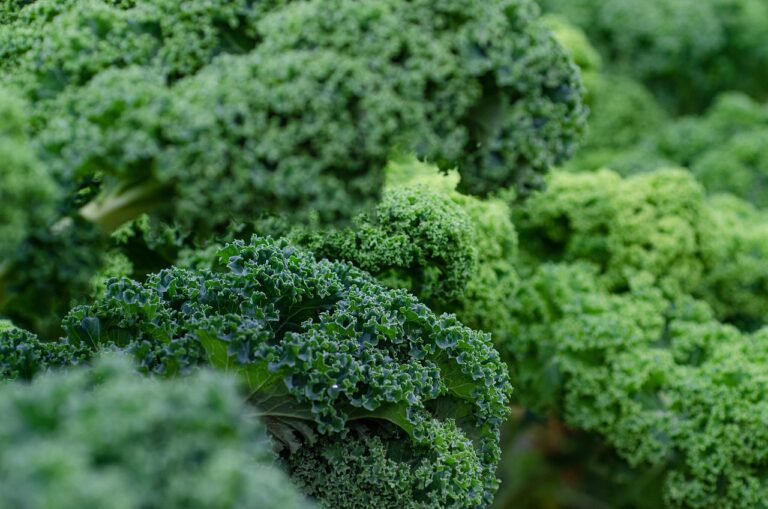
Dark leafy greens like spinach, kale, and Swiss chard provide a unique benefit: gentle, easy-to-digest fiber plus magnesium. Unlike cruciferous vegetables that can cause gas, leafy greens actually reduce bloating through multiple mechanisms.
First, the fiber keeps things moving through your digestive tract, preventing the constipation that leads to bloating. According to Cleveland Clinic, fiber helps food pass through your digestive tract at the proper pace—not too fast (which causes diarrhea) and not too slow (which causes constipation and bloating).
Second, leafy greens are rich in magnesium, which helps regulate muscle contractions in your digestive system. Many women are deficient in magnesium, which can contribute to constipation and bloating, especially before menstruation.
Third, leafy greens have high water content, supporting hydration. Remember: fiber needs water to work properly. The combination creates smooth, regular digestion.
How to use them: Add a handful of spinach or kale to your morning smoothie, enjoy a large salad with lunch, or sauté Swiss chard as a dinner side. Lightly cooking leafy greens makes them even easier to digest. Start with cooked greens if you’re sensitive, then gradually add raw options.
Timeline for relief: Leafy greens work gradually rather than providing immediate relief. Within 24-48 hours, you should notice improved bowel regularity. After 1-2 weeks of daily consumption, chronic bloating often decreases significantly as your fiber intake normalizes.
What About Pineapple for Bloating?
Pineapple contains bromelain, another protein-digesting enzyme similar to papaya’s papain. While effective, papaya tends to be gentler on sensitive stomachs and more readily available year-round. Both work through the same mechanism—choose based on your taste preference and availability.
How to Combine These Foods for Maximum Relief
Understanding individual foods is helpful, but combining them strategically provides even better results. Here’s how to build an anti-bloating eating pattern rather than relying on single foods.
Your Daily Anti-Bloating Routine
Morning (7-8 AM): Start with warm ginger tea upon waking. This stimulates your digestive system before eating. Wait 20 minutes, then have Greek yogurt topped with fresh papaya and a handful of spinach blended into a smoothie. This combination delivers probiotics, enzymes, and gentle fiber all at once.
Midday (12-1 PM): Build your lunch around leafy greens. Try a large salad with spinach or kale, topped with grilled chicken or chickpeas for protein. Add cucumber slices for extra hydration. Dress lightly with olive oil and lemon juice—heavy creamy dressings can trigger bloating.
Afternoon (3-4 PM): If you typically feel bloated mid-afternoon, this is when to drink peppermint tea. Pair it with cucumber slices and a small portion of Greek yogurt if you’re hungry. This combination addresses both gas and water retention.
Evening (6-7 PM): Include sautéed leafy greens with dinner. After your meal, sip ginger or peppermint tea to support digestion. End with fresh papaya as a natural digestive aid. This prevents that uncomfortable “stuffed and bloated” feeling after dinner.
For a complete structured approach, check out our 7-day anti-bloat meal plan that incorporates all these foods systematically.
Meal Spacing Matters Too
How often you eat impacts bloating just as much as what you eat. Research from Harvard Health shows that spacing meals 3-4 hours apart allows your digestive system to complete its natural cleaning cycle.
When you eat too frequently, your intestines never finish processing the previous meal. This leads to fermentation, gas buildup, and bloating. Instead of grazing all day, eat satisfying meals with adequate protein and healthy fats to stay full between meals.
Additionally, eating slowly makes a significant difference. Put your fork down between bites, chew thoroughly, and take at least 20 minutes to finish meals. This prevents swallowing excess air and allows your brain to register fullness, preventing overeating-related bloating.
Foods to Avoid When You’re Bloated
Knowing what to eat matters, but understanding what to avoid is equally important. These common foods often trigger or worsen bloating, especially for women with sensitive digestion.
The Biggest Bloating Culprits
Carbonated beverages: Soda, sparkling water, and fizzy drinks introduce carbon dioxide directly into your digestive system. This trapped gas has nowhere to go except your intestines, creating immediate bloating. Even “healthy” sparkling water counts. Stick to still water, or try cucumber-infused water for flavor.
High-sodium processed foods: Restaurant meals, canned soups, frozen dinners, and salty snacks cause water retention bloating. According to UCLA Health, even seemingly healthy restaurant orders can deliver a salt overload that makes you retain water for 24-48 hours.
Artificial sweeteners: Sugar alcohols like sorbitol, mannitol, and xylitol (found in sugar-free gum, candies, and diet products) are poorly absorbed by your body. They ferment in your large intestine, producing significant gas and bloating. Check labels on “sugar-free” products carefully.
Raw cruciferous vegetables: Broccoli, cauliflower, cabbage, and Brussels sprouts contain raffinose, a complex sugar that humans can’t digest until it reaches the colon. There, bacteria ferment it, creating gas. Cooking these vegetables thoroughly breaks down much of the raffinose, making them easier to tolerate.
Beans and lentils (when not prepared properly): Legumes contain oligosaccharides that cause gas. However, rinsing canned beans thoroughly and cooking dried beans until very soft significantly reduces this effect. Don’t avoid beans entirely—they’re excellent for gut health. Just prepare them correctly.
Smart Substitutions
Instead of eliminating these foods entirely, try strategic swaps. Replace carbonated drinks with flavored water infusions using cucumber, lemon, or ginger. Switch high-sodium takeout for home-cooked meals where you control the salt. Choose fresh fruit instead of sugar-free candies. Steam your cruciferous vegetables rather than eating them raw.
Remember: the goal isn’t perfection. It’s awareness. Notice which foods trigger your specific bloating, then adjust accordingly. What bothers one person might be fine for another.
Lifestyle Strategies That Enhance Food-Based Relief
Foods that reduce bloating fast work even better when combined with supportive lifestyle habits. These simple adjustments amplify the benefits of your anti-bloating diet.
Movement After Meals
Don’t underestimate the power of post-meal movement. Research shows that walking for just 10 minutes after eating—or taking approximately 1,000 steps—reduces gas and bloating better than medication. Movement stimulates your digestive system’s natural wave-like contractions (peristalsis), helping food and gas move through more efficiently.
You don’t need intense exercise. A gentle stroll around your neighborhood, light stretching, or even doing dishes works. The key is staying upright and moving rather than immediately lying down, which can trap gas in your intestines.
Hydration Throughout the Day
Proper hydration might seem counterintuitive when you’re retaining water, but it actually helps. When you’re dehydrated, your body holds onto water, creating bloating. Drinking enough water signals your body to release excess fluid.
Aim for 8-10 glasses of water daily, spread throughout the day rather than chugged all at once. Sipping slowly prevents swallowing air. Add cucumber, lemon, or fresh mint to make water more appealing. Herbal teas like peppermint and ginger count toward your daily fluid intake too.
Stress Management
Your gut and brain communicate constantly through the gut-brain axis. When you’re stressed, your digestive system literally slows down. This is why anxiety often triggers digestive issues including bloating.
Incorporating stress-reduction practices—even 5 minutes of deep breathing, meditation, or gentle yoga—can significantly improve digestion. Many women notice that their chronic bloating improves when they address underlying stress. For more on this connection, read about how sleep and stress impact overall health.
Sleep Quality
Poor sleep disrupts hunger hormones, increases inflammation, and slows digestion—all contributing to bloating. Aim for 7-9 hours of quality sleep nightly. Your digestive system does important restoration work during sleep, including balancing gut bacteria.
Furthermore, avoid eating large meals within 3 hours of bedtime. Late-night eating often leads to waking up bloated because your digestive system slows significantly during sleep.
Special Considerations for Women Over 40
If you’re over 40, you’ve probably noticed that bloating has become more frequent or severe. This isn’t your imagination. Several age-related changes make bloating more common for women in perimenopause and beyond.
Hormonal Changes and Digestion
As estrogen levels fluctuate during perimenopause, digestion slows significantly. Lower estrogen affects the production of bile (needed to digest fats) and reduces the diversity of gut bacteria. Additionally, progesterone variations cause water retention and constipation.
This is why the foods that reduce bloating fast become even more important after 40. Greek yogurt’s probiotics help restore gut bacteria diversity. Ginger and papaya provide the digestive support your body might not produce as efficiently. Cucumber and leafy greens address the water retention that worsens with hormonal shifts.
For comprehensive guidance on managing health changes after 40, explore our guide to weight loss and wellness for women over 40.
Slower Metabolism and Digestion
Metabolic rate naturally decreases with age, and so does digestive motility. Food simply moves more slowly through your system. This extended transit time increases fermentation and gas production.
Combat this by eating smaller, more frequent meals rather than large portions. Choose easily digestible proteins and prioritize the enzyme-rich foods like papaya. Don’t skip the post-meal walk—it’s crucial for keeping things moving.
Medication Side Effects
Many medications commonly prescribed to women over 40—including certain blood pressure medications, pain relievers, and supplements—can cause bloating as a side effect. If you’ve noticed increased bloating after starting a new medication, discuss alternatives with your healthcare provider.
In the meantime, focus on the foods that reduce bloating fast to manage symptoms while you work with your doctor. For guidance on choosing beneficial supplements, read our comprehensive guide to the best supplements for women.
How Long Until I See Results?
Timeline varies by food and cause. Peppermint tea works fastest (15-30 minutes). Ginger and papaya provide relief within 1-2 hours. Cucumber reduces water retention in 2-4 hours. Greek yogurt’s probiotic benefits build over 2-4 weeks. Leafy greens improve chronic bloating after 1-2 weeks of daily consumption. For immediate relief, combine peppermint tea with ginger. For long-term resolution, incorporate all six foods daily.
Can I Eat These Foods Together?
Absolutely! In fact, combining them provides better results. Try a smoothie with Greek yogurt, papaya, spinach, and fresh ginger. Or enjoy a salad with leafy greens and cucumber, followed by peppermint tea. These foods work through different mechanisms, so combining them addresses multiple bloating causes simultaneously.
What If I’m Lactose Intolerant?
Greek yogurt contains significantly less lactose than regular yogurt due to the straining process. Many lactose-intolerant people tolerate it well. Start with a small portion (1/4 cup) and increase gradually. If Greek yogurt still bothers you, try lactose-free Greek yogurt or plant-based alternatives with added probiotics. Kefir is another option—it naturally contains enzymes that break down lactose.
Is Bloating Ever Serious?
Occasional bloating is normal and usually harmless. However, see a doctor if bloating persists despite dietary changes, worsens over time, occurs with unexplained weight loss, is accompanied by severe pain or blood in stool, or significantly impacts your quality of life. These could indicate conditions like IBS, celiac disease, or food intolerances that require professional diagnosis.
Can Bloating Affect Weight Loss?
Chronic bloating can make weight loss harder by causing discomfort that reduces physical activity and creating the false perception that you’re not losing fat when you actually are. Addressing bloating often reveals actual progress that was hidden by water retention and gas. Additionally, the gut health improvements from eating anti-bloating foods support better metabolism and nutrient absorption, both important for sustainable weight management.
The Bottom Line: Your Action Plan for Fast Bloating Relief
Bloating doesn’t have to control your life or make you avoid your favorite clothes. The six foods that reduce bloating fast—ginger, cucumber, Greek yogurt, peppermint tea, papaya, and leafy greens—work through science-backed mechanisms to address the root causes of digestive discomfort.
Start by incorporating just one or two of these foods today. Perhaps begin your morning with ginger tea and add cucumber to your lunch. As you notice improvements, gradually add the others. Remember that consistency matters more than perfection.
The beauty of this approach is its simplicity. You’re not following a restrictive diet or eliminating entire food groups. You’re simply adding beneficial foods that support healthy digestion while being mindful of common triggers. Combined with the lifestyle strategies—walking after meals, managing stress, staying hydrated—you’re creating sustainable habits rather than quick fixes.
For women over 40 dealing with hormonal changes, these foods become even more valuable. They provide the digestive support your body needs as metabolism and hormone levels shift. This isn’t about fighting against your body—it’s about giving it the tools it needs to function optimally.
Track your progress in a simple food journal. Note which foods you ate, when bloating occurred, and what provided relief. Within 2-4 weeks, you’ll identify your personal patterns and build an eating routine that keeps you comfortable, confident, and bloat-free.
Related Articles You Might Enjoy
“`