

Healthspan vs Lifespan: Why the Gap Is Growing
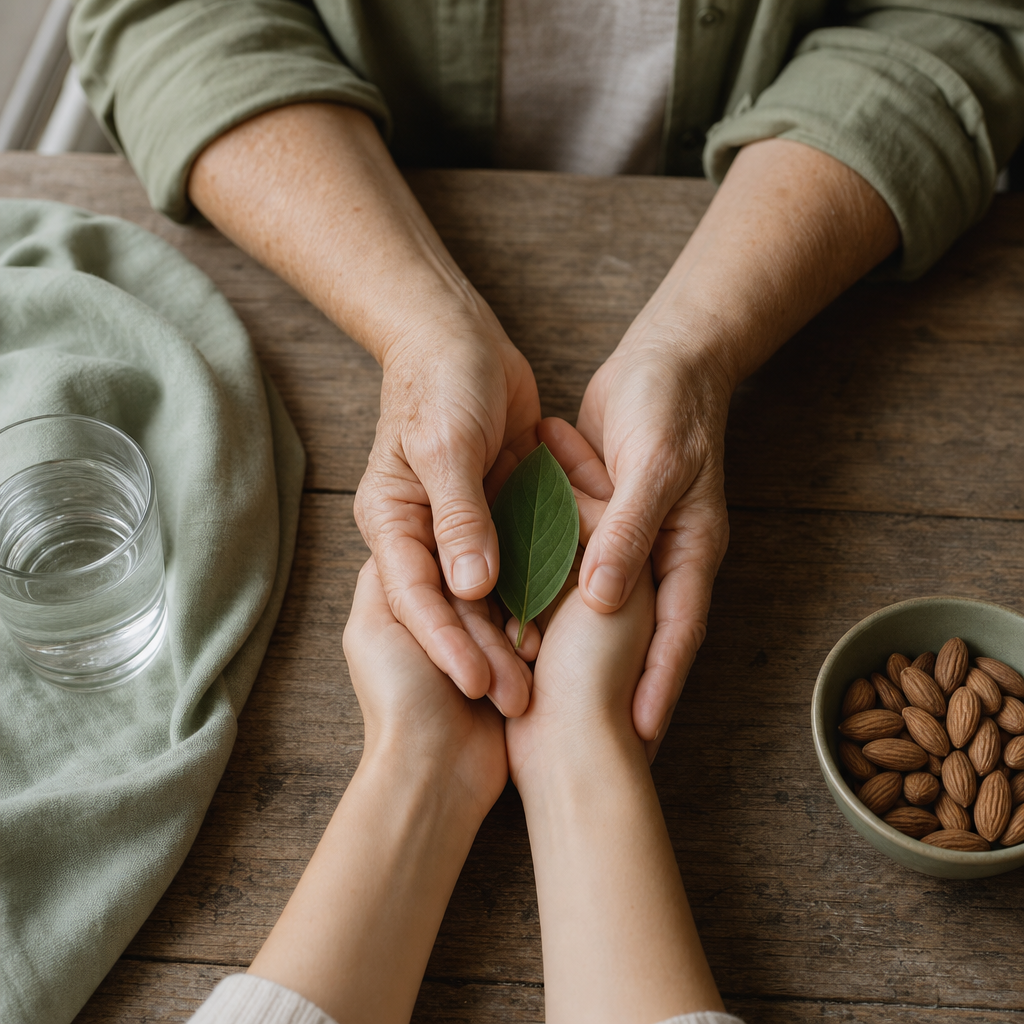
We all want to live a long life. But here’s the real question: do you want to live to 95 if the last 15 years are spent managing chronic pain, taking a handful of medications, and struggling to walk up a flight of stairs? That’s the difference between lifespan and healthspan — and a landmark new study shows the gap between them is getting wider, not smaller. The Global Burden of Disease Study 2023, published in The Lancet Public Health, found that people around the world are living longer, but they’re also spending more years in poor health. In fact, most populations now spend a decade or more of life living with illness or disability. Understanding the difference between healthspan vs lifespan is one of the most important things you can do for your future health — and the good news is, you have more control over it than you think.
Key Takeaways
- Healthspan vs lifespan is a critical distinction: Lifespan is how long you live. Healthspan is how long you live well — free from disease and disability.
- The gap is growing worldwide: A major 2023 study found that improvements in survival have outpaced reductions in illness, meaning we’re adding years of life but not years of health.
- Your daily habits matter most: Diet, physical activity, and metabolic health are the top modifiable factors that determine your healthspan.
- Small changes add up: You don’t need a radical overhaul. Simple, consistent healthy choices can shift your trajectory from just adding years to adding quality years.
What Is Healthspan vs Lifespan? Here’s the Simple Breakdown
Let’s start with the basics. Lifespan is the total number of years you live — from birth to death. It’s the number on the birthday cake. Healthspan is the number of years you live in good health, free from chronic disease, disability, or significant decline.
Here’s the thing: these two numbers are not the same. And according to the Global Burden of Disease Study 2023, the gap between them is expanding in nearly every country. The study found that improvements in survival — meaning fewer people dying early — have consistently outpaced reductions in non-fatal health loss. In plain English: we’re getting really good at keeping people alive, but we’re not getting better at keeping them healthy.
Think of it this way. Imagine two women, both live to 85. One spends her 70s and 80s traveling, gardening, playing with grandkids, and managing only minor health issues. The other spends those same years managing diabetes, heart disease, chronic pain, and cognitive decline. Same lifespan. Completely different healthspan.
Quick Answer: What’s the Difference?
Lifespan: How long you live (total years).
Healthspan: How long you live in good health (years free from disease and disability).
The gap: The difference between the two — and it’s growing. Most people now spend a decade or more living in poor health.
Why the Healthspan vs Lifespan Gap Is Growing
You might be thinking: But aren’t we healthier than ever? In some ways, yes. We’ve made huge progress against infectious diseases, early childhood mortality, and certain cancers. But here’s what’s actually happening: we’re living long enough to develop chronic conditions that previous generations didn’t survive long enough to experience.
The World Health Organization tracks healthy life expectancy (HALE) alongside overall life expectancy. The data shows that while global life expectancy has risen steadily, healthy life expectancy hasn’t kept pace. The result? More years of life, but also more years spent managing chronic conditions like heart disease, diabetes, arthritis, and cognitive decline.
The GBD 2023 study confirmed this trend across all regions, income levels, and both sexes. It’s not a problem limited to one country or group. It’s a global phenomenon. And it means that simply focusing on living longer isn’t enough. We need to focus on living better.
What Actually Determines Your Healthspan?
Now for the empowering part. While genetics play a role, research consistently shows that lifestyle factors are the biggest drivers of healthspan. The GBD study confirms the urgent need to address modifiable risk factors. According to broader GBD and WHO research, the areas that matter most for extending healthspan include:
Diet quality. What you eat every day has a massive impact on your long-term health. Diets high in ultra-processed foods, added sugars, and unhealthy fats are linked to higher rates of heart disease, type 2 diabetes, and inflammation — all of which shorten healthspan. On the flip side, a diet rich in vegetables, fruits, whole grains, lean protein, and healthy fats supports healthy aging.
Physical activity. This might be the single most powerful tool for extending healthspan. Regular movement — whether it’s walking, strength training, yoga, or dancing — protects your heart, maintains muscle mass, supports bone density, and keeps your brain sharp. The CDC recommends at least 150 minutes of moderate activity per week, but any movement is better than none.
Metabolic health. This is a big one. Your metabolic health — blood sugar, blood pressure, cholesterol, and waist circumference — directly predicts your risk for chronic disease. Keeping these numbers in a healthy range dramatically improves your chances of a long healthspan.
Sleep and stress management. Both are often overlooked, but they’re foundational. Poor sleep and chronic stress drive up inflammation, disrupt hormones, and accelerate aging at the cellular level. Prioritizing rest and finding healthy ways to manage stress aren’t luxuries — they’re healthspan essentials.
Check Your Healthspan: Questions to Ask Your Doctor
At your next checkup, consider asking these questions to get a clearer picture of your healthspan trajectory:
- What’s my current risk for heart disease, diabetes, and other chronic conditions?
- Are my blood sugar, blood pressure, and cholesterol in a healthy range?
- What lifestyle changes would have the biggest impact on my long-term health?
- Are there any screenings or preventive tests I should consider based on my health history?
- How’s my current fitness level compared to what’s recommended for healthy aging?
Small Habits That Shift the Healthspan vs Lifespan Balance
Here’s the thing about healthspan: you don’t need a complete life overhaul to make a difference. Small, consistent habits add up over time. Research from the National Institute on Aging shows that even modest lifestyle changes can significantly impact how well you age.
Here are a few practical shifts that move the needle:
Add more movement to your day. Not everyone loves the gym, and that’s fine. A 20-minute walk after dinner, taking the stairs, gardening, or dancing in your kitchen all count. The goal is to reduce sedentary time and get your body moving regularly.
Prioritize protein and fiber. These two nutrients are powerhouses for healthy aging. Protein helps maintain muscle mass as you age, which is critical for mobility and independence. Fiber supports heart health, blood sugar control, and digestion. Aim to include both at every meal.
Build strength, not just endurance. Cardio is great for your heart, but strength training is essential for maintaining bone density, muscle mass, and metabolic health. Even twice a week of bodyweight exercises or light weights makes a difference.
Protect your sleep. Sleep is when your body repairs itself. Chronic sleep deprivation is linked to higher rates of nearly every chronic disease. Aim for 7-9 hours and treat your sleep schedule as non-negotiable.
Stay socially connected. This one surprises people, but social connection is a major predictor of healthspan. Loneliness and social isolation are linked to higher rates of cognitive decline, heart disease, and early death. Nurturing your relationships is a health behavior, not just a nice-to-have.
The Bottom Line: Why Healthspan Matters More Than Lifespan
The Global Burden of Disease Study 2023 makes one thing clear: we can’t just focus on adding years to life. We need to focus on adding life to years. The healthspan vs lifespan gap is a wake-up call — but it’s also an opportunity.
You have more control over your healthspan than you might realize. The choices you make today — what you eat, how you move, how you sleep, how you manage stress — directly shape your future quality of life. You don’t need to be perfect. You just need to start.
So here’s my challenge to you: pick one small change from this article and commit to it this week. Add a 10-minute walk to your day. Swap one processed snack for a piece of fruit. Go to bed 30 minutes earlier. That one change, repeated consistently, is how you shift from just living longer to living better.
Because at the end of the day, it’s not about how many candles are on the cake. It’s about how many of those years you actually get to enjoy.