

Healthy Sausage Peppers: A Nutritious Weeknight Dinner
Key Takeaways
- Choose wisely: Pick chicken or turkey sausage with few additives to cut fat and sodium.
- Pile on the peppers: One medium bell pepper gives you more than 100% of your daily vitamin C.
- Don’t skip the alliums: Onions and garlic fight inflammation and help your immune system.
- Grill for less fat: Grilling lets fat drip away and adds smoky taste without extra oil.
- Build a better plate: Serve over quinoa, brown rice, or a crisp salad instead of bread to get more fiber.
Picture this: It’s a warm summer night, the grill is hot, and the smell of sausage, sweet peppers, and onions fills the air. Classic sausage and peppers is a weeknight hero – quick, tasty, and loved by all. But can it fit into a healthy diet? Yes – with a few smart swaps, it becomes a balanced meal full of nutrients. This healthy sausage peppers recipe shows you how to enjoy great taste without giving up nutrition. Let’s see what makes it work.
Quick Answer: Is Sausage and Peppers Healthy?
Yes – when you make smart choices. Traditional sausage and peppers can be high in fat and salt. But by picking lean chicken or turkey sausage, using lots of colorful peppers and onions, and adding a little extra virgin olive oil, you turn it into a meal rich in protein, fiber, vitamins, and antioxidants. This guide shows you exactly how.
How to Choose the Best Sausage for a Healthy Sausage Peppers Meal
The sausage is the main event, and not all sausages are the same. A large study in the Nutrition Journal followed over 35,000 women for 20 years. It found that eating a lot of processed red meat was linked to a 60% higher risk of chronic disease per 10g/MJ. That’s why swapping to poultry sausages is a smart choice – research in Meat Science notes that how processing affects meat’s nutritional value differs between red and white meat, with poultry not showing the same risk associations.
Here is what to look for at the store:
- Protein source: Chicken or turkey should be the first ingredient.
- Sodium: Try to find links with under 500 mg of salt. Many brands have low-sodium options.
- Additives: Shorter ingredient lists are better. Always check the label – look for sausages with short ingredient lists regardless of whether they are raw or pre-cooked.
- Pasture-raised: Some brands use pasture-raised poultry, which may have a better fat profile.
If you do pick pork sausage, treat it as a sometimes food and add extra veggies. What matters most is what you do most of the time.
Why Colorful Bell Peppers Make This Healthy Sausage Peppers Dish a Nutritional Star
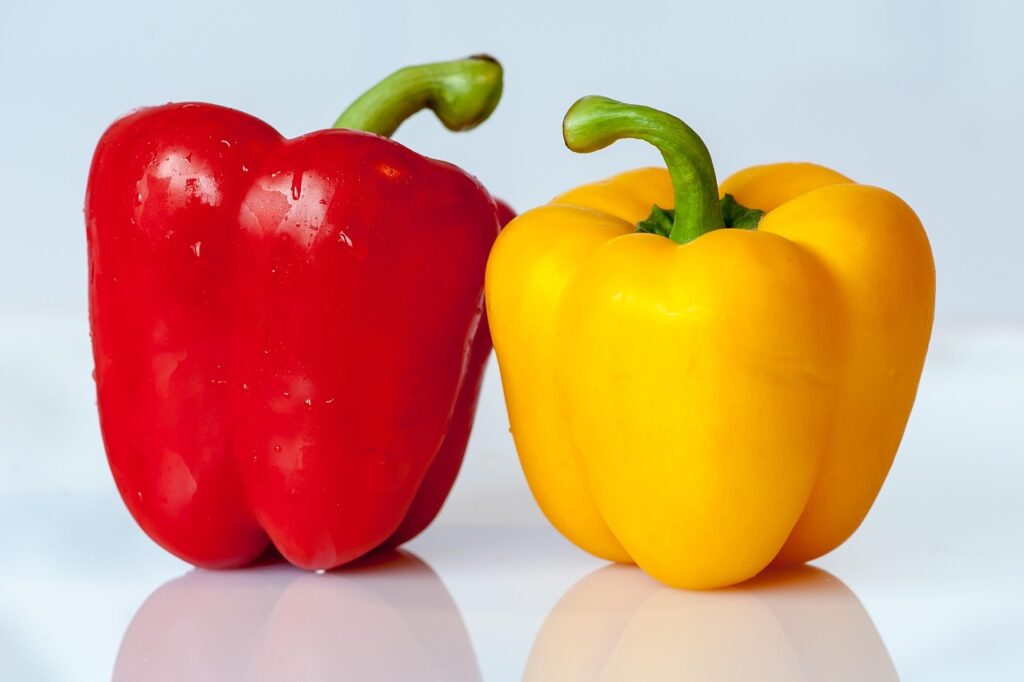
Let’s talk about peppers – they are not just for looks. According to the NIH Office of Dietary Supplements, bell peppers are among the best sources of vitamin C. One medium red bell pepper gives you more than 100% of your daily needs. That’s a big immune boost from one serving.
But there is more. A 2025 study in BioMedicine found that different colored bell peppers offer unique health benefits. The study showed that colored peppers contain phenolic compounds, flavonoids, and anthocyanins with antioxidant and blood-sugar-supporting properties. For example, red peppers are a great source of lycopene and beta-carotene, yellow peppers provide lutein for eye health, and orange peppers offer zeaxanthin – these are well-known facts supported by general nutrition science. So using a mix of colors does more than make the dish pretty – it gives you more nutrients.
Cooking may lower vitamin C a little, but peppers still keep a lot of it. And heat can make some antioxidants easier for your body to use. It’s a win either way.
The Best Cooking Methods for Healthy Sausage Peppers
Here’s the thing: how you cook matters as much as what you cook. Grilling is my top pick for this healthy sausage peppers recipe, especially in summer. The high heat chars the sausage and peppers without needing much oil. Extra fat drips away. Plus, the smoky flavor means you can use less salt.
No grill? No problem. Use the oven at 400°F for about 25 minutes. A sheet pan gives you nice caramelized edges with little work. Just toss everything with 1 to 2 tablespoons of extra virgin olive oil – and yes, choose extra virgin. A 2026 review in Food Science & Nutrition found that the polyphenols in extra virgin olive oil supports heart health by lowering inflammation and improving cholesterol. That’s a lot of benefit from a small amount. For a deeper look, read our guide to high-polyphenol olive oil for heart health.
You can also use a skillet on the stovetop. Use a heavy pan, don’t crowd it, and cook in batches for good browning. Any method works well.
5 Serving Ideas for Healthy Sausage Peppers
A big miss I see in other recipes is serving sausage and peppers with white bread or pasta. That can turn a healthy meal into a carb overload. Here are five better ways to serve it:
- Over greens: Put the sausage and peppers on arugula or mixed greens with a lemon squeeze. The greens add a peppery bite.
- With whole grains: Quinoa is a great source of plant-based protein and fiber. Farro or brown rice also work well.
- On a whole-grain roll: If you want a sandwich, pick a good whole-wheat roll and load it with extra peppers and onions.
- Over roasted veggies: Serve over roasted zucchini, eggplant, or cauliflower for extra veggies.
- With cauliflower rice: For a low-carb option, sauté cauliflower rice with garlic and top with the sausage mix. It’s filling but light.
Frequently Asked Questions About Healthy Sausage Peppers
Is it better to use raw or pre-cooked sausage?
Both work. Raw sausage gives you better browning and a firmer bite. Pre-cooked is faster and easier for beginners. Check the label – look for short ingredient lists regardless of whether the sausages are raw or pre-cooked.
Can I make this vegetarian?
Yes! Swap the sausage for plant-based links (look for pea protein or mushrooms) or just go heavy on the veggies and add chickpeas or white beans for protein. Cook them the same way.
How do I cut the sodium?
Pick low-sodium sausage. Skip added salt – the sausage and balsamic vinegar give plenty of flavor. Add more bell peppers – increasing your vegetable intake supports healthy blood pressure as part of an overall balanced diet.
The Bottom Line
Classic sausage and peppers can be part of a healthy lifestyle. The secret is in three steps: pick good ingredients (lean chicken or turkey sausage, colorful peppers, quality oil), use cooking methods that don’t add too much fat (grill or sheet pan work great), and build a plate with lots of veggies and a smart side.
This healthy sausage peppers recipe is more than a meal – it’s a template you can use all year. Grill in July, bake in January, and enjoy a dinner that feeds your body and tastes great. After all, healthy living should taste this good.