
High-Polyphenol Olive Oil for Heart Health
Key Takeaways
- Polyphenols matter for heart health. A meta-analysis of 26 trials found high-polyphenol olive oil lowers oxidized LDL. A separate review of 23 trials confirmed it reduces C-reactive protein (CRP), a key marker of inflammation.
- EVOO beats common olive oil. The PREDIMED trial showed EVOO cuts heart disease risk by 25% – but common olive oil, which lacks polyphenols, did not.
- Not all EVOO is equal. Many clinical trials showing the strongest heart benefits used oils with at least 500 mg/kg of polyphenols — about double the EFSA health claim threshold of 250 mg/kg. The higher the polyphenol content, the greater the benefit seen in studies. Even standard EVOO is still better than refined oils.
- Look for labels with polyphenol content. Aim for 500 mg/kg or more. Check for a harvest date and dark glass.
- Goal: 1 to 2 tablespoons daily. The PREDIMED trial saw the biggest benefits at about 3.5 tablespoons, but even 1 tablespoon daily provides measurable heart protection.
You are in the grocery aisle, facing a wall of olive oil bottles. Extra virgin, light, pure, cold-pressed, organic. Which one actually helps your heart? The science points to high-polyphenol olive oil. Here is what you need to know about high-polyphenol olive oil heart health – and how to pick the right bottle.
Quick Answer: What Is High-Polyphenol Olive Oil?
High-polyphenol olive oil is extra virgin olive oil with at least 500 mg/kg of phenolic compounds. These antioxidants fight inflammation and protect LDL cholesterol from damage. Many clinical trials showing the strongest heart benefits used oils at this level. A review of 26 clinical trials found that high-polyphenol olive oil reduces oxidized LDL compared to low-polyphenol options (George et al., 2019). A 2026 review of 23 trials found that daily EVOO use lowers C-reactive protein (CRP) by about 1 mg/L (Vidal Damasceno et al., 2026). Polyphenol content varies widely among EVOO brands — some industry estimates suggest typical ranges of 100-250 mg/kg for mass-market supermarket oils — but standard EVOO still offers some benefits over refined oils.
What the Science Says About High-Polyphenol Olive Oil Heart Health
Not all olive oil is the same for your heart. A systematic review of 26 randomized controlled trials found that high-polyphenol olive oil significantly outperformed low-polyphenol olive oil in reducing oxidized LDL and improving cholesterol profiles. It reduced total cholesterol by 4.5 mg/dL and raised HDL (‘good’) cholesterol by 2.37 mg/dL compared to low-polyphenol options (George et al. 2019).
A 2026 meta-analysis of 23 clinical trials confirmed that daily EVOO consumption significantly lowers both oxidized LDL and C-reactive protein — two key drivers of heart disease. Oxidized LDL reduced by about 7.7 U/L and C-reactive protein (CRP) by about 1 mg/L compared to low-polyphenol oils (Vidal Damasceno et al., 2026).
The PREDIMED Finding That Changed Everything
A 2026 analysis from the landmark PREDIMED trial found that women who consumed the most extra virgin olive oil had a 25% lower risk of heart disease — but common olive oil showed no such benefit. The study followed over 7,000 high-risk adults (57.5% women). Those who ate the most EVOO had a 25% lower risk of heart attack, stroke, or heart-related death (de Rojas et al., 2026). That is why high-polyphenol olive oil matters so much for heart health.
Why High-Polyphenol Olive Oil Beats Standard EVOO
You might think, ‘I buy extra virgin – is that not enough?’ Not always. Standard EVOO often has fewer polyphenols than the high-polyphenol oils used in trials that showed the biggest benefits. While even standard EVOO offers some benefits over refined oils (which have almost no polyphenols), studies using oils with 500+ mg/kg of polyphenols have shown the largest drops in oxidized LDL and inflammation.
A 2026 double-blind clinical trial found that olive oil polyphenols significantly reduced oxidized LDL, blood sugar, blood pressure, and inflammation markers in just 12 weeks (Samoutis et al., 2026). The polyphenols themselves – not just the fat – drive these effects.
How to Find High-Polyphenol Olive Oil at the Store
Now for the practical part. How do you find high-polyphenol olive oil? Labels can be confusing, but look for these clues:
- Polyphenol count on the label. Some brands list mg/kg. Aim for at least 500.
- Harvest date. Fresh oil has more polyphenols. Look for a harvest year within the last 1 to 2 years.
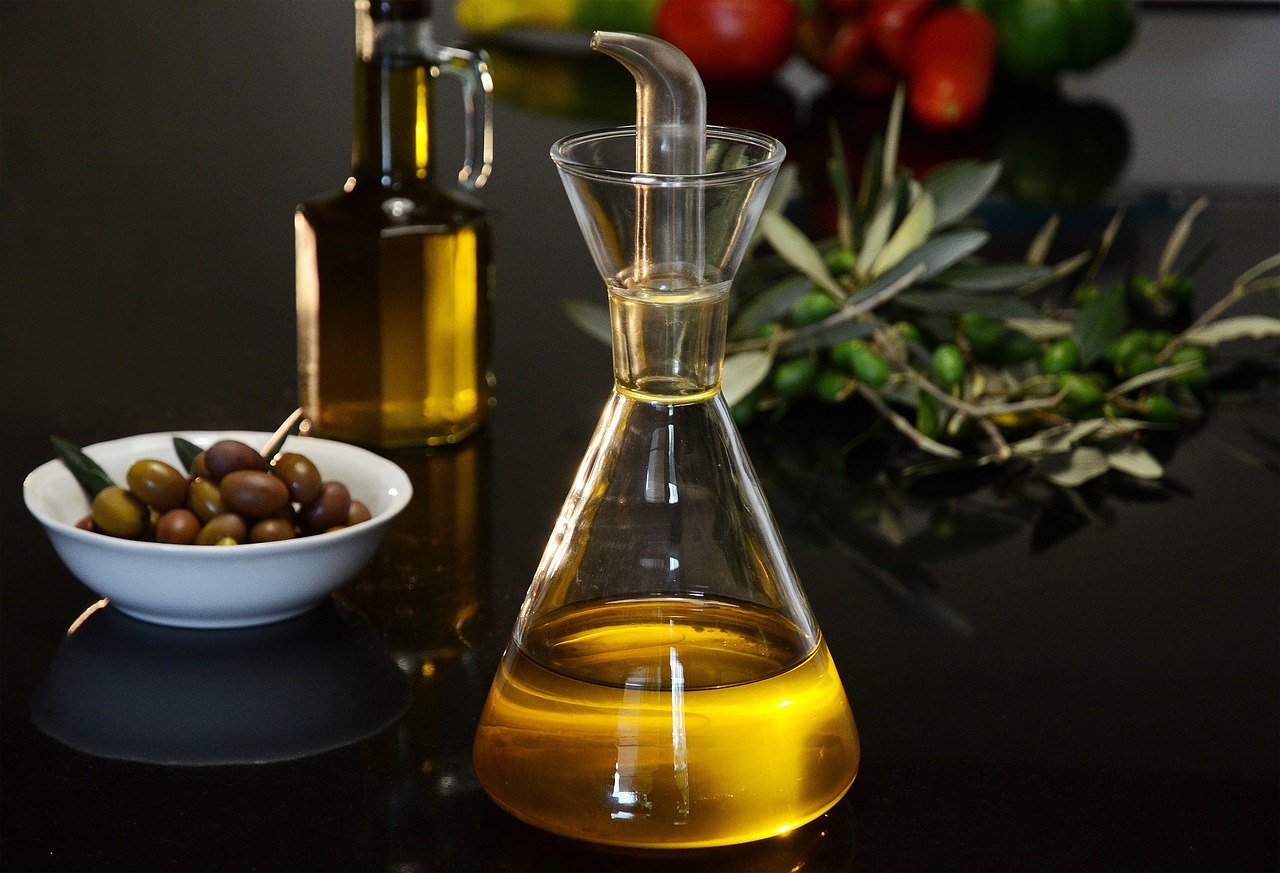
- Dark glass bottle. Light breaks down polyphenols. Avoid clear plastic or glass.
- EFSA health claim. The European Food Safety Authority confirms that olive oil polyphenols help protect blood lipids from oxidative damage, requiring at least 5 milligrams of hydroxytyrosol per 20 grams of oil (about 250 mg/kg). Top oils go higher.
- Third-party testing. Some brands share lab results online. Look for companies that are open about their polyphenol levels.
Polyphenol content varies widely among EVOO brands. Many mass-market supermarket EVOOs have lower levels than the oils used in clinical trials showing the strongest benefits — some industry estimates suggest typical ranges of 100-250 mg/kg. That is still better than refined oils, but not as high as the clinical trials that showed the strongest heart protection.
How Much High-Polyphenol Olive Oil Do You Need Daily?
Clinical trials use different amounts. The PREDIMED trial found the strongest heart protection at about 3.5 tablespoons (49 g) per day. But even 1 tablespoon (15 ml) gives measurable benefits compared to no olive oil at all. A practical target is 1 to 2 tablespoons daily, which is a common serving size in many studies.
Easy ways to get it in:
- Drizzle 1 tablespoon over roasted veggies or salads.
- Use it as a dip for bread instead of butter.
- Add a tablespoon to soups or pasta after cooking.
- Make a simple vinaigrette: 3 parts oil, 1 part vinegar, salt, and pepper.
Beyond Heart Health: Extra Benefits
A Harvard study of over 92,000 adults found that consuming at least half a tablespoon of olive oil daily was linked to a 28% lower risk of dying from dementia (Tessier et al., 2024). The same polyphenols protect blood vessels and your brain.
Other research shows olive oil polyphenols help with blood sugar, blood pressure, and uric acid levels. A 2025 review in Nutrients notes that EVOO cuts the risk of chronic diseases thanks to its anti-inflammatory and antioxidant power (Ussia et al., 2025).
Frequently Asked Questions
Can I cook with high-polyphenol olive oil?
Yes, but high heat can break down some polyphenols. Use it for low to medium heat (sautéing, roasting up to 350°F). Save the best oil for raw uses like dressings and dips.
Is it worth the higher price?
If heart health is a priority, yes. The extra cost is often small, and the evidence shows much better protection. Think of it as an investment in long-term health.
What if I cannot find high-polyphenol EVOO locally?
Standard EVOO is still better than refined oils. You can also buy online from trusted brands that ship directly and share lab-tested polyphenol values.
Making High-Polyphenol Olive Oil a Daily Habit
The easiest way to start? Buy one high-quality bottle with a known polyphenol count. Use it for one or two servings a day – over eggs, a lunch salad, or roasted veggies at dinner. Store it in a cool, dark cupboard (not near the stove) and use within a few months of opening.
A large Harvard study of 92,000 adults found that those who consumed at least half a tablespoon of olive oil daily had a 19% lower risk of dying from cardiovascular disease. Swapping just 10 grams of butter or margarine for olive oil was linked to 8 to 34% lower all-cause mortality (Guasch-Ferré et al., 2022).
The Bottom Line
Olive oil is a staple of healthy eating for good reason. But the evidence is clear: to get the full heart protection, choose high-polyphenol olive oil with at least 500 mg/kg of polyphenols. Look for it on the label, store it right, and use about a tablespoon or two daily. Your heart – and brain – will thank you.