

Strength Training for Women: 2 Hours a Week for a Healthier Heart
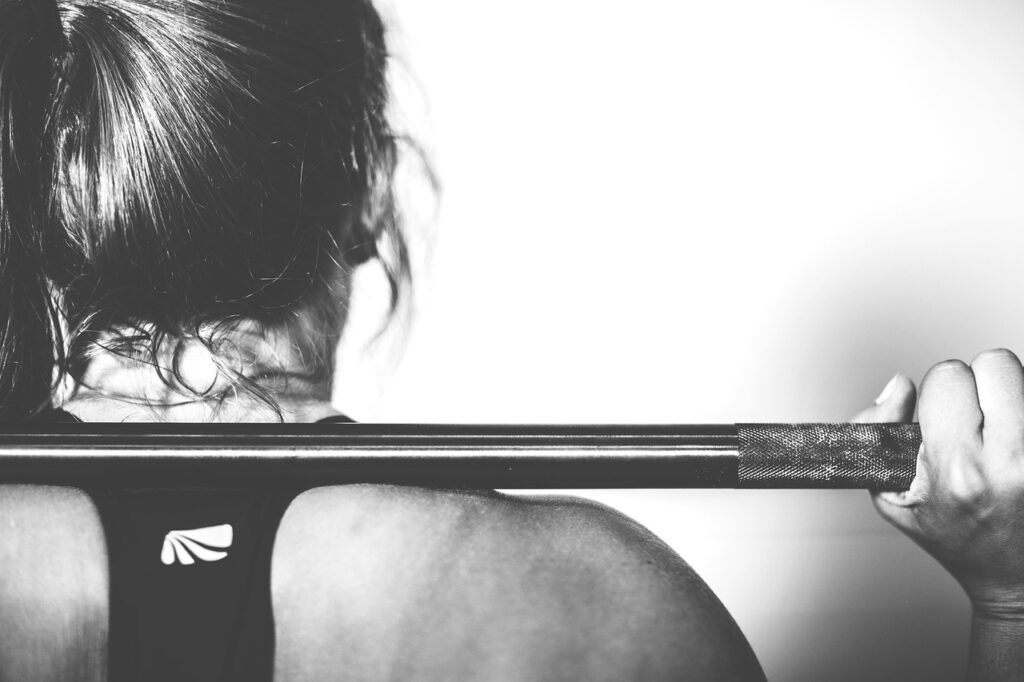
You lace up for your daily walk or jog, but did you know there’s a missing piece that could cut your heart disease risk by nearly 20%? That missing piece is strength training for women. New research shows that just two hours of strength training for women each week can lower the risk of dying from heart disease by 19%. Here’s what the science says, what counts as strength training, and a simple plan to start today.
Key Takeaways
- 90 to 120 minutes of strength training for women per week is linked to 13% lower all-cause mortality and 19% lower heart disease death.
- Combining strength training with aerobic exercise gives the biggest longevity boost.
- You can start at home with bodyweight exercises or resistance bands. No gym needed.
- Only 25% of US women meet both aerobic and strength guidelines, according to a CDC MMWR report on physical activity among women. You are not alone.
- Two hours per week is the sweet spot. Doing more does not add extra benefit.
Quick Answer: How Much Strength Training for Women?
The latest evidence says 90 to 120 minutes of strength training for women per week is best for heart health and longevity. That matches CDC guidelines for muscle-strengthening on two or more days, but adds a clear weekly time target.
The Evidence Behind Strength Training for Women
A large new study from Harvard tracked over 147,000 people, including 115,834 women, for up to 30 years. The results, published in the British Journal of Sports Medicine, found that women who did 90 to 119 minutes of strength training for women each week had a 13% lower risk of dying from any cause and a 19% lower risk of dying from heart disease — a finding that aligns with research on how muscular strength in women predicts longevity. Benefits maxed out at about 120 minutes. You don’t need more than two hours a week.
Another Harvard study published in BMJ Medicine found that weight training alone was linked to a 13% lower risk of early death. When women combined strength training for women with aerobic exercise, their mortality risk dropped by nearly half compared to those who did neither.
What Strength Training for Women Really Means
Strength training for women does not mean you have to lift heavy barbells in a gym. The definition is wider. Strength training is any exercise where your muscles work against a force to build power and endurance.
Here is what counts:
- Bodyweight exercises: squats, lunges, push-ups, planks, glute bridges
- Resistance bands: rows, bicep curls, leg presses
- Free weights: dumbbells, kettlebells, barbells
- Weight machines: at the gym, leg press, chest press, lat pulldown
- Everyday movements: carrying groceries, climbing stairs, gardening. But for best results, add structured sessions.
A randomized trial in postmenopausal women showed that resistance band training three times a week improved blood sugar, cholesterol, blood pressure, and body fat. Another study found that a time-efficient hybrid circuit training program (~100 minutes per week) using loaded functional movements improved heart health markers in inactive overweight women.
How to Build Your Weekly Strength Routine
Your goal is 90 to 120 minutes total per week of strength training for women. You can split it like this:
- Two 45-60 minute sessions (e.g., Monday and Thursday)
- Three 30-40 minute sessions (e.g., Monday, Wednesday, Friday)
- Four 20-30 minute sessions if that fits your schedule better
A beginner full-body workout for strength training for women might look like this:
- Bodyweight squats: 3 sets of 10-15 reps
- Hip bridges: 3 sets of 10-12 reps
- Modified push-ups (on knees or incline): 3 sets of 8-10 reps
- Resistance band rows: 3 sets of 10-12 reps per arm
- Plank holds: 3 sets of 20-30 seconds
How hard should you push? Aim for a 6 to 8 on a 10-point effort scale. You should be able to finish your set but feel close to failure. That is the sweet spot for building muscle and getting heart benefits.
Why You Need Both Strength and Cardio
You might wonder: if strength training for women alone cuts heart disease risk, do I still need my walks? Yes, and the combination is even better. The CardioRACE trial published in the European Heart Journal found that combined aerobic plus resistance training improved the overall cardiovascular risk profile — a composite measure of blood pressure, cholesterol, blood sugar, and body fat — more than resistance training alone. The Harvard study showed that even resistance training alone was linked to fewer heart disease deaths. So strength alone helps, but strength plus cardio is the most powerful.
Aim for both. The CDC recommends at least 150 minutes of moderate aerobic activity each week plus muscle-strengthening activities on two or more days, as outlined in the Physical Activity Guidelines for Americans. That adds up to a complete heart-healthy lifestyle.
Safety Tips for Starting Strength Training for Women
If you are new to strength training for women, start slowly and focus on form. Here is how to stay safe:
- Warm up: 5-10 minutes of light cardio and dynamic stretches.
- Start light: Use bodyweight or light resistance until you learn each move.
- Breathe: Exhale as you push or lift, inhale as you lower.
- Rest: Take 48 hours between working the same muscles to recover.
- Listen to your body: Normal soreness is fine; sharp pain is not.
- Consult a doctor: If you have heart disease, high blood pressure, or joint issues, check with your provider before starting.
Frequently Asked Questions
Can strength training for women help with weight loss?
Yes. Strength training builds muscle, which raises your resting metabolism. Combined with cardio, it is one of the best ways to lose body fat while keeping muscle.
Will I get bulky from lifting weights?
No. Women have much lower testosterone than men, so building large muscles takes intense, heavy training. Regular strength training for women makes you leaner and more defined, not bulky.
What if I only have 20 minutes twice a week?
That still helps. Even 30 to 40 minutes per week showed some benefit in the Harvard study — specifically, a 12% lower risk of dying from cancer. The bigger heart and longevity benefits kick in around 90 minutes per week, but every bit helps, especially if you’re just starting out.
Do I need a gym for strength training for women?
Not at all. Bodyweight exercises and resistance bands are just as effective as gym equipment. You can do a full workout in your living room.
Your Simple Weekly Template
Here is a realistic week for a woman who wants to add strength training for women without replacing her cardio:
- Monday: 30-minute brisk walk + 30-minute full-body strength session
- Tuesday: 30-minute jog or cycle
- Wednesday: 30-minute full-body strength session (different exercises)
- Thursday: 30-minute walk + 20-minute yoga or stretch
- Friday: 30-minute full-body strength session (same as Monday, try to increase reps or weight)
- Saturday: Longer outdoor activity (hike, bike, swim)
- Sunday: Rest or gentle walk
This template gives you 3 strength sessions (90 minutes total) plus 150 minutes of aerobic activity. That meets both CDC and new study recommendations.
The Bottom Line
The message is clear: strength training for women is not just about looks. It is a powerful tool for heart health and a longer life. And you do not need to become a gym rat. Just two hours of strength training for women each week, split into short sessions, can significantly lower your risk of heart disease and help you live longer.
Start where you are. Use what you have. The most important step is the first one.