

Anti-Inflammatory Foods: Your Grocery List for Less Inflammation
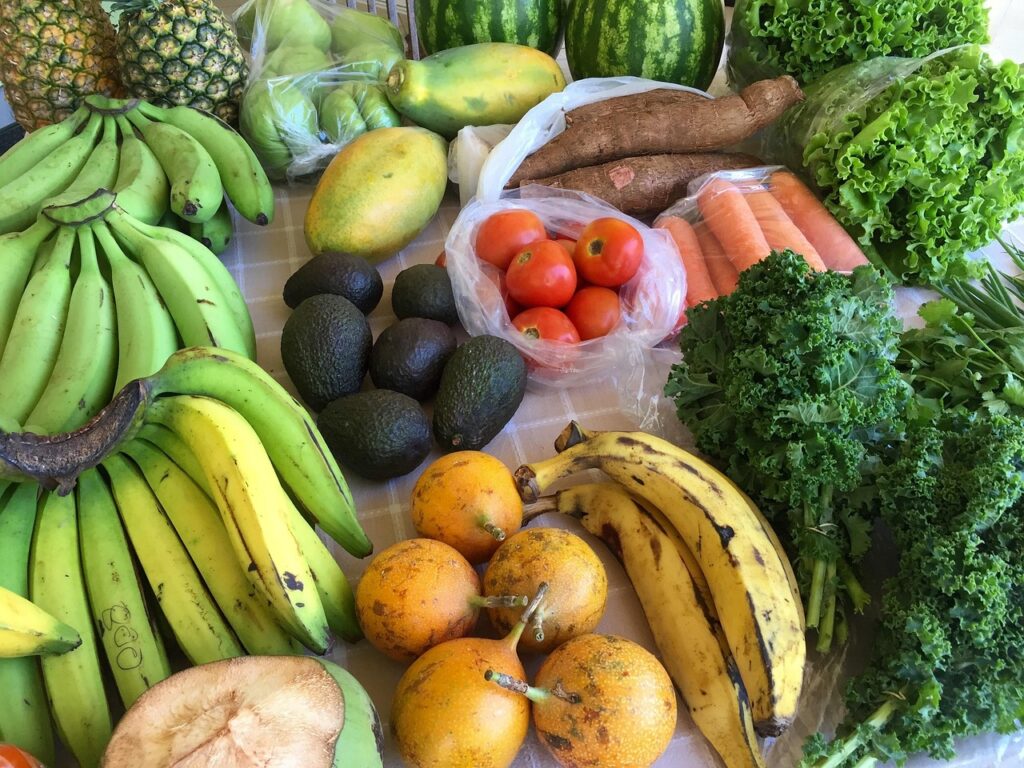
Ever feel like your body is quietly fighting something all day long? That nagging tiredness, stiff joints, or puffiness could be chronic inflammation. The fix? Fill your cart with anti-inflammatory foods. Let’s look at what dietitians eat and how you can add them to your week.
Key Takeaways
- Anti-inflammatory foods work because they give you omega-3s, polyphenols, and fiber.
- The whole eating pattern matters more than one “superfood.” Focus on variety.
- Top picks include fatty fish, berries, leafy greens, nuts, and olive oil.
- Try the sample 1-day plan below to get started.
Quick Answer: What Are Anti-Inflammatory Foods?
They are whole foods that lower chronic inflammation. Think salmon, blueberries, spinach, almonds, olive oil, and turmeric. They pack omega-3s, antioxidants, and fiber that calm your body’s immune response.
Your Anti-Inflammatory Foods Grocery List
Not all anti-inflammatory foods are equal. Some have more science behind them. Here are ten top picks, with the best form to buy and a simple way to eat each one.
Salmon
How it helps: Salmon has EPA and DHA, the omega-3 fats that lower markers like CRP and IL-6. A 2024 review of 48 trials found that doses up to 2 grams daily cut these markers (Wang et al.). Best form: Wild-caught or canned. Simple idea: Bake it with lemon and herbs, then serve over spinach.
Blueberries
How it helps: Blueberries are full of anthocyanins, a type of polyphenol that fights cell damage. Best form: Fresh or frozen — both work. Simple idea: Toss them into oatmeal or yogurt.
Spinach
How it helps: Spinach gives you lutein and vitamin C, which protect cells from stress. Best form: Fresh for salads, frozen for cooking. Simple idea: Sauté with garlic and olive oil.
Almonds
How it helps: Almonds have vitamin E and magnesium, which help lower inflammation. Best form: Raw or dry-roasted, no added salt. Simple idea: Grab a handful as a snack.
Extra Virgin Olive Oil
How it helps: Rich in monounsaturated fats and polyphenols like oleocanthal. These reduce inflammation. Best form: Extra-virgin, cold-pressed. Simple idea: Use in dressings or drizzle on veggies.
Turmeric
How it helps: Curcumin in turmeric fights inflammation. Black pepper may enhance absorption. Best form: Powder or fresh root with pepper. Simple idea: Stir into soups or make golden milk.
Green Tea
How it helps: Green tea has EGCG, a strong antioxidant that lowers inflammation. Best form: Brewed fresh, no added sugar. Simple idea: Swap a coffee for green tea.
Dark Chocolate
How it helps: Dark chocolate (70%+ cocoa) has flavonoids that lower cell stress. Eat just one ounce. Best form: High cocoa, low sugar. Simple idea: Have a square after dinner.
Walnuts
How it helps: Walnuts are a top plant source of ALA, a short-chain omega-3 that fights inflammation. Best form: Raw, unroasted. Simple idea: Add to salads or oatmeal.
Tomatoes
How it helps: Tomatoes have lycopene, which calms inflammation. Cooking makes it easier to absorb. Best form: Fresh or canned. Simple idea: Roast cherry tomatoes with olive oil and garlic.
Why Anti-Inflammatory Foods Work
These foods cut down on oxidative stress and lower inflammatory markers like CRP. A 2025 review from Jiang et al. found that anti-inflammatory diets lowered blood pressure by about 4 mmHg and reduced hs-CRP. The pattern matters more than any single food.
Some trendy picks, like turmeric and ginger, have lab proof but limited human studies. The Academy of Nutrition and Dietetics says we can’t fully conclude how they work in people yet. But they are still safe to add to a varied diet.
A 1-Day Anti-Inflammatory Eating Pattern
Ready to try it? Here is a full day of anti-inflammatory foods in action.
Breakfast: Oatmeal with 1/2 cup blueberries, 1 tbsp walnuts, and cinnamon. Why it works: Blueberries give you anthocyanins, walnuts add ALA, and oats feed good gut bacteria.
Lunch: Big spinach salad with grilled salmon (4-6 oz), cherry tomatoes, avocado, and olive oil vinaigrette. Why it works: Three stars in one meal.
Snack: Apple with almond butter or a handful of almonds.
Dinner: Sheet pan chicken (or chickpeas) with broccoli and sweet potato, tossed in olive oil, turmeric, and black pepper. Roast at 400°F for 25 minutes. Why it works: Turmeric + pepper + healthy fats boost the good stuff.
Evening: Green tea or a square of dark chocolate.
How to Start Eating Anti-Inflammatory Foods
Starting doesn’t mean a total diet makeover. Begin with one small swap. Replace your afternoon cookie with a handful of walnuts. Add a side of spinach to your dinner. Use olive oil instead of butter for cooking.
The American Heart Association recommends making half your plate vegetables and fruit, choosing whole grains, and eating fish twice a week. That’s a solid anti-inflammatory strategy.
If you’re on a budget, frozen berries and vegetables are just as good as fresh. Canned salmon and sardines are affordable omega-3 sources. Buy nuts in bulk and store them in the freezer.
Foods to Avoid
Some foods make inflammation worse. The biggest ones are ultra-processed items like soda, white bread, fried foods, and processed meats. The AHA suggests swapping these for whole foods. Start small — one swap at a time.
The Bottom Line
Eating anti-inflammatory foods is not a strict diet. It is about shifting to more veggies, fruits, fish, nuts, and healthy oils. The science is clear — it lowers inflammation and cuts your risk for heart disease and diabetes.
Start with one change. Swap a snack for walnuts or add berries to breakfast. Small steps add up. And check with your doctor before big changes if you have a health condition.
Related Articles You Might Enjoy
Sources: Jiang R et al. (2025). Impact of anti-inflammatory diets on CVD risk factors. Frontiers in Nutrition. Wang Y et al. (2024). Omega-3 PUFAs supplementation and metabolic syndrome. Critical Reviews in Food Science and Nutrition. NCCIH (2023). Antioxidant Supplements. Academy of Nutrition and Dietetics (2025). Can Diet Help with Inflammation? American Heart Association (2026). Diet and Lifestyle Recommendations.