

Leafy Greens Longevity: Science & Storage Tips
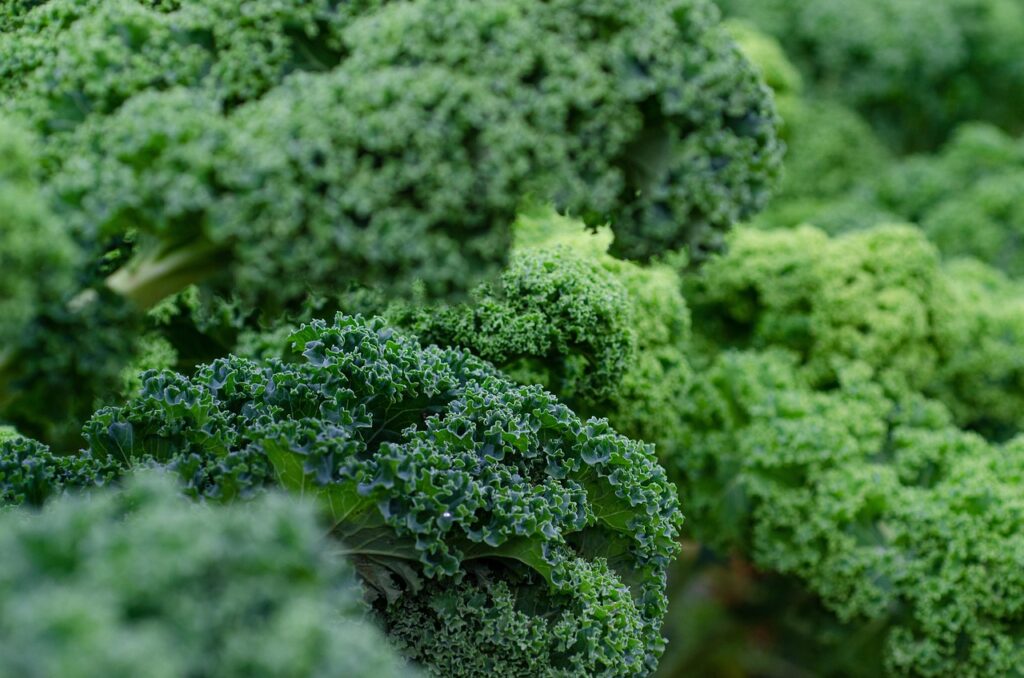
You already know leafy greens are good for you. But did you know that eating just one serving a day could slash your risk of early death by 25% and keep your brain 11 years younger? That’s the leafy greens longevity connection — one of the strongest in nutrition science. Here’s the catch: it only works if the greens end up on your plate, not in the trash. That’s why this article covers the science and a simple trick to keep greens fresh for two weeks.
Key Takeaways
- 22-25% lower risk of early death — that’s what a daily serving of leafy greens gives you, based on large reviews.
- 11 years younger brain — one serving a day slowed cognitive decline by the same amount as being 11 years younger in a Rush University study.
- 15% lower heart disease risk — natural nitrates in greens help lower blood pressure and protect blood vessels.
- The paper towel trick — a 5-minute prep routine can keep greens fresh for up to 14 days, so you never waste a leaf again.
Quick Answer: Are Leafy Greens the Best Food for Longevity?
Yes — leafy greens consistently rank at the top of longevity-promoting foods in research. A 2021 review of 24 studies found that each 100-gram serving of green leafy vegetables (about one cup cooked or two cups raw) is linked to a 25% lower risk of early death. Their brain, heart, and anti-inflammatory benefits make them one of the best foods you can add daily. And with the right storage, you can keep them ready to eat all week.
The Science Behind Leafy Greens Longevity Benefits
The leafy greens longevity link isn’t a marketing gimmick. It’s backed by some of the biggest nutrition studies ever done. A review in the European Journal of Preventive Cardiology looked at 16 meta-analyses and found that green leafy vegetables were linked to a 22% drop in risk of early death. Another review in Food Chemistry that covered 24 meta-analyses put the number closer to 25% for each daily 100-gram serving.
Here’s what’s actually happening: leafy greens are packed with compounds that target many aging pathways at once. Lutein and zeaxanthin protect your eyes and brain. Vitamin K keeps bones and blood vessels healthy. Folate helps cells divide properly. Nitrate turns into nitric oxide, which relaxes blood vessels and improves blood flow. This team of nutrients is why leafy greens longevity is so powerful.
Your Brain on Greens: The 11-Year Cognitive Advantage
If there’s one number to remember, it’s 11. In a landmark 2018 study from Rush University in Neurology, researchers followed 960 older adults for about five years. Those who ate about 1.3 servings of leafy greens per day (one cup of cooked spinach or two cups of raw kale) had cognitive decline rates equal to being 11 years younger than those who ate few greens — echoing the Mediterranean diet’s brain-protective effects.
The study found six nutrients behind this effect: vitamin K1, lutein, folate, vitamin E, nitrate, and kaempferol. And the finding holds up. A 2024 study in The Journal of Nutrition, Health & Aging confirmed the results in two separate groups — one in China and one in the US — showing that green leafy vegetables were consistently linked to better brain function and slower decline.
Even more striking: a 2023 autopsy study found that people who ate the most leafy greens had less Alzheimer’s damage in their brain tissue. That means greens may protect your brain at the physical level, not just on tests.
Heart Health & Blood Pressure: The Nitrate-NO Pathway
You’ve heard that nitrates are bad. That’s true for synthetic nitrates in processed meats, but it’s different for natural nitrates in vegetables. When you eat kale or arugula, the nitrate turns into nitric oxide — a molecule that relaxes and widens blood vessels, lowering blood pressure and improving blood flow. This is a key part of leafy greens longevity for heart health.
A 2021 Danish study of over 53,000 people followed for 23 years found that those who ate about 60 milligrams of vegetable nitrate per day (about one cup of leafy greens) had a 15% lower risk of heart disease. They also had lower blood pressure: about 2.6 mmHg lower systolic and 1.4 mmHg lower diastolic than those with the lowest intake.
A review of 81 studies with over 4 million people, published in the Journal of the American Heart Association, confirmed that green leafy vegetables are among the foods with the strongest evidence for heart protection. So every handful of spinach helps your heart.
Fighting Inflammation at the Cellular Level
Long-term inflammation is a key driver of aging and diseases like heart disease, arthritis, and Alzheimer’s. Leafy greens are full of antioxidants and polyphenols that help keep inflammation under control. Harvard Health Publishing lists green leafy vegetables as top anti-inflammatory foods, rich in compounds that protect cells from damage.
One star is kaempferol, a flavonoid that can reduce inflammatory markers like C-reactive protein. Another is lutein, which also protects your eyes and acts as an antioxidant throughout your body. Adding more greens helps your body fight inflammation — another way leafy greens longevity works.
Make Leafy Greens Longevity Easy with These Storage Tips
Here’s the problem no other longevity article addresses: greens go bad fast. You buy spinach with good intentions, and three days later it’s slimy. The health benefits don’t matter if the greens end up in the trash. So let’s fix that.
The best method is the simplest: the paper towel trick. Here’s how:
- Buy fresh, dry greens — Look for crisp leaves with no wilting or wetness.
- Line your container — Put a clean, dry paper towel at the bottom of a salad spinner or large container.
- Add greens — Place unwashed greens on the towel. Don’t wash until you’re ready to use them.
- Top with another towel — Lay a second paper towel on top.
- Flip it — Cover and flip the container upside down in the fridge. The top towel catches condensation.
- Replace towels weekly — Change the towels when damp.
The Guardian tested this method against several expensive containers and found it kept baby spinach fresh for 14 days — beating products that cost $20 or more. The key is moisture control: greens need a little humidity, but too much causes rot. Paper towels strike the right balance.
Now you can buy a big bunch of kale on Sunday, prep it once, and have fresh greens all week. That’s what makes a leafy greens longevity habit sustainable.
FAQ: Your Top Leafy Greens Longevity Questions, Answered
Q: How many servings of leafy greens should I eat for longevity?
A: At least one serving per day (one cup cooked or two cups raw). Two is even better. Studies show benefits up to about 800 grams of fruits and vegetables per day, but even one serving helps.
Q: Does it matter which green I choose?
A: Variety is best, but kale, spinach, collard greens, arugula, and Swiss chard are all great. Each has a different nutrient profile — kale is high in antioxidants, spinach in iron, arugula in nitrates for heart health.
Q: Are frozen greens as good as fresh?
A: Yes — frozen greens are flash-frozen at peak ripeness, so most nutrients stay. They work well in smoothies, soups, and sautés. But they won’t work in raw salads.
Q: Can I get the same benefits from green powders?
A: Not really. Whole greens have fiber, water, and hundreds of compounds that work together. Powders are convenient but don’t replace real greens. Aim for whole greens first.
The Bottom Line: Leafy Greens Longevity Is Real and Achievable
The evidence is clear: green leafy vegetables are one of the most powerful tools for a longer, healthier life. A daily serving can lower your risk of early death by 22-25%, keep your brain sharp, protect your heart, and reduce inflammation. With the paper towel storage method, you can keep greens fresh and stop wasting food.
Start small. Next time you’re at the store, buy a bunch of kale or spinach. Spend five minutes prepping it with the paper towel method. Then add a handful to one meal each day — your breakfast smoothie, lunch salad, or dinner sauté. Your future self will thank you. That’s the power of leafy greens longevity in action.