

5-Minute Quick Breakfast Recipes That Actually Work
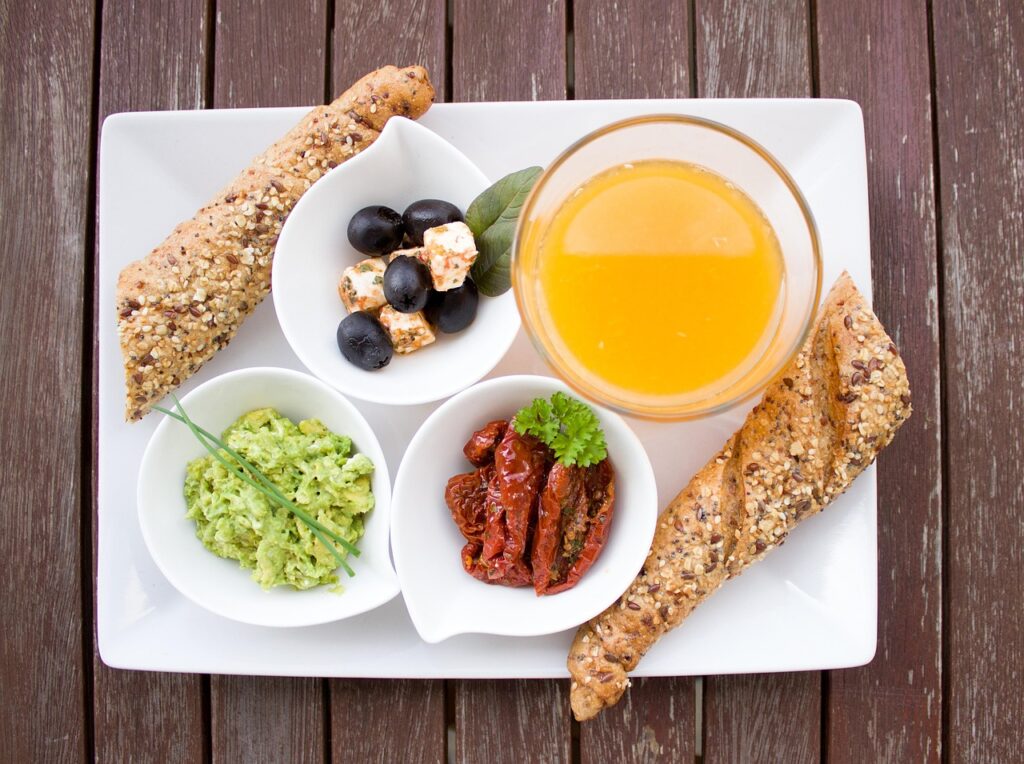
You know the feeling. The alarm goes off, you hit snooze, and suddenly you have exactly seven minutes to get out the door. Breakfast? It becomes an afterthought — or you skip it entirely. But here’s the thing: you don’t need a complicated recipe or a full kitchen setup to eat well in the morning. What you need is a simple formula that works every time. Let’s talk about building quick breakfast recipes that actually keep you full and focused until lunch.
Key Takeaways
- Use the formula: Protein + Fiber + Healthy Fat = a breakfast that keeps you satisfied for hours.
- Aim for 20-30 grams of protein at breakfast to improve fullness and concentration.
- Stock your pantry wisely so you can build a balanced breakfast in five minutes without thinking.
- You don’t need fancy recipes — just the right building blocks and a few go-to combinations.
- Eating something balanced is better than skipping or grabbing something that won’t carry you to lunch.
The 5-Minute Breakfast Formula
Here’s the simplest way to think about it. Every balanced breakfast needs three things: protein to keep you full, fiber to steady your blood sugar, and healthy fat to make the meal satisfying. That’s it. No complicated macros, no measuring cups required.
Research backs this up. A 2024 study found that a protein-rich breakfast significantly improved satiety and cognitive concentration compared to a low-protein breakfast or no breakfast at all. Participants who ate the high-protein meal felt fuller and scored 3.5 percentage points higher on concentration tests before lunch. Another study from 2019 showed that a breakfast with 35 grams of protein led to greater daily fullness than one with just 13 grams — regardless of whether participants usually ate breakfast or skipped it.
So what does this look like in practice? Let me show you.
Quick Answer: What’s the best quick breakfast?
The best quick breakfast recipes combine protein (eggs, Greek yogurt, cottage cheese, beans), fiber (whole grains, fruit, vegetables, chia seeds), and healthy fat (avocado, nuts, seeds, olive oil). Aim for 20-30 grams of protein and at least 8 grams of fiber. This combination keeps your blood sugar stable and your energy steady until lunch.
Why This Formula Works
Let’s break down each piece of the puzzle. Understanding why these components matter will help you build better breakfasts without needing a recipe.
The Protein Piece
Protein is the star of the show. A 2024 study published in the Journal of Dairy Science found that a protein-rich breakfast led to significantly higher satiety, fullness, and satisfaction compared to a low-protein breakfast. It also improved cognitive concentration by 3.5 percentage points. That’s the difference between feeling foggy and feeling sharp during your morning meeting.
Good news: you don’t need meat to get there. A 2025 study in the Journal of Nutrition found that beans improved satiety just as effectively as beef in breakfast meals. So whether you prefer eggs, Greek yogurt, cottage cheese, or black beans, you can hit that 20-30 gram protein target.
The Fiber Factor
Fiber slows down digestion, which means your energy lasts longer. It also helps steady your blood sugar, preventing that mid-morning crash. Think whole grains, fruits, vegetables, chia seeds, and beans. High fiber breakfast ideas like oatmeal with berries give you fiber from both the oats and the fruit. A smoothie with spinach and chia seeds does the same.
Healthy Fats for Satisfaction
Fat gets a bad reputation, but healthy fats are essential for meal satisfaction. They help you feel like you actually ate something. Avocado, nuts, seeds, and olive oil all count. A 2025 study found that a walnut-rich breakfast improved reaction times on executive function tasks throughout the day, with more complex effects on memory that varied across the morning.
6 Quick Breakfast Recipes That Use the Formula
Here are six quick breakfast recipes that demonstrate the formula in action. Each one takes five minutes or less and hits the protein, fiber, and healthy fat targets.
1. Avocado-Egg Toast with Hemp Seeds
The formula: Protein (egg) + Fiber (whole-grain bread, avocado) + Healthy Fat (avocado, hemp seeds). Mash half an avocado on whole-grain toast. Top with a fried or scrambled egg. Sprinkle with hemp seeds and red pepper flakes. Ready in 5 minutes. Protein: ~15g, Fiber: ~8g.
2. Greek Yogurt Parfait with Berries and Nuts
The formula: Protein (Greek yogurt) + Fiber (berries, chia seeds) + Healthy Fat (walnuts, almonds). Layer 1 cup plain Greek yogurt with 1/2 cup frozen berries, 2 tablespoons chia seeds, and a handful of walnuts. Greek yogurt is a healthy living essential for good reason — it packs protein and probiotics into every serving. Drizzle with a little honey if you like. Ready in 3 minutes. Protein: ~22g, Fiber: ~10g.
3. High-Protein Green Smoothie
The formula: Protein (Greek yogurt or protein powder, milk) + Fiber (spinach, frozen banana, chia seeds) + Healthy Fat (almond butter). Blend 1 cup milk, 1 scoop protein powder or 1/2 cup Greek yogurt, 1 handful spinach, 1/2 frozen banana, 1 tablespoon almond butter, and 1 tablespoon chia seeds. Ready in 3 minutes. Protein: ~25g, Fiber: ~8g.
4. Microwave Mug Eggs with Spinach and Cheese
The formula: Protein (eggs, cheese) + Fiber (spinach) + Healthy Fat (cheese, olive oil). Whisk 2 eggs with a handful of fresh spinach and 2 tablespoons shredded cheese in a microwave-safe mug. Microwave for 60-90 seconds. Ready in 2 minutes. Protein: ~18g, Fiber: ~2g. Serve with a piece of whole-grain toast for more fiber.
5. Cottage Cheese Toast with Avocado and Tomatoes
The formula: Protein (cottage cheese) + Fiber (whole-grain bread, tomatoes) + Healthy Fat (avocado). Toast a slice of whole-grain bread. Top with 1/2 cup cottage cheese, a few slices of avocado, and cherry tomatoes. Sprinkle with black pepper and everything bagel seasoning. Ready in 4 minutes. Protein: ~20g, Fiber: ~6g.
6. Peanut Butter Banana Oats with Flax
The formula: Protein (milk, peanut butter) + Fiber (oats, banana, flax seeds) + Healthy Fat (peanut butter, flax). Combine 1/2 cup rolled oats with 1 cup milk. Microwave for 2 minutes. Stir in 1 tablespoon peanut butter, 1 sliced banana, and 1 tablespoon ground flax seeds. Ready in 4 minutes. Protein: ~16g, Fiber: ~10g.
Your Pantry Staples Checklist
The secret to making quick breakfast recipes work is having the right ingredients on hand. When your pantry is stocked, you can build a balanced breakfast in under five minutes without even thinking about it.
Here’s what to keep in your kitchen:
Protein Sources
Eggs, Greek yogurt, cottage cheese, milk or unsweetened plant milk, canned beans (black beans, chickpeas), protein powder (optional), nut butters (peanut, almond).
Fiber Sources
Rolled oats, whole-grain bread, frozen fruit (berries, bananas, mangoes), fresh fruit (apples, bananas, oranges), chia seeds, ground flax seeds, vegetables (spinach, avocado, tomatoes).
Healthy Fat Sources
Avocados, nuts (walnuts, almonds), seeds (chia, flax, hemp, pumpkin), nut butters, olive oil, full-fat yogurt or cheese (in moderation).
Build Your Own Breakfast in 3 Steps
Once you understand the formula, you don’t need recipes anymore. Here’s how to build your own quick breakfast recipes in three simple steps.
Step 1: Pick your base. Choose one: eggs, Greek yogurt, cottage cheese, oatmeal, smoothie, or toast. This is your protein and carb foundation.
Step 2: Add fiber. Add fruit, vegetables, or whole grains. Think berries on yogurt, spinach in eggs, or banana on toast.
Step 3: Top with healthy fat. Add nuts, seeds, avocado, or nut butter. This is what makes the meal satisfying and keeps you full until lunch.
That’s it. You now have a reusable skill that works with whatever you have in your kitchen.
What About Breakfast Skipping?
Let’s be honest about the elephant in the room. A 2025 systematic review of 66 studies found that breakfast skipping is associated with obesity, metabolic dysfunction, and cognitive impacts. But here’s the nuance: if you’re intentionally practicing time-restricted eating or intermittent fasting, that’s a different situation.
The key question is: are you skipping breakfast because you’re rushed and don’t have time, or because you’re following an intentional eating pattern? If it’s the former, the quick breakfast recipes in this article can help you build a habit that supports your energy and focus. If it’s the latter, the quality of your later meals becomes even more important.
The bottom line: if you’re hungry in the morning, eat. And when you do, make it count.
Frequently Asked Questions
How much protein should I aim for at breakfast?
Research suggests 20-30 grams of protein is a good target for sustained satiety. A 2019 study found that 35 grams led to greater fullness than 13 grams. Start with 20 grams and adjust based on how you feel.
What if I don’t have time to cook anything?
No-cook options are your friend. Greek yogurt with berries and nuts takes 3 minutes. Cottage cheese on toast with avocado takes 4 minutes. A smoothie takes 3 minutes. These are all quick breakfast recipes that require zero cooking.
Can I meal prep quick breakfasts?
Absolutely. The Mayo Clinic recommends make-ahead options like overnight oats, freezer frittatas, and batch-prepped smoothie packs. You can also try our peach baked oatmeal for a sweet make-ahead breakfast. Spend 30 minutes on Sunday and you’ll have breakfast ready all week.
Is it better to skip breakfast or eat something unhealthy?
Research suggests that the quality of breakfast matters more than the act of eating something. If your only option is a sugary pastry, you might be better off waiting until you can eat something balanced. But with the formula above, you can almost always find a balanced option in five minutes.
The Bottom Line
You don’t need 18 different recipes or a full kitchen setup to eat a healthy breakfast. You need one simple formula: Protein + Fiber + Healthy Fat. Once you understand that, you can build a balanced breakfast in five minutes with whatever you have on hand.
Stock your pantry with the staples above. Practice the formula a few times. And remember: a breakfast that works is one that keeps you energized and focused until lunch. That’s the goal. Not perfection, not a complicated recipe — just a meal that works for your morning.
Start tomorrow. Pick one of the quick breakfast recipes above or build your own using the three-step method. Your morning self will thank you.