
Turmeric Ginger Cinnamon Tea: Benefits for Women
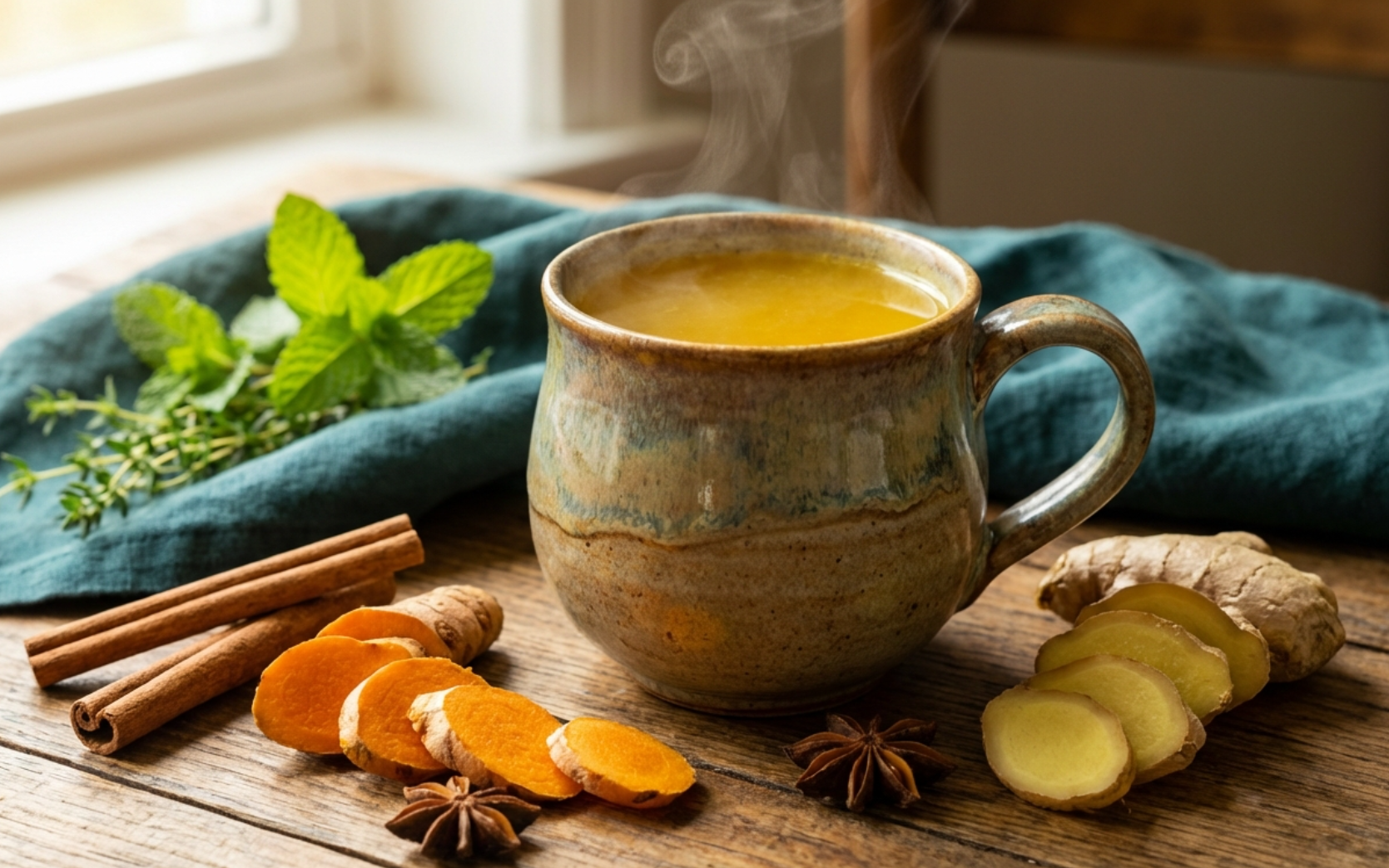
What if a single cup of tea could fight inflammation, support your hormones, and stabilize your blood sugar — all at the same time? That’s exactly what the research suggests about turmeric ginger cinnamon tea. This powerful three-ingredient blend has been used in traditional medicine for thousands of years, and modern science is finally catching up with what healers always knew. Whether you’re dealing with joint pain, energy crashes, bloating, or hormonal shifts, turmeric ginger cinnamon tea may be one of the simplest additions to your healthy routine.
Quick Answer: Is Turmeric Ginger Cinnamon Tea Good for Women?
Yes — and the evidence is impressive. This tea combines three of the most studied anti-inflammatory spices in the world. Turmeric’s curcumin reduces chronic inflammation and supports joint health. Ginger relieves menstrual pain and aids digestion. Cinnamon helps regulate blood sugar and supports metabolic health. Together, they create a synergistic blend that offers real, measurable benefits — especially for women navigating hormonal changes, metabolic shifts, and daily inflammation.
Why Turmeric Ginger Cinnamon Tea Is Having a Moment (And Why It Deserves It)
Golden milk, wellness shots, anti-inflammatory teas — the market is flooded with products featuring these three spices. But unlike many health trends, this one is backed by centuries of traditional use and a growing body of clinical research. Turmeric, ginger, and cinnamon aren’t new discoveries. They’re ancient medicines that science is rediscovering.
For women especially, chronic low-grade inflammation is a hidden driver behind fatigue, weight gain, hormonal imbalance, and mood disruption. Every one of these three spices targets inflammation through different pathways — meaning they don’t just stack benefits, they multiply them. That’s the real reason this tea deserves serious attention.
And unlike supplements, you’re getting these compounds in a warm, bioavailable, easily digestible form. Your body can process the active compounds in tea more readily when consumed with water and a pinch of black pepper. Understanding how this works — and how to make it correctly — is the first step toward making this a genuine healthy habit rather than just a passing trend.
What Makes This Turmeric Ginger Cinnamon Tea So Powerful?
The power of this tea comes from the synergy of three distinct bioactive compound families. Each spice has been studied independently, and each brings something irreplaceable to the blend. Let’s break down exactly what you’re getting in every cup.
Turmeric: The Curcumin Powerhouse
Turmeric’s active compound, curcumin, is one of the most extensively studied natural anti-inflammatories in the world. According to a comprehensive review in PubMed, curcumin demonstrates potent anti-inflammatory, antioxidant, and immunomodulatory properties, influencing multiple inflammatory pathways simultaneously. It doesn’t just block one enzyme — it works across the entire inflammatory cascade.
For women specifically, the research is particularly compelling. A 2025 randomized controlled trial published in BMJ Open found that 8 weeks of curcumin supplementation significantly improved musculoskeletal health and reduced fatigue in postmenopausal women compared to placebo. Given that estrogen decline elevates inflammatory markers, curcumin’s ability to address this underlying driver is especially valuable.
There’s one important catch: curcumin has low natural bioavailability. Your body doesn’t absorb it well on its own. The solution? Always add a pinch of black pepper to your turmeric ginger cinnamon tea. Piperine, the active compound in black pepper, has been shown to increase curcumin absorption by up to 2,000%. That’s not a typo. One small addition transforms a moderately effective tea into a genuinely powerful one.
Ginger: The Women’s Wellness Spice
Ginger deserves its reputation as one of the most versatile medicinal spices available. Its primary active compounds, gingerols and shogaols, work as potent anti-inflammatory agents by inhibiting prostaglandin and leukotriene synthesis — the same inflammatory pathways targeted by many over-the-counter pain medications, but without the side effects.
What makes ginger particularly relevant for women? The research on menstrual pain is striking. A meta-analysis published in PMC (NIH) analyzing multiple clinical trials found ginger was significantly more effective than placebo for relieving menstrual pain — and in direct comparisons, performed similarly to non-steroidal anti-inflammatory drugs (NSAIDs) like ibuprofen. That’s a remarkable finding for a simple spice you can brew into a tea.
Ginger also shines during perimenopause and menopause. Research published in Molecules (NIH) confirms ginger’s anti-inflammatory, antioxidant, and cardioprotective properties, while additional studies suggest it may help with hot flashes, support bone health by promoting bone-building activity, and provide neuroprotective benefits against cognitive decline. Ginger is also among the strongest antihistamine foods — relevant for women whose immune responses shift with hormonal changes.
Cinnamon: The Blood Sugar Balancer
Cinnamon is the metabolic anchor of this trio. Its active compound, cinnamaldehyde, works through multiple mechanisms to support healthy blood sugar. It promotes insulin release, enhances insulin sensitivity, and influences key enzymes in glucose regulation. For women dealing with energy crashes, sugar cravings, and the metabolic shifts of midlife, this matters tremendously.
A 2023 umbrella meta-analysis in Diabetology & Metabolic Syndrome — analyzing 11 separate meta-analyses of randomized controlled trials — confirmed cinnamon’s glycemic-lowering effects in people with type 2 diabetes and polycystic ovary syndrome (PCOS). This is significant because PCOS, which affects an estimated 10-15% of women of reproductive age, is fundamentally driven by insulin resistance. Cinnamon offers a natural, accessible tool to support this aspect of metabolic health.
Cinnamon also adds powerful antioxidant activity and supports healthy cholesterol levels by reducing LDL while supporting HDL. Combined with turmeric and ginger’s anti-inflammatory properties, you have a genuinely comprehensive metabolic support blend. Consider pairing this tea with other foods that balance hormones naturally for even greater effect.
Which Type of Cinnamon Should I Use?
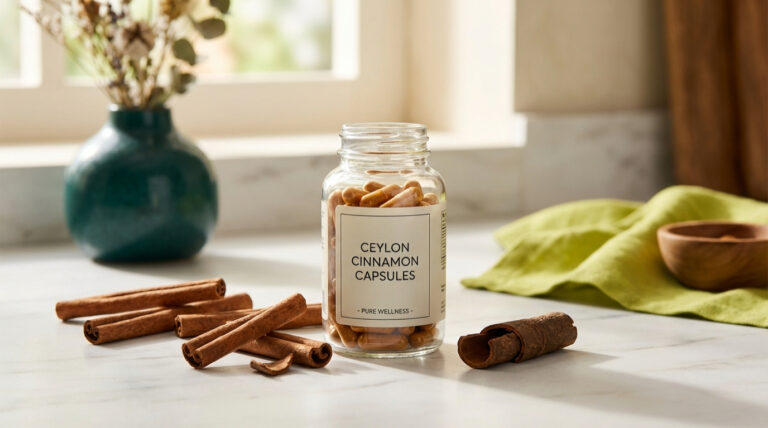
There are two main types: Ceylon cinnamon (true cinnamon) and Cassia cinnamon. Ceylon is lower in coumarin, a compound that can affect the liver in very high doses, making it the safer choice for daily consumption. Cassia is more common and widely available, but it’s best used in moderation. For a daily turmeric ginger cinnamon tea, Ceylon cinnamon is the recommended choice. Learn more about the differences in our Ceylon vs. Cassia cinnamon guide.
7 Evidence-Based Benefits of Turmeric Ginger Cinnamon Tea for Women
Now that we understand each ingredient, let’s look at what happens when you combine all three. The synergistic effects go well beyond what any single spice can achieve alone.
1. Reduces Chronic Inflammation
Chronic inflammation is the root driver of most modern health problems — from joint pain and autoimmune conditions to cardiovascular disease and metabolic syndrome. All three spices in this tea work to reduce inflammatory markers, including C-reactive protein (CRP), TNF-alpha, and various interleukins. Drinking this tea consistently may help keep your body’s inflammatory response in a healthy, balanced state rather than a chronic, damaging one.
This is especially relevant for women after 40, when declining estrogen removes one of the body’s natural anti-inflammatory buffers. Think of this tea as a gentle, daily counterbalance to that hormonal shift. It supports your body rather than overwhelming it with pharmaceutical interventions.
2. Supports Joint Health and Pain Relief
Joint stiffness, arthritis, and muscle soreness respond particularly well to the curcumin-gingerol combination. Research has shown that taking 1,000 mg of curcumin can be as effective as certain pain medications for reducing joint pain in arthritis patients. Ginger provides additional COX-2 inhibition — the same anti-inflammatory pathway targeted by drugs like ibuprofen — without gastrointestinal side effects.
Combined in a daily tea, these compounds create a sustained, gentle anti-inflammatory environment that supports joint mobility over time. This isn’t a quick fix — it’s a daily habit that accumulates benefits over weeks and months. Consider pairing this tea with movement practices for healthy aging for a comprehensive approach to joint health.
3. Balances Blood Sugar and Supports Metabolic Health
Both cinnamon and ginger demonstrate meaningful effects on fasting blood glucose, HbA1c, and insulin sensitivity. Cinnamon’s cinnamaldehyde activates insulin receptor kinase, helping glucose enter cells more efficiently. Meanwhile, gingerol in ginger has been shown to reduce fasting blood sugar and improve lipid profiles, including lowering LDL and triglycerides while raising HDL.
For women managing weight, PCOS, prediabetes, or the metabolic changes of perimenopause, this combination is particularly valuable. Stable blood sugar means fewer cravings, more consistent energy, and better metabolic function for weight management. This tea pairs beautifully with a balanced eating approach.
4. Eases Menstrual Pain and PMS
Ginger is emerging as a legitimate natural alternative to NSAIDs for dysmenorrhea. Multiple randomized controlled trials have confirmed that ginger powder (500 mg taken three times daily starting two days before menstruation) reduces both the severity and duration of menstrual pain. The mechanism is clear: ginger inhibits COX-2-driven prostaglandin synthesis, the direct cause of uterine cramping.
Turmeric’s curcumin adds additional anti-inflammatory support, while cinnamon’s blood sugar-stabilizing effects may reduce the mood swings and energy crashes often associated with PMS. Drinking turmeric ginger cinnamon tea in the days leading up to and during your period offers a comprehensive natural approach to menstrual wellness.
5. Supports Healthy Digestion and Reduces Bloating
Ginger has a well-established reputation as a digestive aid. It promotes gastric motility, reduces nausea, eases bloating, and supports the microbiome in people with irritable bowel syndrome and inflammatory bowel conditions. Turmeric’s curcumin has been shown to help with inflammatory bowel conditions, improve liver function, and support the digestive tract’s mucosal lining.
Cinnamon adds a soothing element that helps regulate digestive processes and reduce intestinal discomfort. Drinking this tea after meals may be particularly effective for reducing post-meal bloating and supporting overall gut health. If digestive health is a key concern, explore our anti-bloat 7-day reset plan alongside this tea practice.
6. Boosts Immune Function and Antioxidant Defense
All three spices are rich in antioxidants, which protect cells from oxidative damage caused by free radicals. Curcumin’s antioxidant activity actually exceeds that of both Vitamin C and Vitamin E in laboratory studies. Together, turmeric, ginger, and cinnamon create a potent antioxidant shield that supports immune function, promotes skin health, and protects against the cellular aging that underlies chronic disease.
Ginger’s antimicrobial properties also provide direct immune support, helping the body fight bacterial and viral pathogens. As a woman’s immune response shifts with hormonal changes during perimenopause, this antioxidant and antimicrobial support becomes increasingly important for daily resilience.
7. Supports Brain Health and Reduces Fatigue
The brain health benefits of this tea are frequently overlooked. Curcumin has been shown to cross the blood-brain barrier, where it may inhibit the formation of amyloid plaques associated with Alzheimer’s disease and reduce neuroinflammation. Meanwhile, the 2025 clinical trial mentioned earlier demonstrated that curcumin significantly reduced fatigue in postmenopausal women — an effect researchers attribute partly to curcumin’s ability to enhance mitochondrial biogenesis, directly boosting cellular energy production.
Ginger also provides neuroprotective benefits that may help with mood, anxiety, and cognitive clarity. Cultures that consume these spices daily consistently show the lowest rates of cognitive decline worldwide. For women concerned about brain fog and mental fatigue, this tea is a genuinely valuable addition to their daily routine.
Does Turmeric Ginger Cinnamon Tea Help with Weight Loss?
It can support your weight management goals indirectly through multiple pathways. Cinnamon and ginger help regulate blood sugar and reduce insulin resistance — key drivers of weight gain, especially around the midsection. Reduced inflammation also supports better metabolic function. Ginger may additionally have mild thermogenic properties that support calorie burning. However, this tea works best as part of a comprehensive approach. Pair it with our weight loss guide for women over 40 for best results.
How to Make Turmeric Ginger Cinnamon Tea: 3 Methods
Making this tea is simple, and there are several methods depending on whether you prefer fresh ingredients, dried spices, or convenience. Here’s how to do it right — and how to maximize the benefits.
Method 1: Fresh Ingredients (Most Potent)
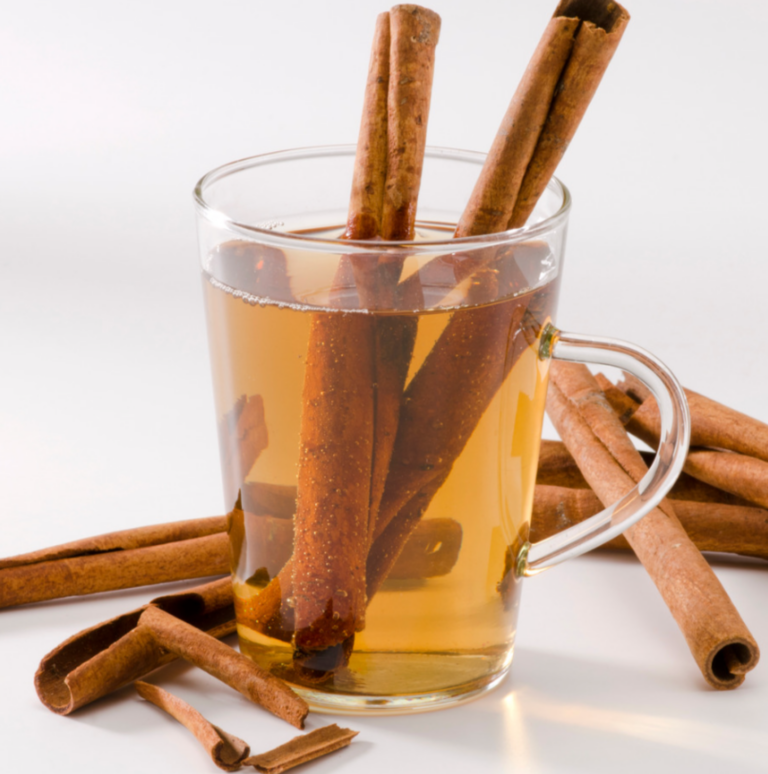
This method delivers the highest concentration of active compounds. Start by bringing 2 cups of filtered water to a gentle simmer. Add a 1-inch piece of fresh turmeric root (grated or sliced), a 1-inch piece of fresh ginger root (grated), and 1 cinnamon stick. Let the mixture simmer for 10-12 minutes to fully extract the active compounds. Strain into your mug, add a pinch of black pepper, and sweeten with a teaspoon of raw honey if desired. A squeeze of lemon brightens the flavor and adds vitamin C, which further supports antioxidant absorption.
Method 2: Ground Spices (Quick and Convenient)
Heat 1.5 cups of water until just below boiling. Whisk together ½ teaspoon of ground turmeric, ½ teaspoon of ground ginger, ¼ teaspoon of ground cinnamon, and a small pinch of black pepper. Add the spice mixture to the hot water and stir well. Let steep for 5 minutes. Strain if desired, then sweeten to taste. This version works beautifully with a splash of unsweetened almond or oat milk for a creamier texture. You can also learn specific preparation techniques in our complete cinnamon tea preparation guide.
Method 3: Cold Brew Overnight (Low Inflammation, Gentle on Stomach)
For women with sensitive stomachs, cold brewing minimizes the spicy intensity while preserving most active compounds. Combine ½ teaspoon each of ground turmeric, ginger, and cinnamon with a pinch of black pepper in a jar. Add 2 cups of cold filtered water, stir well, and refrigerate overnight (8-12 hours). Strain in the morning and enjoy cold or gently warmed. This method produces a smoother, less sharp flavor that’s excellent as a morning metabolic support drink on an empty stomach.
The Secret Ingredient You Should Never Skip
Black pepper is non-negotiable. The piperine in black pepper increases curcumin bioavailability by up to 2,000%, transforming your tea from a moderately effective beverage into a genuinely therapeutic one. You only need a small pinch — enough that you won’t taste it in the finished tea. Don’t skip this step.
The Best Time to Drink Turmeric Ginger Cinnamon Tea
Timing matters more than most people realize. The benefits of this tea shift depending on when you drink it.
In the morning on an empty stomach, turmeric ginger cinnamon tea primes your digestive system, stabilizes early blood sugar, and kickstarts your anti-inflammatory response for the day. Many women who practice this ritual report steadier energy levels and fewer mid-morning cravings. However, if you have a sensitive stomach, start with a small amount and always have food nearby.
After meals, this tea supports digestion, reduces post-meal glucose spikes, and eases bloating. The ginger and cinnamon combination is particularly effective here. Research on cinnamon water consumed before meals suggests it can moderate blood sugar response to subsequent carbohydrate intake.
In the evening, turmeric’s mild sedative qualities and ginger’s calming effect on the nervous system can support relaxation and sleep quality. Pairing this with good sleep hygiene practices supports the sleep architecture that women need for metabolic health and recovery.
How Much Turmeric Ginger Cinnamon Tea Should You Drink?
Most of the research on these spices suggests benefits appear with consistent daily consumption. For a daily tea, 1-2 cups is a reasonable and safe target for most women. This provides a meaningful amount of active compounds without exceeding safe thresholds for any of the three spices.
For cinnamon specifically, the research suggests using Ceylon cinnamon for daily drinking, as Cassia cinnamon is higher in coumarin, which can stress the liver in large amounts over time. Using ¼ to ½ teaspoon of ground cinnamon per cup keeps you comfortably within safe intake ranges regardless of which variety you use.
Consistency matters more than quantity. Drinking one cup daily for 30 days will deliver far more benefit than drinking five cups one week and forgetting about it the next. Think of this as a daily wellness ritual — similar to how cinnamon before bed works best when practiced consistently rather than occasionally.
Turmeric Ginger Cinnamon Tea Variations Worth Trying
Once you’ve mastered the basic recipe, these additions take your cup to the next level — both in flavor and function.
Add lemon for a bright, vitamin C-rich boost that enhances antioxidant absorption and alkalizes the body. Add honey (especially raw Manuka honey) for antimicrobial properties and a natural energy boost without blood sugar spikes. Add coconut milk or oat milk for a creamier “golden latte” style drink that makes fat-soluble curcumin even more bioavailable. Fat enhances curcumin absorption — so a splash of healthy fat in your morning version is a smart move.
Add cardamom for its digestive and blood sugar-supporting properties. Add a bay leaf during simmering for its own mild blood sugar benefits. And for a metabolism-boosting morning version, consider exploring our ginger cinnamon lemon tea guide for additional science-backed combinations.
Can I Drink This Tea During Pregnancy?
Ginger in small amounts has been studied and generally considered safe for pregnancy-related nausea. However, turmeric in medicinal amounts and concentrated cinnamon are not recommended during pregnancy, as they may stimulate uterine contractions. If you are pregnant, please consult your healthcare provider before consuming turmeric ginger cinnamon tea regularly. Small amounts used in cooking are generally considered fine, but medicinal tea preparations warrant caution.
Who Should Be Cautious with Turmeric Ginger Cinnamon Tea?
While this tea is safe for most healthy adults, a few situations warrant caution or a conversation with your doctor.
Blood thinners: Both turmeric and ginger have mild anticoagulant properties. If you’re taking warfarin, aspirin therapy, or other blood-thinning medications, speak with your healthcare provider before making this a daily habit. Gallstones: Turmeric stimulates bile production, which can exacerbate gallstone symptoms in some women. Diabetes medications: Cinnamon and ginger both affect blood sugar. If you’re on diabetes medications, monitor your levels carefully as the combined effect may require medication adjustments.
Surgery: Due to mild blood-thinning effects, it’s wise to discontinue medicinal amounts of ginger and turmeric at least two weeks before surgery. Acid reflux: Some women find ginger’s warming properties irritating on an empty stomach. Start with smaller amounts and take with food if needed. These precautions are standard for any active botanical — and they’re worth noting, but they shouldn’t discourage most healthy women from enjoying this tea daily.
Turmeric Ginger Cinnamon Tea vs. Supplements: Which Is Better?
This is a question worth addressing directly, because many women wonder whether they should simply take supplements instead. The honest answer is: it depends on your goals.
Supplements provide more concentrated and precisely dosed active compounds. Research on curcumin, for example, often uses 500-2000 mg — more than most people would get from tea alone. If you’re dealing with significant joint pain, postmenopausal fatigue, or specific metabolic concerns, a high-quality supplement may provide faster, more measurable results. Explore our best cinnamon supplements guide for women for evidence-based recommendations.
Tea, on the other hand, offers a ritualistic, enjoyable, sustainable approach. The warm liquid enhances the bioavailability of water-soluble compounds. The act of preparing and drinking tea itself supports stress reduction and mindfulness. And there’s something to be said for consuming these compounds as whole food preparations rather than isolates — the complete matrix of phytochemicals in whole spices may work synergistically in ways supplements can’t replicate. For daily wellness maintenance, tea wins on sustainability and enjoyment. For therapeutic goals, consider both approaches together.
Frequently Asked Questions
How long does it take to feel the benefits?
Digestive improvements often appear within days. Reduced bloating and more stable energy can be noticed in the first 1-2 weeks. Anti-inflammatory benefits, including joint pain reduction and improved fatigue, typically require 4-8 weeks of consistent daily use. Blood sugar improvements require consistent use over at least 30 days. The key word is consistency — daily use accumulates benefits that sporadic drinking cannot match.
Is turmeric ginger cinnamon tea good for menopause?
Very much so. Research specifically on postmenopausal women shows curcumin reduces fatigue and improves musculoskeletal health — two of the most common complaints during this life stage. Ginger may help reduce hot flashes, support bone health, and ease joint inflammation that worsens after estrogen decline. Cinnamon helps manage the metabolic shifts common during menopause. Together, they address multiple aspects of menopausal wellness simultaneously.
Can I make a big batch and store it?
Yes, absolutely. Make a 4-cup batch, strain, and refrigerate in a sealed glass jar for up to 3 days. Gently reheat on the stovetop (don’t microwave, which can degrade some active compounds) or enjoy cold as a refreshing anti-inflammatory drink. You can also add ginger, turmeric, and cinnamon to a larger batch of cinnamon water for a milder daily version.
Will turmeric stain my teeth?
Turmeric can cause temporary yellowing on teeth with repeated contact, particularly with ceramic or porous mugs. To minimize this: drink through a straw, rinse your mouth with water immediately after, and brush your teeth about 30 minutes after drinking. Using a glass or stainless steel cup also helps prevent staining. Most women find this manageable with simple habits.
Can I add this to my anti-bloating routine?
Yes — ginger and turmeric are both excellent digestive aids. Ginger promotes gastric emptying and reduces bloating, while turmeric supports liver function and bile production for better fat digestion. Pairing this tea with our anti-bloating tea guide and the foods that reduce bloating fast creates a comprehensive digestive support system.
The Bottom Line: Should You Add This Tea to Your Daily Routine?
Turmeric ginger cinnamon tea is one of the most evidence-backed, accessible, and enjoyable daily wellness habits available to women. The research on each individual ingredient is compelling, and the synergistic combination addresses some of the most common health challenges women face — inflammation, hormonal imbalance, metabolic disruption, digestive discomfort, and fatigue.
This isn’t a miracle cure, and we’d never suggest otherwise. It’s a powerful, sustainable daily practice that works best when paired with a nutritious diet, regular movement, quality sleep, and stress management. But as one element of a healthy lifestyle, few things offer this level of benefit for such minimal effort and cost.
Start with one cup daily, be consistent for at least 30 days, and pay attention to how you feel. The changes may be subtle at first — better digestion, steadier energy, less joint stiffness in the morning. Over time, those subtle shifts compound into something genuinely meaningful. Your daily cup of turmeric ginger cinnamon tea isn’t just a beverage. It’s an investment in your long-term health.