
Best Cinnamon Supplements for Women: Complete Buyer’s Guide 2026
Searching for the best cinnamon supplements for women but overwhelmed by safety warnings, contradictory dosage advice, and dozens of brands claiming to be “the best”? Between FDA lead contamination alerts, confusing Ceylon vs. Cassia labels, and supplement marketing that promises everything from weight loss to hormone balance, choosing a quality cinnamon supplement feels impossible. This evidence-based buyer’s guide cuts through the noise to help you find safe, effective cinnamon supplements backed by real science—especially if you’re managing PCOS, metabolic health, or insulin resistance.
Quick Answer: Which Cinnamon Supplements Are Best for Women?
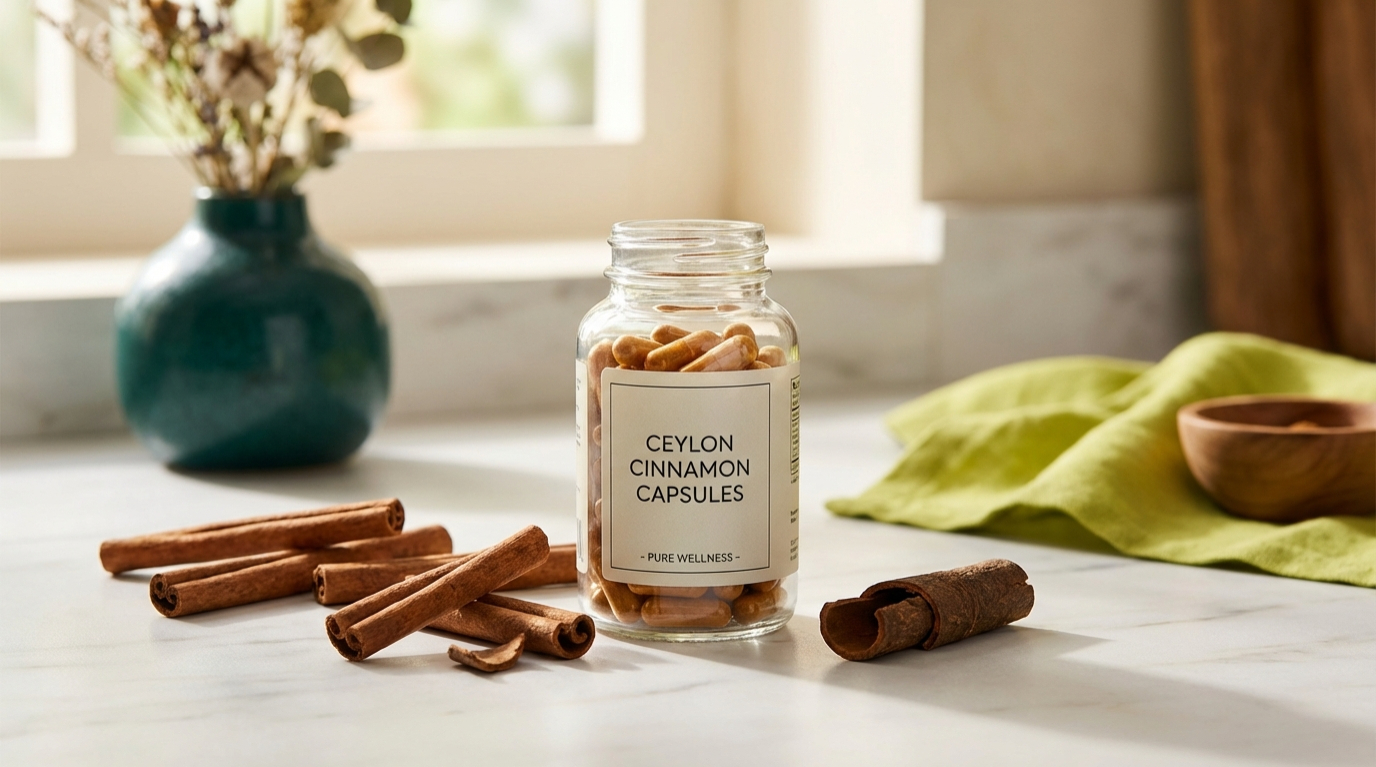
The best cinnamon supplements for women use Ceylon cinnamon (true cinnamon) in doses of 1,000-1,500mg daily, are third-party tested for lead and coumarin contamination, contain high levels of beneficial PACs (proanthocyanidins), and specifically support PCOS management, insulin sensitivity, and metabolic health. Quality matters enormously—recent FDA testing found lead contamination in multiple ground cinnamon products, making supplement selection critical for safety.
Why Women Need Different Guidance for Cinnamon Supplements
Walk into any pharmacy and cinnamon supplements line the shelves—but which ones actually support women’s specific health needs? Not all cinnamon products are created equal, especially when you’re dealing with hormonal conditions like PCOS, insulin resistance, or metabolic challenges that disproportionately affect women.
Women’s bodies respond differently to cinnamon supplementation. Clinical trials studying cinnamon for PCOS used specific doses (1,000-1,500mg daily), specific types (usually standardized extracts), and measured outcomes relevant to women’s health—menstrual regularity, insulin sensitivity, testosterone levels, and ovulation. Random cinnamon capsules from Amazon might not deliver these targeted benefits.
Moreover, safety concerns hit differently for women of childbearing age. ConsumerLab’s 2025 testing revealed that lead contamination remains a significant issue in cinnamon products. For women who are pregnant, planning pregnancy, or breastfeeding, even low lead exposure carries serious risks. This makes choosing rigorously tested supplements absolutely essential.
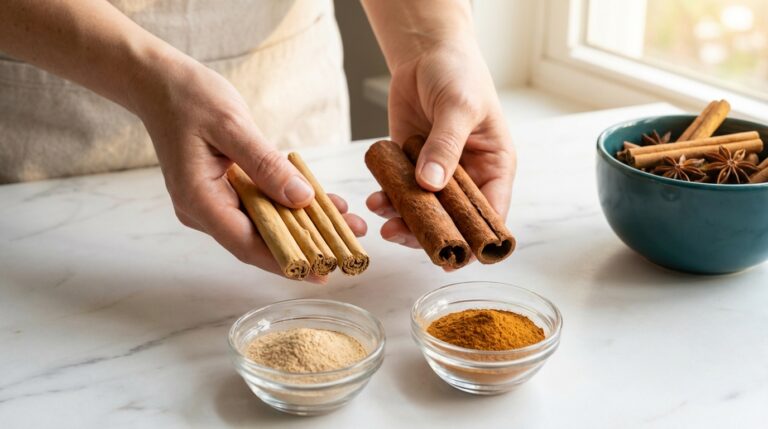
Ceylon vs. Cassia Cinnamon: What Women Need to Know
The first decision when choosing the best cinnamon supplements for women is understanding Ceylon versus Cassia cinnamon. This isn’t just marketing fluff—it’s a genuine safety concern that affects daily supplementation.
Ceylon Cinnamon (Cinnamomum verum)
Ceylon cinnamon, grown primarily in Sri Lanka, is called “true cinnamon” for good reason. It contains significantly lower levels of coumarin, a naturally occurring compound that can damage the liver when consumed in large amounts over time. For daily supplementation—which is exactly what clinical trials for PCOS and metabolic health require—Ceylon cinnamon is the safer choice.
Coumarin limits matter enormously. Adults shouldn’t exceed 7mg of coumarin daily, and women of childbearing age should be even more cautious. Ceylon cinnamon contains only trace amounts, while Cassia varieties can pack significant coumarin into every dose.
Cassia Cinnamon (Cinnamomum cassia)
Cassia cinnamon is cheaper and more readily available in North America. It’s the type you probably have in your spice rack right now. While Cassia contains the same beneficial compounds (like cinnamaldehyde and PACs), it also delivers much higher coumarin levels—sometimes exceeding safe daily limits in just half a teaspoon.
For occasional culinary use, Cassia is fine. For daily supplementation at therapeutic doses (1,000-1,500mg), Ceylon cinnamon is the smarter, safer choice for women’s health.
The Science: Cinnamon Supplements for PCOS and Insulin Resistance
Let’s talk about why women specifically seek out cinnamon supplements. The research focuses heavily on PCOS (polycystic ovary syndrome) and insulin resistance—conditions affecting millions of women that share metabolic dysfunction as a root cause.
A landmark randomized controlled trial published in the American Journal of Obstetrics & Gynecology studied 45 women with PCOS who took 1,500mg of cinnamon daily for six months. Results were encouraging: women receiving cinnamon showed significantly improved menstrual cyclicity compared to placebo (3.82 cycles vs 2.2 cycles), with two spontaneous pregnancies occurring in the treatment group.
How does cinnamon work? Research suggests it improves insulin sensitivity through polyphenol compounds acting at the cellular level. Better insulin sensitivity means lower testosterone levels (reducing PCOS symptoms like acne, irregular periods, and difficulty losing weight), improved ovulation, and better metabolic health overall.
A 2024 systematic review and meta-analysis in PubMed analyzing cinnamon supplementation in women with PCOS found promising effects on body weight, blood sugar, total cholesterol, LDL cholesterol, and insulin resistance—all key cardiovascular risk factors that women with PCOS face.
Moreover, research comparing cinnamon to metformin (the standard PCOS medication) showed that cinnamon supplementation caused similar reductions in body weight, insulin resistance, testosterone, and free androgen index—without metformin’s notorious gastrointestinal side effects that affect 60-65% of users.
Safety First: Lead Contamination and Quality Testing
Here’s the uncomfortable truth about cinnamon supplements and spices: lead contamination is a widespread, ongoing problem. This isn’t fearmongering—it’s based on extensive FDA testing and independent laboratory analysis throughout 2024 and 2025.
The FDA has issued multiple public health alerts identifying at least 18 ground cinnamon brands with elevated lead levels. Some contained 2-7 parts per million of lead—levels that exceed California’s Proposition 65 limits and pose genuine health risks, especially for children and women of childbearing age.
Lead exposure, even at low levels, causes neurological damage. In pregnant women, it crosses the placental barrier and affects fetal brain development. In adults, chronic low-level exposure contributes to kidney dysfunction, high blood pressure, and cognitive decline. This is why choosing the best cinnamon supplements for women requires looking beyond marketing claims to actual third-party testing.
Why Is Lead in Cinnamon?
Cinnamon trees grow for 10+ years before harvest, giving them ample time to absorb lead from contaminated soil—a particular problem in countries with less strict environmental regulations. The drying process then concentrates whatever lead is present in the bark. Additionally, lead can enter during processing through contaminated equipment or storage containers.
Interestingly, ConsumerLab’s independent testing found that cinnamon supplements generally showed lower lead levels than ground cinnamon spices. This suggests that reputable supplement manufacturers are implementing quality control measures—but only if you choose brands that actually test their products.
What to Look for: 7 Criteria for Best Cinnamon Supplements for Women
Armed with the research and safety concerns, here’s exactly what to look for when choosing cinnamon supplements.
1. Ceylon Cinnamon (Cinnamomum verum)
Choose Ceylon over Cassia for daily supplementation. The label should clearly state “Ceylon cinnamon” or “Cinnamomum verum.” If it just says “cinnamon” without specifying type, assume it’s Cassia and keep looking.
2. Therapeutic Dose (1,000-1,500mg Daily)
Clinical trials showing benefits for PCOS and insulin resistance used 1,000-1,500mg daily. Some supplements provide only 250-500mg per capsule, requiring you to take multiple pills. Others offer higher concentrations (like 20:1 extracts) that deliver therapeutic doses in fewer capsules. Calculate the total daily dose, not just the per-capsule amount.
3. Third-Party Testing for Lead and Heavy Metals
This is non-negotiable. Look for supplements that display third-party testing certifications from organizations like ConsumerLab, NSF International, or USP. These verify that the product actually contains what the label claims and doesn’t contain dangerous contaminants. Brands that don’t test independently are gambling with your health.
4. High PACs (Proanthocyanidins) Content
PACs are the beneficial polyphenol compounds responsible for cinnamon’s health effects. ConsumerLab testing found PAC content ranging from 7.2mg to 33mg per serving across different supplements. Higher is better—aim for supplements providing at least 20mg of PACs per daily dose.
5. Low Coumarin Levels
Ceylon cinnamon naturally contains less coumarin than Cassia, but verify that the manufacturer tests and reports coumarin levels. You shouldn’t exceed 7mg of coumarin daily, and women planning pregnancy should aim even lower.
6. Clean Ingredient List
The best cinnamon supplements for women contain cinnamon extract and minimal fillers. Avoid products with unnecessary additives, artificial colors, or proprietary blends that hide actual cinnamon content. Vegetarian capsules (HPMC or pullulan) are preferable to gelatin for many women.
7. Manufacturing Standards (GMP-Certified)
Choose supplements manufactured in FDA-registered facilities that follow Good Manufacturing Practices (GMP). This ensures consistent quality and proper quality control procedures.
Dosage Guidelines for Women’s Health Conditions
Different health goals require different dosing strategies. Here’s what the research shows for women-specific conditions.
For PCOS and Insulin Resistance
Clinical trials used 1,000-1,500mg daily, typically divided into doses taken with meals. The Columbia University FDA trial that showed improved menstrual cyclicity used 1,500mg daily (500mg three times daily with meals). Benefits took 3-6 months to become apparent, so consistency matters more than exact timing.
For Blood Sugar Management
Research on blood sugar control used doses ranging from 1,000-3,000mg daily. However, women with diabetes or prediabetes should work with healthcare providers and monitor blood sugar carefully, as cinnamon can enhance the effects of diabetes medications.
For Metabolic Health and Weight Management
Studies showing metabolic benefits used 1,000-1,500mg daily. While cinnamon supports healthy metabolism, it works best as part of a comprehensive approach including nutrition and movement, not as a standalone weight loss solution.
Timing: When to Take Cinnamon Supplements
Timing matters less than consistency, but some strategies optimize absorption and effects.
Taking cinnamon with meals makes sense for several reasons. First, it helps with blood sugar management by being present when glucose enters your bloodstream. Second, taking supplements with food generally improves absorption and reduces potential stomach upset. Third, splitting your daily dose across meals (breakfast and dinner, or all three meals) maintains more consistent blood levels.
Some women prefer taking cinnamon with breakfast to support steady energy throughout the day. Others take it before bed to help with overnight blood sugar regulation. Experiment to find what works best for your body and schedule, then stick with it consistently for at least 8-12 weeks before evaluating results.
If you’re already drinking cinnamon water on an empty stomach for metabolic benefits, supplements can complement this practice rather than replace it.
Combining Cinnamon with Other Supplements
Many women take multiple supplements for hormone balance and metabolic health. Understanding interactions helps you create an effective, safe supplement stack.
Synergistic Combinations
Cinnamon pairs well with chromium (often included in blood sugar support formulas), berberine (another insulin-sensitizing compound), and inositol (particularly for PCOS). However, when combining multiple supplements that affect blood sugar, monitor carefully and work with your healthcare provider to avoid excessive blood sugar lowering.
Combinations to Approach Cautiously
Cinnamon can enhance the effects of diabetes medications and blood thinners. If you’re taking metformin, insulin, or anticoagulants like warfarin, consult your doctor before starting cinnamon supplements. The goal is complementary support, not dangerous interactions.
For comprehensive guidance on building a safe, effective supplement routine, see our complete guide on the best supplements for women.
Red Flags: Cinnamon Supplements to Avoid
Knowing what to avoid is just as important as knowing what to choose.
Skip any supplement that doesn’t clearly identify the cinnamon type. “Cinnamon bark extract” or “cinnamon powder” without specifying Ceylon or Cassia is a red flag. Transparency matters. Similarly, avoid supplements making outrageous health claims (“melts belly fat in days!” or “cures diabetes!”). Cinnamon supports metabolic health—it doesn’t perform miracles.
Be wary of extremely cheap supplements. Quality Ceylon cinnamon, proper extraction processes, and third-party testing cost money. If a supplement seems unrealistically inexpensive compared to others, question where those savings are coming from. Often it’s cutting corners on quality control, using inferior Cassia instead of Ceylon, or providing inadequate doses.
Proprietary blends that hide actual cinnamon content behind other ingredients should raise concerns. You need to know exactly how much cinnamon you’re getting to match clinical research doses. “Our special blend” doesn’t cut it.
Finally, avoid any brand that has appeared in FDA recall lists or ConsumerLab’s “failed” category. These databases exist for your protection—use them.
Side Effects and Safety Considerations for Women
While generally safe when used appropriately, cinnamon supplements can cause issues in certain situations.
The most common side effects are gastrointestinal—mild nausea, heartburn, or stomach upset, especially when first starting supplementation. Taking cinnamon with food usually resolves these issues. If stomach problems persist, reduce your dose or try a different brand.
Some women experience allergic reactions to cinnamon, ranging from skin irritation to more serious respiratory symptoms. If you develop itching, hives, or difficulty breathing, discontinue use immediately and seek medical attention.
Blood sugar drops can occur, particularly if you’re combining cinnamon with diabetes medications or fasting. Symptoms include shakiness, sweating, confusion, or rapid heartbeat. Women managing blood sugar should monitor levels closely when starting cinnamon supplementation.
Special Considerations for Pregnancy and Breastfeeding
The research on cinnamon supplementation during pregnancy is limited. While culinary amounts of cinnamon (like in baking) are generally considered safe, therapeutic doses haven’t been adequately studied in pregnant women. According to the National Center for Complementary and Integrative Health, Ceylon cinnamon in larger amounts during pregnancy is considered possibly unsafe.
If you’re pregnant, planning pregnancy, or breastfeeding, consult your healthcare provider before starting cinnamon supplements. The potential benefits for insulin sensitivity don’t necessarily outweigh unknown risks during these critical periods.
Supplement vs. Spice: Which Is Better for Women’s Health?
This question comes up constantly: should you just use cinnamon spice or invest in supplements?
The answer depends on your goals and safety priorities. Ground cinnamon spice actually contains more PACs than some supplements—ConsumerLab found that ¼ to ½ teaspoon of certain ground cinnamon provided more beneficial compounds than supplement capsules. However, spices also carry higher contamination risks.
Supplements offer several advantages for therapeutic use. First, they provide consistent, measured doses that match clinical research. Getting exactly 1,500mg from spice requires careful measuring and calculation. Second, reputable supplements undergo third-party testing for lead and coumarin—something you can’t verify with grocery store cinnamon. Third, capsules are portable and convenient, making daily consistency easier.
The best approach? Use both strategically. Supplements provide your therapeutic dose for PCOS or insulin resistance support. High-quality Ceylon cinnamon spice (from brands that test for contaminants) adds flavor to your cinnamon water, coffee, and cooking. This combination gives you consistent health benefits plus culinary enjoyment.
How Long Until You See Results?
Patience is essential with cinnamon supplementation. This isn’t a quick fix—it’s a gradual metabolic support tool.
For PCOS symptoms like menstrual irregularity, expect 3-6 months of consistent supplementation before seeing meaningful changes. The Columbia University trial showed significant improvements only after six months of 1,500mg daily use. Some women notice improved energy or reduced cravings within 2-4 weeks, but hormonal changes take longer.
Blood sugar improvements may appear faster—some studies show changes in fasting glucose or postprandial blood sugar within 4-12 weeks. However, HbA1c (the three-month average blood sugar marker) requires at least 8-12 weeks to reflect meaningful changes.
Weight changes, if they occur, happen gradually over 2-6 months as improved insulin sensitivity and reduced inflammation support metabolic function. Cinnamon won’t cause dramatic weight loss on its own, but it can support your efforts when combined with comprehensive lifestyle approaches.
Track your progress beyond the scale. Note energy levels, mood, menstrual regularity, food cravings, and how you feel overall. These subjective improvements often appear before objective lab markers change.
Can Cinnamon Supplements Replace Metformin for PCOS?
Research shows cinnamon produces similar metabolic benefits to metformin without the gastrointestinal side effects that affect most metformin users. However, cinnamon supplements should complement—not replace—medical treatment without your doctor’s guidance. Many women use cinnamon alongside metformin or as an alternative when metformin isn’t tolerated, but always work with your healthcare provider to monitor hormone levels and adjust treatment plans.
Should I Take Cinnamon Before or After Meals?
Taking cinnamon supplements with meals optimizes blood sugar management and reduces potential stomach upset. The timing that matters most is consistency—choose a routine (with breakfast and dinner, for example) and stick with it daily. Some research suggests taking cinnamon before meals may enhance its blood sugar-blunting effects, but the difference is likely minimal compared to the benefit of simply taking it regularly.
Are Cinnamon Supplements Safe for Women Over 40?
Yes, when chosen carefully. Women over 40 benefit significantly from cinnamon’s insulin-sensitizing effects, as insulin resistance often worsens during perimenopause and menopause. However, safety precautions become even more important—choose Ceylon cinnamon with verified low lead levels, start with conservative doses, and monitor any medications for interactions. The metabolic support cinnamon provides aligns perfectly with the hormonal and metabolic changes women experience in their 40s, 50s, and beyond.
Can I Take Too Much Cinnamon?
Yes, excessive cinnamon can cause liver damage (from coumarin), mouth sores, low blood sugar, and drug interactions. Stick to clinically studied doses (1,000-1,500mg daily of Ceylon cinnamon) and don’t exceed 3,000mg daily without medical supervision. More is not better with cinnamon—consistency at therapeutic doses produces results, while megadoses only increase risk.
Why Do Some Supplements Combine Cinnamon with Berberine?
Berberine and cinnamon both improve insulin sensitivity through complementary mechanisms, making them natural partners for PCOS and metabolic support. Research suggests the combination may be more effective than either alone. However, this also means increased blood sugar-lowering effects—if you’re taking diabetes medications, extra caution and medical supervision are necessary when using combination supplements.
The Bottom Line: Choosing Best Cinnamon Supplements for Women
Finding the best cinnamon supplements for women requires balancing efficacy, safety, and realistic expectations. The research is clear: cinnamon can support insulin sensitivity, improve PCOS symptoms, and contribute to metabolic health when used at therapeutic doses (1,000-1,500mg daily) for adequate duration (3-6 months minimum).
However, quality varies enormously. With lead contamination affecting numerous cinnamon products and coumarin levels potentially reaching dangerous amounts in some brands, choosing carefully isn’t optional—it’s essential for safety.
Start with Ceylon cinnamon from manufacturers who conduct third-party testing. Verify the dose matches clinical research. Check for high PAC content and low coumarin levels. Confirm the brand follows GMP manufacturing standards. Then commit to consistent use for at least three months while monitoring how you feel.
Remember that cinnamon supplements work best as part of a comprehensive approach to women’s health. They complement—but don’t replace—balanced nutrition, regular movement, stress management, and adequate sleep. Think of high-quality cinnamon supplements as one valuable tool in your wellness toolkit, not a magic solution.
Your body deserves supplements that are both effective and safe. Choose wisely, stay consistent, and give your body time to respond.