

Exercise for Perimenopause: The Symptom It Helps Most
A 2026 survey of 1,808 women found that movement tracked most closely with mood, not hot flashes. Here’s what the trials actually show — and how to start when you’re exhausted.
Evidence-based strength training guidance for women focused on health and fat loss.

A 2026 survey of 1,808 women found that movement tracked most closely with mood, not hot flashes. Here’s what the trials actually show — and how to start when you’re exhausted.
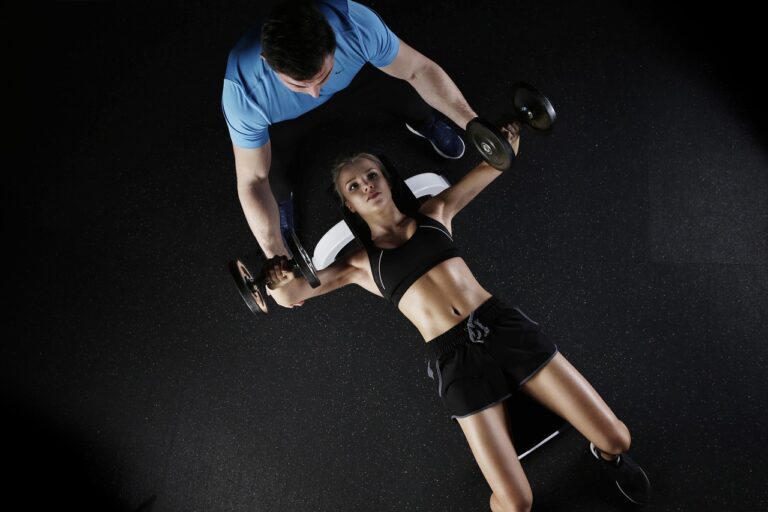
Creatine for muscle growth works best with strength training. Here’s what the science says about dosing, women’s results, and safety.
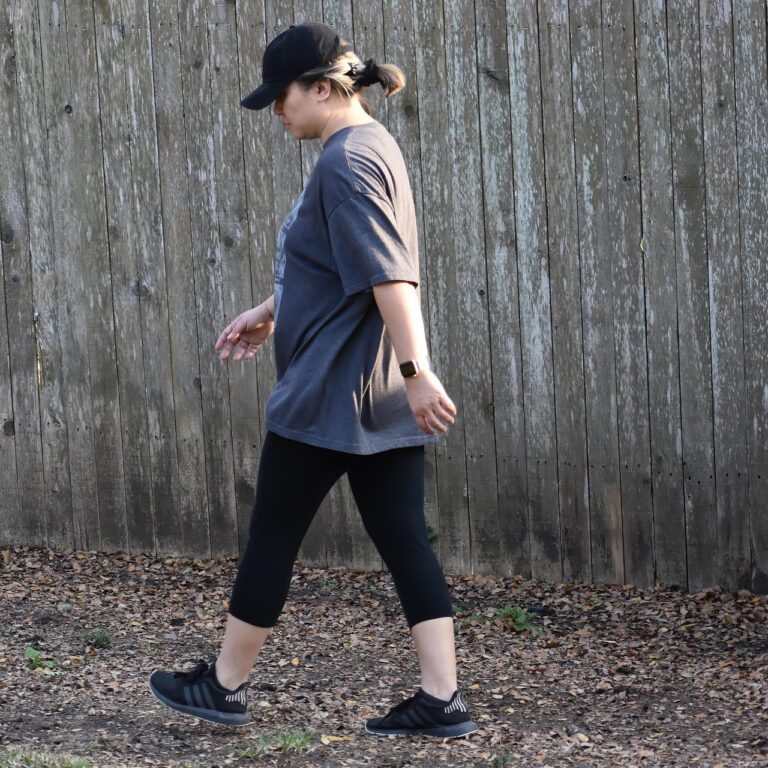
New research links about 45 minutes of moderate cardio, three to four days a week, to sharper executive function in postmenopausal women. Here’s the exact dose, a 12-week ramp-up plan for beginners, and what exercise honestly cannot promise.

Creatine for muscle works only as a partner to strength training and enough protein. Here is the realistic dose, the honest bloating answer, and the bloodwork detail most guides skip.

Take the stairs: regular stair climbing is linked to a 39% lower risk of heart-related death. Here’s how many flights a day you need and how to build the habit.
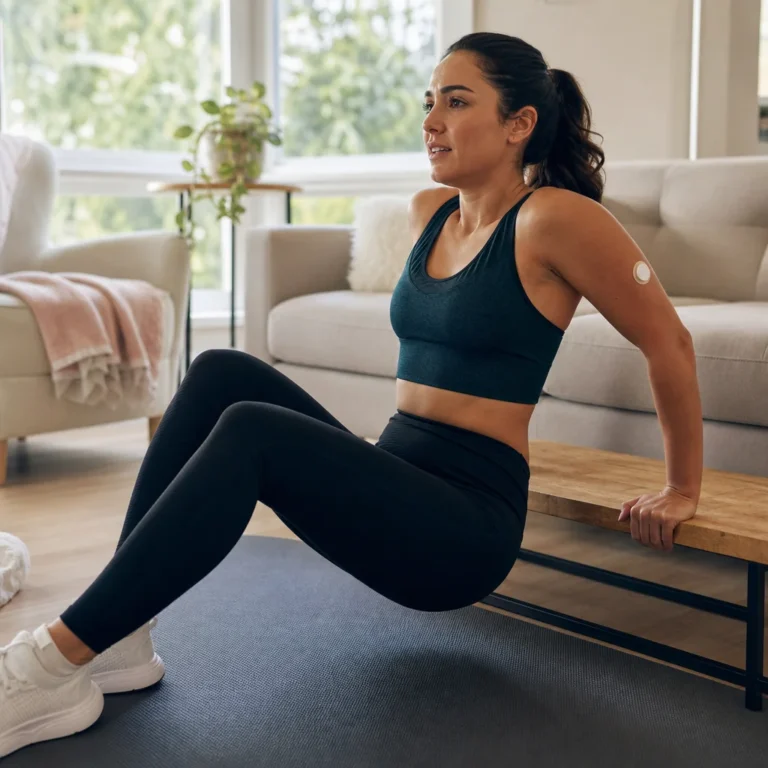
Strength training diabetes risk may drop about 50% when you add two strength days to cardio, new research shows. Here’s your no-gym plan.

The scale isn’t moving — but your habits may be working. Discover the 5 non-scale victories doctors track: strength, body composition, labs, energy, and food freedom.
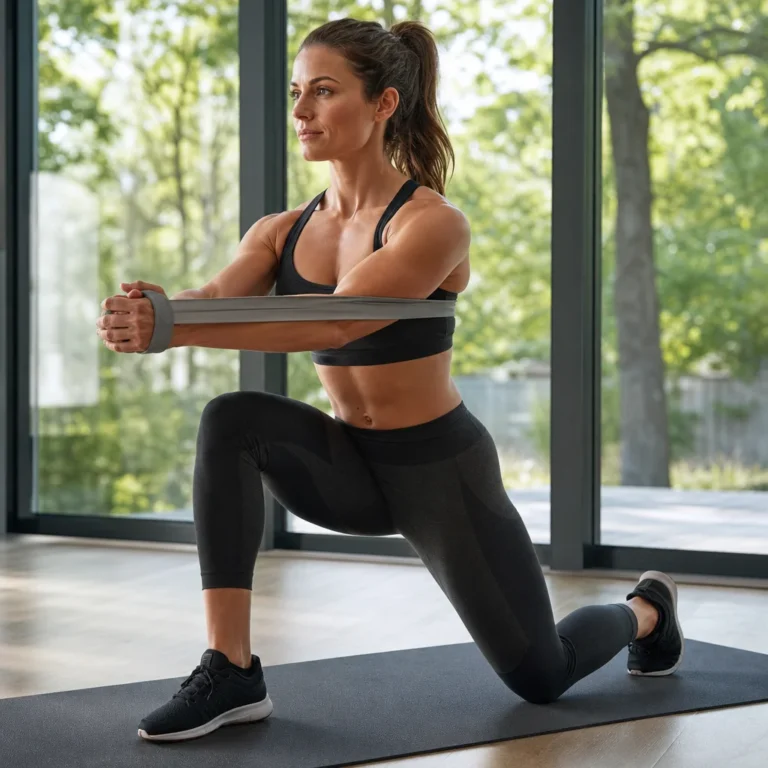
Strength training releases a brain-boosting hormone called irisin. Learn the real resistance training benefits, the one catch that decides whether you get them, and a simple 2-3x weekly starter plan.
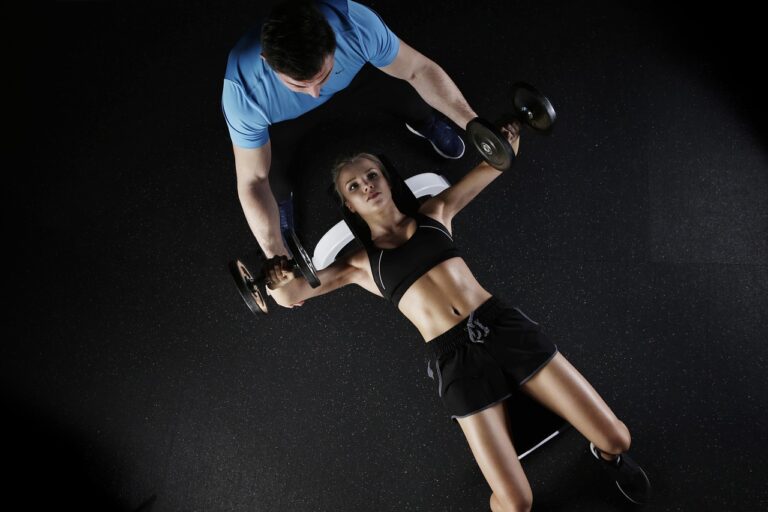
New 2026 guidelines from 137 studies show strength training consistency beats complex programs. Two sessions a week is enough — here’s how to make it stick.

A 1,400-person study found yo-yo dieting quietly costs muscle even when the scale stays the same. Here’s how to break the cycle for good.