

Metformin Weight Loss: How Long It Really Takes
Metformin weight loss takes months, not weeks. Two weeks in with no scale change? Here’s the realistic timeline and what to track instead.
Understanding and managing insulin resistance through nutrition and lifestyle changes.
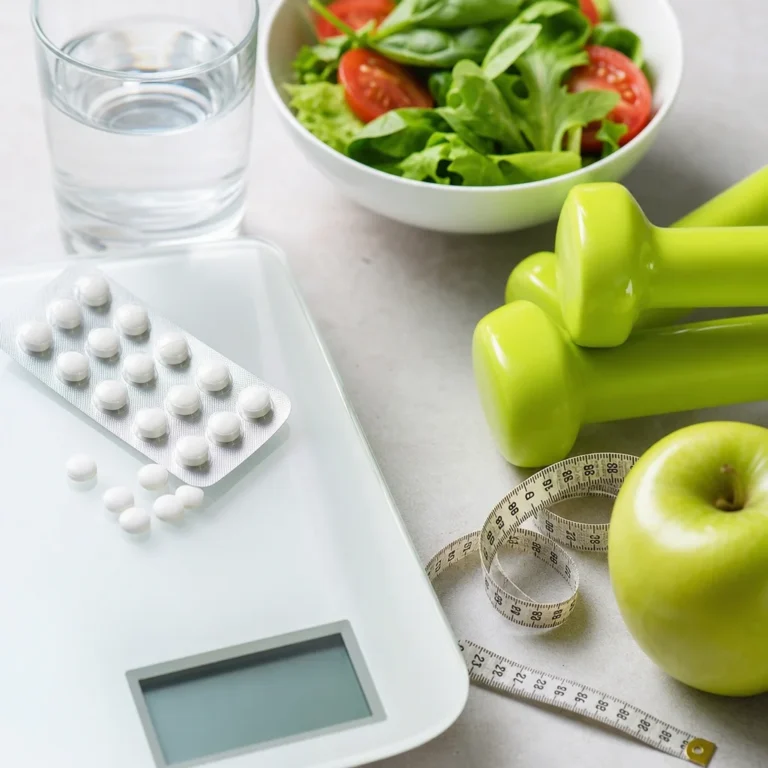
Metformin weight loss takes months, not weeks. Two weeks in with no scale change? Here’s the realistic timeline and what to track instead.

Felt dismissed by a doctor who said “just take birth control” for your PCOS? Here’s what birth control and metformin really do — plus a pre-appointment checklist to get care that listens.

Early PCOS signs can show up as an “unusual” puberty — and a normal ultrasound doesn’t rule it out. Here’s what actually counts for a diagnosis and what to ask your doctor.
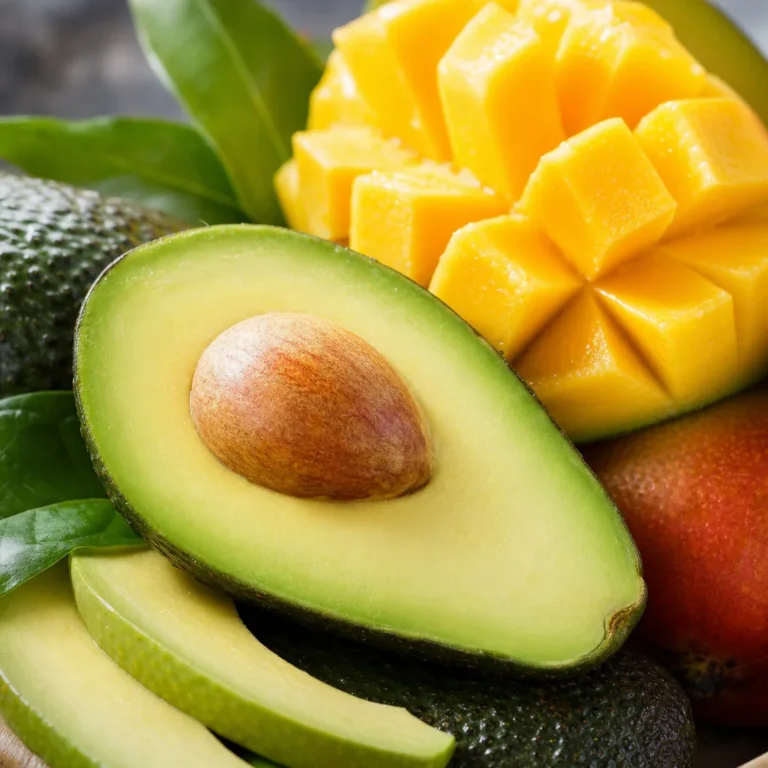
New research shows avocado and mango may support heart health without spiking blood sugar. Here’s how the fat + fiber pairing works and easy ways to eat it.

Non-hormonal PCOS treatment is real. Here’s the evidence-based toolkit — metformin, inositol, lifestyle changes, and heavy-bleeding tools — plus word-for-word scripts for advocating for yourself at your next appointment.
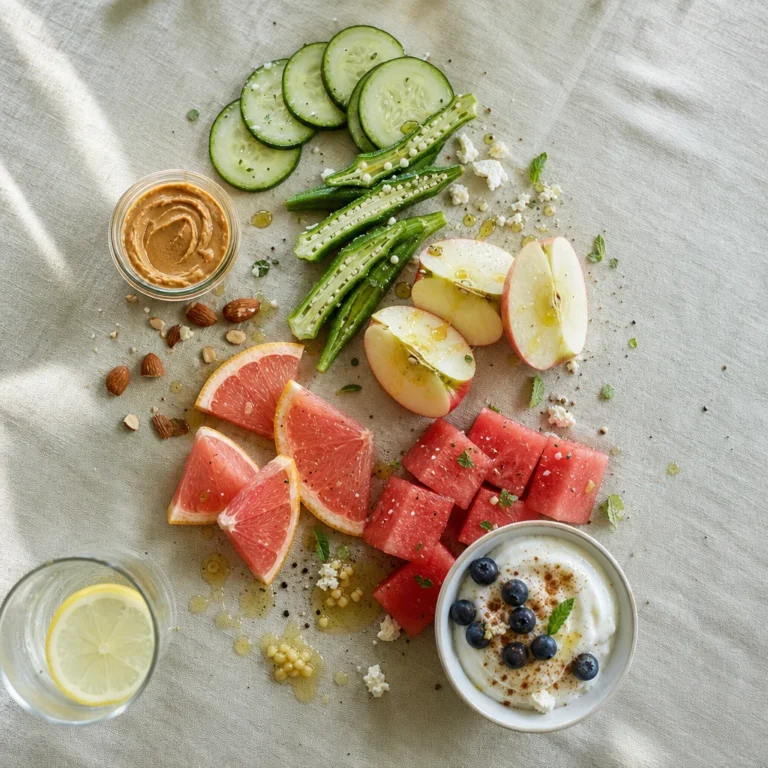
Food provides about 20% of your daily water — and these 6 hydrating foods for blood sugar do double duty. Get dietitian-approved picks, smart pairings, and a same-day plan.
Worried inositol side effects will upset a sensitive stomach? Here’s what the research really says about GI symptoms at PCOS doses, inositol vs metformin, and how to start gently.

Metformin is first-line for PCOS insulin resistance — but a fair trial takes 3 to 6 months, not weeks. Here’s how to restart with ER, track progress beyond the scale, and know when to talk with your doctor about adding a GLP-1.
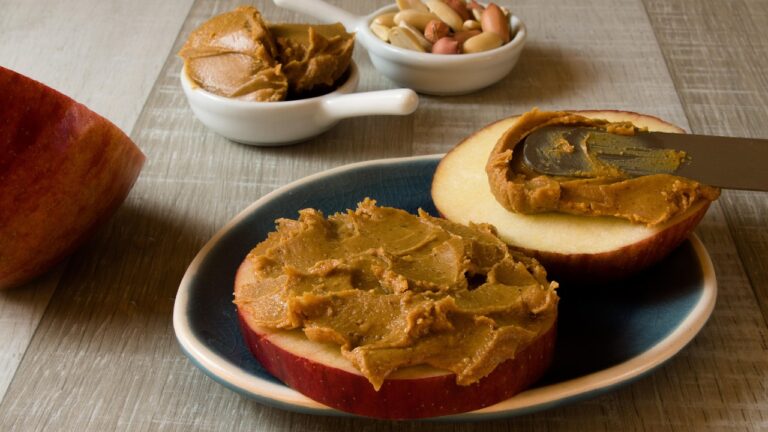
A 130g low carb PCOS plan isn’t extreme — fruit fits. Here’s the portion math, pairing strategies, and the evidence that PCOS and fruit aren’t in conflict.
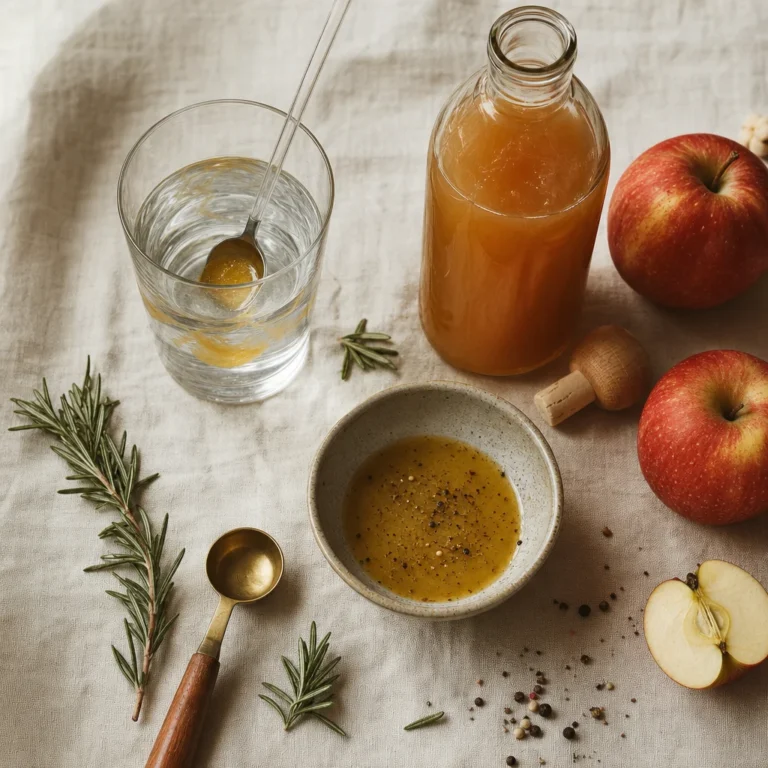
Apple cider vinegar benefits, fact-checked: what’s real (blood sugar), what’s a lie (weight loss), plus safe daily-use tips. Curious what science says?