

Protein and Longevity: Why Cutting Protein Is a Bad Idea
Cutting protein to live longer is a viral trend experts say backfires. Here’s what science really says about protein and longevity — and how much you need.
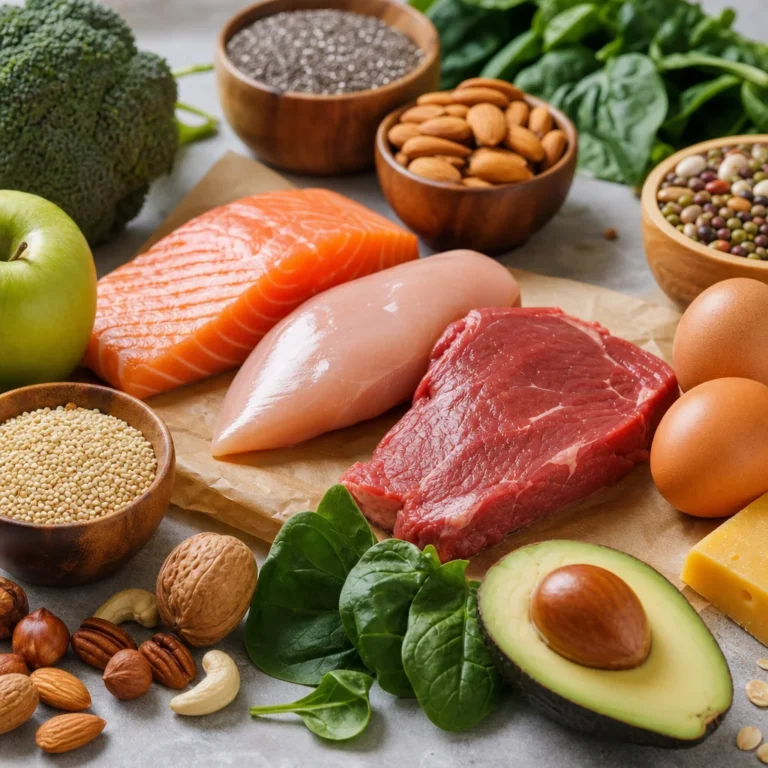
Cutting protein to live longer is a viral trend experts say backfires. Here’s what science really says about protein and longevity — and how much you need.

Metformin is first-line for PCOS insulin resistance — but a fair trial takes 3 to 6 months, not weeks. Here’s how to restart with ER, track progress beyond the scale, and know when to talk with your doctor about adding a GLP-1.
Your GLP-1 choice may affect your heart as much as your weight loss. Here’s what the SELECT, SUMMIT, and LEADER trials reveal about GLP-1 heart health — and what to ask your doctor.

Peptide regulation is changing — but the FDA’s 2026 vote isn’t a green light. Here’s what’s safe, what’s not, and how to shop smart for peptide products.

A 1,400-person study found yo-yo dieting quietly costs muscle even when the scale stays the same. Here’s how to break the cycle for good.

You’re doing everything right with your GLP-1 medication but the scale won’t budge. This is what GLP-1 resistance means for women with PCOS, why inflammation and dose matter, and questions to ask your doctor.
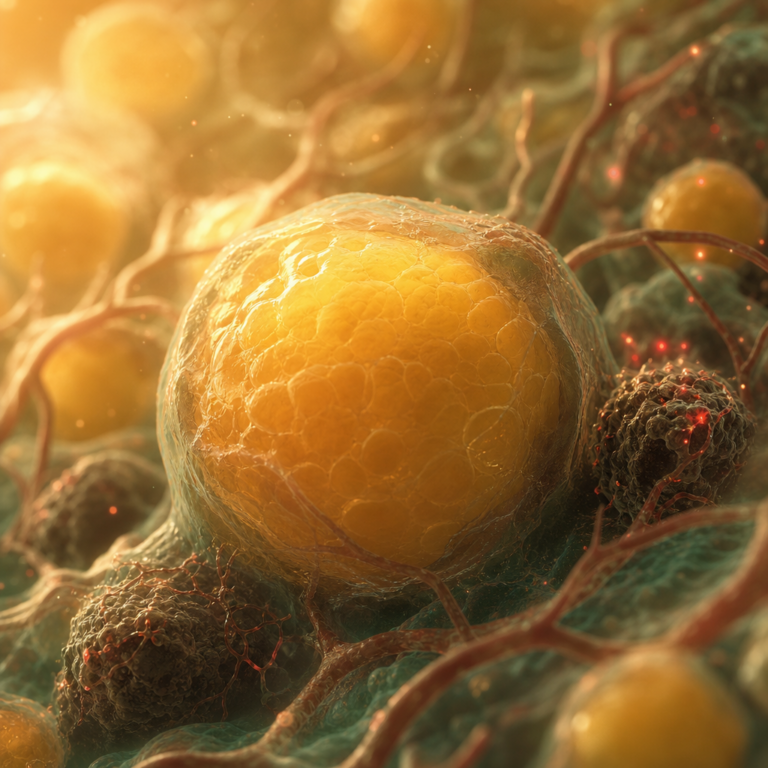
Healthy fat tissue protects your metabolism, but losing it the wrong way backfires. Here’s what makes fat cells healthy and what to track beyond the scale.
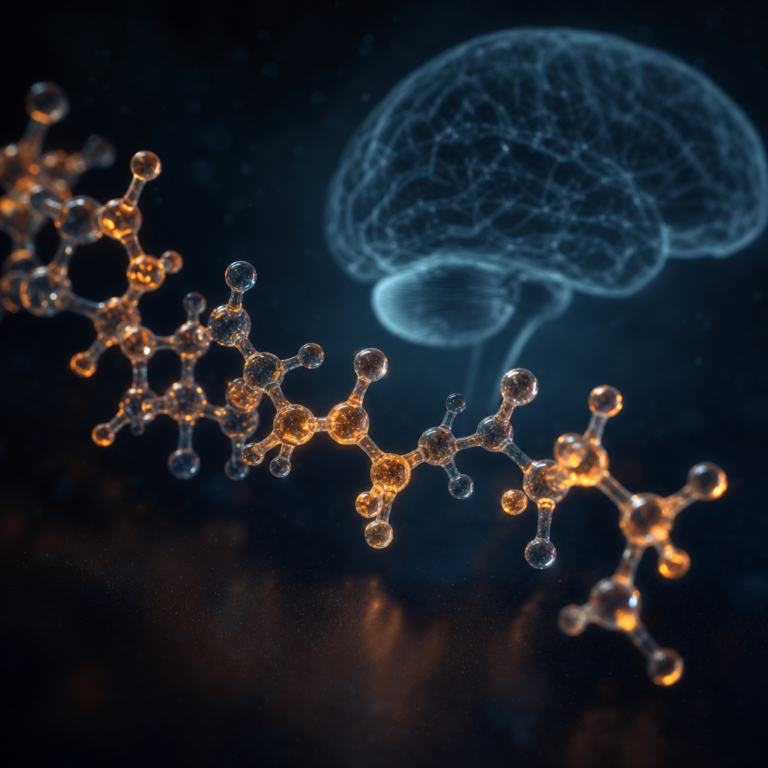
Stanford researchers used AI to discover BRP, a naturally occurring molecule that suppresses appetite like Ozempic without the nausea, vomiting, or muscle loss. Here’s how this natural Ozempic works and when it might be available.

Compounded GLP-1 drugs are often prescribed online without FDA approval — the Yale secret shopper study reveals a dangerous safety gap. Learn 5 questions to ask before accepting a prescription.

Newly diagnosed with PCOS? Discover how PCOS weight loss works — from GLP-1 medications and inositol to anti-inflammatory eating and lifestyle changes that actually work.