

Summer Garden Pasta: Healthy 30-Minute Dinner Tips
Key Takeaways
- Ina Garten’s Summer Garden Pasta uses just five main ingredients and is ready in under 30 minutes.
- Peak-season tomatoes and fresh herbs pack this dish with vitamins, antioxidants, and flavor.
- Simple swaps like whole-wheat pasta or legume-based pasta boost fiber and gut health.
- Making your own herb-infused oil cuts sodium compared to bottled dressings.
Ever find yourself staring at a pile of beautiful summer tomatoes and wondering what to make? Ina Garten’s Summer Garden Pasta might just be the answer. It’s a five-ingredient, 30-minute meal that lets peak-season produce shine. But here’s the thing: this dish is more than just a celebrity recipe. With a few thoughtful tweaks, it becomes a genuine healthy eating win. Let me show you how to make it work for your body — and your taste buds.
Quick Answer: Is Ina Garten’s Summer Garden Pasta Healthy?
Yes — with a few simple adjustments. The original recipe uses fresh tomatoes, herbs, and olive oil, which are all nutritious. By choosing whole-grain or legume pasta, making your own herb oil, and loading up on veggies, you can turn this into a fiber-rich, antioxidant-packed meal that supports heart health, digestion, and steady energy.
What Makes a Summer Garden Pasta So Healthy?
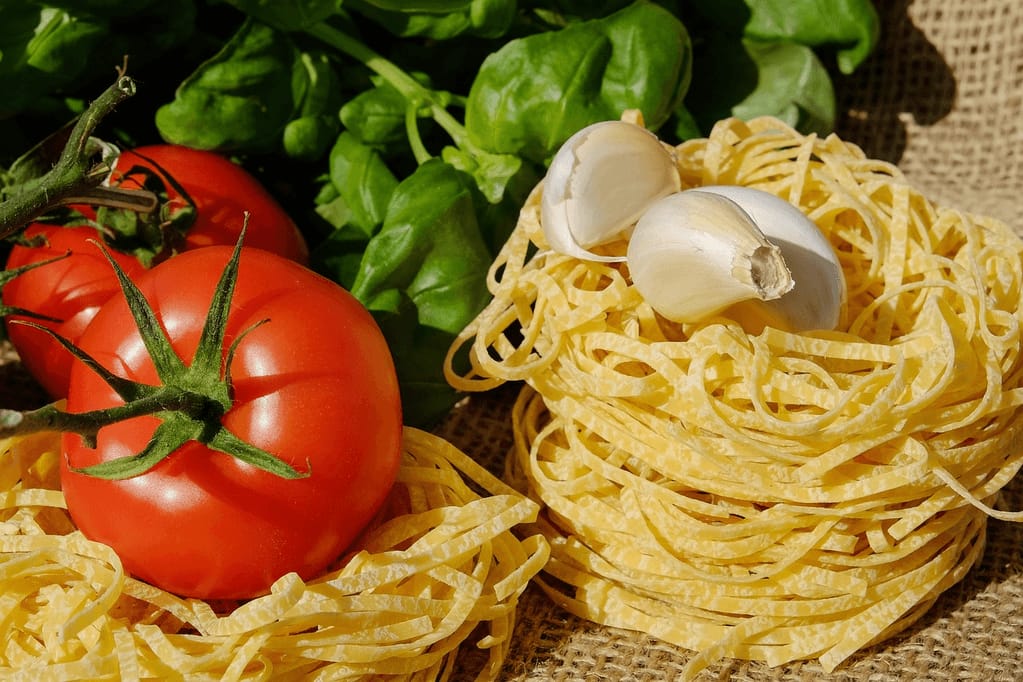
At its core, a summer garden pasta is built on in-season produce. Tomatoes are rich in lycopene, a powerful antioxidant that supports heart health. Fresh basil and parsley add vitamin C and anti-inflammatory compounds. Olive oil provides healthy monounsaturated fats. Together, these ingredients create a meal that’s naturally vibrant and nourishing.
The original recipe uses regular pasta, which is fine in moderation. But if you want to boost the nutritional profile, consider a simple swap. Whole-wheat pasta adds fiber, which helps with digestion and keeps you full longer. Legume-based pastas (like chickpea or lentil) deliver extra protein and fiber. Your summer garden pasta becomes a complete meal in one bowl.
How to Choose the Best In-Season Tomatoes
The star of this dish is the tomato. But not all tomatoes are equal. For a summer garden pasta that truly shines, you want tomatoes at their peak. Look for ones that feel heavy for their size and yield slightly to gentle pressure. The skin should be smooth and fragrant. Cherry tomatoes, Roma, or heirloom varieties all work well.
If you’re at a farmers’ market, ask the grower when they were picked. Freshly harvested tomatoes have more flavor and more nutrients. Store them at room temperature — never in the fridge, which ruins texture and taste. A simple dice or halve, and you’re ready to go.
Pro Tip
To bring out even more flavor, let your chopped tomatoes sit in a bowl with a pinch of salt for 10 minutes before adding them to the pasta. This draws out their juices, creating a light sauce without any cooking.
A Gut-Friendly Summer Garden Pasta Twist
Want to make this summer garden pasta even friendlier to your digestive system? Start with the pasta. Regular white pasta is low in fiber, which means it digests quickly and can spike blood sugar. Swap it for whole-wheat penne, farro pasta, or a lentil-based option. These choices add prebiotic fiber that feeds good gut bacteria.
Another easy addition: toss in a handful of arugula or spinach at the end. Leafy greens provide fiber and micronutrients. You can also add sautéed zucchini or bell peppers. Your summer garden pasta becomes a colorful, gut-loving meal that keeps you satisfied without the slump.
Low-Sodium Hack: Make Your Own Herb Oil
Ina’s original recipe likely calls for a simple dressing of olive oil, garlic, and herbs. But many bottled vinaigrettes or pre-made herb oils are loaded with sodium and preservatives. The fix? Make your own. It takes two minutes.
Combine ¼ cup extra-virgin olive oil, one minced garlic clove, a tablespoon of chopped fresh basil, and a tablespoon of chopped parsley. Add a squeeze of lemon juice and a pinch of black pepper. That’s it. This fresh herb oil adds flavor without the extra salt. Drizzle it over your summer garden pasta right before serving for a bright, clean taste.
More Ways to Customize Your Summer Garden Pasta
One of the best things about a summer garden pasta is how flexible it is. You can add protein like grilled chicken, chickpeas, or white beans for extra staying power. If you want more crunch, toss in toasted pine nuts or walnuts. For a dairy-free version, skip the Parmesan and use nutritional yeast or a sprinkle of almond-based cheese.
Don’t have basil? Try mint, chives, or tarragon. The beauty of this dish is that it works with whatever your garden or farmers’ market offers. The key is to keep it simple and let the produce speak.
How to Serve Your Summer Garden Pasta for a Balanced Meal
To turn this pasta into a complete, balanced dinner, pair it with a side of roasted vegetables or a crisp green salad. The fiber from extra veggies and the protein from beans or chicken help stabilize blood sugar. A summer garden pasta works beautifully as a main course or as a side dish alongside grilled fish or tofu.
Portion-wise, aim for about one cup of cooked pasta per serving, plus a generous heap of vegetables. This gives you the satisfaction of a pasta dinner without overdoing it on carbs. And because the dish is so light and fresh, you won’t feel weighed down.
FAQ
Can I make this pasta ahead of time?
Yes, but it’s best served at room temperature. If making ahead, keep the pasta and herb oil separate, then combine just before serving to avoid sogginess.
What type of pasta works best for a summer garden pasta?
Short shapes like penne, fusilli, or orecchiette hold the tomato-herb mixture well. Long pasta like spaghetti also works, but you’ll want to chop the tomatoes smaller so they cling to the strands.
Is this recipe gluten-free?
It can be. Just use gluten-free pasta made from brown rice, quinoa, or lentils. Check the label to ensure it’s certified gluten-free if needed.
How can I add more vegetables?
Try mixing in roasted cherry tomatoes, grilled zucchini, or sautéed bell peppers. You can also blanch green beans or peas and toss them in for extra color and crunch.
The Bottom Line
Ina Garten’s Summer Garden Pasta is a perfect example of how simple ingredients can create something truly special. By focusing on fresh, in-season produce and making a few thoughtful swaps, you get a meal that’s both celebratory and genuinely good for you. No fancy techniques or hard-to-find items — just real food, fast. That’s the kind of healthy eating we can all get behind.