

Midlife Eating Disorders: Why Women Over 45 Are at Risk
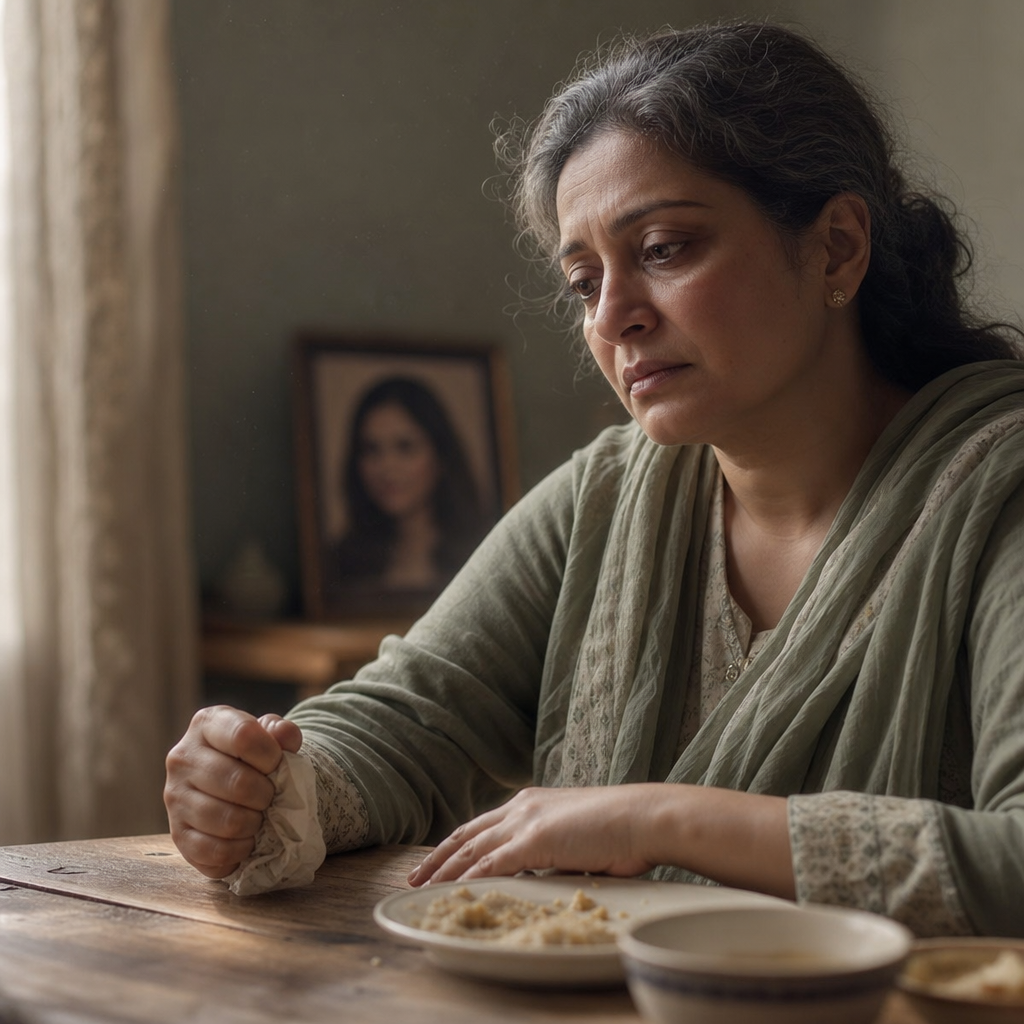
When most of us hear the words “eating disorder,” a certain picture comes to mind. It’s a teenager or a young woman, probably underweight, struggling with anorexia or bulimia. That stereotype is so powerful that it leaves millions of women invisible. And here’s the thing — the research tells a very different story. A growing body of evidence shows that midlife eating disorders are surprisingly common, yet fewer than 30% of women who need help ever get it. If you’re a woman between 45 and 65 who has struggled with your relationship with food, your body image, or both, this article is for you. Let’s explore what the latest science reveals, why this age group faces unique risks, and — most importantly — what you can do about it.
Key Takeaways
- Eating disorders are common in midlife. Between 2% and 15% of midlife women have serious symptoms — rates similar to younger women.
- Emotion regulation matters more than you think. A landmark 2026 study found that trouble managing emotions is a stronger predictor of eating disorder symptoms in midlife women than in younger women.
- Menopause is a key risk time. Experts now compare the menopausal change to puberty when it comes to eating disorder risk.
- Body dissatisfaction is nearly universal. More than 88% of women aged 45–64 report body dissatisfaction — but this doesn’t mean every woman has an eating disorder.
- Help exists, and you deserve it. Fewer than 30% of midlife women with eating disorders get treatment. Breaking the silence is the first step.
What the Research Actually Says About Midlife Eating Disorders
Let’s start with the study that sparked this conversation. In January 2026, researchers published a study in the Journal of Eating Disorders that compared 1,055 women across two age groups: emerging adulthood (ages 18–30) and middle adulthood (ages 45–65). The goal was simple but powerful — to see if the factors that drive disordered eating look different depending on your age.
Here’s what they found. Body image concerns were strongly linked to eating disorder symptoms in every group, no matter the age or how bad the symptoms were. That matches what we already know — body dissatisfaction is a risk factor at any age. But here’s where it gets interesting for midlife women. Trouble managing emotions — especially understanding your feelings and controlling impulses — showed stronger links to eating disorder symptoms in the midlife group than in the younger group.
In other words, how you handle stress, sadness, anger, and overwhelm may matter even more for your eating at 55 than it did at 25. That’s a big shift in how we think about risk and prevention.
How Common Are Midlife Eating Disorders? The Numbers May Surprise You
Here’s a statistic that stopped me in my tracks. According to data from the National Eating Disorders Association, about 13% of women over 50 report eating disorder symptoms. That’s a staggering number — yet public awareness remains far lower than for other major health conditions affecting midlife women. For context, in the U.S., 13.3% of women 50 and older report eating disorder symptoms, and the sharpest rise in hospital stays has been among women over 45, who accounted for 25% of all eating disorder hospital admissions.
A 2026 review in Clinical Gerontologist confirmed that eating disorder rates in midlife and older adults are similar to younger people. The difference? Underdiagnosis. Women in midlife often don’t get diagnosed because doctors — and the women themselves — don’t think eating disorders apply to them at this stage of life.
Another thing to know: Binge eating disorder (BED) is actually the most common eating disorder in the U.S., affecting roughly 2.8 million people. So this isn’t a rare issue — it’s a major health problem hiding in plain sight.
Why Midlife Women Are at Risk: The Menopause Connection
If you’ve been through perimenopause or menopause, you already know that this change affects far more than your periods. The hormone shifts — especially lower estrogen — affect mood, sleep, body shape, and how you feel about your changing body. And that can set the stage for disordered eating. It’s just one example of how hormones shape your health at midlife in ways we’re only beginning to understand.
In a review in Current Opinion in Psychiatry, experts made a bold statement: what puberty is for eating disorders in teens, the menopausal change is for midlife women. They found that women with severe menopause symptoms had more eating disorder symptoms than those with mild symptoms.
But here’s a nuance. A 2025 study in the journal Menopause found that after accounting for body dissatisfaction and how much menopause symptoms bothered them, simply being in perimenopause or postmenopause was not itself a risk factor. What mattered was how troubled a woman was by her symptoms. So it’s not menopause alone — it’s menopause plus unhappiness with your body that creates the risk.
How Different Menopause Stages Affect Eating Patterns
Research from a 2022 study in BMC Women’s Health suggests that different stages of menopause are linked to different eating problems. Perimenopause was linked to more binge eating. Postmenopause was linked to more orthorexia nervosa — a focus on “healthy” eating that becomes rigid and restrictive. So your eating struggles may look different depending on where you are in the menopause journey, and the help you need should match that.
How Midlife Eating Disorders Look Different From Younger Ones
Here’s something most people don’t realize. When midlife eating disorders show up, they rarely look like the stereotypical picture of a teen skipping meals. Instead, they often fly under the radar — sometimes even under your own radar.
The most common eating disorder diagnosis in midlife is OSFED — Other Specified Feeding or Eating Disorder. This is a catch-all category that includes symptoms that don’t fit neatly into anorexia or bulimia. A woman might restrict during the day and binge at night. She might exercise hard to “earn” food. She might have a growing list of “clean” foods she’ll allow herself to eat. These patterns are easy to dismiss as “healthy living” or “watching what I eat,” especially in a culture that praises weight loss at any age.
Another layer: many midlife women feel shame about having what they see as a “teenager’s problem.” This shame keeps them quiet. They don’t tell their doctor. They don’t look for support groups. They suffer alone, believing they’re somehow too old for this.
You are not too old. Your pain is real. And you deserve help.
What Protects Midlife Women? New Research on Resilience Factors
Not all the news is sobering. Researchers are also learning what protects midlife women from eating disorders, and some of these findings are truly hopeful.
A 2025 study in Menopause found that positive views of aging were linked to higher intuitive eating — eating based on hunger and fullness cues rather than rules. This aligns with a healthy aging approach that emphasizes resilience at every stage of life — women who felt good about getting older were more likely to have a healthy, flexible relationship with food, even during the menopause change.
And a 2024 study in Brain and Behavior found that body appreciation — actively valuing and respecting your body, not just putting up with it — was a protective factor. Women who felt genuine appreciation for their bodies had lower eating disorder risk, even after accounting for body dissatisfaction.
What does this mean for you? It means there are things you can actively build. Gratitude for what your body can do. Curiosity about aging instead of dread. A willingness to question messages that say your worth depends on your size. These aren’t just nice ideas — they are protective factors backed by science.
Signs It May Be Time to Ask for Help
So how do you know if your relationship with food and your body has crossed a line? Here are some questions to ask yourself — honestly, without judgment.
A Simple Self-Check
- Do you spend a lot of time thinking about food, weight, or body shape?
- Do you feel guilty or ashamed after eating certain foods?
- Do you avoid social events that involve food?
- Do you have strict rules about what you can and can’t eat?
- Do you eat in secret because you’re embarrassed about how much or what you’re eating?
- Do you feel out of control when you eat?
- Do you weigh yourself several times a week and let the number decide your mood?
If you answered yes to several of these, it’s worth talking to a healthcare provider. You don’t need to be a certain weight or have a formal diagnosis to deserve support. Disordered eating exists on a spectrum, and help is available at any point along it.
How to Start the Conversation With Your Doctor
Let’s be honest. Bringing up eating concerns with a doctor can feel scary, especially if you worry they’ll brush you off. Sadly, many midlife women say their doctors downplay their food and body image concerns — blaming “normal aging” or “just getting older.” You deserve better than that.
Here’s a script you can use. Try saying: “I’ve been struggling with my relationship with food and my body. I think about eating and weight a lot, and it’s starting to affect my daily life. I know eating disorders can happen at any age, and I’d like to be checked. Can we talk about this?”
If your doctor dismisses you, you have other options. You can ask for a referral to a mental health provider who focuses on eating disorders. You can find a dietitian who uses a weight-inclusive approach. You can visit NEDA’s page on eating disorders in midlife for trusted provider directories. You are your own best advocate, and you have every right to be taken seriously.
The Bottom Line
Midlife eating disorders are real, common, and treatable. The old idea that only teens get eating disorders has done real harm — it has kept generations of women quiet, ashamed, and untreated. But science is catching up. We now know that midlife women face unique risks from hormone changes, life transitions, and the weight of a culture that says a woman’s value fades with age.
If any part of this article resonated with you, please see it as permission to explore further. You don’t have to hit bottom to deserve support. You don’t need a diagnosis to ask for help. Your wellbeing matters, at every age and at every size.
Start with one small step. Book an appointment. Call a helpline. Talk to a trusted friend. The research is clear — you are not alone, and recovery is possible at any stage of life.