
Hydration and Blood Pressure: How They’re Connected
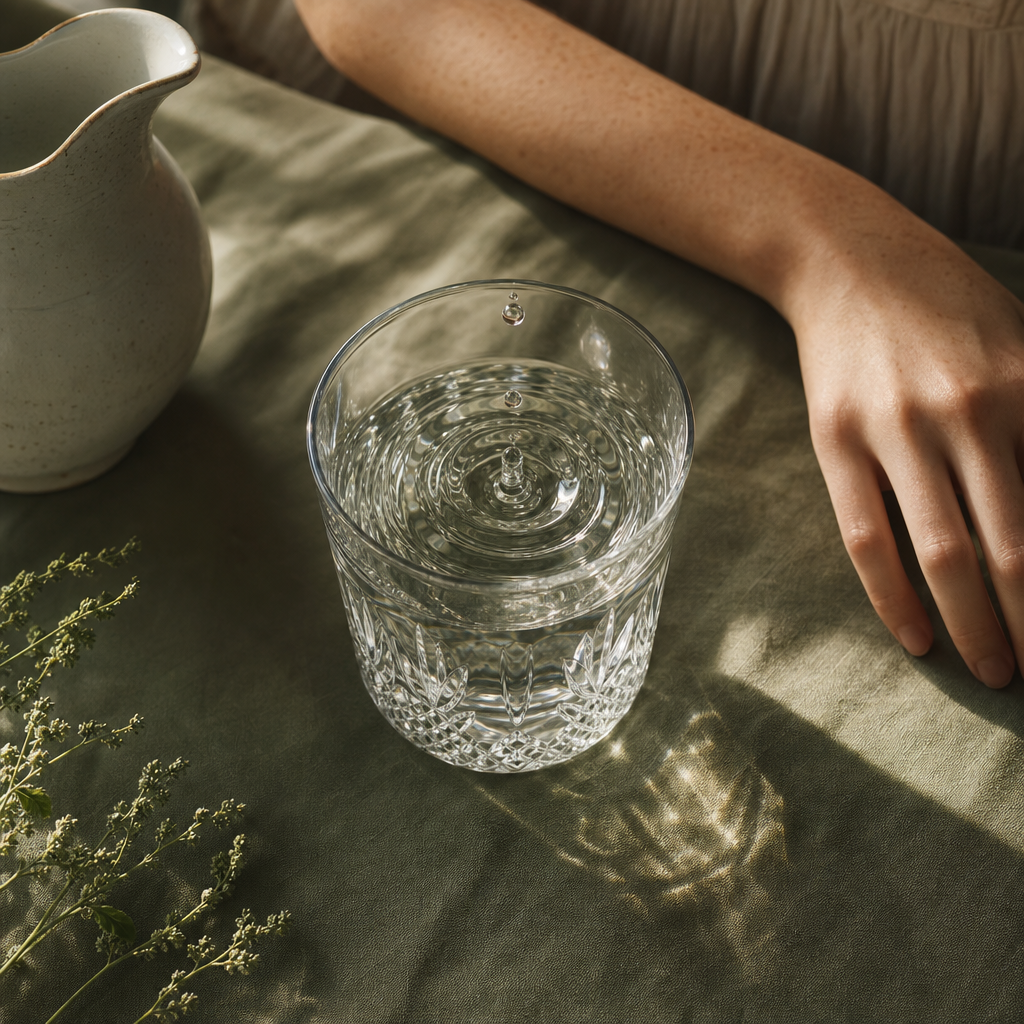
Here’s a fact that might surprise you: drinking water can both raise and lower your blood pressure. It all depends on the situation. If you’re dehydrated, water can bring your numbers back to a healthy range. But if you gulp down a big glass of cold water, your blood pressure can spike briefly. And steady hydration over weeks can help lower your risk of high blood pressure. Understanding how hydration and blood pressure interact is simpler than it sounds. And it might be one of the most overlooked levers for your heart health.
Key Takeaways
- Understanding hydration and blood pressure starts with knowing your body’s two responses to water
- Dehydration can cause BP to drop and spike through different body systems
- Water can briefly raise BP (the “pressor effect”) — this helps when you feel dizzy standing up
- Steady daily hydration links to lower hypertension risk — aim for 6 to 8 cups of plain water
- A simple 3-point check can tell you if your water intake might affect your numbers
Quick Answer: Can Drinking Water Lower Your Blood Pressure?
Yes — but with context. Staying hydrated helps your body keep normal blood volume and healthy circulation. This can help your BP stay in a good range over time. Studies show that people who drink six or more cups of plain water daily have a lower risk of high blood pressure. But water is not a fix for BP medication. Think of it as one healthy habit that supports your heart — not a cure. The link between hydration and blood pressure is just one part of a bigger picture.
How Hydration and Blood Pressure Affect Each Other
Here’s the thing about hydration and blood pressure: they affect each other in two ways. Most people only know half the story. Let’s walk through both.
First, dehydration can lower your BP. Your blood plasma — the liquid part of your blood — is about 90% water. When you don’t drink enough, you have less fluid in your veins. Less fluid means lower blood volume. And that can drop your blood pressure. As a Cleveland Clinic cardiologist explains, “You’re just not filling up the pipes enough.” This is why dehydration can leave you dizzy when you stand up fast.
But here’s the other side. Your body doesn’t like low BP. So it kicks in a backup system. Your brain releases vasopressin (also called ADH). This tells your kidneys to keep water. Vasopressin also tightens your blood vessels. The result? Your BP can shoot back up — sometimes higher than normal. This is where hydration and blood pressure get tricky. Chronic low dehydration can keep your body in “emergency mode” for long periods.
The Research: What Science Says About Hydration and Blood Pressure
So what does the data actually show? A 2023 study in Frontiers in Public Health followed more than 3,800 adults. People who drank six or more cups of plain water daily had a lower risk of high blood pressure. The best range was around 6 to 8 cups per day. This is key evidence for how hydration and blood pressure connect over time.
A 2020 clinical trial in Nutrients tested this idea further. The study included Japanese adults with slightly elevated fasting blood sugar (between 90 and 125 mg/dL). Participants added two extra bottles of water (about 4.5 cups total) to their daily routine — one in the morning and one before bed. After 12 weeks, the group that drank more water saw a clear drop in systolic BP. The research on hydration and blood pressure continues to grow.
And it goes beyond BP alone. Framingham Heart Study data from 2021 found that well-hydrated adults also had better cholesterol and triglyceride levels. That is a nice bonus for your heart.
Here is an honest note: most of this data is observational. It shows a strong link but does not prove that water alone causes the change. People who drink more water also tend to have healthier habits. But the science behind hydration and blood pressure is clear — hydration supports circulation, and circulation supports healthy BP.
When Water Can Temporarily Raise Your Blood Pressure
Here is the surprising part. Drinking water can actually cause a short spike in your BP. And in some cases, that can be helpful.
This is called the “pressor response.” When you drink water — especially if you gulp it fast — your body turns on its “fight or flight” system. Your blood vessels tighten for a moment. Your BP goes up for 15 to 30 minutes. One study of 22 older adults found that cold water raised systolic BP by over 40 mmHg on average. That finding comes from a smaller study, so the exact number may differ for you. But the general effect is real.
Why is this useful? For people who get dizzy when they stand up (called orthostatic hypotension), about 2 cups of water can bring BP back up fast. It is a simple tool doctors sometimes suggest. So how can hydration and blood pressure be linked in opposite ways? It depends on timing. The brief spike helps in the moment. Steady hydration helps over time.
For most people, this short-term spike is harmless. Research in healthy young adults found that even short-term water loss did not change BP much — young bodies adjust well. If you already have high BP, stick with room temperature water and sip slowly to keep any spike small.
How Much Water for Healthy Blood Pressure?
Let’s get practical. Mayo Clinic says women need about 11.5 cups of total fluid per day (2.7 liters). Men need about 15.5 cups (3.7 liters). That includes water, other drinks, and food — which gives you about 20% of your fluid.
For BP support, the data points to 6 to 8 cups of plain water each day. That is on top of what you get from food. When you think about hydration and blood pressure, the amount of water you drink matters. Here is a simple daily plan:
Daily Water Schedule
- Wake up: 1 glass (8 oz) — room temp is best
- Mid-morning: 1 glass
- Lunch: 1 glass
- Afternoon: 1 to 2 glasses
- Dinner: 1 glass
- Evening: 1 small glass if thirsty (stop 2 hours before bed)
Room temperature water is best for daily drinking. Save cold water for when you need a quick BP lift — like when you feel dizzy. Skip fizzy water before bed. Its pressor effect is stronger than still water.
The 3-Point Hydration Check
You don’t need a test to know if your water intake affects your BP. These three signs connect hydration and blood pressure in ways you can feel.
Sign #1: Dizziness When You Stand
If you feel lightheaded after standing up, your BP may be dropping. Dehydration could be the cause. Try drinking a glass of room temperature water and see if the feeling fades within 15 minutes. This is your body’s way of telling you it needs more fluid.
Sign #2: Dark Urine All Day
Pale yellow urine means good hydration. Dark yellow or amber means you need more water. Your kidneys work harder when water is low. If your urine stays dark all day, your BP may be working harder too.
Sign #3: Afternoon Headaches or Fatigue
Mild dehydration can cause headaches and drain your energy. If you feel tired or headachy in the afternoon, check your water intake. These signs often show up before BP changes do.
When to See Your Doctor
If you have any of these signs often — or if your BP readings stay high or low — talk to your doctor. Hydration is one piece of a bigger puzzle. Your doctor can help you figure out what your numbers mean. To understand your own hydration and blood pressure connection, a professional opinion matters.
Other Ways to Support Healthy Blood Pressure
Water is one tool. The American Heart Association recommends a full approach that includes:
- Try the DASH diet. This plan is full of fruits, veggies, whole grains, and low-fat dairy. It limits salt and bad fats. Many DASH foods — like cucumbers, watermelon, and oranges — also keep you hydrated.
- Move your body. Even a 10-minute walk each day can help your blood vessels stay relaxed.
- Eat potassium-rich foods. Potassium helps flush out extra salt and relax your blood vessels. Try potatoes, bananas, beans, and oranges.
- Cook at home more. Restaurant food and packaged meals are often high in salt. Home cooking gives you control.
- Limit alcohol and don’t smoke. Both are big factors for BP problems.
Frequently Asked Questions
How are hydration and blood pressure connected?
Hydration and blood pressure connect through your blood volume and hormones. Low water intake reduces blood volume, which drops BP. Your body then releases vasopressin, which tightens blood vessels and raises BP. Steady hydration keeps this system balanced.
Can too much water be bad for BP?
Yes — drinking huge amounts fast can cause hyponatremia (low sodium). This is rare and usually happens in extreme cases like endurance sports. For most people, drinking when thirsty and sipping through the day is safe.
Do electrolytes matter for BP?
Yes, but it depends on you. If you sweat a lot, replacing potassium and magnesium can help. But if you have high BP, watch out for electrolyte drinks with lots of sodium. Potassium-rich foods are a better bet.
Will water help if I already have high BP?
It can help, especially if you are often dehydrated. But water alone is not a fix for high BP. Stick with your doctor’s plan and treat water as one supportive habit. The full picture of hydration and blood pressure includes diet, exercise, and sometimes medication.
Does coffee count as water?
Yes, but for BP, plain water is best. Caffeine can raise BP in some people. Herbal teas are a good middle ground — they hydrate without the caffeine boost.
The Bottom Line
Here is the honest truth: water is not a magic fix for BP. But it is one of the simplest ways to support your heart. The key is steady sipping through the day. And the more you learn about the link between hydration and blood pressure, the more you can help your body stay balanced.
Start small. Add one extra glass of water to your morning. Check your urine color. Notice if you feel dizzy when you stand. You might be surprised what steady hydration can do.
And if you have questions about your BP? Talk to your doctor. Bring your water bottle.