
5 Foods That Balance Hormones Naturally (Science-Backed)
Hormone chaos controlling your life? Before you spend hundreds on supplements, there’s a simpler approach. Research shows that foods that balance hormones naturally can reduce PMS symptoms, regulate your cycle, and support overall hormonal health—without a prescription. Let’s explore the five most powerful hormone-balancing foods backed by science, and how to use them effectively.
Quick Answer: What Are the Best Foods That Balance Hormones Naturally?
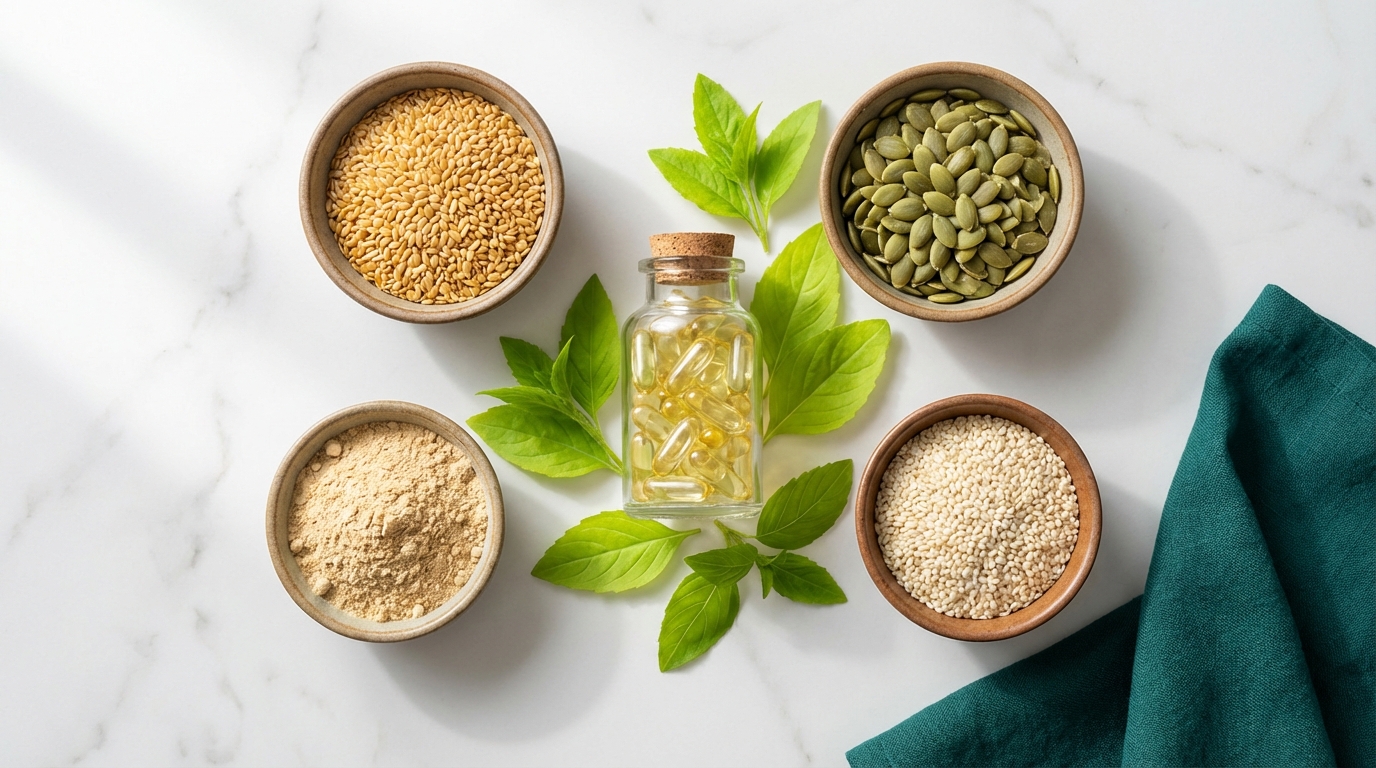
The five most powerful foods for hormone balance are flax seeds (supports estrogen metabolism), pumpkin seeds (regulates progesterone), sesame seeds (balances estrogen), maca root (adaptogen for all hormones), and evening primrose oil (soothes PMS symptoms). Research shows these foods can reduce hormone-related symptoms within 2-3 months when used consistently. The best part? They cost a fraction of expensive supplements and work with your body’s natural hormone production.
Why Food Matters More Than You Think for Hormone Balance
Your hormones control everything from your menstrual cycle and fertility to your mood, energy levels, and metabolism. When they’re balanced, you feel amazing. When they’re not, life becomes significantly harder.
Here’s what many women don’t realize: research published in the International Journal of Biomedical Science confirms that specific foods can directly influence hormone production and regulation. The right nutrients provide building blocks for hormone synthesis, while others help your body metabolize and eliminate excess hormones.
Unlike synthetic hormone replacement or expensive supplements, foods that balance hormones naturally work with your body’s existing systems. They’re gentler, more affordable, and backed by centuries of traditional use plus modern scientific research.
Research shows that up to 80% of women experience hormonal imbalances at some point in their lives. Common signs include irregular periods, heavy bleeding, severe PMS, mood swings, weight gain, acne, and fatigue. While these symptoms are common, they’re not normal—and food can help.
The 5 Most Powerful Foods That Balance Hormones Naturally
Let’s explore the five foods with the strongest scientific evidence for hormone balance. These aren’t trendy superfoods with questionable benefits—they’re research-backed options used successfully by women worldwide.
1. Flax Seeds: Your Estrogen Metabolism Powerhouse
Flax seeds are considered one of the most effective foods that balance hormones naturally, particularly for estrogen regulation. These tiny seeds contain compounds called lignans that have weak estrogen-like effects in the body.
Here’s what makes them special: research shows flax seeds help in lengthening the luteal phase, improving ovulation, and reducing common PMS symptoms such as breast pain and cramping. The lignans in flax seeds can help bind excess estrogen, supporting healthy estrogen levels throughout your cycle.
For women with PCOS, studies support the positive benefits of flaxseed. Just two tablespoons daily could show measurable health benefits.
How to use flax seeds: Add one tablespoon of freshly ground flax seeds to your morning smoothie, yogurt, or oatmeal. Grinding is essential—whole flax seeds pass through your digestive system intact, preventing nutrient absorption.
2. Pumpkin Seeds: The Progesterone Supporter
Pumpkin seeds are packed with zinc and magnesium, two minerals critical for progesterone regulation and menstrual health. These nutrients help calm period cramps, reduce inflammation, and support the formation of the corpus luteum—the structure responsible for progesterone production.
A clinical study on women with PCOS found that including pumpkin seeds as part of a seed cycling protocol significantly reduced ovarian cysts and improved hormonal balance. The omega-3 fatty acids in pumpkin seeds promote blood flow to the uterus and increase progesterone secretion.
Beyond hormone balance, pumpkin seeds also include beta-sitosterol, which can reduce excess androgen production—helping with symptoms like facial hair and acne in women with hormonal imbalances.
How to use pumpkin seeds: Eat one tablespoon of raw, organic pumpkin seeds daily. You can toast them with a light sprinkle of salt, add them to salads, or grind them into smoothies. Store in the refrigerator to preserve freshness.
3. Sesame Seeds: The Estrogen Balancer
Sesame seeds contain lignans that help block excess estrogen during the second phase of your menstrual cycle when progesterone should be rising. This balancing act is crucial for preventing estrogen dominance, a common hormonal imbalance affecting millions of women.
Research shows that sesame seeds are beneficial for postmenopausal women by improving blood lipids, antioxidants, and sex hormones. The gut microbiome converts sesame lignans into compounds that promote healthy estrogen metabolism.
Additionally, sesame seeds contain high levels of zinc, which supports progesterone production and helps maintain the delicate balance between estrogen and progesterone throughout your cycle.
How to use sesame seeds: Add one tablespoon of ground sesame seeds to your meals daily. Tahini (sesame seed butter) is an excellent option—spread it on toast, mix into dressings, or add to hummus. Black sesame seeds offer similar benefits with slightly higher antioxidant content.
4. Maca Root: The Complete Hormone Harmonizer
Maca root stands out among foods that balance hormones naturally because it works as an adaptogen—helping your body adapt to stress while supporting multiple hormone systems simultaneously.
Clinical research published in the International Journal of Biomedical Science demonstrates that maca root helps balance FSH, estradiol, and progesterone levels in both pre- and postmenopausal women. The study showed significant improvements in menopausal symptoms including hot flashes, night sweats, and mood disturbances.
What makes maca unique is that it doesn’t contain plant estrogens or phyto-hormones. Instead, it contains plant sterols that stimulate your endocrine system to help maintain hormonal balance appropriate to your age and needs. Scientists believe maca supports the hypothalamic-pituitary-adrenal axis, helping improve adrenal function, ovarian function, and thyroid regulation.
Maca helps your adrenal glands produce beneficial hormones like DHEA (which your body converts into sex hormones) rather than pumping out excess cortisol. This is especially valuable for women in perimenopause and menopause when ovarian hormone production declines.
How to use maca root: Start with one teaspoon of gelatinized maca powder daily, gradually increasing to one tablespoon. Mix into smoothies, coffee, oatmeal, or baked goods. Gelatinized maca is pre-cooked to remove starch, making it easier to digest than raw maca.
5. Evening Primrose Oil: The PMS Symptom Soother
Evening primrose oil provides gamma-linolenic acid (GLA), an omega-6 fatty acid that converts to anti-inflammatory prostaglandins in your body. These compounds help reduce the painful, inflammatory PMS symptoms many women experience.
A randomized controlled trial found that women taking 1,000mg of evening primrose oil twice daily experienced significant reduction in breast pain compared to placebo. The combination of evening primrose oil with vitamin E showed even stronger results.
Evening primrose oil doesn’t change your estrogen or progesterone levels directly. Instead, it modulates the inflammatory cascade that responds to hormonal fluctuations. This makes it particularly effective for cyclical breast tenderness, menstrual cramps, mood swings, and hormonal acne.
Research published in the Journal of Evidence-Based Complementary Medicine confirms evening primrose oil’s efficacy in managing PMS, mastalgia, and menopausal symptoms. The deficiency in gamma-linolenic acid makes breast tissues more sensitive to sex hormones, which evening primrose oil helps correct.
How to use evening primrose oil: Take 1,000-1,500mg in capsule form twice daily with meals. For best results, use continuously throughout your entire cycle rather than just during symptomatic periods. Allow 2-3 months for full benefits to develop.
Understanding Seed Cycling: A Natural Approach to Hormone Balance
Seed cycling is an increasingly popular natural method for women to support hormone balance throughout their menstrual cycle. While scientific research on seed cycling specifically is limited, individual studies on the nutritional components in these seeds show clear correlations to hormonal support.
The basic concept involves eating specific seeds during the two main phases of your menstrual cycle. During the follicular phase (days 1-14), you eat flax and pumpkin seeds to support estrogen production while preventing excess. During the luteal phase (days 15-28), you eat sesame and sunflower seeds to boost progesterone production.
A 2023 study of 90 women with PCOS found that seed cycling helped improve the hormonal imbalance characteristic of the condition. Specifically, seed cycling was associated with decreased luteinizing hormone and follicular stimulating hormone.
How to implement seed cycling: Eat one tablespoon each of freshly ground flax and pumpkin seeds daily from day 1-14 of your cycle. On days 15-28, switch to one tablespoon each of ground sesame and sunflower seeds. If you don’t have a regular cycle, you can follow the phases of the moon—new moon as day 1, full moon as ovulation.
How Hormones Actually Work (And Why Food Matters)
To understand why these foods are so effective, you need to understand how your hormone system works. Your body produces over 50 different hormones that regulate metabolism, mood, fertility, growth, blood sugar, and much more.
The five hormones most affected by diet are estrogen, progesterone, insulin, cortisol, and thyroid hormones. These don’t work in isolation—they interact constantly, influencing each other in complex ways.
Nutrients from foods that balance hormones naturally act as building blocks for hormone production. Healthy fats provide the structural foundation for hormones, while vitamins and minerals support hormone synthesis and regulation. Research highlights that the gut microbiome also plays a critical role in hormone regulation, with a healthy gut linked to improved regulation of cortisol, ghrelin, and insulin.
When your diet lacks essential nutrients or contains too many inflammatory foods, hormone imbalances develop. Consuming simple carbohydrates in excess can lead to insulin resistance, closely tied to weight gain and hormonal imbalances. Meanwhile, omega-6 fatty acids like those in evening primrose oil help reduce inflammation throughout your entire endocrine system.
What to Expect: Timeline for Hormone Balance Results
One of the most common questions about using foods that balance hormones naturally is: how long until I see results? The honest answer is that it varies by person and symptom, but research provides some helpful guidelines.
Immediate improvements (days to weeks): Some women notice better energy, improved sleep quality, and reduced bloating within the first week of adding these foods. These quick wins reflect reduced inflammation and better blood sugar balance.
Early hormone shifts (2-4 weeks): Menstrual cycle changes often appear within one to two cycles. You might notice lighter or heavier bleeding, reduced cramping, or changes in cycle length as your body adjusts.
Significant symptom reduction (2-3 months): Most clinical studies on evening primrose oil, maca, and seed cycling show meaningful improvements after 2-3 months of consistent use. This timeline allows for several complete hormone cycles and gives your body time to adjust.
Optimal balance (4-6 months): For deeper hormonal regulation—especially for PCOS, irregular cycles, or severe PMS—expect to commit to at least 4-6 months. Research on maca root shows that continuous use for two consecutive months is essential for significant hormone-balancing effects.
The key to success is consistency. These aren’t medications that work immediately—they’re nutritional supports that work with your body’s natural processes. Daily use matters more than perfection.
Additional Foods That Support Hormone Health
While our focus has been on the five most powerful options, other foods that balance hormones naturally deserve mention. Including a variety of hormone-supporting foods creates a more comprehensive approach.
Cruciferous vegetables: Broccoli, cauliflower, kale, and Brussels sprouts contain compounds that help your liver metabolize estrogen. Research shows these vegetables support proper estrogen metabolism, crucial for preventing estrogen dominance.
Fatty fish: Salmon, mackerel, and sardines provide omega-3 fatty acids with anti-inflammatory properties that support hormone production. These fats help reduce inflammation throughout your endocrine system.
Avocados: Rich in monounsaturated fats that support hormone production and balance insulin levels. The fiber in avocados also supports healthy estrogen detoxification through the gut.
Lentils and legumes: These provide fiber and plant-based protein that help balance blood sugar and improve gut health—both critical for hormone regulation. Getting adequate protein supports the production of peptide hormones essential for metabolism and stress regulation.
Foods to Avoid for Better Hormone Balance
Just as certain foods support hormone health, others actively disrupt it. Avoiding these hormone-disrupting foods amplifies the benefits of the positive changes you’re making.
Refined sugar and sugary beverages: These spike insulin levels and promote inflammation throughout the body. Scientists have linked inflammation and hormone imbalance, particularly in conditions like PCOS.
Processed foods: Full of additives that negatively affect hormone balance and lead to poor gut health. The gut microbiome plays a crucial role in hormone metabolism, especially estrogen.
Trans fats: These increase inflammation, which can lead to hormone imbalance and other health issues. Check labels and avoid partially hydrogenated oils.
Excessive alcohol: While moderate consumption isn’t problematic for most women, excessive alcohol damages gut health and promotes inflammation—both harmful to hormone balance.
Conventional dairy: Some women find that conventional dairy products worsen hormonal acne and PMS symptoms due to added hormones. Consider organic dairy or plant-based alternatives if you notice this connection.
Lifestyle Factors That Enhance Food-Based Hormone Balance
Foods that balance hormones naturally work best as part of a comprehensive lifestyle approach. These additional factors significantly impact your hormonal health.
Sleep quality: Aim for at least 7-8 hours of quality sleep nightly. Sleep architecture directly affects hormone regulation, especially cortisol, growth hormone, and reproductive hormones.
Stress management: Chronic stress elevates cortisol, which disrupts all other hormones. Practice stress-reduction techniques like meditation, yoga, deep breathing, or spending time in nature.
Regular movement: Physical activity improves insulin sensitivity and helps regulate sex hormones. Exercise supports both hormonal balance and overall wellbeing. Aim for a mix of strength training, cardio, and gentle movement.
Toxin reduction: Environmental toxins called endocrine disruptors interfere with hormone function. Minimize exposure by choosing organic produce when possible, filtering your water, and avoiding plastic containers for food storage.
Healthy weight maintenance: Both excess weight and being underweight disrupt hormone balance. Maintaining a healthy weight through balanced nutrition and regular movement supports optimal hormone function.
When to See a Healthcare Provider
While foods that balance hormones naturally can significantly improve symptoms, they’re not appropriate as standalone treatment for all conditions. Certain situations require professional medical evaluation.
Consult your healthcare provider if you experience absent periods for three months or longer (excluding pregnancy), extremely heavy bleeding requiring pad changes every hour, severe pain that interferes with daily activities, sudden unexplained weight gain or loss, symptoms of thyroid dysfunction (extreme fatigue, hair loss, temperature sensitivity), signs of diabetes or insulin resistance, or if you’re trying to conceive without success after six months.
These foods work beautifully as complementary support alongside medical treatment. Always inform your doctor about supplements you’re taking, especially if you have hormone-sensitive conditions or take medications.
Can I Use These Foods If I’m on Birth Control?
Yes, most women can safely use these foods while taking hormonal birth control. However, evening primrose oil may slightly reduce the effectiveness of some birth control pills. Discuss with your healthcare provider if you plan to take high doses of evening primrose oil (over 3,000mg daily) while on hormonal contraception.
Are These Foods Safe During Pregnancy?
Flax seeds, pumpkin seeds, and sesame seeds in food amounts are generally safe during pregnancy and provide beneficial nutrients. However, maca root and evening primrose oil require caution. Maca hasn’t been extensively studied in pregnancy, and evening primrose oil may cause uterine contractions. Always consult your obstetrician before using these during pregnancy or while trying to conceive.
How Long Should I Continue These Foods?
These are whole foods and supplements that can be used long-term as part of a healthy diet. Many women continue using them indefinitely once they experience benefits. If you decide to stop, do so gradually over several weeks rather than stopping abruptly, especially with evening primrose oil and maca.
Can Men Use These Foods Too?
Absolutely. While this article focuses on women’s hormone health, men can benefit from these nutrient-dense foods. Maca root, in particular, has been studied for male fertility and testosterone support. Pumpkin seeds provide zinc important for prostate health. The seeds offer healthy fats, protein, and minerals beneficial for everyone.
Do I Need All Five Foods or Can I Start With Just One?
Start with one or two foods that address your specific symptoms. If PMS and breast tenderness are your main concerns, begin with evening primrose oil. For irregular cycles, try seed cycling with flax and pumpkin seeds. For menopausal symptoms, maca root offers the broadest benefits. You can always add more foods as you become comfortable with the routine.
Creating Your Hormone-Balancing Meal Plan
The most sustainable approach to using foods that balance hormones naturally is incorporating them into meals you already enjoy. Here’s a practical framework.
Breakfast options: Add ground flax seeds to yogurt with berries, blend maca powder into your morning smoothie, sprinkle pumpkin seeds on oatmeal, or spread tahini (sesame butter) on whole grain toast.
Lunch ideas: Toss mixed seeds into salads, add tahini to homemade salad dressings, include ground flax in grain bowls, or mix pumpkin seeds into hummus.
Dinner additions: Coat fish or chicken with ground seeds before cooking, add maca to energy balls for dessert, sprinkle sesame seeds on roasted vegetables, or incorporate ground flax into meatballs or veggie burgers.
Snacks: Trail mix with pumpkin seeds, energy bites made with maca and flax, tahini with apple slices, or roasted pumpkin seeds with spices.
Supplement timing: Take evening primrose oil with meals for better absorption. Most women split the dose—one capsule with breakfast and one with dinner.
The Bottom Line: Foods That Balance Hormones Naturally
Hormone imbalances don’t have to control your life. The five foods covered in this article—flax seeds, pumpkin seeds, sesame seeds, maca root, and evening primrose oil—offer powerful, science-backed support for hormone health.
These foods work by providing essential nutrients for hormone production, supporting healthy hormone metabolism, reducing inflammation that worsens hormonal symptoms, and helping your body adapt to hormonal changes throughout different life stages.
The research is clear: consistent use over 2-6 months can significantly reduce PMS symptoms, support menstrual cycle regularity, ease menopausal transitions, and improve overall hormonal wellbeing. Best of all, these natural approaches cost a fraction of expensive supplements and work with your body rather than overriding its natural processes.
Start with one food that addresses your primary concern. Give it at least two months of consistent use. Track your symptoms so you can objectively measure improvements. Remember that hormone balance requires patience—your body needs time to adjust and respond.
Combined with intuitive eating, quality sleep, stress management, and regular movement, these foods that balance hormones naturally can transform how you feel throughout your entire cycle and beyond.