
Heart Healthy Snacks: 15 Science-Backed Options Women Should Always Keep on Handhealthy snacks
What if something as simple as your afternoon snack could actually protect your heart? It sounds almost too easy — but the science is clear. The foods you reach for between meals have a measurable impact on blood pressure, cholesterol, inflammation, and cardiovascular risk. For women especially, choosing the right heart healthy snacks isn’t just a nice nutritional habit — it’s a meaningful strategy for long-term health. And it matters more than most of us realize.
Quick Answer: What Are the Best Heart Healthy Snacks for Women?
The best heart healthy snacks combine fiber, healthy fats, and antioxidants — nutrients that lower LDL cholesterol, reduce inflammation, and support blood pressure. Top science-backed options include walnuts, berries, dark chocolate, edamame, avocado, Greek yogurt, and oatmeal. For women navigating hormonal changes that increase cardiovascular risk, these snacks do double duty: protecting the heart while supporting metabolic and hormonal health simultaneously.
Why Heart Healthy Snacks Matter More for Women Than You Might Think
Here’s a statistic that stops most women in their tracks: according to the CDC, heart disease was responsible for the deaths of 304,970 women in 2023 — approximately one in every five female deaths. Yet only about half of US women recognize heart disease as their number one health threat. Many are focused on breast cancer, which — while absolutely worth preventing — claims far fewer lives annually.
The hormonal piece makes this especially relevant. Estrogen provides women with natural cardiovascular protection during their reproductive years by keeping arteries flexible and cholesterol levels favorable. When estrogen drops during perimenopause and menopause, that protection disappears — and cardiovascular risk rises sharply. This is why eating in ways that support hormonal balance isn’t just about mood and energy. It’s directly tied to heart health too.
The good news? You don’t have to overhaul your entire diet to make a difference. Strategic snacking — choosing foods with proven cardiovascular benefits — is one of the most accessible and practical ways to support your heart every single day. These 15 options give you real science behind every choice.
What Makes a Snack Actually “Heart Healthy”?
Before diving into the list, it helps to understand what actually qualifies a snack as heart healthy — because the term gets used loosely. Genuinely heart-protective foods tend to do one or more of the following: lower LDL (bad) cholesterol, reduce triglycerides, improve HDL (good) cholesterol, decrease systemic inflammation, support healthy blood pressure, or improve insulin sensitivity.
The nutrients doing that work are primarily soluble fiber, omega-3 fatty acids, plant sterols, flavonoids, polyphenols, and potassium. Snacks built around these nutrients — rather than processed carbohydrates, added sugars, and sodium — form the foundation of a heart-protective eating pattern. The American Heart Association recommends building snacks around whole foods with these properties rather than relying on “heart healthy” claims on packaged products.
With that foundation in place, here are 15 snacks that genuinely deliver — each backed by clinical research, not just wellness tradition.
15 Heart Healthy Snacks Every Woman Should Keep on Hand
1. Walnuts
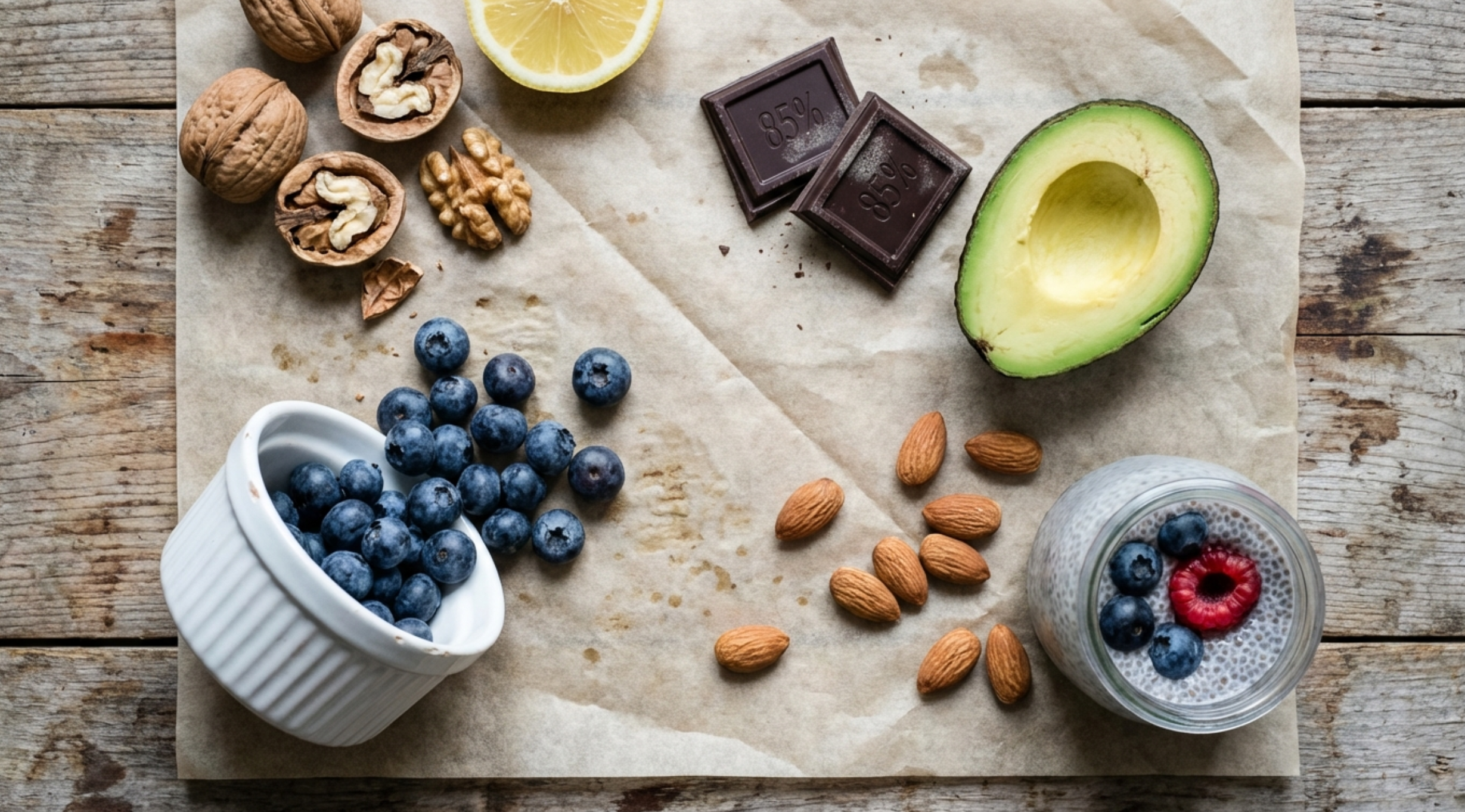
If you’re only going to keep one nut in your kitchen for heart health, make it walnuts. They’re uniquely rich in ALA — the plant-based omega-3 fatty acid — plus polyphenols and alpha-linolenic acid that collectively reduce LDL cholesterol, lower triglycerides, and decrease arterial inflammation. No other common nut matches their omega-3 profile.
Research published in Circulation found that a walnut-enriched diet significantly reduced LDL cholesterol and improved overall cardiovascular biomarkers compared to a standard American diet. A small handful — about 1 ounce or 14 walnut halves — is the evidence-backed serving size. They’re also deeply satiating, which makes them a practical afternoon snack that won’t leave you hungry an hour later.
2. Blueberries
Blueberries deserve their superfood reputation, particularly for women’s cardiovascular health. They’re packed with anthocyanins — the flavonoid pigments that give them their deep blue color — which have been shown to reduce blood pressure, improve arterial elasticity, and lower oxidative stress on the cardiovascular system.
A cup of fresh blueberries also provides meaningful fiber, vitamin C, and vitamin K. They’re low in calories, naturally sweet enough to satisfy sugar cravings, and pair beautifully with plain Greek yogurt for a protein-and-antioxidant snack combination. Frozen blueberries retain virtually all their nutritional value — so budget-friendly options work just as well as fresh.
3. Dark Chocolate (70% Cacao or Higher)
Yes, dark chocolate belongs on a legitimate heart health list — but the cacao percentage matters enormously. At 70% cacao or higher, dark chocolate is rich in cocoa flavanols that support endothelial function (the health of your artery lining), lower blood pressure modestly, and reduce LDL oxidation. These effects are clinically documented, not marketing spin.
The key is keeping portions realistic — one to two small squares (about 1 ounce) is where the benefit lies. More than that shifts the calorie-benefit ratio. Milk chocolate doesn’t provide the same cardiovascular benefit because the flavanol content is much lower and the sugar content is much higher. Think of high-cacao dark chocolate as a genuinely functional snack, not a guilty indulgence.
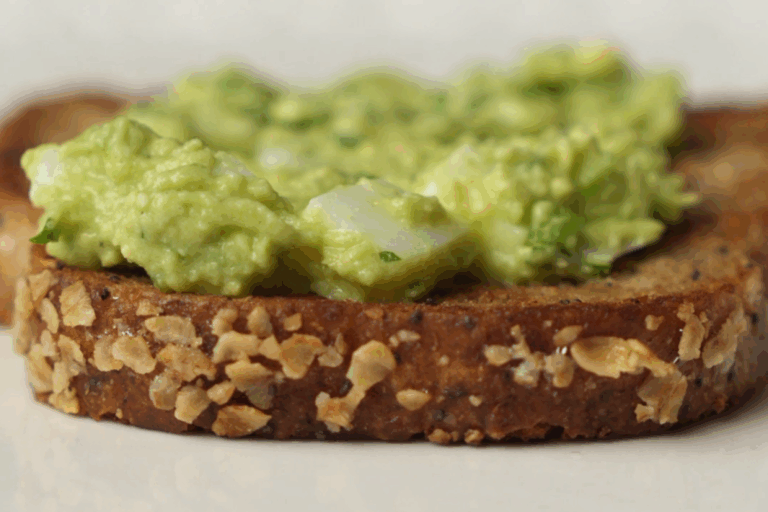
4. Avocado on Whole Grain Crackers
Avocado is one of the few fruits with a significant fat content — and that’s entirely the point. Its monounsaturated fatty acids (primarily oleic acid) actively reduce LDL cholesterol while supporting HDL levels. This lipid-improving effect makes avocado one of the most studied foods in cardiovascular nutrition.
Pairing half an avocado with whole grain crackers adds soluble fiber to the equation, which further supports cholesterol reduction. The combination also delivers potassium — a mineral that counteracts sodium’s blood pressure-raising effect. For women watching their weight and metabolic health, the healthy fat and fiber combination in this snack delivers lasting satiety that prevents overeating at the next meal.
5. Plain Greek Yogurt with Berries
Plain Greek yogurt brings together protein, probiotics, calcium, and potassium in a single convenient package. The probiotics — live bacterial cultures — contribute to cardiovascular health through an unexpected pathway: gut microbiome diversity is now understood to influence cholesterol metabolism, systemic inflammation, and blood pressure regulation.
Adding fresh or frozen berries amplifies the cardiovascular benefit with antioxidants and fiber. The protein content — typically 15–20 grams per cup of full-fat or 2% Greek yogurt — also makes this one of the most satisfying heart healthy snacks on this list. Critically, stick with plain varieties — flavored yogurts often contain as much added sugar as a dessert, which negates the cardiovascular benefit entirely. If you need sweetness, a drizzle of pure honey works perfectly.
6. Edamame
Edamame — young green soybeans — is one of the most underrated heart healthy snacks in the Western diet. A half-cup serving delivers about 9 grams of complete plant protein, 4 grams of fiber, and meaningful amounts of folate and vitamin K2. Folate is particularly important for women because it helps regulate homocysteine levels — elevated homocysteine is an independent risk factor for cardiovascular disease.
The isoflavones in soy also have a mild estrogen-like effect that may help support cardiovascular markers in perimenopausal and postmenopausal women. Research on isoflavones and lipid profiles shows modest but real improvements in total cholesterol and LDL. Frozen edamame takes about three minutes to prepare and needs nothing more than a pinch of sea salt to be genuinely satisfying.
7. Almonds
Almonds are among the most extensively studied nuts for cardiovascular benefit. They’re rich in vitamin E — a fat-soluble antioxidant that protects LDL cholesterol from oxidation (oxidized LDL is the form that damages artery walls), magnesium for blood pressure regulation, and monounsaturated fats for cholesterol management.
The fiber in almonds (about 3.5 grams per ounce) further supports cholesterol reduction through binding bile acids in the gut. An ounce of almonds — roughly 23 nuts — contains about 164 calories and is genuinely filling due to its fiber, fat, and protein combination. Like walnuts, they’re highly portable and require zero preparation, making them the most practical snack on this entire list.
8. Apple with Almond Butter
Apples provide pectin — a type of soluble fiber that forms a gel in the digestive tract and binds to LDL cholesterol, carrying it out of the body before it can be absorbed. They also deliver quercetin, a polyphenol with anti-inflammatory and antioxidant effects that directly protect cardiovascular tissue. One medium apple provides about 4 grams of fiber and only 95 calories.
Pairing apple slices with one to two tablespoons of natural almond butter adds healthy fat and protein that slows sugar absorption and turns this into a blood-sugar-stable snack. This combination is particularly valuable for women with insulin sensitivity concerns — a common issue that worsens after 40 and directly increases cardiovascular risk. Keep the almond butter natural (no added oils or sugar) for maximum benefit.
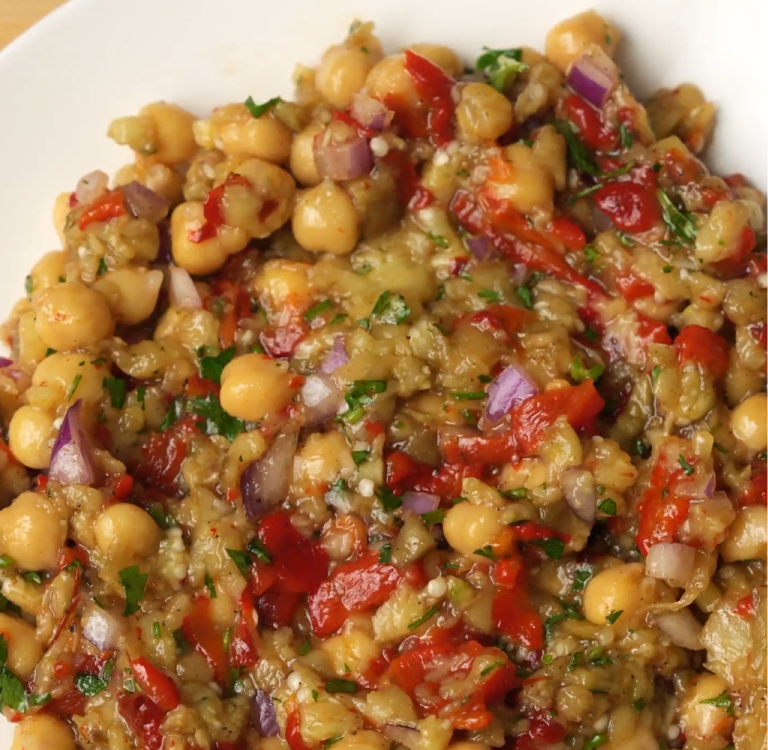
9. Hummus with Raw Vegetables
Traditional hummus is made from chickpeas — legumes with well-documented cardiovascular benefits. Chickpeas contain plant sterols that compete with cholesterol for absorption in the gut, soluble fiber that lowers LDL, and resistant starch that feeds beneficial gut bacteria. Studies show regular legume consumption is associated with a meaningful reduction in cardiovascular disease risk.
The vegetable dippers — carrots, celery, cucumber, bell peppers — add additional fiber, potassium, and antioxidants. This snack is genuinely filling despite being low in calories, which helps manage appetite and prevents the kind of blood sugar swings that drive unhealthy evening eating. Two to three tablespoons of hummus with a generous portion of raw vegetables is a satisfying, complete snack that also supports an anti-inflammatory eating pattern.
10. Pumpkin Seeds
Pumpkin seeds are a cardiovascular powerhouse that most women completely overlook. They’re one of the best food sources of magnesium — a mineral that nearly half of women don’t consume in adequate amounts, and one that plays a direct role in regulating blood pressure, supporting heart rhythm, and reducing arterial stiffness.
An ounce of pumpkin seeds also provides 9 grams of protein, healthy unsaturated fats, and zinc — which supports immune function and hormonal balance. Their full range of health benefits goes well beyond cardiovascular support. They’re easy to keep in a bag, add to yogurt, or eat as-is with minimal preparation. Look for raw or dry-roasted varieties with minimal added sodium.
11. Oatmeal
Oats are one of the most evidence-backed cholesterol-lowering foods in existence — and they work beautifully as a snack, not just a breakfast. The active ingredient is beta-glucan, a specific type of soluble fiber that forms a viscous gel in the gut, directly binding to LDL cholesterol and bile acids and preventing their reabsorption. The FDA has specifically approved a health claim for oats and heart disease risk reduction based on this mechanism.
A small bowl of plain oatmeal with cinnamon and a handful of walnuts creates a snack that addresses cholesterol, blood sugar stability, and inflammation simultaneously. If you’re interested in how cinnamon amplifies the metabolic benefits of oats, the research on blood sugar regulation is compelling and worth exploring. For women who get hungry mid-afternoon, oatmeal is one of the most satisfying low-calorie options available.
12. Sardines on Whole Grain Crackers
Sardines are the most nutrient-dense, budget-friendly heart healthy snack most women have never considered. A single 3.75-ounce can provides about 2 grams of omega-3 fatty acids (EPA and DHA), 23 grams of protein, and significant amounts of vitamin D, B12, and calcium — the last of which comes from the soft, edible bones. This nutritional profile rivals fresh salmon at a fraction of the cost.
The omega-3 content is the cardiovascular workhorse here — reducing triglycerides, lowering blood pressure modestly, and decreasing the risk of fatal arrhythmias. For women who don’t cook fish regularly but want the cardiovascular benefits, canned sardines paired with whole grain crackers is arguably the most powerful heart healthy snack combination on this list. Look for varieties packed in water or olive oil with minimal added sodium.
13. Chia Seed Pudding
Chia seeds offer a triple cardiovascular benefit: fiber (11 grams per ounce) for cholesterol reduction, ALA omega-3 fatty acids for anti-inflammatory action, and quercetin — the same antioxidant found in apples — for vascular protection. Two tablespoons of chia seeds mixed with unsweetened almond milk or low-fat dairy milk and left to set overnight creates a pudding-like snack that takes zero active preparation time.
The fiber in chia seeds also slows digestion dramatically, creating sustained satiety and excellent blood sugar stability — both important factors for women managing metabolic health after 40. Top with fresh berries for an additional antioxidant boost, and keep sweetening minimal. A touch of pure honey or monk fruit is all you need.
14. Air-Popped Popcorn
Here’s one that surprises people: plain, air-popped popcorn is actually a whole grain with meaningful fiber content. Three cups of air-popped popcorn contains about 3.6 grams of fiber, only 93 calories, and provides polyphenol antioxidants in amounts comparable to some fruits and vegetables. Research on whole grain consumption consistently shows 20–30% lower cardiovascular disease risk in women who eat three or more servings daily.
The critical caveat: preparation method determines whether popcorn is heart healthy or heart harmful. Air-popped with minimal salt is genuinely beneficial. Movie theater popcorn soaked in butter and salt, or microwave varieties loaded with artificial butter flavoring? Those work against cardiovascular health, not for it. A light drizzle of olive oil and herbs makes air-popped popcorn a genuinely satisfying, high-volume snack that won’t compromise your heart health goals.
15. Pistachios
Pistachios are the highest-fiber nut available and one of the lowest-calorie options by volume — about 49 nuts per ounce at 159 calories. Their cardiovascular credentials include significant amounts of lutein and zeaxanthin (antioxidants that also protect eye health), phytosterols for cholesterol management, and a favorable ratio of unsaturated to saturated fat.
Interestingly, the act of shelling pistachios actually supports mindful eating — the visual cue of empty shells helps people eat less while feeling more satisfied with their portion. For women who know they tend to oversnack in the afternoon, in-shell pistachios are a practical behavioral tool as much as a nutritional one. They also provide protein and B6, which supports energy metabolism and hormonal balance.
How Much Should You Snack for Heart Health?
The American Heart Association doesn’t prescribe a specific snacking frequency, but research supports keeping snacks to 150–250 calories and pairing at least two macronutrient groups — for example, fiber with protein, or healthy fat with antioxidants. Snacking mindfully matters as much as snack choice: eating in response to hunger rather than boredom or stress keeps overall intake in a healthy range. If you eat two balanced meals per day, one well-chosen snack can fill genuine nutritional gaps without adding excess calories.
What to Avoid: Snacks That Work Against Your Heart
Understanding what to avoid is just as important as knowing what to eat. The snacks most damaging to cardiovascular health share three common features: excess sodium (raises blood pressure), added sugar (increases triglycerides and promotes inflammation), and trans or highly processed saturated fats (raises LDL cholesterol).
Specifically, watch out for processed cheese crackers, most commercial granola bars (often contain more sugar than candy), potato chips, flavored rice cakes with artificial coatings, and anything with “partially hydrogenated oil” in the ingredient list — that’s another name for trans fat, which is actively harmful to cardiovascular health regardless of serving size. Sweetened yogurt parfaits marketed as healthy snacks deserve scrutiny too — many contain 25+ grams of added sugar per serving.
The simplest rule: the fewer ingredients on the label, the more likely a packaged snack is actually heart healthy. Single-ingredient foods — nuts, fruit, vegetables — are almost always your best bet when you’re eating for heart protection.
How to Build Heart Healthy Snack Habits That Actually Stick
Knowing which snacks are heart healthy is only half the equation. The other half is having those snacks accessible when hunger actually strikes — because when you’re tired or busy, you’ll grab whatever requires the least effort. This is why preparation matters as much as intention.
Keep a small bowl of walnuts or almonds on your kitchen counter. Pre-portion chia seed pudding jars on Sunday for the week. Keep hummus and sliced vegetables at eye level in the refrigerator. Store dark chocolate somewhere visible rather than hidden away. These small environmental changes make heart healthy choices the path of least resistance — which is ultimately what determines what you actually eat day to day.
Pairing snack changes with your overall eating approach — whether you’re following a Mediterranean-style pattern, managing macros, or working through an anti-bloat eating reset — amplifies the benefit. Individual snacks matter, but consistent eating patterns are what actually move cardiovascular risk markers over time.
Frequently Asked Questions About Heart Healthy Snacks for Women
Are heart healthy snacks also good for weight loss?
Generally yes — the same properties that protect cardiovascular health also support healthy weight management. High fiber, adequate protein, and healthy fats create satiety that reduces overall caloric intake. The metabolic improvements from reducing inflammation and improving insulin sensitivity also support sustainable weight management. Most women find that replacing processed snacks with the options on this list naturally reduces calorie intake while increasing nutritional quality simultaneously.
How quickly can snack changes affect heart health markers?
Some changes happen faster than you might expect. Blood pressure improvements from potassium-rich foods like avocado can occur within days to weeks. LDL cholesterol changes from increased soluble fiber and reduced saturated fat typically show up within 4–6 weeks in bloodwork. Inflammation markers improve over 4–12 weeks of consistent dietary changes. These aren’t dramatic overnight shifts, but they’re meaningful and measurable — and they compound over time.
Should women with high cholesterol eat nuts?
Yes — and this surprises many people. Despite being calorie-dense, nuts consistently show cholesterol-lowering effects in clinical studies because their unsaturated fats displace saturated fats in the diet, and their fiber and plant sterols actively reduce LDL absorption. The research is particularly strong for walnuts, almonds, and pistachios. Women with high cholesterol should still discuss dietary strategies with their healthcare provider, but nuts are broadly supported in clinical guidelines as beneficial for lipid management.
Are there heart healthy snacks for women with diabetes?
Many of the snacks on this list are well-suited for women with diabetes or insulin resistance — but the key is prioritizing low-glycemic options with fiber and protein. Best choices include nuts, plain Greek yogurt, non-starchy vegetables with hummus, chia pudding, and edamame. Fruit-based snacks like apples are fine but should be paired with protein or fat to slow glucose absorption. High-glycemic options like plain oatmeal or popcorn should be eaten in smaller portions with protein alongside them for blood sugar stability.
Do heart healthy snacks differ after menopause?
The same core principles apply, but post-menopausal women benefit from placing extra emphasis on snacks that specifically address the hormonal shift. After estrogen declines, LDL cholesterol tends to rise, arterial stiffness increases, and the risk of hypertension climbs. This makes snacks rich in soluble fiber (oats, chia, legumes), omega-3s (walnuts, sardines), and potassium (avocado, pistachios) especially valuable. Calcium-rich snacks like Greek yogurt and canned sardines with bones also support bone density protection alongside heart health.
The Bottom Line on Heart Healthy Snacks for Women
Heart disease remains the leading cause of death for women — and yet it’s profoundly influenced by the choices you make every day, including what you eat between meals. These 15 heart healthy snacks aren’t about restriction or deprivation. They’re about crowding out the processed options that work against your cardiovascular health and replacing them with foods that actively protect it.
You don’t have to implement all 15 at once. Start with two or three that genuinely appeal to you. Keep walnuts accessible. Add blueberries to your yogurt. Swap chips for hummus and vegetables three afternoons a week. These small, consistent changes build into meaningful cardiovascular protection over months and years — the only timeline that actually matters when it comes to long-term heart health.
Your heart works hard for you every single day. These snacks are a small, delicious way to return the favor.