

Vitamin C MS Risk: What a Major New Study Found
A major new study links vitamin C supplements to a 49% lower MS risk — but the evidence is mixed. Here’s what the science actually shows and what it means for your daily nutrition.
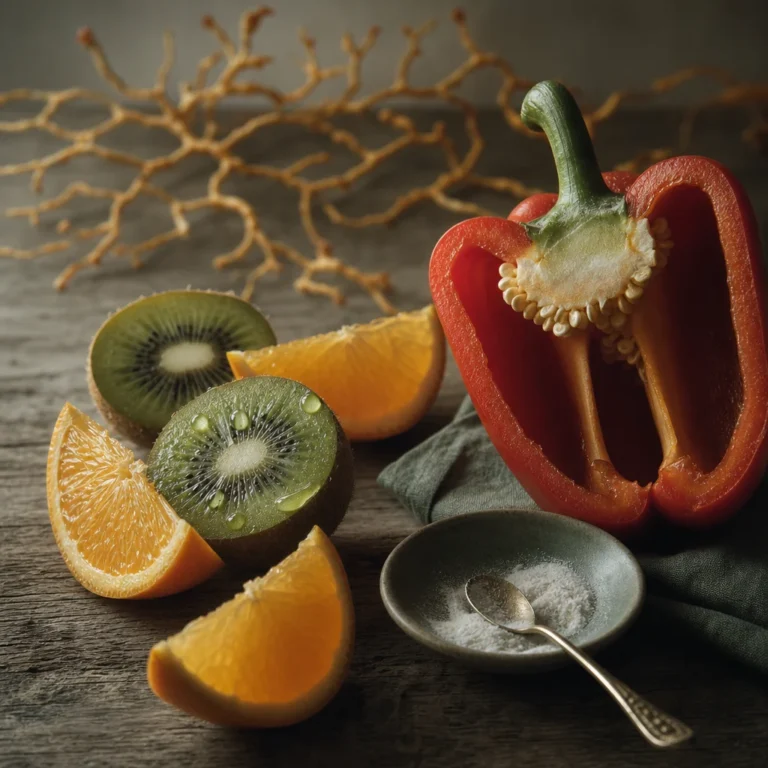
A major new study links vitamin C supplements to a 49% lower MS risk — but the evidence is mixed. Here’s what the science actually shows and what it means for your daily nutrition.

You’re doing everything right with your GLP-1 medication but the scale won’t budge. This is what GLP-1 resistance means for women with PCOS, why inflammation and dose matter, and questions to ask your doctor.
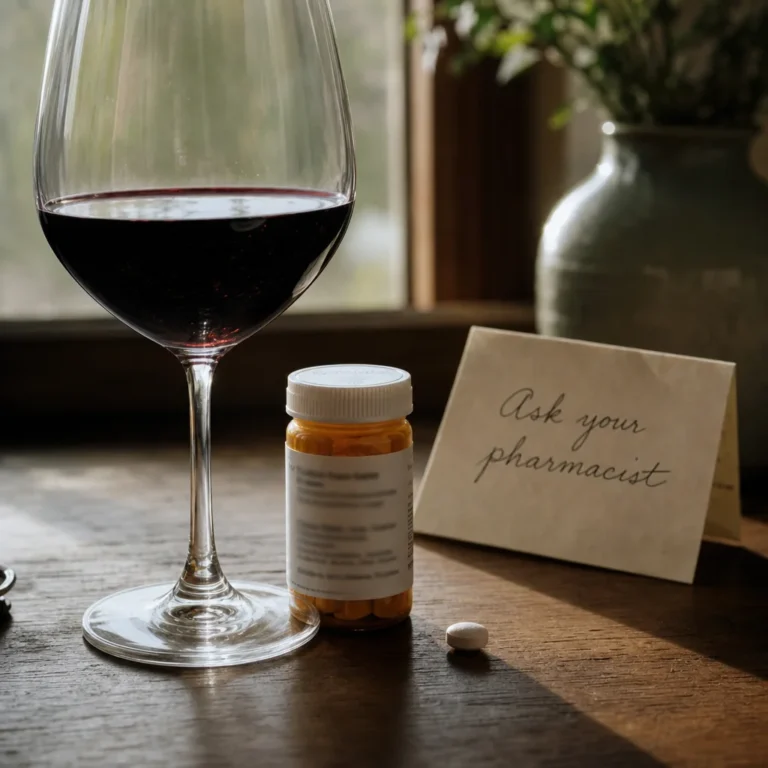
About 40% of adults take medication that can interact with alcohol. Learn which drugs are most dangerous to mix with alcohol, how timing matters, and the exact questions to ask your pharmacist before your next drink.
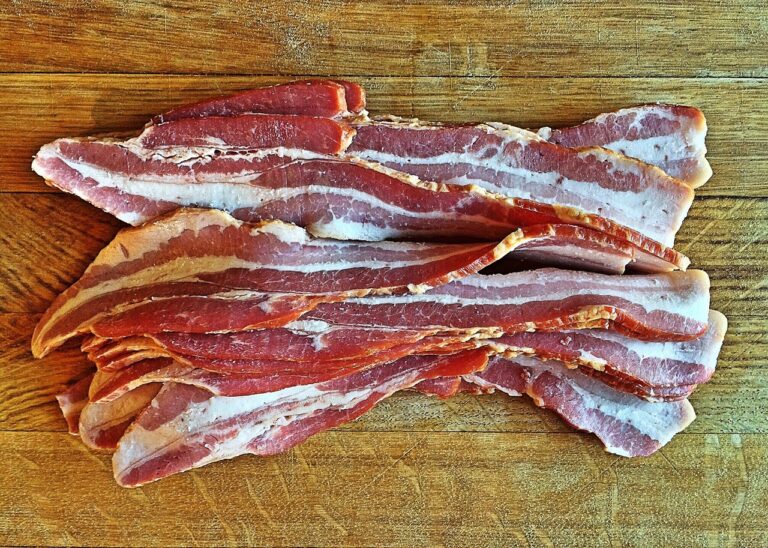
Over 12,000 pounds of Canadian-imported bacon recalled in ID, OR, and WA. A Class I recall due to skipped import reinspection. Check your fridge for Royale Natural and Top Valu brands.
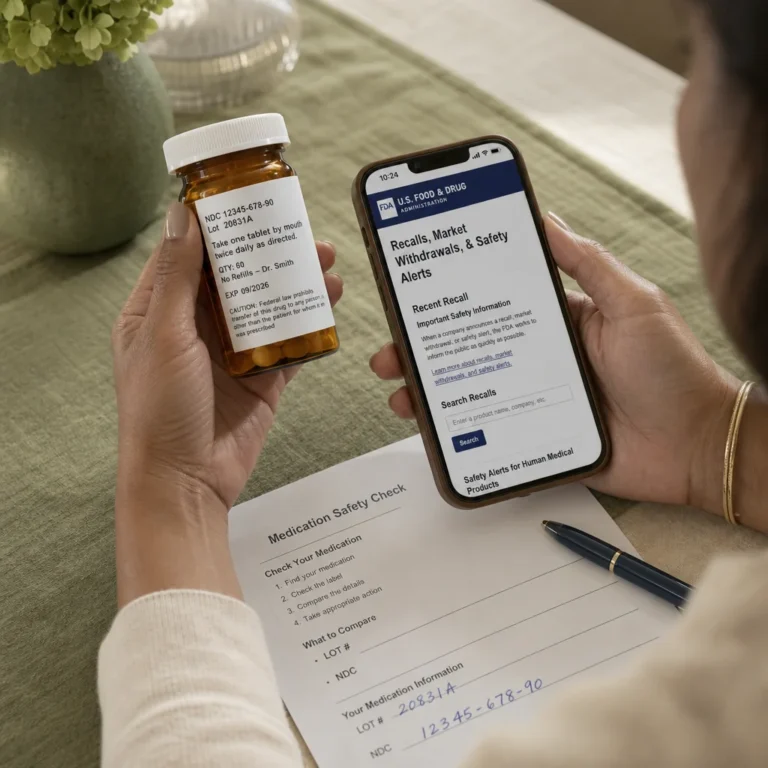
A nationwide levothyroxine recall has women asking what to do next. Here is exactly how to check your prescription lot number and why you should NOT stop taking your medication.
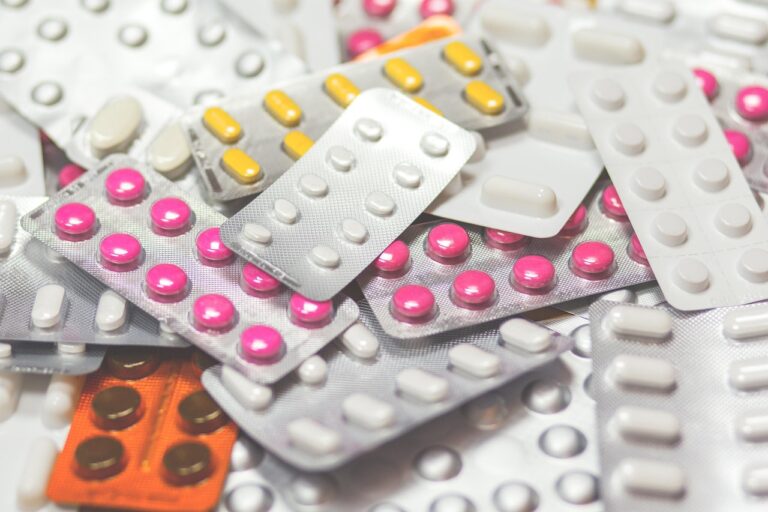
FDA just approved a new ADHD medication called SIMTRIYO (centanafadine) — the first of its kind to target three brain chemicals. Here’s what women need to know about this new option.

Is it perimenopause or primary ovarian insufficiency? POI affects 1 in 28 women under 40. Learn symptoms, diagnostic tests, and treatment options for this underdiagnosed condition.
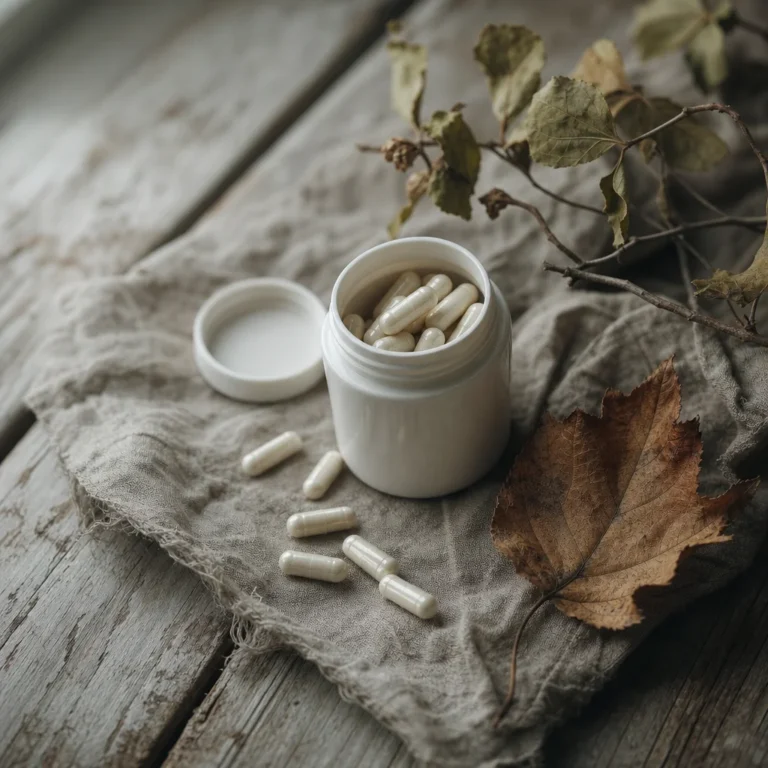
New research links glucosamine to Alzheimer’s progression risk. Should you stop your joint supplement? Get the facts before you decide.
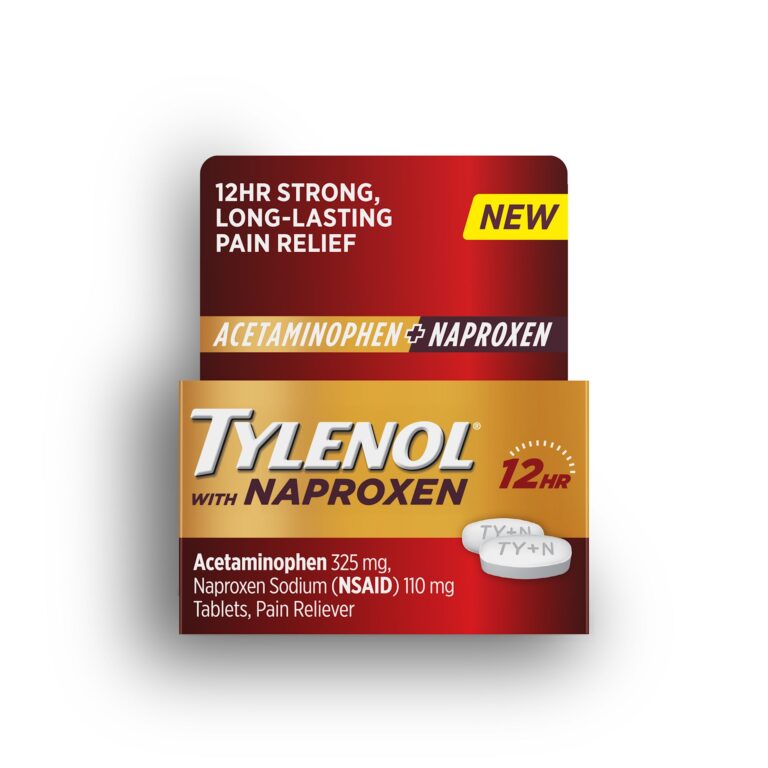
The FDA approved Tylenol with Naproxen, a new OTC combo of acetaminophen and naproxen. Here’s what to know about safety, dosing, and how it compares to taking them separately.
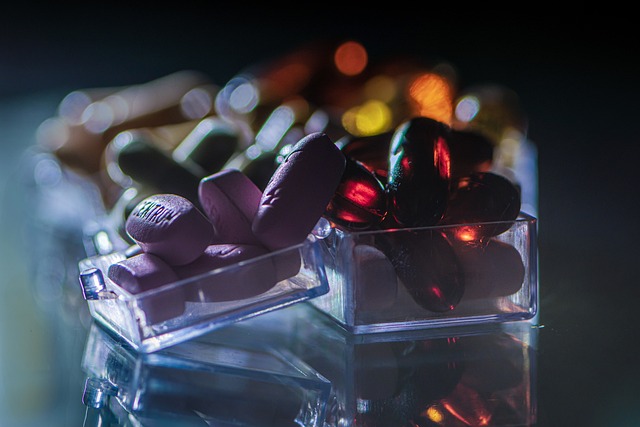
Can a daily multivitamin support heart health? A 3-year COSMOS trial reveals modest benefits for daily symptoms but no evidence it prevents heart attacks or extends life. Here’s what the science says.