

25 Best Snacks for Diabetics That Won’t Spike Your Blood Sugar
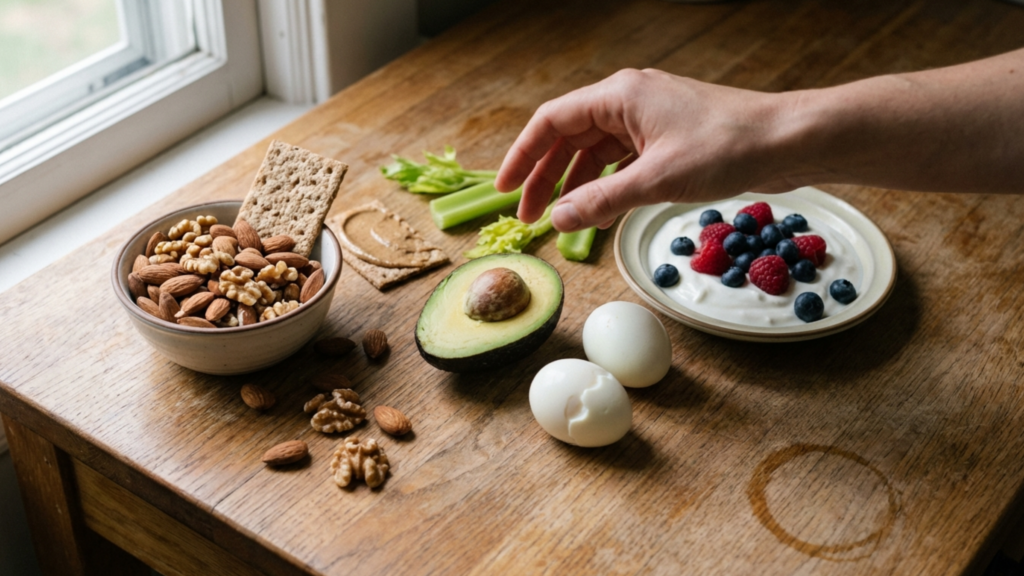
Are you tired of staring into the pantry, wondering what you can actually eat between meals? Finding the right snacks for diabetics can feel overwhelming — especially when so many options seem off-limits. But here’s the truth: smart snacking isn’t just allowed with diabetes, it can actively help you keep blood sugar steady throughout the day. You just need to know which foods to reach for.
In my years of clinical practice, I’ve watched women with diabetes transform their blood sugar stability simply by rethinking their snacks. The right choice between meals can prevent dangerous spikes, reduce energy crashes, and even support hormonal balance — something that matters enormously for women managing both diabetes and the hormonal shifts of midlife. So let’s dig into the 25 best snacks for diabetics that genuinely won’t spike your blood sugar.
Quick Answer: What Makes a Snack Safe for Diabetics?
The best snacks for diabetics combine protein, healthy fats, and fiber — the three nutrients that slow digestion and prevent rapid blood sugar spikes. According to the American Diabetes Association, snacks built around these macronutrients help stabilize blood glucose between meals, reduce cravings, and support long-term A1C management. Think: nuts and cheese, veggies with hummus, Greek yogurt with berries, or a hard-boiled egg with avocado.
Why Choosing the Right Snacks for Diabetics Matters So Much
When you have diabetes, your body doesn’t process glucose the same way a non-diabetic body does. Every time you eat carbohydrates, they break down into glucose that enters your bloodstream. The problem is that without adequate insulin function, that glucose can spike too high, too fast — causing immediate symptoms like fatigue, brain fog, and thirst, plus long-term damage to blood vessels and organs.
Snacking strategically changes this picture. According to Cleveland Clinic, a balanced snack combining protein, fiber, and sometimes healthy fats helps slow digestion, keeping blood sugar more stable and keeping you more satisfied between meals. It’s not just about what you avoid — it’s about what you intentionally include.
For women specifically, this matters even more. Hormonal fluctuations throughout the menstrual cycle, perimenopause, and menopause all affect insulin sensitivity. Estrogen plays a role in glucose metabolism, which is why many women notice blood sugar becomes harder to manage during hormonal transitions. Choosing the right snacks throughout the day is one of the most practical tools available to support stable glucose levels — no prescription required. You can also explore foods that balance hormones naturally to see how nutrition supports the bigger picture.
The Science Behind Blood Sugar-Friendly Snacks for Diabetics
Before we get to the list, it helps to understand why certain snacks work and others don’t. The key concept is the Glycemic Index, or GI. According to MedlinePlus, the GI measures how quickly a food raises blood glucose compared to pure glucose. Foods with a low GI release sugar slowly into the bloodstream — exactly what diabetics need.
But GI doesn’t tell the whole story. Research published in PMC shows that fiber, protein, and fat content all significantly modify how a food affects your blood glucose. A low-GI carbohydrate paired with protein and fat will raise blood sugar far more slowly than that same carbohydrate eaten alone. This is why pairing is so powerful — and why every snack on this list is built around that principle.
Additionally, research on soluble dietary fiber has found that diets rich in fiber can reduce HbA1c values by around 5% — a clinically meaningful improvement comparable to some diabetes medications. That’s the power of consistently choosing high-fiber snacks. Now let’s get into the good stuff.
25 Best Snacks for Diabetics That Won’t Spike Your Blood Sugar
1. A Small Handful of Almonds
Almonds are one of the most reliable snacks for diabetics, full stop. A 28-gram handful contains nearly 6 grams of carbohydrates and almost 3 grams of fiber, which means the net carb impact on blood sugar is minimal. Moreover, almonds provide magnesium — a mineral that plays a direct role in glucose metabolism. Research cited by Healthline suggests almonds may also improve heart health by reducing LDL cholesterol, which is especially relevant since women with diabetes face elevated cardiovascular risk.
Stick to unsalted, raw or dry-roasted almonds. A portion of about 1 to 1.5 ounces is ideal. Pair with a slice of cheese if you want to add more protein and make this snack even more satisfying.
2. Hard-Boiled Eggs
One of my personal favorites to recommend to clients, hard-boiled eggs are practically carb-free — about half a gram of carbohydrates per egg — while delivering 6.3 grams of high-quality protein. That protein is what prevents your blood sugar from rising too high after eating. Studies have also shown that eggs can help reduce fasting blood sugar levels and contribute to lower A1C over time.
Keep a batch of hard-boiled eggs in the fridge at all times. They’re portable, require zero prep once cooked, and pair beautifully with a few slices of avocado for a satisfying, blood-sugar-stable snack. Speaking of avocado — check out our guide on whether guacamole is healthy for more on incorporating this powerhouse food.
3. Greek Yogurt with Berries
Plain, unsweetened Greek yogurt is a protein powerhouse — typically 15–20 grams per cup — with a relatively low carbohydrate load. Combining it with berries adds natural sweetness plus a generous dose of fiber. A cup of blueberries, for example, provides meaningful fiber that helps slow sugar absorption.
There’s another reason I love this combination for women specifically. Yogurt contains probiotics that may improve your body’s ability to metabolize sugars, according to Healthline. For women managing gut health alongside diabetes — which is more connected than most people realize — this double benefit makes Greek yogurt with berries one of the smartest snacks for diabetics you can eat. Learn more about signs of an unhealthy gut that women should never ignore.
4. Veggies with Hummus
This classic combination deserves its reputation. Raw vegetables — carrots, celery, cucumber, bell pepper strips — are extremely low in carbohydrates and rich in fiber, vitamins, and antioxidants. Pairing them with hummus adds chickpea-based protein and healthy fats that further slow digestion.
Research has found that hummus consumption during meals was associated with blood glucose and insulin levels up to four times lower compared to white bread. That’s a remarkable difference. Stick to about a third of a cup of hummus as your portion, and load up generously on the veggies. Baby carrots, cucumber rounds, and celery sticks are easy to prep in advance for a grab-and-go option.
5. Apple Slices with Almond Butter
Yes, apples are a fruit — and yes, they have natural sugar. But whole apples come with fiber that slows glucose absorption significantly. When you add almond butter, you’re introducing protein and healthy fat into the equation, slowing digestion even further. The American Diabetes Association specifically recommends low-GI fruits like apples, pears, and berries for people managing blood sugar.
The key word here is “whole.” Juice is not an acceptable substitute — it strips away the fiber and delivers a concentrated sugar hit. Keep it to one small apple with one to two tablespoons of natural almond butter, and you have a genuinely satisfying snack that satisfies sweet cravings without the blood sugar rollercoaster.
6. Cottage Cheese with Sliced Tomatoes
Half a cup of cottage cheese delivers roughly 13 grams of protein and only about 4 grams of carbohydrates. Some research even suggests that full-fat cottage cheese may help lower blood sugar levels. Pair it with sliced tomatoes — low in carbs, high in lycopene and vitamin C — for a savory, blood-sugar-friendly snack that keeps you full for hours.
Cottage cheese is also a good source of calcium and vitamin D, two nutrients that women with diabetes are often low in. This makes it doubly valuable as part of your regular snack rotation.
7. Walnuts
Walnuts stand out among nuts for their exceptional omega-3 fatty acid content. Omega-3s reduce inflammation — a significant concern for diabetics, since chronic inflammation worsens insulin resistance. A small handful of walnuts makes a quick, portable snack with minimal blood sugar impact.
Walnuts are calorie-dense, so portion control matters. Aim for about seven whole walnuts (roughly one ounce). They pair well with a piece of low-GI fruit if you want something a little more substantial. You can also learn more about the full benefits of omega-3-rich fish like salmon in our detailed guide on whether salmon is healthy for women.
8. String Cheese
String cheese is underrated as a diabetic snack. It’s portable, requires no preparation, and provides a solid hit of protein and fat with virtually zero carbohydrates. Look for part-skim mozzarella string cheese — it offers a good balance of protein with slightly less saturated fat than full-fat versions.
Pair a stick or two with a small apple or a few whole-grain crackers if you want to add some fiber. The protein from the cheese will buffer the carbohydrate impact and keep your blood sugar stable. This is also an excellent bedtime snack — more on that in a dedicated section below.
9. Avocado on Whole-Grain Crackers
Avocado is one of nature’s most blood-sugar-friendly foods. It’s low in carbohydrates and extraordinarily rich in healthy monounsaturated fats and fiber — a combination that slows glucose absorption and improves insulin sensitivity. A 2023 study found that avocado consumption was associated with lower HbA1c and fasting blood sugar in people with type 2 diabetes.
Spread mashed avocado on two or three whole-grain crackers for a snack that combines the blood-sugar benefits of avocado with the fiber from whole grains. Season with a pinch of sea salt, black pepper, and a squeeze of lemon. It’s simple, satisfying, and genuinely one of the best snacks for diabetics when you need something a little more substantial.
10. Roasted Chickpeas
Chickpeas are a legume powerhouse — high in plant-based protein, rich in fiber, and surprisingly low on the glycemic index. A quarter-cup of roasted chickpeas has approximately 9 grams of carbohydrates, most of which come with fiber that slows their digestion significantly. They also provide vitamins and minerals that support metabolic health.
You can roast chickpeas yourself at home with a drizzle of olive oil and your favorite spices — cumin, paprika, garlic powder all work beautifully. They’re crunchy, satisfying, and portable. This is also a great option if you crave something savory and crunchy without reaching for chips.
11. Tuna Salad in Lettuce Wraps
Canned tuna is an excellent high-protein, low-carbohydrate option for diabetics. It’s rich in omega-3 fatty acids that help lower inflammation and support blood sugar management. Mix it simply with a little plain yogurt or light mayo, diced celery, and onion — then wrap it in crisp romaine lettuce leaves instead of bread.
This snack provides a meaningful dose of lean protein without the carbohydrate load of a traditional sandwich. It also takes just five minutes to assemble if you keep canned tuna stocked. For women focused on lean protein, check out our complete guide on whether catfish is healthy for more lean protein comparisons.
12. Pumpkin Seeds
Pumpkin seeds — also called pepitas — deserve far more attention as a diabetic snack. They’re rich in magnesium, zinc, and healthy fats. Magnesium plays a direct role in insulin sensitivity, and studies have shown that many people with type 2 diabetes are deficient in this mineral. Getting more through whole foods like pumpkin seeds is a smart, practical strategy.
A one-ounce portion of unsalted pumpkin seeds provides about 5 grams of protein and 5 grams of fat, with minimal carbohydrates. Eat them plain or sprinkle over a bowl of yogurt. Read the full breakdown of pumpkin seed health benefits to see how they support women’s overall wellness beyond blood sugar.
13. Celery with Peanut Butter
Celery is about as low-carb as vegetables get — virtually zero impact on blood sugar. It provides crunch, fiber, and volume that helps you feel satisfied. Pair it with natural peanut butter and you’ve added protein, healthy fats, and a genuinely satisfying flavor combination that takes less than two minutes to prepare.
Two tablespoons of natural peanut butter with four or five celery stalks is a classic, reliable snack that even die-hard blood sugar monitors trust. Just read the peanut butter label carefully — you want one where the only ingredients are peanuts and maybe a pinch of salt. No added sugars or hydrogenated oils.
14. A Small Bowl of Mixed Berries
When fruit cravings hit, berries are the best option for diabetics by a wide margin. Blueberries, raspberries, blackberries, and strawberries are all relatively low in sugar compared to tropical fruits, packed with fiber, and loaded with antioxidants. The American Diabetes Association highlights berries as a “superstar food” for diabetes management.
One cup of mixed berries makes a genuinely satisfying snack on its own. Add a few tablespoons of plain Greek yogurt or a small handful of nuts if you want to boost the protein and fat content for even better blood sugar stability. Berries are also one of the most hormone-supportive foods you can eat, thanks to their phytoestrogen and antioxidant content.
15. Air-Popped Popcorn
Popcorn surprises many people — yes, it’s a carbohydrate, but air-popped popcorn is actually a whole grain that’s high in fiber and surprisingly low in calories per cup. Three cups of air-popped popcorn contain roughly 18 grams of carbohydrates along with 3.5 grams of fiber. The fiber slows digestion enough that blood sugar impact stays moderate when portions are controlled.
The critical word here is “air-popped.” Movie-theater butter popcorn and most microwave varieties are loaded with sodium, unhealthy fats, and sometimes added sugar. Stick to plain air-popped popcorn seasoned with a sprinkle of nutritional yeast, garlic powder, or cinnamon. Keep portions to two or three cups.
16. Turkey Roll-Ups
Turkey roll-ups are a clean, protein-first snack that fits easily into any diabetic eating plan. Simply take a few slices of lean turkey breast — look for low-sodium versions — and wrap them around sliced cucumber, a strip of avocado, or a thin slice of cheese. No bread, no crackers, no unnecessary carbohydrates.
Turkey breast is extremely high in protein (around 29 grams per serving), and the protein content actively helps stabilize blood sugar while also supporting muscle maintenance. For women over 40 who need to protect muscle mass as part of their weight loss strategy, this protein-rich snack does double duty.
17. Whole-Grain Crackers with Low-Fat Cheese
Crackers get a bad reputation in the diabetic snack world — and honestly, most deserve it. Refined white crackers have almost no fiber, causing rapid glucose spikes. But whole-grain crackers are a genuinely different food. The fiber in whole-grain varieties slows carbohydrate digestion, particularly when paired with the protein and fat in cheese.
Look for crackers where whole grain is the first ingredient listed and total carbohydrates stay around 10–15 grams per serving. Pair with two or three slices of low-fat cheddar, Swiss, or your favorite cheese. This combination satisfies that craving for something crunchy and savory without sending blood sugar soaring.
18. Chia Seed Pudding
Chia seeds are extraordinarily fiber-dense — about 10 grams of fiber per ounce — and they form a gel when soaked in liquid, which slows digestion dramatically. Chia seed pudding made with unsweetened almond milk is one of the most effective blood-sugar-stabilizing snacks available to diabetics. It’s also wonderfully satisfying.
To make a batch, stir three tablespoons of chia seeds into one cup of unsweetened almond milk, add a drop of vanilla extract and a pinch of cinnamon — which has its own blood sugar benefits — and refrigerate overnight. Top with a few berries before eating. Speaking of cinnamon, explore its full impact in our deep dive on cinnamon and blood sugar management.
19. Edamame
Half a cup of shelled edamame provides 8 grams of fiber and 8 grams of protein with only around 14 grams of carbohydrates — making it one of the most nutrient-dense snacks for diabetics on this entire list. Edamame is also a source of isoflavones, plant compounds found in soy that research suggests may improve cardiovascular risk factors in people with diabetes.
Keep frozen edamame in your freezer and steam or microwave a portion whenever you need a quick snack. Season lightly with sea salt and a squeeze of lime. It’s particularly satisfying as a mid-afternoon snack when hunger gets serious before dinner.
20. Homemade Protein Energy Bites
Batch-making your own energy bites puts you completely in control of the ingredients — which matters enormously when you have diabetes. Most store-bought protein bars and energy bites are loaded with added sugars and syrups that will spike blood sugar despite their “healthy” branding.
A simple homemade version combines rolled oats, natural nut butter, chia seeds, a tablespoon of honey (used sparingly), and dark chocolate chips. One or two bites provide a satisfying balance of complex carbohydrates, fiber, protein, and fat. You can also add protein powder to boost the protein content even further.
21. Avocado Egg Salad
This combination takes two of the best blood-sugar-stabilizing foods and turns them into something genuinely delicious. Mash half an avocado with a chopped hard-boiled egg, a squeeze of lemon, salt, pepper, and a pinch of smoked paprika. Eat it on its own, with celery sticks, or on a small piece of whole-grain toast.
The combination of healthy fats from avocado and protein from egg creates a snack with virtually no blood sugar impact. It’s also genuinely filling — I’ve had clients tell me this snack carries them through three or four hours without hunger. Try our full avocado egg salad recipe for a detailed preparation guide.
22. Low-Fat Cheese with Cucumber Slices
Sometimes simplicity is the point. Thin slices of low-fat cheese paired with cucumber rounds is a zero-effort, blood-sugar-safe snack that takes thirty seconds to prepare. Cucumber is 95% water with a glycemic index near zero, while cheese provides protein and fat to anchor blood sugar stability.
This is a particularly good snack to have ready in the fridge for those moments when you need something quickly before a blood sugar dip hits. Portion out a few slices of cheese and pre-cut cucumber at the start of the week so this snack is always grab-and-go ready.
23. Unsweetened Nut Butter with Apple Slices
Cashew butter, sunflower seed butter, or walnut butter all work just as well as peanut or almond butter for pairing with apple slices. What matters most is choosing natural nut butters with no added sugar or hydrogenated oils. Two tablespoons of nut butter adds roughly 7–8 grams of protein and 16 grams of healthy fat — both of which slow the digestion of the apple’s natural sugars significantly.
Rotating through different nut butters keeps this snack interesting and ensures you get a variety of minerals and fatty acid profiles. Almond butter is highest in vitamin E, walnut butter is richest in omega-3s, and cashew butter provides extra magnesium — all valuable for diabetics.
24. A Small Square of Dark Chocolate with Almonds
Yes, you can have chocolate. The key is choosing dark chocolate that is 70% cocoa or higher — which is low in sugar, high in beneficial plant compounds called flavonoids, and has a lower glycemic impact than milk chocolate. Pair one or two small squares with a handful of almonds for a snack that satisfies sweet cravings while delivering protein and healthy fat to buffer blood sugar.
This is a smart strategy for women who find that feeling deprived leads to bigger dietary challenges down the line. A small, intentional treat that fits within blood sugar guidelines is far more sustainable than white-knuckling it through cravings indefinitely. Monkfruit-sweetened dark chocolate is also a good option — explore the health benefits of monkfruit as a sugar alternative.
25. A Bowl of Anti-Bloat Soup (Broth-Based)
A small cup of homemade or low-sodium vegetable or bone broth soup — packed with non-starchy vegetables like spinach, zucchini, celery, and tomatoes — makes an excellent late-afternoon snack, especially in cooler weather. Non-starchy vegetables have virtually no glycemic impact while providing vitamins, minerals, and hydration.
Batch-cook a simple vegetable soup on Sunday and keep it in the fridge for snacking throughout the week. It’s warming, genuinely satisfying, and pairs beautifully with managing both blood sugar and bloating — two common concerns for women managing diabetes.
Best Nighttime Snacks for Diabetics
Nighttime snacking deserves its own section, because blood sugar management at night follows different rules. Some people with diabetes experience the “dawn phenomenon” — a rise in blood sugar in the early morning hours driven by hormonal fluctuations during sleep. A small, high-protein bedtime snack may help stabilize overnight glucose levels for some people.
The best options for a bedtime snack are specifically high in protein and low in carbohydrates. String cheese, a small handful of nuts, two tablespoons of nut butter, or a few slices of turkey are all excellent choices. Cottage cheese is another top pick — its casein protein digests slowly, providing a sustained protein release overnight. Furthermore, quality sleep itself supports blood sugar regulation, so see our guide on sleep architecture and weight management for the full picture.
However, not everyone with diabetes benefits from a bedtime snack. As noted in a review from MedicalNewsToday, whether you need a nighttime snack depends on your specific medication regimen, blood sugar patterns, and individual metabolism. Always discuss this with your healthcare provider or registered dietitian.
Snacks Diabetics Should Avoid
Knowing what to avoid is just as important as knowing what to choose. The snacks that wreak the most havoc on blood sugar share a few common traits: they’re high in refined carbohydrates, low in fiber, and stripped of protein and fat — the three nutrients that slow glucose absorption.
Specifically, steer clear of sugary beverages like juice, soda, and sweetened coffee drinks — these spike blood sugar rapidly without providing any fullness. White bread, regular crackers, and rice cakes are similarly problematic because they digest quickly and offer minimal fiber. Candy bars, pastries, and packaged cookies are obvious culprits, but trail mix with lots of dried fruit and sweetened yogurt parfaits from coffee shops can be surprisingly high in carbohydrates too.
Additionally, watch out for high-sodium processed snacks. Cleveland Clinic dietitians note that people with type 2 diabetes often also have high blood pressure, making excessive sodium particularly problematic. Processed snack foods like chips and crackers are frequent hidden sources of sodium.
How to Build the Perfect Diabetic Snack: A Simple Formula
You don’t need to memorize 25 individual snacks. Instead, learn the formula and you can build your own blood-sugar-safe combinations indefinitely. The formula is simple: protein + fiber + healthy fat.
Protein anchors blood sugar by slowing gastric emptying and reducing the glycemic impact of any carbohydrates in the snack. Fiber — from vegetables, legumes, whole grains, or nuts — slows carbohydrate digestion at the intestinal level. Healthy fat further slows digestion and triggers satiety hormones. When all three elements are present, blood sugar rise becomes gradual and modest rather than sharp and spiking.
Use this formula to mix and match: pick a protein source (cheese, nuts, eggs, Greek yogurt, nut butter, turkey, tuna), pair it with a fiber source (vegetables, berries, whole-grain crackers, chia seeds), and you’ve built a solid snack. The heart-healthy snacks guide for women offers even more pairing ideas that work for both cardiovascular and blood sugar health.
Snacking Tips for Diabetic Women Specifically
Women with diabetes face some unique challenges that affect how they should approach snacking. Hormonal changes — whether from the menstrual cycle, pregnancy, perimenopause, or menopause — directly impact insulin sensitivity. Many women notice that their blood sugar is harder to control in the week before their period, during periovulation, or during the hormonal transition of perimenopause. This is not a failure of willpower; it’s physiology.
During these times, leaning even more heavily on protein-first snacks can help compensate for reduced insulin sensitivity. Tracking patterns in your blood sugar response to certain snacks at different hormonal phases can also be illuminating — this is something I encourage clients to discuss with their endocrinologist or diabetes care team.
Additionally, stress management matters. Cortisol — the stress hormone — raises blood sugar directly by signaling the liver to release stored glucose. Women who experience chronic stress may find their blood sugar harder to control regardless of diet. Pairing smart snacking with stress management practices and adequate quality sleep creates a more complete approach to blood sugar stability.
Portion Control and Timing: What Diabetics Need to Know
Even the healthiest snacks can affect blood sugar if portions get out of control. Nuts are a perfect example — nutritionally excellent, but calorie-dense enough that a distracted handful can quickly become four or five times the intended portion. Measuring snacks — at least until you have a clear visual sense of appropriate portions — makes a real difference.
Timing also matters. Blue Shield of California’s certified diabetes educator suggests adding a snack if you’re going more than four hours between meals — a useful practical guideline. Going too long without eating can cause blood sugar to drop, leading to the rebound hunger that often drives poor food choices.
On the other hand, too-frequent snacking — eating every hour, for example — can contribute to chronically elevated insulin levels and make weight management harder. Finding a rhythm of three balanced meals with one or two intentional snacks tends to work well for most women with diabetes, though individual needs vary based on medications and metabolic factors. Explore our guide on meal timing strategies for additional context on when to eat for optimal metabolic health.
How Many Carbs Should a Diabetic Snack Have?
Most diabetes care guidelines recommend keeping snacks between 15 and 30 grams of carbohydrates, depending on your individual plan. However, the carbohydrate count alone doesn’t tell the full story — 15 grams of carbs from berries with Greek yogurt will affect blood sugar very differently than 15 grams from a cookie. Always consider the fiber, protein, and fat content alongside the total carb count. Your registered dietitian can help you find the right carb range for your specific needs.
Is Fruit Safe for Diabetics to Snack On?
Yes — whole fruit is generally safe and beneficial for people with diabetes. The fiber in whole fruit slows sugar absorption significantly, making it very different from fruit juice. Stick to lower-GI options like berries, cherries, apples, and pears, and always pair fruit with a protein or fat source (nut butter, cheese, nuts, Greek yogurt) to further buffer the blood sugar impact. Avoid dried fruit, which concentrates sugar and strips away much of the blood-sugar-buffering water content.
Can Diabetics Eat Peanut Butter?
Absolutely. Natural peanut butter (ingredients: peanuts, and maybe salt) is an excellent snack choice for diabetics. It’s low in carbohydrates, high in protein, and rich in healthy monounsaturated fats. Just read labels carefully — many commercial peanut butters contain added sugars and partially hydrogenated oils that are best avoided. Aim for natural or organic versions and keep portions to one to two tablespoons per snack.
What Are the Best Grab-and-Go Snacks for Diabetics?
When you need something truly portable, reach for: individual packets of nut butter, a small bag of mixed nuts, string cheese, a hard-boiled egg, a small container of Greek yogurt, or a handful of pumpkin seeds. Each of these requires no refrigeration for short periods (except the yogurt and egg), making them genuinely practical for busy women on the go. Planning and prepping snacks in advance makes it far easier to stay on track.
Are There Snacks Specifically Good for Blood Sugar at Night?
Yes. For nighttime snacking, prioritize high-protein options with minimal carbohydrates: cottage cheese, a few slices of turkey or cheese, a small handful of nuts, or two tablespoons of nut butter. The slow-digesting protein helps stabilize overnight blood sugar for some people, particularly those who experience the dawn phenomenon. Always check with your diabetes care team about whether a bedtime snack is appropriate for your individual situation and medication regimen.
The Bottom Line on Snacks for Diabetics
Managing diabetes through food is genuinely empowering — and the 25 snacks on this list prove that eating well doesn’t mean eating boringly. The principle behind every great snack for diabetics is the same: combine protein, fiber, and healthy fat to slow digestion and keep blood sugar stable. Get that combination right, and snacking becomes one of your most powerful blood sugar management tools rather than a liability.
For women specifically, remember that hormonal changes throughout your life will influence blood sugar in ways that go beyond food alone. Staying connected with your healthcare team, tracking your personal responses to different foods, and building a lifestyle that supports both metabolic and hormonal health gives you the most comprehensive approach. Diet is foundational — but it works best as part of a bigger picture that includes movement, sleep, and stress management.
Start with two or three snacks from this list that genuinely appeal to you. Build the habit of prepping them in advance. Notice how your energy and blood sugar respond. Then expand your repertoire from there. Small, consistent choices add up to meaningful long-term results — and that’s exactly the kind of change that lasts. You can also explore the full best supplements guide for women to see which nutrients specifically support blood sugar management alongside your whole-food snack strategy.