

Foods That Boost Serotonin: What Actually Works
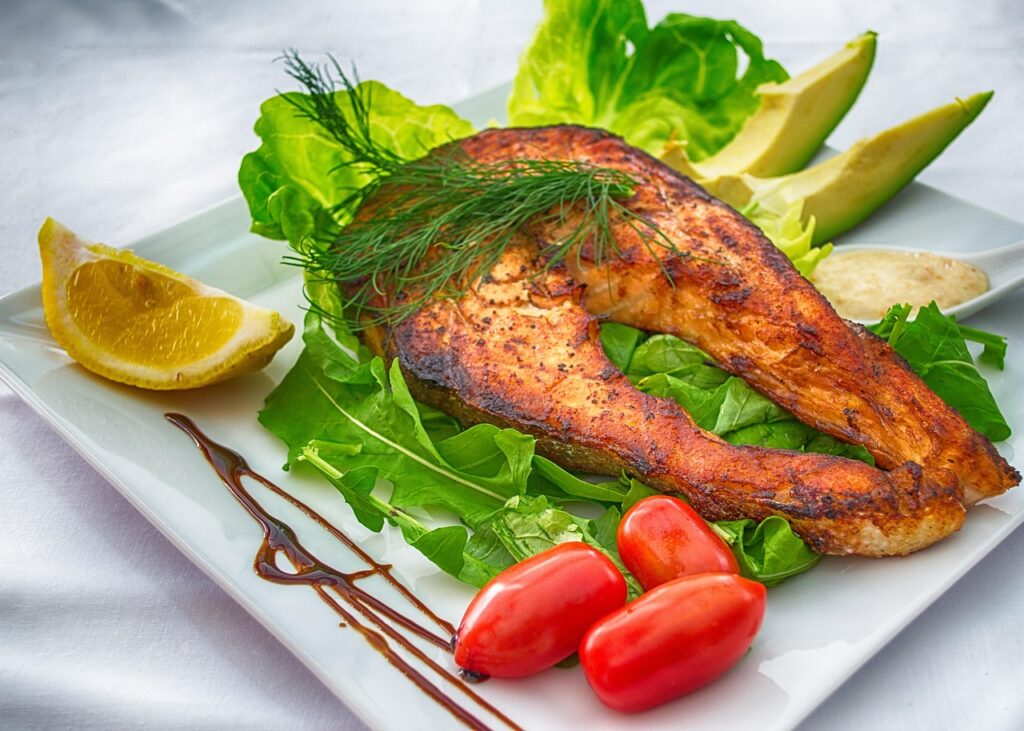
Key Takeaways
- Serotonin in food cannot cross into your brain. Your body builds its own from the amino acid tryptophan.
- The best-known foods that boost serotonin are turkey, salmon, eggs, tofu, cheese and beans — but no single food works alone.
- Pairing protein with fibre-rich carbohydrates helps tryptophan win a spot at the blood-brain barrier.
- Folate and vitamin B6 complete the conversion, so a varied plate beats a protein-only one.
- If you take an MAOI antidepressant, some foods on this list are not safe. Ask your prescriber for the tyramine food list.
If you’ve searched for foods that boost serotonin, you’ve probably seen the same short list. Turkey, salmon, eggs, cheese, tofu, beans. Eat them, the advice goes, and your mood lifts. The real story is more interesting than that — and far more useful.
Here’s the thing. Serotonin in food cannot reach your brain, no matter how much of it you eat. That’s because serotonin can’t cross the blood-brain barrier. Think of that barrier as a strict filter guarding what gets in.
So instead, your body builds serotonin from scratch. It starts with tryptophan, an amino acid you can only get from food. According to the StatPearls clinical reference from the NIH, that build happens in two places. One is the brainstem. The other is your gut.
This guide walks through how that process works, what it needs from your plate, and where the popular shortcuts fall short. You’ll also get a simple day of eating and a clear safety note.
Quick Answer: Do foods that boost serotonin really work?
Partly, and indirectly. Your brain makes serotonin from tryptophan, an amino acid found in protein foods. Eating tryptophan-rich meals alongside fibre-rich carbohydrates may help that process along. However, food supports mood — it does not treat depression or anxiety.
Foods That Boost Serotonin: What You Actually Need to Know
Let’s clear up the biggest mix-up first. You don’t eat serotonin. You eat the raw material your body uses to make it.
That distinction matters, because it changes which foods are genuinely helpful. A food packed with serotonin does nothing for your brain. A food packed with tryptophan might — if the rest of the meal cooperates.
That’s the part most lists of foods that boost serotonin leave out. They name the nutrient, then stop.
Here’s another number worth knowing. Harvard Health Publishing reports that about 95% of the body’s serotonin is made in the gut. That sounds as though digestion runs your mood. It doesn’t work that way, yet the gut still matters. We’ll come back to why.
How Your Body Builds Serotonin, Step by Step
Picture a two-step assembly line. First, an enzyme called tryptophan hydroxylase converts tryptophan into 5-HTP. Next, a second enzyme turns 5-HTP into serotonin.
Here’s the detail almost nobody mentions. Each step needs a helper nutrient. Step one depends on a compound called BH4, which your body recycles using folate, also known as vitamin B9. Step two depends on vitamin B6.
According to StatPearls, serotonin production is metabolically dependent on both. In plain terms, plenty of tryptophan plus a shortfall of folate or B6 may not get you very far.
This is why a whole plate beats a single food. Leafy greens, beans and whole grains supply folate and B6. So when people ask about foods that boost serotonin, the honest answer starts here. Protein alone is only half the recipe.
One more piece is worth knowing. Serotonin is also the raw material for melatonin, the hormone that sets your sleep rhythm. That link explains why sleep and mood travel together.
Why Protein Alone Isn’t Enough
Picture a narrow doorway. Tryptophan and several other amino acids all want through at once. They share the same transporter, so they compete for room.
Tryptophan is the least abundant of the group. After a protein-heavy meal, the other amino acids are present in larger amounts and tend to win the race. As a result, your brain may not see much of a tryptophan bump.
Carbohydrate changes the picture. When you eat carbs, your body releases insulin. Insulin pulls the competing amino acids into muscle tissue. That leaves tryptophan facing less competition at the door.
That’s the mechanism behind a rule you may have heard. Pair tryptophan-rich protein with a fibre-rich carbohydrate. Think whole grains, beans, lentils, fruit or vegetables — not sweets and sugary drinks. This is the step most foods that boost serotonin articles skip entirely.
Does the ratio really change? A double-blind crossover study in the British Journal of Nutrition tested this in 43 people. Volunteers drank a tryptophan-rich protein, then researchers measured their blood. The ratio rose exactly as predicted, which confirms the mechanism is real. So the pairing advice behind foods that boost serotonin isn’t guesswork.
Tryptophan-Rich Foods Worth Keeping on Hand
Now for the practical part. These are the foods that boost serotonin most reliably, and most of them also bring the other nutrients your serotonin system needs.
Turkey and other poultry. A complete protein, meaning it supplies all nine essential amino acids, tryptophan included. It also pairs naturally with whole grains and vegetables.
Salmon and other oily fish. Tryptophan plus omega-3 fats. A meta-analysis in the Journal of Affective Disorders pooled 36 randomised trials of omega-3s. It found a small but real benefit for depressive symptoms. However, the effect was modest and the studies varied widely. So treat fish as a smart weekly habit, not a cure.
Eggs. Cheap, versatile and rich in tryptophan. Keep the yolks, because that’s where much of the nutrition sits.
Tofu, tempeh and soy. Soy is one of the few plant proteins that supplies every essential amino acid. If you eat plant-based, this is your most efficient single source.
Cheese and dairy. Cottage cheese, milk, yogurt and fresh cheeses all contribute; if you take an MAOI, skip aged cheeses such as Cheddar and Parmesan. Otherwise, dairy brings calcium and protein, which helps a meal feel satisfying.
Beans, lentils and oats. These supply tryptophan along with the fibre and B vitamins your gut and your conversion enzymes need.
Notice a pattern? The best foods that boost serotonin are also rich in folate, B6 or fibre. That overlap is not a coincidence.
The 95% Myth: Gut Serotonin Is a Different Pool
Yes, most of your serotonin sits in your gut. No, it never travels to your brain. The two pools stay completely separate.
Gut serotonin handles digestion. Specifically, it supports gut motility and secretion, so food keeps moving. Some of it also sits inside your platelets and helps with clotting.
So why does the gut matter for mood at all? Because your gut bacteria influence inflammation and signal your brain along neural pathways running between the two. That’s the gut-brain axis, and it’s real. Therefore the gut still matters for foods that boost serotonin — just not in the way headlines imply.
There’s encouraging evidence here too. A meta-analysis in BMC Psychiatry pooled 72 randomised trials of probiotics, prebiotics and synbiotics. It found moderate reductions in depression and anxiety symptoms. However, the authors flagged high variability and uneven study quality. As a result, fibre and fermented foods make sense as a habit — not as a proven treatment.
Everyday gut-supporting picks
Plain yogurt, kefir, sauerkraut, kimchi, tempeh, lentils, beans, oats and berries. Add one of these to a meal you already eat, and you’ve covered the gut side without changing your routine. If you take an MAOI, check yogurt, kefir, sauerkraut, kimchi and tempeh against the food list your prescriber or pharmacist gives you before adding them, and start with lentils, beans, oats and berries while you confirm. For more gut-friendly options, see our guide to foods that reduce bloating fast.
Movement, Morning Light and the Sleep Link
Food is one input. Movement and light are two others, and both have solid backing.
Regular activity shows up again and again in mood research. Clinical references list exercise alongside therapy and medication as a core part of care. In addition, you don’t need a marathon. A brisk walk, a swim or a dance session all count.
Daylight matters as well. Morning light is a strong signal for your body clock. A settled body clock supports the sleep your mood depends on. Because serotonin is also the raw material for melatonin, protecting your sleep protects your mood. A short stretch outside after waking is a simple place to begin.
The same food-first logic applies to foods that balance hormones naturally.
Finally, protect your sleep. Because serotonin is the raw material for melatonin, a broken night can ripple into your mood the next day. So sleep is serotonin care, not a separate task.
What Foods That Boost Serotonin Can and Cannot Do
Here’s where honesty matters more than hype. Foods that boost serotonin do work through a real pathway. However, the effect of any single meal is smaller than most articles suggest.
Remember that tryptophan study? The ratio rose exactly as predicted. Yet mood barely moved. That was a single-day intervention, so it can’t rule out longer-term benefits. It does, however, rule out the instant lift.
There’s more. A systematic review in Translational Psychiatry reviewed 21 studies on tryptophan depletion. It found no consistent effect on anxiety in healthy people. In other words, pushing tryptophan up or down doesn’t reliably move mood within a day.
So what does that leave? A slow, cumulative input. Whole dietary patterns show up far more strongly in the research than any single food. Also worth saying plainly: the idea that low serotonin causes depression is genuinely contested among researchers. Serotonin is one system involved in mood, not the whole story.
And the famous Thanksgiving nap? A very large meal, a little alcohol and a warm room explain it better than one amino acid does.
Does Food Actually Change Your Mood? The Strongest Evidence
If single meals don’t do much, what does? So what do foods that boost serotonin realistically deliver? Better overall diet quality — and that’s what the strongest research measures.
The SMILES trial was published in BMC Medicine. It put 67 adults with moderate to severe depression on a Mediterranean-style eating plan. A dietitian coached them over 12 weeks. Everyone also continued their usual care.
The results were striking. Depression scores improved significantly more in the diet group. Remission, meaning symptoms largely cleared, reached 32.3% in the diet group versus 8.0% in the control group. The benefit held even when weight didn’t change.
Read the caveats, though. The trial was small. People knew which group they were in, which can inflate results. And the diet came with professional support, not from a list of six foods.
The pattern fits other research. Harvard Health Publishing reports 25% to 35% lower depression risk among people eating traditional Mediterranean-style diets. A 2026 review in Nutrients reaches a similar conclusion. A food-first approach — Mediterranean patterns, oily fish, varied fibre and nutrient-dense produce — is the most defensible strategy. Supplements are best saved for diagnosed shortfalls.
In other words, foods that boost serotonin matter most as part of a whole pattern, not as single items on a list. What you leave off matters too — see our guide to ultra-processed foods at the grocery store.
A Simple Day of Tryptophan-Rich Eating
You don’t need a supplement aisle or a special menu. Foods that boost serotonin fit comfortably into a normal day, as long as you pair them well.
Breakfast. Two or three eggs on whole-grain toast, plus a piece of fruit. Or oats cooked in milk, topped with pumpkin seeds and berries.
Lunch. A turkey or tuna sandwich on whole grain with a lentil salad alongside. Plant-based? Try a tofu and brown rice bowl with edamame and kimchi.
Afternoon snack. Cottage cheese with pineapple, plain yogurt with sunflower seeds, or peanut butter on whole-grain crackers. Pairing protein with a little carbohydrate here is the whole point.
Dinner. Salmon with brown rice or quinoa, roasted vegetables and a fermented side such as plain yogurt or kefir — or, if you take an MAOI, a non-fermented side instead.
Vegan swap. Tempeh, tofu, beans, oats and seeds cover tryptophan without animal foods. Just aim for variety, because not every plant food supplies every amino acid.
Notice what each meal does. It delivers tryptophan, adds a fibre-rich carbohydrate, and includes something for your gut. That’s the entire strategy in one sentence.
Safety First: Supplements, Medications and Serotonin Syndrome
This part matters more than any food tip on this page. Please read it carefully.
Mood supplements sound harmless because they sit next to vitamins on the shelf. They are not harmless. Tryptophan, 5-HTP, St John’s wort and SAMe can all push serotonin higher.
If you take an SSRI, SNRI or MAOI (monoamine oxidase inhibitor) antidepressant, that combination can trigger serotonin syndrome. StatPearls describes it as excessive serotonin activity, with symptoms including tremor, overactive reflexes, agitation and high fever. It can be life-threatening. Symptoms can also appear up to 24 hours later.
MAOIs carry a second, different risk: tyramine-rich foods such as aged cheese and fermented foods (sauerkraut, kimchi, miso, tempeh) can cause a sudden, dangerous rise in blood pressure, so ask your prescriber for the full MAOI food list before following the meal plan above.
So here’s the bottom line on supplements. Do not start any of them while taking a serotonergic medication without asking your prescriber first. Also, remember that supplements are not tightly regulated. Labels don’t always match contents.
Two more points. If you’re pregnant, breastfeeding or managing a chronic condition, check with a clinician first. And never stop a prescribed medication to try food alone, because that carries real risk.
If your mood stays low for weeks, that isn’t a food problem. Talk to a doctor or therapist. Food supports treatment — it doesn’t replace it.
Frequently Asked Questions
Does eating turkey really make you sleepy?
Not the way most people think. A large holiday meal does more to make you drowsy than one amino acid. Plus, tryptophan competes with other amino acids for the same transporter, so the effect is smaller than the folklore suggests.
Can a blood test tell me whether my serotonin is low?
No standard test measures serotonin in your brain. Blood serotonin reflects the peripheral pool, which sits mostly in your gut and platelets. So the result wouldn’t tell you much about mood.
Are foods that boost serotonin safe if I take an antidepressant?
Mostly — but one medication class is a real exception. If you take an SSRI or SNRI, the foods themselves are fine and only supplements need caution. If you take an MAOI (such as phenelzine, tranylcypromine, isocarboxazid or selegiline), some foods on this list are NOT safe: aged cheeses such as Cheddar and Parmesan, plus sauerkraut, kimchi, miso, tempeh and other fermented foods, are high in tyramine. Combined with an MAOI, tyramine can cause a dangerous spike in blood pressure. Ask your prescriber or pharmacist for the full MAOI food list.
How long before I notice a difference?
Think weeks, not hours. The strongest diet-and-mood trial ran for 12 weeks and measured results at the end. Foods that boost serotonin work slowly, so consistent meals over time are the realistic approach.
Do I have to eat meat or fish?
No. Tofu, tempeh, soy milk, beans, lentils, oats, nuts and seeds all supply tryptophan. Just eat a wide variety, because plant proteins differ in which amino acids they provide.
What about coffee?
Caffeine after lunch can disturb sleep, and sleep loss affects mood through the serotonin-to-melatonin link. So keep coffee to the morning and notice how you feel. If a second cup leaves you jittery, that’s your answer.
The Bottom Line
Foods that boost serotonin are not magic, and no single item flips your mood. What you eat supplies tryptophan, the raw material your body needs. But your body also needs folate, vitamin B6 and a healthy gut. Sleep, daylight and movement matter too.
So start where it’s easy. Add a fermented food to lunch, and pair your protein with whole grains or beans. Step outside in the morning when you can. These are small moves, and they compound over weeks.
And keep perspective. If your mood is persistently low, food is a support rather than a substitute for care. Talk to a professional. That isn’t a failure of your diet — it’s simply how mood works.