
Heatstroke Prevention: Hydration, Warning Signs & Safety Tips
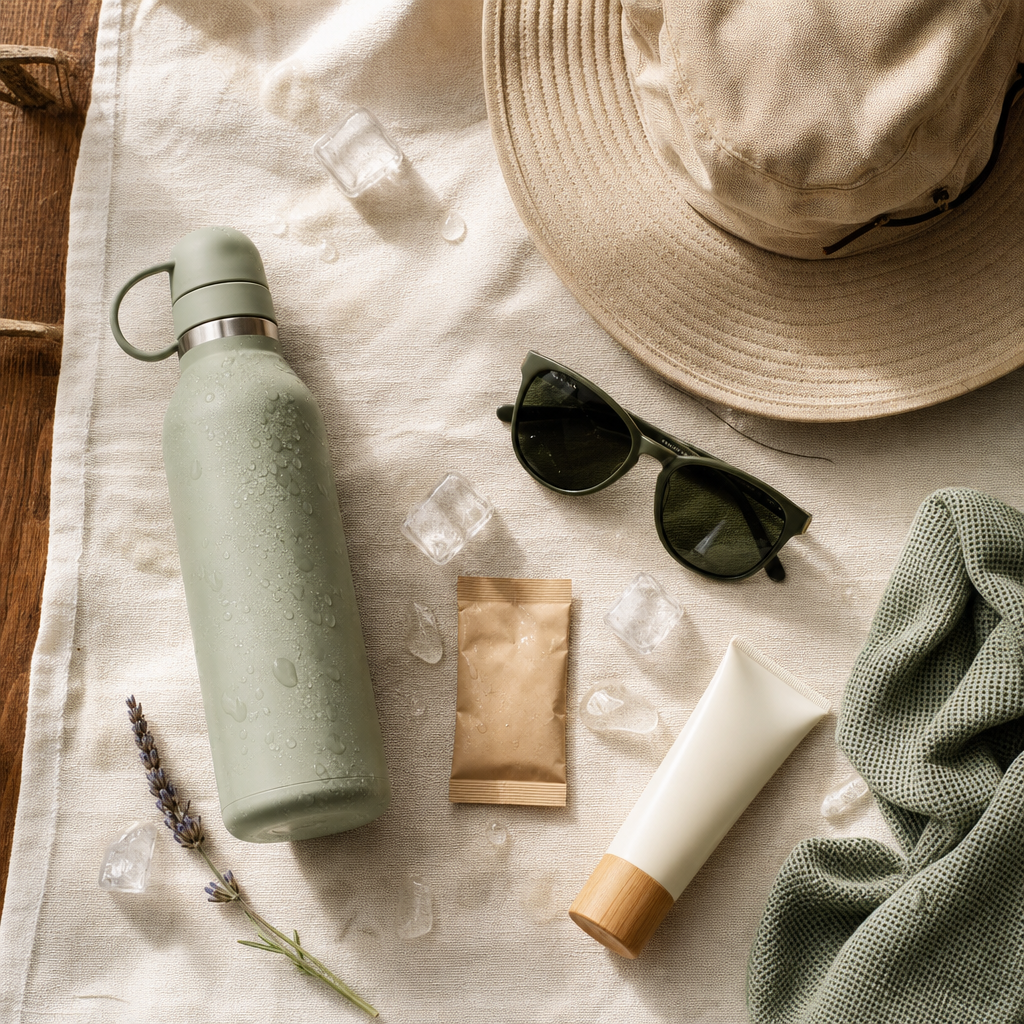
Picture this: it’s a blistering July afternoon and you’ve got plans to spend the day outside. You grab your water bottle, slather on sunscreen, and head out. But is drinking water really enough to keep you safe? Heatstroke prevention is about more than just staying hydrated — and understanding the full picture could literally save your life.
Extreme heat kills more than 700 people in the U.S. every year, according to the CDC. And as global temperatures keep climbing, heatstroke is becoming more common worldwide. The good news? Heatstroke is also one of the most preventable health emergencies — if you know what you’re doing.
Here’s what the latest evidence says about keeping yourself and your family safe when the mercury rises.
Key Takeaways
- Hydration is your first line of defense, but it’s not enough on its own — pacing and shade matter just as much
- Heatstroke requires emergency care within 30 minutes; cold water immersion is the fastest way to cool someone down
- Heat exhaustion can progress to heatstroke in under an hour — recognizing the warning signs early is critical
- Certain medications (diuretics, beta-blockers, antidepressants) significantly increase your risk
- Plain water works for short outings; add electrolytes when you’re sweating heavily for more than an hour
Quick Answer: Can Hydrating Prevent Heatstroke?
Yes — staying well-hydrated is one of the most effective ways to prevent heatstroke. But here’s the catch: once heatstroke actually develops, water alone cannot reverse it. Heatstroke is a medical emergency that requires immediate cooling and professional care. Hydration is a prevention tool, not a cure. And it works best when combined with pacing, shade, appropriate clothing, and knowing your personal risk factors.
Heatstroke Prevention Starts with Understanding the Threat
Here’s what’s actually happening in your body on a dangerously hot day. When your core temperature climbs to 104°F (40°C) or higher, your body’s cooling system starts to fail. The American Family Physician explains that heatstroke happens when your body can’t properly get rid of heat — and without treatment, it can damage your brain, heart, kidneys, and muscles within minutes.
Now, you might be thinking: “I’d know if I was getting that hot, right?” Not necessarily. One of the scariest things about heatstroke is that it can cloud your thinking before you realize something’s wrong. Confusion, slurred speech, and agitation are all early signs — and they make it harder to recognize the danger you’re in.
The CDC warns that body temperature can spike to 106°F in as little as 10 to 15 minutes. That’s not a slow creep — it’s a fast emergency. And that’s why heatstroke prevention has to happen before you head outside, not after you start feeling bad.
Heat Exhaustion vs. Heatstroke: Know the Difference Before It’s Too Late
Here’s something most people get wrong: heatstroke doesn’t come out of nowhere. It usually starts as heat exhaustion, which your body can recover from — if you catch it in time. The problem is that the symptoms can be easy to dismiss.
Heat exhaustion warning signs:
- Heavy sweating and cool, clammy skin
- Body temperature over 100°F but below 104°F
- Dizziness, headache, or feeling faint
- Nausea and vomiting
- Dark urine and less frequent trips to the bathroom
- Irritability and trouble concentrating
Heatstroke red flags:
- Core body temperature of 104°F or higher — this is the hallmark sign
- Confusion, agitation, slurred speech, or loss of consciousness
- Hot, flushed, dry skin (in classic heatstroke) OR continued profuse sweating (in exertional heatstroke)
- Rapid heart rate and rapid breathing
- Seizures
A Common Myth: “You Can’t Have Heatstroke If You’re Still Sweating”
Not true. This is one of the most dangerous misconceptions out there. In exertional heatstroke — the kind that happens from intense activity in the heat — you can absolutely still be sweating profusely. Don’t wait for dry skin to take action. If someone is confused, disoriented, or has a very high body temperature, call 911 even if they’re drenched in sweat.
Beyond Hydration: What Heatstroke Prevention Really Requires
Let’s be honest: most articles stop at “drink plenty of water.” But the research tells a more complete story. A 2025 review in Wilderness & Environmental Medicine makes a critical point: appropriate rehydration alone does not mitigate other risk factors like metabolic heat production, high ambient temperature, or inadequate physical fitness.
Translation? Drinking water is essential, but it’s not a force field. You also need to pace yourself. The same study calls “simply slowing down” the universal precaution against heat stress — because moving slower generates less internal heat. This is especially important on days when the temperature is over 90°F or humidity is high.
Here’s the full heatstroke prevention checklist that goes beyond hydration:
- Pace yourself. Reduce intensity when it’s hot. Your body works harder to cool itself, even at rest. Take frequent breaks in the shade.
- Wear the right clothes. Lightweight, light-colored, loose-fitting fabrics (linen, cotton, hemp) let your body breathe and sweat evaporate.
- Use sunscreen. Sunburn damages your skin’s ability to cool itself. The Mayo Clinic recommends SPF 15+; SPF 30+ offers even more protection.
- Get heat-acclimated. It takes time for your body to adapt to the heat — gradually increase your exposure over several days to a couple of weeks.
- Time your activities. Plan outdoor time for early morning or evening when temperatures are lower. The CDC notes that air conditioning is the single strongest protective factor.
- Stay socially connected. Check on friends and neighbors — especially older adults, people with chronic conditions, and those without AC. Social connection saves lives during heat waves.
Your Heatstroke Prevention Hydration Protocol
Here’s the practical piece you came for. How much water do you actually need? The answer depends on what you’re doing and for how long. Let’s break it down.
Hydration by Activity Level
| Your Situation | How Much to Drink | Extra Notes |
|---|---|---|
| Everyday heat exposure (commuting, errands, gardening) | 1 cup (8 oz) of water every 20-30 minutes | Sip consistently — don’t wait until you’re thirsty. Thirst is a late sign of dehydration. |
| Light outdoor activity (walking, shopping, light yard work) | 7-10 oz every 20 minutes during activity | Water is sufficient for up to 1 hour. After that, switch to an electrolyte drink. |
| Moderate to intense exercise in heat (running, hiking, sports, manual labor) | Pre-hydrate: 17-24 oz 2-3 hours before During: 8 oz every 20 minutes After: 8 oz within 30 minutes | Use an electrolyte drink that contains both sodium and potassium — check the label for one designed for rehydration. Avoid salt tablets unless a doctor prescribes them. |
How to check your hydration status without an app. The easiest way is to look at your urine. Pale yellow or clear? You’re well-hydrated. Dark yellow or amber? Drink more. If you’re not urinating every few hours despite drinking water, that’s also a warning sign.
When water isn’t enough. For most everyday situations, plain water works great. But if you’re sweating heavily for more than an hour — think a long hike, a beach volleyball game, or working in the yard on a 95°F day — you need electrolytes too. The CDC recommends sports drinks or electrolyte beverages over salt tablets, which can be dangerous. Coconut water, watermelon, and cucumbers are also excellent natural sources of hydration and electrolytes — and our hydrating summer salads collection has even more ideas for staying cool.
Who Needs Extra Heatstroke Prevention Precautions?
Heatstroke doesn’t affect everyone equally. Certain factors raise your risk significantly — and knowing them is a key part of heatstroke prevention for you and your loved ones.
Medications That Increase Heat Risk
According to the Mayo Clinic, the following medication classes can make it harder for your body to regulate temperature: diuretics (water pills), beta-blockers, antidepressants, antipsychotics, ADHD stimulants, and some heart and blood pressure medications. Antihistamines (allergy meds) and other common drugs may also increase risk — check with your pharmacist. Do NOT stop taking prescribed medications. Given that heart disease is a growing concern for women, being aware of how heart medications affect heat tolerance is especially important.
Other high-risk groups include:
- Adults over 65 — body’s ability to regulate temperature declines with age
- Children under 4 — their bodies heat up faster and they produce less sweat
- People with heart, lung, or kidney disease; obesity; diabetes; or sickle cell trait
- Anyone who has had heatstroke before — you’re more vulnerable to repeat episodes
- People without air conditioning, especially during prolonged heat waves
- Anyone consuming alcohol before or during heat exposure — alcohol impairs your body’s temperature regulation
What to Do If You Suspect Heatstroke: A 5-Step Emergency Plan
If you or someone near you shows signs of heatstroke — confusion, body temperature over 104°F, loss of consciousness — call 911 immediately. This is not a “wait and see” situation. While you wait for help to arrive, here’s what to do:
- Move to a cool place. Get the person into air conditioning or deep shade.
- Remove extra clothing. Loosen or take off tight clothes, shoes, and socks.
- Cool aggressively. The gold standard is cold water immersion — if a tub or kiddie pool is available, fill it with cold water and get the person in (covering the torso and limbs). No tub? Pour cold water over them, apply ice packs to armpits, groin, neck, and back, and fan air over wet skin. The goal is aggressive cooling, ideally reducing core temperature to below 102.2°F within 30 minutes.
- Hydrate if conscious and alert. If the person can swallow safely, offer cool water or an electrolyte drink in small sips. Do not give fluids to someone who is confused, vomiting, or unconscious.
- Stay with them. Monitor breathing and consciousness. If they stop breathing, start CPR if you’re trained.
The 30-Minute Rule That Could Save a Life
Research from the American Family Physician is clear: cooling must begin within 30 minutes to prevent serious complications or death. This is not a guideline — it’s a survival window. Time lost is brain cells, heart muscle, and kidney function at risk. If you think it’s heatstroke, don’t wait. Call 911 and start cooling immediately.
Frequently Asked Questions About Heatstroke Prevention
Is it safe to exercise outdoors when it’s over 90°F?
It depends on your fitness level, the humidity, and how well you’re acclimated. As a general rule: if the heat index is above 90°F and you’re not used to training in heat, move your workout indoors or to early morning/late evening. When you do exercise outside, reduce your intensity by 20-30%, hydrate every 15-20 minutes, and listen to your body. If you feel dizzy or nauseous, stop immediately.
Can coffee or iced tea count toward my hydration?
Yes, in moderation. While the dehydrating effect of caffeine is milder than once believed, most experts still recommend sticking with water or electrolyte drinks during extreme heat. It’s best to avoid caffeinated drinks when you’re at risk for heat illness, and skip alcohol entirely.
What if I have a medical condition that requires fluid restriction?
This is an important concern. If you have heart failure, kidney disease, or another condition where your doctor has limited your fluid intake, do not increase your hydration without medical guidance. Instead, focus on the other prevention strategies: stay in air conditioning, avoid peak heat hours, wear cooling clothing, use fans, and take cool showers. Talk to your doctor before any heat wave about how to manage your specific situation.
The Bottom Line
Here’s the honest truth: heatstroke prevention isn’t complicated, but it does require paying attention. Drink water consistently, pace yourself in the heat, know the warning signs of heat exhaustion versus heatstroke, and never hesitate to call 911 if something feels off.
The difference between a great summer day and a trip to the emergency room often comes down to a few simple habits. Stay cool out there — your body will thank you.