
Your Oral Microbiome: How It Affects Your Whole-Body Health
Key Takeaways
- Your mouth has its own microbiome — a community of over 700 bacterial species that influences far more than just your teeth and gums.
- An imbalanced oral microbiome is linked to heart disease, diabetes, Alzheimer’s, and even pregnancy complications through inflammation and bacterial spread.
- What you eat matters — nitrate-rich veggies like leafy greens and beets feed beneficial bacteria that help regulate blood pressure.
- Not all mouthwash is helpful — alcohol-based formulas may disrupt your oral microbiome’s delicate balance with daily long-term use.
- Simple daily habits — brushing, flossing, gentle tongue scraping, and staying hydrated — can keep your oral microbiome thriving.
You’ve probably heard all about your gut microbiome by now. Probiotics, fermented foods, the whole “leaky gut” conversation — it’s everywhere. But here’s the thing. There’s another microbiome in your body that’s just as important, and most of us are completely ignoring it. It’s your oral microbiome — the bustling community of bacteria, fungi, and other microbes living in your mouth. And it might be quietly affecting your whole-body health in ways you never expected.
Think about it. Your mouth is the gateway to your body. Every bite of food, every sip of water, every breath you take passes through it first. The microbes living there don’t just stay put — they can travel. And when the balance tips, the consequences can ripple far beyond your gums. Let’s explore what the science actually says about the oral microbiome and how you can support it with simple, everyday habits.
Quick Answer: What Is the Oral Microbiome?
Your oral microbiome is the collection of over 700 species of microorganisms that live in your mouth — on your teeth, gums, tongue, cheeks, and throat. When balanced, it acts as a gatekeeper, protecting against harmful pathogens and kick-starting digestion. When imbalanced, it can trigger inflammation that affects your heart, brain, blood sugar, and more.
Why Your Oral Microbiome Matters for Whole-Body Health
Here’s what’s actually happening. Your oral microbiome is the second most diverse microbial community in your body, right after your gut — a topic we’ve explored in our step-by-step guide to healthy bowel habits. And it’s not just about preventing cavities. According to the National Institute of Dental and Craniofacial Research, decades of research have revealed a powerful connection between oral health and systemic health. When harmful bacteria outnumber the beneficial ones — a state called dysbiosis — inflammation can spread from your mouth to the rest of your body.
A 2026 systematic review in the Journal of Oral Microbiology analyzed 104 studies and found that oral dysbiosis influences systemic health through several pathways: bacteria directly entering the bloodstream, chronic inflammation spreading throughout the body, and even molecular mimicry that can trigger autoimmune responses. The takeaway? Your mouth isn’t isolated from the rest of you. It’s deeply connected.
The Mouth-Heart Connection You Can’t Ignore
Let’s start with the heart, because this is where the evidence is strongest. When your gums are inflamed from an imbalanced oral microbiome, bacteria and inflammatory molecules can enter your bloodstream. Once there, they contribute to arterial plaque buildup, vascular inflammation, and endothelial dysfunction — all of which increase your risk of heart disease and stroke. For heart-healthy eating ideas, explore our guide to heart-healthy snacks designed to support cardiovascular wellness.
The NIDCR reports that cavities are associated with a 40% increased risk of stroke, based on a 21-year study of over 6,300 patients. And the connection isn’t just about severe gum disease — even mild, chronic inflammation in the mouth can have systemic effects over time.
The Nitrate-Heart Connection You Haven’t Heard Of
Here’s a fascinating piece of the puzzle that most articles miss. Certain bacteria living at the back of your tongue play a crucial role in converting dietary nitrates — found in leafy greens, beets, and celery — into nitric oxide. Nitric oxide is a molecule that relaxes your blood vessels and helps regulate blood pressure. According to UCLA Health, when these beneficial bacteria are disrupted — say, by overusing antibacterial mouthwash — your body’s ability to produce nitric oxide is impaired, and blood pressure can rise. A 2026 review in the Journal of Clinical Medicine confirms this pathway, noting that disruption of the oral microbiome-nitrate-NO axis is associated with reduced vascular function.
How the Oral Microbiome Affects Blood Sugar and Brain Health
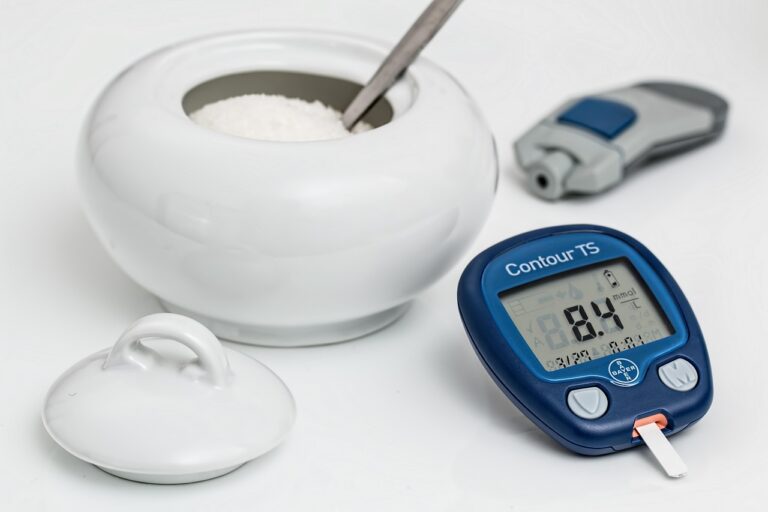
The connections don’t stop at your heart. Your oral microbiome also plays a role in how your body handles blood sugar. The relationship between gum disease and diabetes is bidirectional — meaning each one makes the other worse. Oral inflammation can make blood sugar control more difficult, while elevated blood sugar increases your risk of gum infection and slows healing. The good news? Research suggests that treating gum disease may modestly improve blood sugar levels.
And then there’s the brain. This is where the science gets really interesting — and where we need to be honest about what we know and what we’re still learning. Emerging research has found that the bacteria Porphyromonas gingivalis, a key player in gum disease, has been detected in the brains of people with Alzheimer’s disease. A 2025 study published in PNAS Nexus found that specific oral bacteria were linked to cognitive function — with Neisseria associated with better executive function and Porphyromonas predicting mild cognitive impairment. However, as the NIDCR notes, definitive causal evidence from human trials is still developing. The link is compelling, but we’re not at the point where we can say gum disease causes Alzheimer’s.
What to Eat for a Healthy Oral Microbiome
Now, let’s get practical. Because here’s the thing — most articles tell you to brush and floss, but they don’t tell you what to eat. And your diet has a profound effect on your oral microbiome. A 2025 systematic review in Food & Nutrition Research analyzed 22 clinical studies and found that healthy dietary patterns — particularly Mediterranean and vegetarian diets — positively modulate oral microbiota by reducing pathogenic species and promoting beneficial ones.
Here’s what that means for your plate:
- Load up on nitrate-rich vegetables. Leafy greens like spinach, kale, arugula, and beets feed the bacteria that produce nitric oxide. Aim for at least one serving daily.
- Include probiotic foods. Yogurt, kefir, kimchi, sauerkraut, and other fermented foods contain beneficial bacteria that may support oral microbiome balance. The review found that Lactobacillus and Bifidobacterium strains showed therapeutic benefits for gingivitis and halitosis.
- Cut back on added sugar. Sugar feeds acid-producing bacteria that contribute to tooth decay and disrupt microbial balance. This is the single most impactful dietary change you can make.
- Eat more fiber. High-fiber foods like vegetables, fruits, and whole grains stimulate saliva production, which naturally helps regulate your oral microbiome.
- Stay hydrated. Saliva is your mouth’s natural defense system. It washes away food particles, neutralizes acids, and delivers antimicrobial compounds. Drink water throughout the day.
6 Simple Habits to Support Your Oral Microbiome
Beyond diet, your daily oral care routine matters — but not in the way you might think. The goal isn’t to kill all bacteria. It’s to support the good ones while keeping the harmful ones in check.
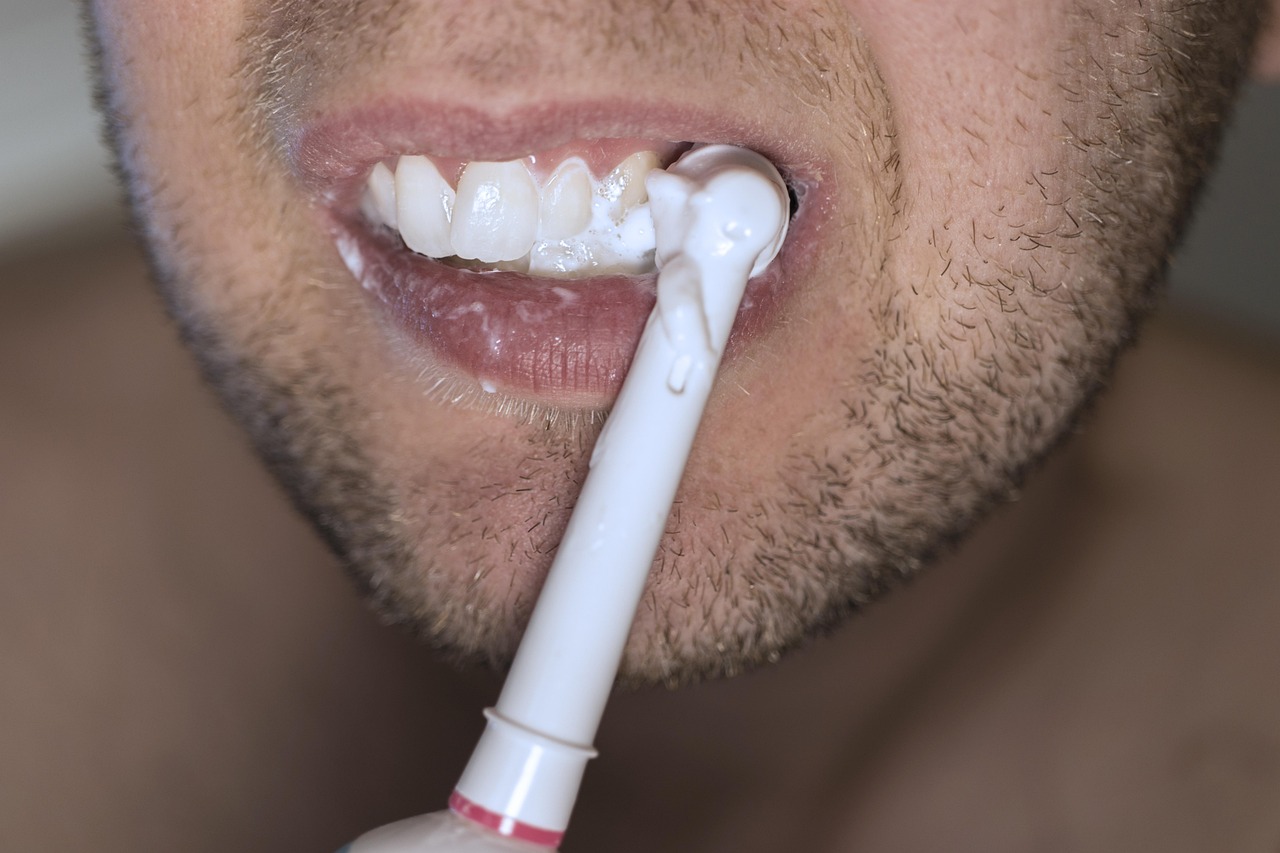
- Brush twice daily with fluoride toothpaste. This is non-negotiable. Fluoride helps remineralize enamel and supports a healthy microbial balance.
- Floss every day. Plaque between teeth is a major source of harmful bacteria. If you struggle to remember, keep your floss visible on the counter and floss right before brushing at night.
- Brush your tongue — gently. Your tongue harbors a significant portion of your oral microbiome, including those beneficial nitrate-reducing bacteria. A gentle brush or tongue scraper removes dead cells and debris without disrupting the ecosystem.
- Be smart about mouthwash. This is where most people go wrong. Alcohol-based mouthwash kills both harmful and beneficial bacteria. A 2024 study found that daily use of alcohol-based Listerine for three months increased potentially harmful bacteria like Fusobacterium nucleatum and decreased beneficial Actinobacteria. Use antimicrobial mouthwash only when recommended by your dentist, and consider alcohol-free alternatives for daily use.
- Stay hydrated. Dry mouth is a risk factor for oral microbiome imbalance. If your mouth feels dry, sip water, chew sugar-free gum, or try a saliva substitute.
- Visit your dentist regularly. Professional cleanings remove plaque buildup that brushing and flossing miss. Your dentist can also catch early signs of gum disease before they become serious.
A Note on Tongue Scraping
You may have heard conflicting advice about tongue scraping. Some experts warn against it, concerned it disrupts beneficial bacteria. Others recommend it for fresher breath. Here’s the nuance: gentle, daily tongue scraping with a tool designed for it is different from an antimicrobial mouthwash assault. According to UCLA Health, light scraping skims the surface layer of dead cells without broadly disrupting the underlying ecosystem. So go ahead — just be gentle.
Signs Your Oral Microbiome Might Be Out of Balance
How do you know if your oral microbiome needs attention? Look for these common signs:
- Persistent bad breath that doesn’t go away with brushing
- Bleeding or swollen gums when you brush or floss
- Increased plaque buildup on your teeth
- Frequent cavities or tooth sensitivity
- Gum recession or loose teeth
- Changes in saliva consistency or dry mouth
If any of these sound familiar, it’s worth discussing with your dentist. Early intervention can prevent more serious issues down the road.
Frequently Asked Questions About the Oral Microbiome
Can I test my oral microbiome at home?
Yes, at-home oral microbiome tests are available. They typically involve swabbing your cheek or gums and sending the sample to a lab for DNA analysis. While these can provide interesting insights, they’re not yet standard clinical tools. Talk to your dentist if you’re curious about testing.
Is oil pulling good for the oral microbiome?
Some research suggests oil pulling (swishing coconut or sesame oil in your mouth) may reduce harmful bacteria and plaque. However, it should not replace brushing and flossing. Think of it as a complementary practice, not a substitute.
Can probiotics help my oral microbiome?
Emerging evidence suggests that probiotic strains like Lactobacillus and Bifidobacterium may benefit oral health conditions like gingivitis and bad breath. Food sources (yogurt, kefir, fermented vegetables) are a good starting point. If you’re considering a probiotic supplement specifically for oral health, discuss it with your dentist or healthcare provider.
Does stress affect the oral microbiome?
Yes. Chronic stress can alter saliva composition, reduce immune function, and promote inflammation — all of which can disrupt the balance of your oral microbiome. Managing stress through sleep, exercise, and relaxation techniques supports your oral health too.
The Bottom Line
Your oral microbiome is far more than just the bacteria in your mouth. It’s a dynamic, influential community that connects your oral health to your heart, brain, blood sugar, and overall wellbeing. And the best part? You have more control over it than you think.
Simple, consistent habits — brushing, flossing, eating a plant-rich diet, staying hydrated, and being thoughtful about mouthwash — can keep your oral microbiome in balance. And when your mouth is healthy, your whole body benefits.
So tonight, when you brush your teeth, take an extra moment. Think about the tiny ecosystem you’re supporting. It’s doing more for you than you ever realized.