

Exercise After Heart Attack: A Safe Return Plan for Women
Key Takeaways
- Exercise after heart attack is safe when cleared by your doctor and can lower your risk of another event.
- Start with short walks and build up slowly.
- Many women miss out on cardiac rehab, but you can still get safe guidance at home.
- Use the talk test to check your effort, especially if you take medications that slow your heart rate.
- Stop right away if you feel chest pain, jaw pain, or unusual fatigue.
You’ve had a heart attack. Now the idea of exercise after heart attack might feel scary. That’s totally normal. But the latest science says moving more is one of the best ways to heal. Given that 6 in 10 women will have heart disease by 2050, knowing how to move safely after an event is more important than ever. The American Heart Association (AHA) reports that regular physical activity after a heart attack can greatly lower the risk of dying from heart disease. The key is to start gently, with medical guidance, and listen to your body. Here’s what you need to know about exercise after heart attack—including how much, how hard, and what to watch for as a woman.
Quick Answer: Is It Safe to Exercise After a Heart Attack?
Yes—with your doctor’s approval. For most people, a slow, guided exercise program is safe and strongly advised. It helps your heart pump better and lowers blood pressure — we’ve covered how evening habits affect your numbers — while reducing the chance of another attack.
Why Exercise After Heart Attack Matters So Much
After a heart attack, it’s natural to want to rest. But staying active is vital. The AHA strongly suggests that all survivors get a stress test and then begin a structured plan. Regular activity strengthens your heart, lowers cholesterol, and eases inflammation. Exercise after heart attack also helps your mood. Many survivors feel down or anxious—exercise can lift your spirits, help you sleep, and bring back your confidence.
Get Medical Clearance Before You Start Exercise After Heart Attack
Before you start any exercise after heart attack, your cardiologist must give the green light. That often means a stress test to see how your heart handles work. The results set a safe heart rate zone and check for rhythm issues. The CDC says to talk with your doctor before starting. This step matters whether you had a stent, bypass, or only medication.
Questions to Ask Your Doctor
- What target heart rate should I aim for?
- Should I use the talk test or a monitor?
- What moves should I avoid after my procedure?
- How do my meds (like beta-blockers) affect exercise?
- When can I start light resistance training or yoga?
When to Start: A General Timeline
Most people can begin light activity about four weeks after a heart attack. The Mayo Clinic says starting slowly after about a month is safe if there were no issues. Recovery time varies based on the type of procedure. If you had bypass surgery, your recovery may take longer than someone who had a stent. Follow your surgeon’s specific guidance.
Women face unique challenges. Tiredness and pain in the jaw, neck, or back are more common after a heart attack in women. Those signs can come back during exercise. If they do, stop and rest. Menopause can also change how your heart reacts, so you may need to take it slow.
Safe Types of Exercise
The AHA recommends both aerobic and strength training. Here’s what works for women:
- Aerobic — walking, stationary bike, swimming. Start with 5–10 minutes. Work up to 30 minutes five days a week.
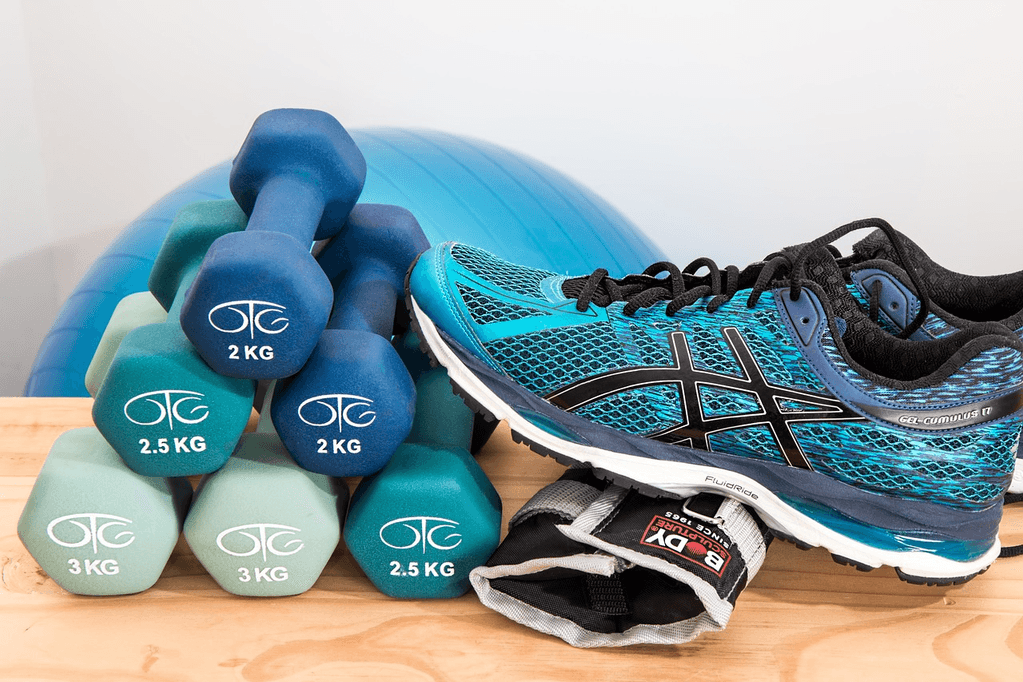
- Strength — after you’ve built a base with walking and your doctor says yes, use light weights or bands. Choose a weight you can lift 10–15 times without strain. Never hold your breath.
- Flexibility — gentle stretching, yoga, or tai chi. These help your range of motion and balance.
Can you do HIIT? High-intensity interval training is not advised for most survivors until after rehab and a steady routine. Check with your doctor first.
How Hard to Work: Use Perceived Effort
Many women take beta-blockers after a heart attack. These drugs lower your resting and exercise heart rate. So heart rate formulas may not work well. Instead, use rating of perceived exertion (RPE) or the talk test. On a scale of 0–10, aim for 3–5. You should feel like you’re working but can still say a full sentence. If you can’t talk, slow down.
Warning Signs to Stop Exercising
If you feel any of these, stop and rest. If they don’t go away, call 911.
- Chest pain, pressure, or discomfort
- Pain in your jaw, neck, back, or arm
- Shortness of breath that doesn’t get better
- Dizziness or lightheadedness
- Nausea or vomiting
- Unusual tiredness
- Rapid or uneven heartbeat
Cardiac Rehab: Especially Important for Women
Cardiac rehab is a supervised program with exercise, education, and support. The AHA says it’s a top recommendation because it’s proven to lower the odds of another heart event. Yet women are significantly less likely to enroll in and complete cardiac rehab than men—studies show participation rates among eligible women remain low. A 2025 AHA Scientific Statement highlights that women are underrepresented in cardiac rehab programs. If you can’t go to in-person rehab, ask about virtual options or a home plan from your doctor.
Sample 12-Week Exercise Progression
This is a general guide. Your doctor may need to adjust it for you.
| Week | Activity | Frequency | Effort (0-10) |
|---|---|---|---|
| 1–2 | Brisk walk | 3–5 min, 3–4 days/wk | 2–3 |
| 3–4 | Walk or stationary bike | 10 min, 4 days/wk | 3–4 |
| 5–6 | Add bands or light weights | 15 min aerobic + 2 sets strength | 4–5 |
| 7–8 | Walk 20–30 min | 5 days/wk | 5 |
| 9–12 | Combine aerobic + strength (3 sets) | 30–40 min, 5 days/wk | 5–6 |
Common Questions About Exercise After Heart Attack
Can I exercise if I never did before?
Yes. Starting after a heart attack is a great way to improve your health. Begin with short walks and build up slowly with medical guidance.
Is strength training safe after a heart attack?
Yes, once you’ve been walking steadily and your doctor says it’s okay. Use light weights and breathe out on the hard part. Never hold your breath.
What if I have diabetes or arthritis?
You can still exercise. Choose low-impact activities like swimming or cycling. Check your blood sugar before and after. Ask your doctor for modifications.
The Bottom Line
Exercise after heart attack can save your life and make it better. As a woman, you may need to speak up—ask for a stress test, request cardiac rehab, and get a plan that fits you. Start slow, notice how you feel, and celebrate each step.
If you haven’t yet, talk with your doctor this week about a safe exercise after heart attack plan. You’ve survived the hardest part. Now it’s time to move ahead—stronger than ever.