

Cyclosporiasis Outbreak: Symptoms, Safety & Prevention
Key Takeaways
- What it is: Cyclosporiasis is a gut infection caused by a tiny parasite (Cyclospora cayetanensis) often found on imported fresh produce.
- Current situation: The CDC is looking into a multistate outbreak that now covers 31 U.S. states. The source is not yet known.
- Symptoms: Watery diarrhea, nausea, stomach cramps, and tiredness. Many people mistake it for the stomach flu.
- Prevention: Wash all fresh produce well. But washing may not remove all parasites. Cooking kills the parasite completely.
- What to do: If symptoms last more than a few days, see a doctor. The infection can be treated with antibiotics.
You feel fine one day. Then you are hit with watery diarrhea, cramping, and nausea. Your first thought might be a stomach bug. But right now, there is another possibility. According to the CDC via NPR, the agency is looking into a cyclosporiasis outbreak that has reached 31 states. The source is still unknown. That can feel scary. Here is what you need to know about this cyclosporiasis outbreak and how to keep your gut safe while experts search for the cause.
Quick Answer: What Is the Cyclosporiasis Outbreak?
The cyclosporiasis outbreak is a rise in cases of a gut infection caused by a parasite found in tainted fresh produce. As of July 2026, the CDC reports cases in 31 states. The exact food source is still under review. You can lower your risk by washing produce well, cooking foods, and staying informed about updates.
What Is the Cyclosporiasis Outbreak and How Does It Spread?
Cyclosporiasis is caused by a tiny parasite called Cyclospora cayetanensis. You get it by eating food or drinking water that has the parasite in it. Here is how it works: the parasite starts in feces. If produce is grown or washed with dirty water, the parasite can cling to fruits and vegetables. The current cyclosporiasis outbreak follows a pattern seen in past years. Cases go up in spring and summer. They are often linked to imported items like berries, cilantro, basil, lettuce, and snow peas. This year, the outbreak is bigger than usual, with cases in 31 states. For context on how this compares to previous years, read our guide on the Cyclosporiasis Outbreak: What to Know.
Symptoms to Watch For
The most common sign is watery diarrhea. It can be severe and happen often. You might also have nausea, stomach cramps, bloating, tiredness, or a slight fever. Here is the tricky part: symptoms usually start about 7 days after you eat the parasite, though it can range from a few days to nearly two weeks. So you may not connect the dots between what you ate and how you feel. Without treatment, symptoms can last from a few days to over a month. They may come and go. This is why cyclosporiasis is often mistaken for stomach flu or IBS.
Why Cyclosporiasis Often Gets Misdiagnosed
Because the symptoms are similar to many other stomach bugs, doctors do not always test for Cyclospora right away. Most people think they have a 24-hour bug and wait it out. But if your diarrhea lasts more than a few days, ask your doctor specifically about cyclosporiasis. This is especially true if you know there is an active outbreak. A specific stool test can confirm it — but you need to ask your doctor to test for Cyclospora specifically, since it’s not part of routine stool exams. Early diagnosis means you can get treatment with a specific antibiotic and feel better sooner.
It is worth noting that some people have no symptoms at all. That can let the outbreak keep spreading without being noticed.
How to Protect Yourself During the Cyclosporiasis Outbreak
The CDC has not found the exact source yet. But you can take steps to lower your risk. Here is the reality: routine chemical disinfectants and sanitizers are unlikely to kill Cyclospora. Cooking is the most reliable way to ensure safety. Thorough washing under running water can reduce surface contamination but may not eliminate all parasites. For now, try these simple habits — inspired by our Cyclosporiasis Prevention: Simple Kitchen Habits That Work guide:
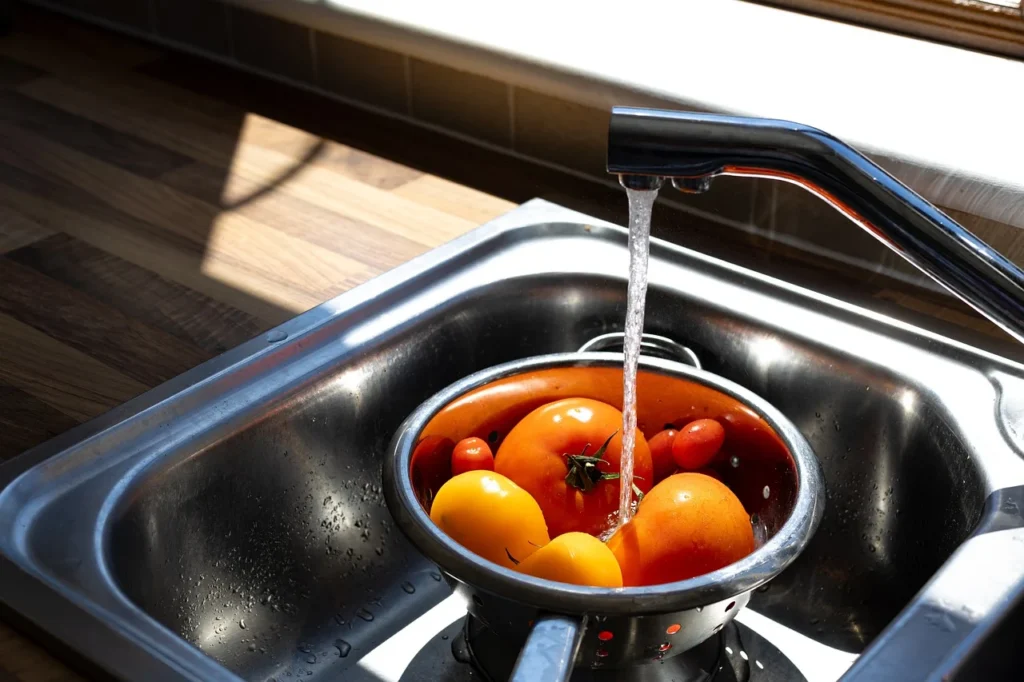
- Wash all produce under running water before you eat it. Use a brush for firm fruits and veggies.
- Cook vegetables that you normally eat raw. For example, use lettuce in cooked dishes or blanch greens.
- Avoid raw imported produce during outbreak alerts. Check CDC updates for any recall news.
- Wash your hands with soap and water after handling raw produce and before eating.
It is also smart to keep an eye on cyclosporiasis outbreak updates from the CDC. If a specific food is later named, you will know to toss it.
What to Do If You Develop Symptoms
If you get watery diarrhea that lasts more than 3-4 days, or you have severe cramps, nausea, or a fever, call your doctor. Tell them there is an active cyclosporiasis outbreak. A specific stool test can find the parasite — just be sure to ask for Cyclospora testing specifically. The good news is that treatment with a specific antibiotic works well. Most people feel better within a week. In the meantime, stay hydrated. Water with electrolytes is best.
If you have a weak immune system, you are at higher risk for severe illness. Seek medical care early.
The CDC Investigation: What We Know So Far
The CDC is working with state and local health departments to find the specific food behind this cyclosporiasis outbreak. As of July 2026, no product has been recalled. Investigators are interviewing patients, tracing back foods, and checking supply chains. Past outbreaks have been linked to imported produce from Central and South America. You can follow the CDC’s Cyclosporiasis page for updates.
While we wait for answers, staying informed and practicing good food hygiene are your best defenses.
Frequently Asked Questions
Q: Can cyclosporiasis spread from person to person?
No. Cyclospora is not directly contagious. You get it from tainted food or water, not from a sick person.
Q: How long does recovery take without treatment?
Symptoms can last for weeks to a month and may come and go. Antibiotic treatment can clear the infection in about a week.
Q: Should I avoid all fresh produce right now?
Not really. Cooked produce is safe. Domestic produce is less likely to be tainted. If you are worried, choose cooked veggies and wash fruits well until the source is found.
Q: What should I do if I think I have cyclosporiasis?
See your doctor and mention the outbreak. Ask for a stool test — specifically for Cyclospora. Drink plenty of fluids.
Practical Application: Simple Daily Habits
You do not need to change your whole diet. Just be a bit more careful in the kitchen. Wash all produce well, even if the bag says pre-washed. Think about cooking veggies you usually eat raw. Stay tuned to outbreak news. And if someone in your home gets sick, be quick to seek medical help. These small steps fit easily into a healthy lifestyle without adding stress.
The Bottom Line
The cyclosporiasis outbreak is a reminder that our food comes from around the world. Sometimes problems happen. But you are not helpless. By knowing what cyclosporiasis is, recognizing symptoms, and using simple food safety steps, you can protect your gut. And remember: if something feels off, trust your body and talk to your doctor. You have got this.