

Anti-Inflammatory Diet: Flexible No-Sugar High-Fiber Plan
Key Takeaways
- The Mediterranean diet has the best proof it cuts inflammation. A big review of 30 studies backs it up.
- You don’t need a strict meal plan. Use a flexible, principles-based way of eating that fits your life.
- Get anti-inflammatory nutrients from food, not pills. Whole foods work better than supplements.
- Small swaps like olive oil for butter add up over time. You won’t feel deprived.
- Good sleep, exercise, and stress relief boost the diet’s power to fight inflammation.
Is your daily diet helping or hurting your health? If you want to lower inflammation without a rigid plan, an anti-inflammatory diet is a great start. It’s not about giving up your favorite foods. It’s about eating more whole, real foods and less processed stuff. In this guide, I’ll share the key ideas behind an anti-inflammatory diet, give you a simple weekly plan to follow, and show you how to make it work for you.
Quick Answer: What Is an Anti-Inflammatory Diet?
An anti-inflammatory diet is a way of eating that focuses on fruits, veggies, whole grains, healthy fats like olive oil, and fish. It limits processed foods, added sugar, and red meat. The Mediterranean diet, DASH diet, and vegetarian diet are all good examples. The goal is to lower chronic inflammation, which is linked to heart disease, diabetes, and arthritis.
Why an Anti-Inflammatory Diet Works
Strong science supports the anti-inflammatory diet. A 2026 umbrella review of 30 systematic reviews on anti-inflammatory dietary patterns in Nutrition Reviews looked at 30 reviews with 225 studies. It found the Mediterranean diet lowers CRP and IL-6, two key signs of inflammation. The review also found that vegetarian diets help, though the proof is weaker.
Think of chronic inflammation as a low fire inside you. Some foods, like white bread and soda, make it worse. Other foods, like berries and salmon, help put it out. It’s the whole pattern that matters, not one magic food. As a Mayo Clinic dietitian explains, no single food makes a diet anti-inflammatory — it’s the overall eating pattern that matters.
Key Foods for Your Anti-Inflammatory Diet
Here’s what to fill your cart with — see our complete anti-inflammatory grocery list for ideas — the anti-inflammatory diet includes these foods (backed by Johns Hopkins, the Arthritis Foundation, and Harvard):
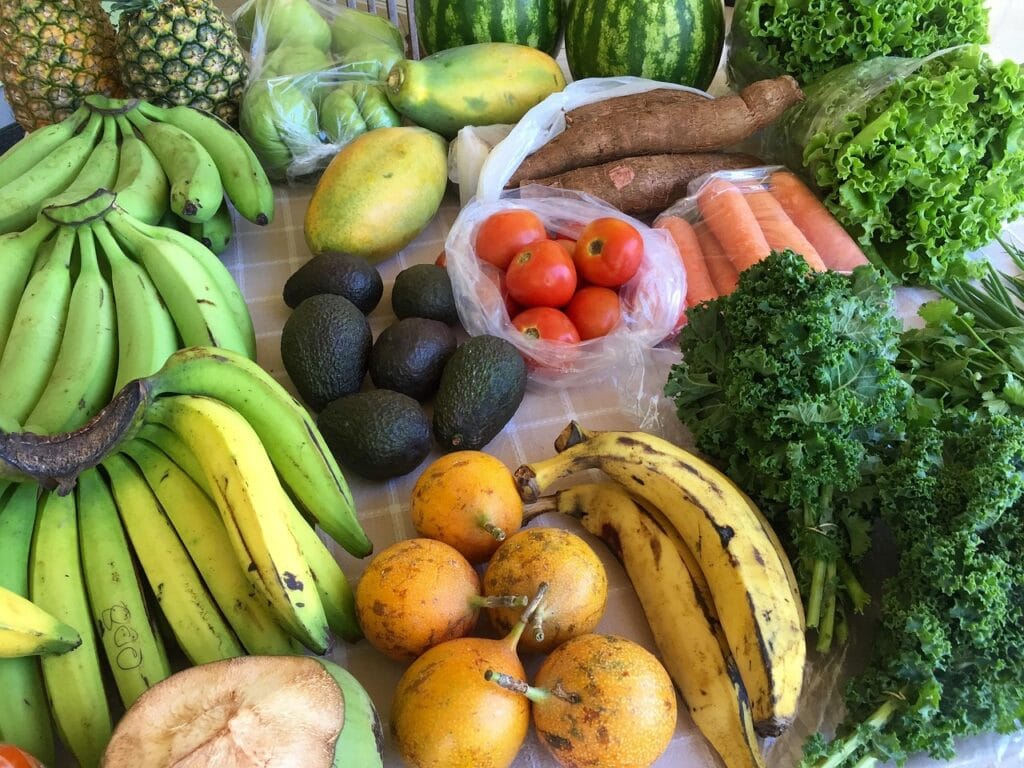
- Colorful produce — leafy greens, broccoli, berries, cherries, citrus. Fill half your plate with them.
- Healthy fats — extra virgin olive oil (2-3 tbsp daily), avocado, nuts, seeds.
- Fatty fish — salmon, mackerel, sardines. Aim for 3-4 oz twice a week.
- Whole grains — oats, quinoa, brown rice. They give you fiber that lowers CRP.
- Legumes — beans, lentils. Twice a week, at least a cup.
- Fermented foods — yogurt with live cultures, kefir, sauerkraut. These help your gut, which affects inflammation.
- Spices — turmeric (with black pepper), ginger, garlic, cinnamon. Use them often.
A 2026 meta-analysis of 23 clinical trials on olive oil and inflammation found that daily extra virgin olive oil cuts CRP by about 1 mg/L. That study shows the polyphenols in EVOO fight inflammation. So pick a high-polyphenol olive oil in a dark bottle.
Foods to Eat Less Often
An anti-inflammatory diet isn’t about taking foods away forever. It’s about balance. The major health groups agree: cut back on these items:
- Added sugars — soda, candy, baked goods. They raise blood sugar and trigger inflammation.
- Refined carbs — white bread, white rice, pasta.
- Fried and processed foods — fast food, chips, foods with trans fats.
- Red and processed meat — beef, bacon, sausage. Keep it to once a week or less.
- Too much alcohol — more than one drink a day can increase inflammation.
How you cook also matters. Johns Hopkins says grilling red meat creates harmful compounds. Baking, steaming, and stir-frying are better. Johns Hopkins anti-inflammatory diet guide suggests swapping fried foods for roasted veggies.
How to Start Your Anti-Inflammatory Diet Today
You don’t need a perfect 7-day menu. You need a simple plan. Here’s how to begin:
- Build your plate. Use the Mayo Clinic method: half veggies, a quarter whole grains, a quarter lean protein. Add a drizzle of olive oil.
- Make one swap. Replace soda with sparkling water and berries. Use olive oil instead of butter. Pick fruit over a packaged snack.
- Prep ahead. On Sunday, wash veggies, cook quinoa, and make a dressing. That way you can throw together a meal in 15 minutes on a busy night.
Think it’s too much? It’s really just going back to real food. A simple meal of baked salmon, broccoli, and quinoa with olive oil covers all the bases. And it can be budget-friendly — choose canned fish, frozen berries, and seasonal veggies.
Common Questions About the Anti-Inflammatory Diet
Do I have to give up all sugar?
No. A little now and then won’t hurt. The key is to limit added sugar as much as possible. The less added sugar, the better for keeping inflammation in check.
What if I don’t eat fish?
You can get omega-3s from walnuts, flaxseeds, chia seeds, and canola oil. Plant-based diets also help fight inflammation, but include these foods regularly.
How long until I see results?
Some people feel better in a few weeks. But big changes in blood markers like CRP take months. The PREDIMED trial, cited in a StatPearls clinical review of anti-inflammatory diets, showed that sticking to a Mediterranean diet cut heart disease risk by 30% over years. This is a long-term habit.
Can I eat nightshades like tomatoes and peppers?
Yes, for most people. The Arthritis Foundation says there’s little proof they cause inflammation. They’re full of good nutrients. If you think they bother you, try cutting them out for two weeks, then add them back. Otherwise, enjoy them.
The Bottom Line: Progress Over Perfection
An anti-inflammatory diet is one of the best things you can do for your health. But you don’t have to be perfect. Just keep choosing foods that calm your body’s fire, while still enjoying life. Start with one swap, one meal, one grocery list. Build from there.
For more help, check the Arthritis Foundation anti-inflammatory diet guidelines or the Mayo Clinic guide to anti-inflammatory eating. And remember: every anti-inflammatory meal moves you toward better health.