

Cyclosporiasis Outbreak: What to Know
Key Takeaways
- A cyclosporiasis outbreak is sickening hundreds across multiple states, including Michigan, Texas, and North Carolina.
- The parasite Cyclospora cayetanensis spreads through contaminated fresh produce like raspberries, basil, and lettuce.
- Symptoms include watery diarrhea, stomach cramps, and fatigue that can last weeks without treatment.
- Washing produce helps but doesn’t fully remove the parasite; cooking kills it.
- If you have prolonged diarrhea, ask your doctor for a stool test – it’s treated with specific antibiotics.
You wash your salad greens, but could they still make you sick? That’s the question health officials are asking as a cyclosporiasis outbreak spreads across the U.S. Michigan alone has reported over 300 cases, with clusters also in Texas and North Carolina, according to state health department announcements. This parasite is different from common food poisoning – it causes prolonged, miserable symptoms and requires a specific test to diagnose. Here’s what you need to know about the cyclosporiasis outbreak, including symptoms, how it contaminates fresh produce, and simple steps to stay safe while still eating your veggies.
What Is Cyclosporiasis?
Cyclosporiasis is a gut infection caused by the microscopic parasite Cyclospora cayetanensis. You get it by swallowing food or water contaminated with the parasite. It’s not spread person-to-person, so you can’t catch it from a sick friend. Instead, the parasite hitches a ride on fresh produce, especially imported fruits and vegetables.
Symptoms of the Cyclosporiasis Outbreak
Symptoms usually start about a week after you eat contaminated food. The most common sign is watery diarrhea that comes and goes – many people describe it as “explosive.” You may also have loss of appetite, weight loss, stomach cramps, bloating, nausea, and extreme fatigue. Without treatment, symptoms can last for weeks or months, sometimes coming back after you think you’re better.
When to See a Doctor
If you have diarrhea that lasts more than a few days – especially if it’s watery and you have stomach cramps – call your doctor. Ask specifically about a stool test for Cyclospora. Regular tests for bacteria won’t catch it. Early treatment with antibiotics (trimethoprim-sulfamethoxazole) shortens the illness and prevents complications.
How Produce Gets Contaminated
The cyclosporiasis outbreak is linked to fresh produce like raspberries, basil, cilantro, and lettuce – especially items imported from warmer climates. The parasite enters the food supply through contaminated irrigation water or improper handling. Even organic produce can carry it. That’s why washing is important, but it’s not foolproof.
How to Stay Safe
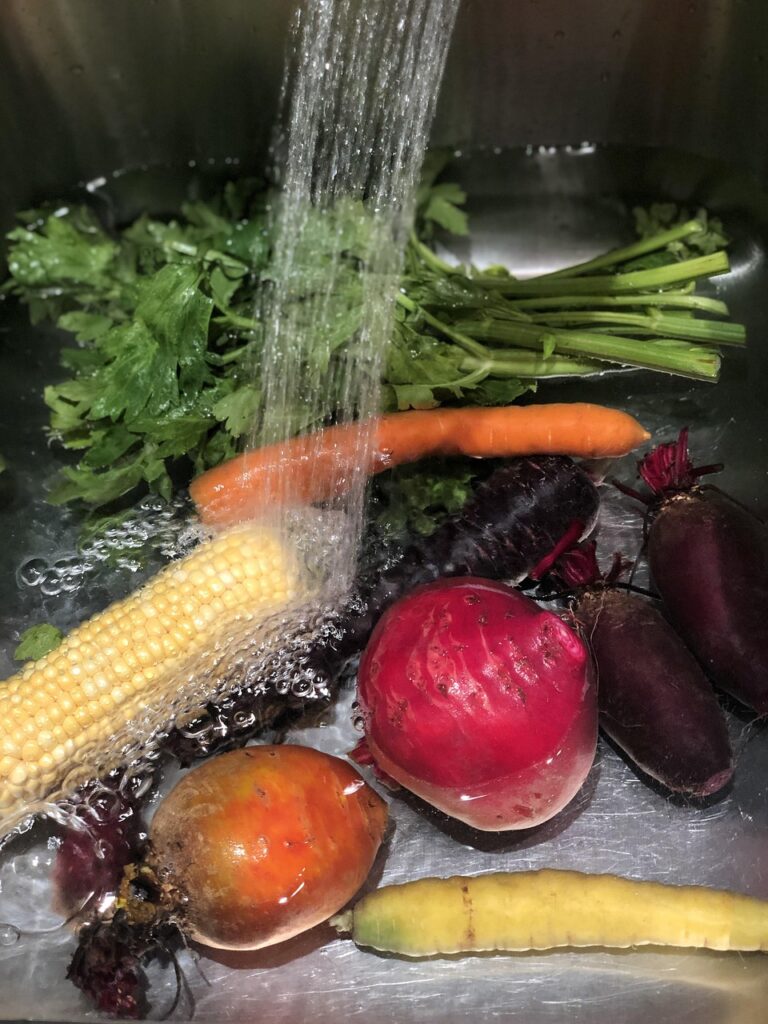
Here’s the balance: you want to eat healthy produce while reducing your risk. Washing all fruits and vegetables under running water helps remove dirt and some contaminants. But Cyclospora can cling tightly. Cooking at high heat is believed to kill the parasite, so consider lightly cooking your greens or fruits during an outbreak. Peel fruits when possible. And always wash your hands before eating.
If you’re in an area with many cases – like Michigan, Texas, or North Carolina right now – you might want to avoid raw imported produce for a while. Local, cooked, or frozen options are safer bets.
The Bottom Line
The cyclosporiasis outbreak is a reminder that even healthy food can have risks. But you don’t need to fear produce. Wash it well, cook it when you’re worried, and know the symptoms. If you get sick with prolonged diarrhea, push for a stool test – it’s the only way to get the right treatment. Stay informed, stay safe, and keep eating those fruits and veggies.