

Anti-Inflammatory Diet: It Only Took 2 Weeks to Notice Changes
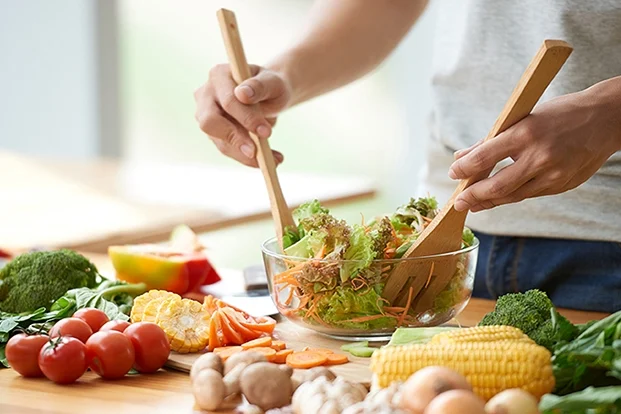
What happens when you eat an anti-inflammatory diet for just two weeks? Better digestion, steadier energy, and fewer afternoon crashes—according to both real-world experience and the science behind it. An anti-inflammatory diet isn’t restrictive or complicated. It’s a flexible pattern of eating that prioritizes whole foods shown to reduce chronic, low-grade inflammation in your body. And the results can show up faster than you’d expect.
Quick Answer: What Is an Anti-Inflammatory Diet?
An anti-inflammatory diet emphasizes fruits, vegetables, fatty fish, whole grains, legumes, nuts, seeds, olive oil, herbs, spices, and fermented foods. It limits refined carbohydrates, added sugars, ultra-processed foods, and alcohol. It closely mirrors the Mediterranean and MIND diets, both linked to lower inflammation, reduced disease risk, and better cognitive function.
Why Chronic Inflammation Matters for Women
Inflammation is your immune system’s natural response to threats. Short-term inflammation heals a cut or fights an infection. The problem is when it becomes chronic—a low-grade, persistent state that silently damages tissues over months and years.
Chronic inflammation is now recognized as a driving factor behind heart disease, type 2 diabetes, certain cancers, Alzheimer’s, depression, and autoimmune conditions. For women, hormonal shifts during perimenopause and menopause can amplify inflammatory processes, making dietary intervention even more relevant. According to Harvard Medical School, one of the most powerful tools to combat inflammation comes not from the pharmacy but from the grocery store.
Ultra-processed foods are among the worst offenders. Research shows that additives commonly found in these products can alter the gut microbiome, increase intestinal permeability, and fuel systemic inflammation. Simply reducing processed food intake while adding whole foods can shift the balance remarkably quickly.
What Changes After Just Two Weeks on an Anti-Inflammatory Diet
Digestion improves noticeably. Bloating, cramping, and the general discomfort many women accept as normal often diminishes significantly within the first two weeks. Two mechanisms drive this. First, eliminating processed foods removes many of the additives that irritate your gut lining. Second, an anti-inflammatory diet naturally increases fiber intake through fruits, vegetables, legumes, and whole grains. Fiber feeds beneficial gut bacteria and supports smoother digestion. If bloating is a persistent issue for you, our 7-day anti-bloat meal plan is a great starting point.
Afternoon energy stabilizes. That 2-3 PM crash most women experience isn’t inevitable—it’s often dietary. Refined carbohydrates eaten alone (pretzels, crackers, white bread) digest rapidly, causing a sharp blood sugar spike followed by a crash that leaves you reaching for caffeine or sugar. An anti-inflammatory diet replaces those spikes with balanced meals and snacks that pair fiber, protein, and healthy fats. A handful of almonds instead of pretzels keeps blood sugar steady and energy consistent through the afternoon.
Sleep and mood may improve. While these changes are subtler in two weeks, many women report falling asleep more easily and waking feeling more rested. The gut-brain connection plays a role here—a healthier gut microbiome supports serotonin production, which influences both mood and sleep quality. Reducing alcohol—a common anti-inflammatory diet guideline—also significantly improves sleep architecture.
What to Eat on an Anti-Inflammatory Diet
The foods that reduce inflammation are the same ones dietitians and cardiologists consistently recommend: colorful fruits and vegetables (especially berries and leafy greens), fatty fish like salmon and sardines, whole grains like oats and quinoa, legumes like lentils and chickpeas, nuts and seeds, extra virgin olive oil, herbs and spices like turmeric, ginger, and cinnamon, and fermented foods like yogurt and sauerkraut.
What to limit: refined sugars, white flour products, processed meats, fried foods, excessive alcohol, and anything with ingredient lists longer than your arm. This isn’t about perfection—it’s about shifting the ratio. If most of what you eat comes from the first list, the occasional indulgence won’t derail your progress.
For practical meal ideas that follow this pattern, explore our 18 gut-nourishing meals and our collection of foods that reduce bloating fast.
The Bottom Line: Two Weeks Is Enough to Feel the Difference
An anti-inflammatory diet won’t transform your life in 14 days. But it can deliver enough tangible improvements—better digestion, steadier energy, reduced bloating—to prove that what you eat directly shapes how you feel. The real benefits of anti-inflammatory eating compound over months and years: lower risk of heart disease, diabetes, cognitive decline, and chronic pain.
You don’t need to follow a rigid plan. Start by adding more vegetables to every meal, swapping refined snacks for nuts and fruit, cooking with olive oil, and eating fish twice a week. These small shifts create the anti-inflammatory foundation your body needs. Two weeks is all it takes to feel the difference. What you do after that is up to you—but your body will make a compelling case to keep going.