

Cinnamon Sticks vs Ground Cinnamon: Which Is Healthier?
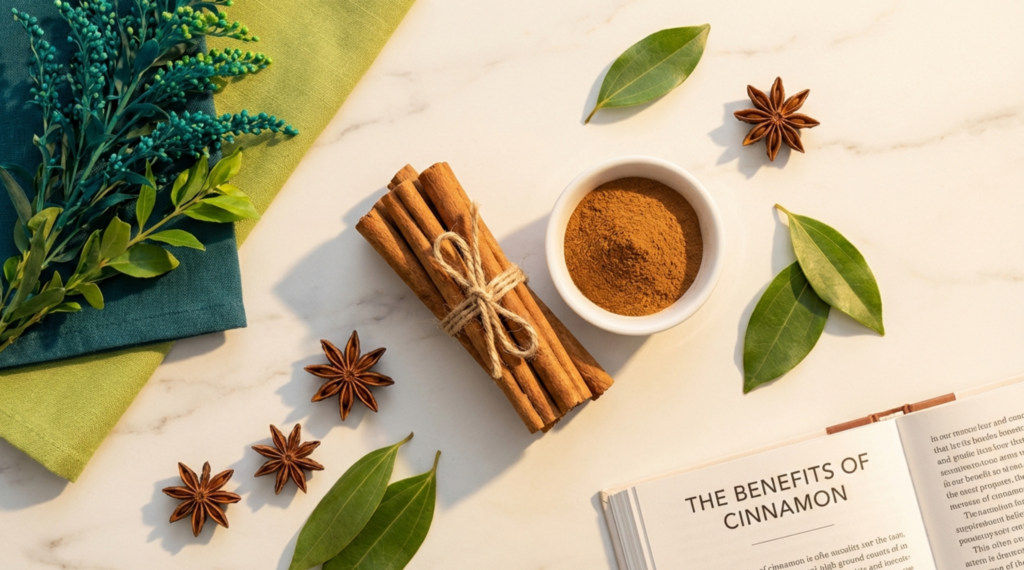
You reach for the cinnamon, but which one? If you have both a jar of ground cinnamon and a bundle of cinnamon sticks in your pantry, you might wonder whether cinnamon sticks vs ground cinnamon actually makes a difference for your health. Spoiler: it does—and the answer is more nuanced than most wellness articles let on. As a registered dietitian, I want to walk you through the real science so you can make the smartest choice for your body every single day.
Quick Answer: Cinnamon Sticks vs Ground Cinnamon—Which Wins?
Both forms contain beneficial compounds, but they differ in potency, coumarin content, and how your body absorbs them. Ground cinnamon delivers more active compounds per serving and is easier to use daily. Cinnamon sticks release their benefits more slowly and are safer for long-term simmering. For targeted health benefits—especially blood sugar balance and hormonal support—the type of cinnamon (Ceylon vs. Cassia) matters just as much as the form.
Why the Cinnamon Sticks vs Ground Cinnamon Question Actually Matters for Women
Most people treat this as a cooking question. Is it better for my recipe? Does it dissolve? However, for women focused on metabolic health, hormone balance, and daily wellness, the answer goes much deeper than flavor.
Cinnamon contains several bioactive compounds—primarily cinnamaldehyde, cinnamic acid, and cinnamate—that research links to weight management support, improved insulin sensitivity, and anti-inflammatory effects. But here’s what matters: the form you use directly affects how much of these compounds you actually absorb. Additionally, cinnamon carries a safety consideration—coumarin content—that makes the form (and type) of cinnamon you choose genuinely important for everyday use.
For women using cinnamon consistently as part of a hormone-balancing or metabolic health strategy, understanding this distinction isn’t just interesting—it’s practical health information you can act on today.
What’s Actually Inside Cinnamon (And Why Form Changes Everything)
Before comparing forms, it helps to understand what we’re working with. Cinnamon’s health benefits come primarily from its essential oils and polyphenols, concentrated in the bark. When cinnamon is processed into sticks or powder, the structure of the bark changes—and so does how readily your body accesses those compounds.
Cinnamaldehyde is the main active compound, responsible for both cinnamon’s distinctive flavor and its metabolic effects. Research on cinnamaldehyde bioavailability shows that surface area and particle size directly influence absorption. Ground cinnamon, with its dramatically larger surface area per gram, releases these compounds more readily than an intact stick.
Furthermore, cinnamon also contains coumarin—a naturally occurring compound that, at high doses, can stress the liver. This is where type and form both become critical for safety. Cassia cinnamon (the most common grocery store variety) contains significantly more coumarin than Ceylon cinnamon. The European Food Safety Authority has set a tolerable daily intake for coumarin, which highlights why the cinnamon you choose for daily use genuinely matters.
What Is Coumarin and Should You Worry About It?
Coumarin is a naturally occurring plant compound found in Cassia cinnamon at much higher levels than Ceylon cinnamon. For occasional cooking use, it’s not a concern. However, if you’re using cinnamon daily for health benefits, the type and amount matter. Cassia cinnamon sticks and ground Cassia contain similar coumarin concentrations by weight, but since you use more ground cinnamon per serving, daily exposure can add up. Ceylon cinnamon—in either form—contains far less coumarin and is the safer choice for consistent daily use.
Cinnamon Sticks vs Ground Cinnamon: A Direct Health Benefits Comparison
Let’s break this down clearly, because both forms have genuine strengths depending on how you use them.
Ground Cinnamon: Higher Potency Per Serving
Ground cinnamon delivers more active compounds in a smaller amount, making it the more potent choice for targeted health benefits. When you stir half a teaspoon into your morning oatmeal or cinnamon tea, your body has immediate access to cinnamaldehyde, polyphenols, and antioxidants. The fine particles disperse into food and beverages, maximizing contact with digestive surfaces.
Clinical studies on cinnamon and blood glucose have predominantly used ground cinnamon in measured doses (typically 1-6 grams daily). This means the research we have supporting blood sugar benefits applies most directly to the ground form. If you’re using cinnamon specifically to support insulin sensitivity or metabolic health, ground cinnamon is the evidence-backed choice.
Additionally, ground cinnamon integrates easily into daily routines—smoothies, yogurt, coffee, baked goods, or even warm water. This convenience factor matters, because consistency is what actually produces health benefits over time. Explore the benefits of cinnamon water on an empty stomach to see just how versatile ground cinnamon can be first thing in the morning.
Cinnamon Sticks: Slower Release, Lower Coumarin Exposure Per Use
Cinnamon sticks are the intact bark, rolled into their signature quill shape. Because the surface area is much smaller relative to the mass, sticks release their essential oils and active compounds more gradually. This is actually an advantage in certain situations—particularly when simmering in liquids for extended periods, like making cinnamon tea or preparing spiced broths.
The slower release means that, per serving of a beverage made with a stick, you’re typically ingesting fewer compounds than from ground cinnamon—including less coumarin. This makes sticks a gentler option for women who enjoy cinnamon-infused drinks throughout the day without wanting to closely track their intake. Moreover, sticks can be reused two or three times, making them economical and practical for daily tea routines.
It’s worth noting, however, that sticks are not eaten directly and cannot be stirred into foods the way ground cinnamon can. Their benefits are primarily delivered through infusion into warm liquids, which limits their versatility compared to the powder form.
Can I Grind Cinnamon Sticks at Home?
Yes, and this is actually a great approach—especially with Ceylon cinnamon sticks. Ceylon sticks are softer and more brittle than Cassia, making them easier to grind in a spice grinder or high-powered blender. Freshly ground cinnamon retains more volatile aromatic compounds than pre-ground versions that have been sitting in a jar. If you want to maximize both freshness and safety, buying Ceylon sticks and grinding them at home is the gold standard.
The Real Factor: Ceylon vs. Cassia Matters More Than the Form
Here’s the honest truth that most comparisons overlook: whether you choose sticks or ground cinnamon is less important than which type of cinnamon you’re using. Read the full breakdown in our detailed Ceylon cinnamon vs Cassia guide, but here are the essential points.
Ceylon cinnamon (Cinnamomum verum), often called “true cinnamon,” contains only trace amounts of coumarin—roughly 0.004% compared to Cassia’s 0.4-0.8%. This means Ceylon cinnamon is dramatically safer for daily, long-term use in either form. Furthermore, Ceylon has a lighter, more delicate flavor profile with a slightly different phytochemical composition that some researchers believe offers superior anti-inflammatory properties.
Cassia cinnamon—which includes Chinese cinnamon and Vietnamese (Saigon) cinnamon—is what you’ll find in most grocery stores labeled simply as “cinnamon.” It’s not inherently dangerous in moderate cooking amounts, but it’s not the ideal choice for women using cinnamon therapeutically every single day. For anyone considering higher-dose supplementation, our cinnamon supplements guide for women explains the safer alternatives in supplement form.
Specific Health Benefits by Form: What the Research Says
Blood Sugar and Insulin Sensitivity
The most robust body of cinnamon research centers on blood glucose management. Multiple randomized controlled trials have used ground cinnamon in doses of 1 to 6 grams daily and found meaningful improvements in fasting blood sugar and insulin sensitivity. Because the research uses ground cinnamon almost exclusively, this is the form with the strongest evidence for metabolic support.
Cinnamon sticks can also contribute to blood sugar management when consumed regularly as an infused tea, but the compound concentration per cup is lower. For women focused on supporting weight loss after 40 or managing insulin resistance, ground cinnamon is the more targeted choice.
Anti-Inflammatory and Antioxidant Support
Both forms provide polyphenolic antioxidants, including procyanidins that reduce oxidative stress. Ground cinnamon, however, delivers a higher antioxidant load per gram consumed. According to USDA FoodData Central, ground cinnamon has an exceptionally high ORAC value (antioxidant capacity), making it one of the most antioxidant-rich spices per gram.
That said, a daily cup of cinnamon stick tea still provides meaningful anti-inflammatory support. Think of it this way: sticks are a gentle, consistent daily habit, while ground cinnamon is the higher-impact therapeutic option.
Hormonal Health and Sleep Support
For women navigating perimenopause or managing hormonal fluctuations, cinnamon’s ability to regulate blood sugar indirectly supports hormone balance. Stable blood glucose levels mean more stable insulin, which in turn supports healthier estrogen metabolism. This is one reason cinnamon appears frequently in discussions around foods that balance hormones naturally.
Cinnamon sticks simmered in warm milk or herbal tea make a particularly soothing bedtime ritual. The warmth, combined with cinnamon’s mild blood-sugar-stabilizing effect, can support better overnight metabolic balance—something we explore in detail in our piece on cinnamon before bed benefits.
How Much Cinnamon Should I Use Daily?
For general wellness, ½ to 1 teaspoon of ground Ceylon cinnamon daily is considered a reasonable and safe amount. For blood sugar support, studies have used up to 1-3 grams (approximately ½ to 1 teaspoon). If you’re using Cassia cinnamon, stay closer to ½ teaspoon daily to keep coumarin exposure within safe limits. One cinnamon stick steeped in hot water or milk delivers far less than a teaspoon of equivalent ground cinnamon, so sticks are a safe choice for multiple daily beverages.
Practical Guide: When to Use Each Form
Now that you understand the science, let’s talk about practical application—because the best form of cinnamon is the one you’ll actually use consistently.
Choose ground cinnamon when you want maximum health impact from a measured daily dose, you’re adding cinnamon to smoothies, oatmeal, yogurt, or coffee, you want to follow the protocols used in blood sugar research, or you’re looking for the highest antioxidant yield per serving.
Choose cinnamon sticks when you’re making infused teas, warm milk drinks, or broths, you prefer a gentler daily ritual without measuring powders, you want a reusable and low-maintenance option, or you enjoy cinnamon beverages multiple times throughout the day. Our 7 cinnamon water methods show you exactly how to get the most from cinnamon sticks in simple daily drinks.
In reality, many women benefit from using both. A cinnamon stick simmered in morning tea provides a calming ritual, while a sprinkle of ground Ceylon on afternoon yogurt adds a targeted metabolic boost. The two forms complement each other beautifully.
Does Ground Cinnamon Lose Its Potency Over Time?
Yes, it does. Ground cinnamon begins losing its volatile essential oils—the compounds responsible for both flavor and health benefits—within 6-12 months of opening. The powder is still safe to eat, but its therapeutic potency diminishes. Cinnamon sticks, by contrast, retain their essential oils much longer (2-4 years when stored properly in an airtight container away from heat and light). For maximum health benefits, buy ground cinnamon in smaller quantities and replace it regularly, or grind your own from fresh Ceylon sticks.
Is Ground Cinnamon the Same as a Cinnamon Supplement?
Not quite. Cinnamon supplements typically use concentrated extracts—either whole cinnamon powder in capsules or water-extracted forms that remove fat-soluble compounds like coumarin. Supplements allow for more precise dosing and can be formulated specifically from Ceylon cinnamon. If you’re looking for a more targeted therapeutic approach, read our guide on cinnamon extract for women’s weight loss to understand when supplementation makes sense.
Which Form Is Better for Cinnamon Tea?
Both work wonderfully for tea, but they produce different results. Ground cinnamon blended into hot water creates a more intense, compound-rich brew that needs to be stirred and may leave sediment. A cinnamon stick simmered for 10-15 minutes releases a lighter, cleaner infusion that’s easier to drink. For the strongest health benefits, ground cinnamon tea wins. For daily ritual enjoyment with consistent gentle benefits, sticks are hard to beat. Explore the full benefits of cinnamon tea to decide which approach fits your lifestyle.
Can I Eat Cinnamon Sticks Directly?
Technically yes, but it’s not ideal or recommended. Cinnamon sticks are tough and fibrous—chewing on them doesn’t release the same bioactive compounds as infusing them in liquid, and the fibrous texture isn’t pleasant or easy to digest. You’re much better off simmering the stick in liquid to extract its benefits. Some women chew on small pieces as a breath freshener, which is fine occasionally but delivers minimal health benefit compared to proper infusion.
The Bottom Line: Cinnamon Sticks vs Ground Cinnamon for Women’s Health
So, which wins? Honestly, it depends on your goal—and that’s not a cop-out answer. Ground cinnamon is the clear winner for targeted health benefits: higher bioavailability, stronger antioxidant delivery, and the form supported by the most clinical research. If you’re using cinnamon intentionally to support blood sugar balance, metabolic health, or weight management, ground Ceylon cinnamon is your best daily ally.
Cinnamon sticks shine as a gentle, sustainable, low-coumarin option for daily tea rituals. They’re perfect for women who want consistent, low-effort cinnamon exposure without measuring anything or worrying about exceeding daily safe amounts. They also have the significant advantage of retaining potency longer in your pantry.
Above all, remember that the type of cinnamon matters as much as the form. Ceylon in either format is the safest choice for daily therapeutic use. Whatever form you choose, consistency is what creates results—and cinnamon’s real power shows up over weeks and months, not overnight.
Start with the form that fits most naturally into your daily routine. Your body will thank you for the consistency far more than for choosing the “perfect” format and using it sporadically.
Related Articles You Might Enjoy
- Ceylon Cinnamon vs Cassia: Which Should You Choose?
- Best Cinnamon Supplements for Women: Complete 2026 Guide
- Does Cinnamon Help You Lose Weight? What the Science Says
- Cinnamon Tea for Weight Loss: Does It Really Work?
- Cinnamon Before Bed: Surprising Benefits for Women
- Foods That Balance Hormones Naturally