

Monkfruit Health Benefits: Scientists Uncover Powerful Compounds Beyond Sweetness
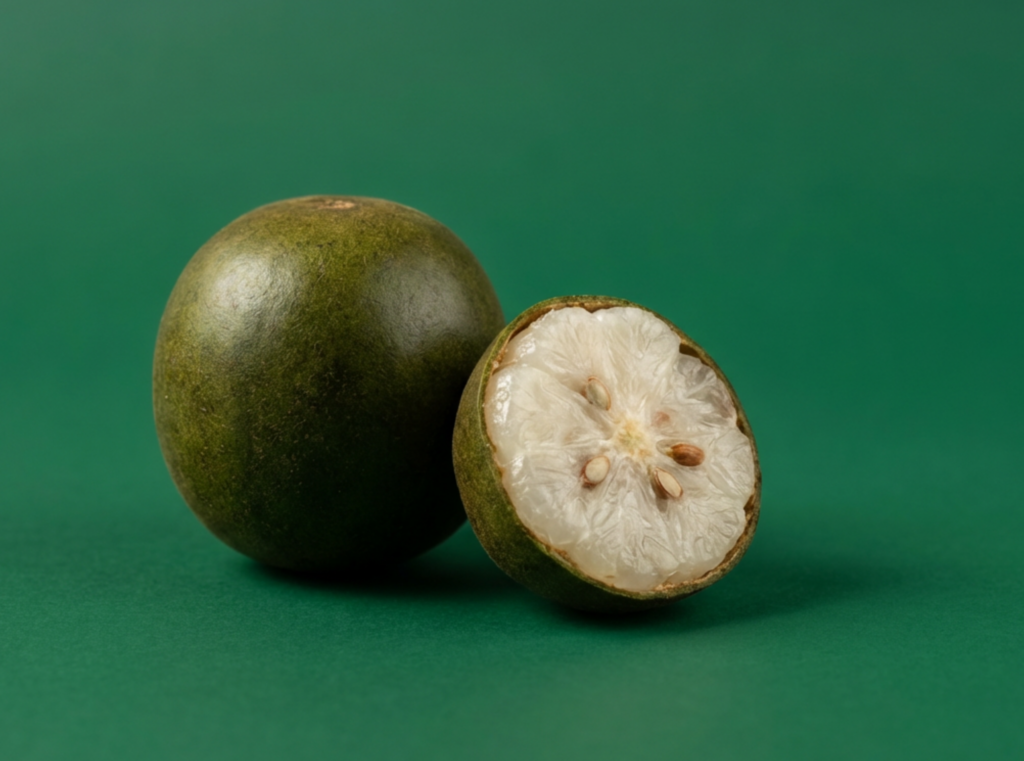
Scientists have revealed groundbreaking monkfruit health benefitsthat extend far beyond its role as a natural sweetener. New research published in January 2026 shows this small fruit contains a powerful mix of health compounds that may protect your cells, reduce swelling, and support your body’s natural balance.
For years, monkfruit (also called Luo Han Guo) has been known mainly as a zero-calorie sugar replacement. However, recent studies show it’s packed with natural compounds that interact with key systems in your body. In fact, the new findings suggest monkfruit may offer real health support that goes well beyond helping you cut sugar from your diet.
If you’re looking for natural ways to support your health goals after 40, this research offers exciting news about monkfruit health benefits you may not have known about.
What Makes Monkfruit Special? The Science Behind the Health Benefits
Monkfruit is a small, round fruit native to southern China, where it has been used in healing practices for hundreds of years. It belongs to the gourd family, which also includes cucumbers and squash. While most people know it as a sweetener that’s up to 250 times sweeter than sugar, scientists are now discovering its true power lies in what else it contains.
According to new research in the Journal of the Science of Food and Agriculture, monkfruit contains three main groups of health compounds:
1. Mogrosides: The Sweet Protectors
These are the compounds that make monkfruit sweet, but they do much more than satisfy your taste buds. Mogrosides are natural plant chemicals that can protect your cells from damage. The main type, called mogroside V, is 465 to 563 times sweeter than table sugar. Meanwhile, research shows mogrosides may help reduce cell damage linked to aging and long-term health issues.
Additionally, studies on mogrosides show they work through several key pathways in your body. For instance, they appear to help control processes that affect swelling, blood sugar balance, and how your cells use energy.
2. Flavonoids: Nature’s Defense Team
Flavonoids are plant compounds known for fighting cell damage and supporting heart health. Monkfruit contains several types of flavonoids that work together to neutralize harmful molecules called free radicals. Therefore, these compounds may help protect your body from the kind of cell damage that builds up over time.
For women over 40, this becomes especially important. As we age, our bodies need more support to maintain healthy aging processes. The flavonoids in monkfruit offer that natural support.
3. Amino Acids: Building Blocks for Health
Amino acids are the parts your body uses to build proteins. Monkfruit contains several key amino acids that support muscle health, tissue repair, and immune system strength. In other words, these compounds help your body maintain and rebuild itself every day.
How Monkfruit Health Benefits Work in Your Body
The most exciting part of the new research isn’t just what monkfruit contains. It’s how these compounds actually work once they enter your body. Scientists used advanced tools to map exactly how monkfruit compounds interact with your cells.
Here’s what happens: When you consume monkfruit, the compounds travel through your system and connect with special spots on your cells called receptors. Think of receptors like locks, and the monkfruit compounds like keys. When the key fits the lock, it triggers specific actions in your body.
The Cellular Pathways That Matter
The research identified several key pathways that monkfruit compounds may affect:
- AMPK pathway: This controls how your cells make and use energy. When this pathway works well, it supports healthy blood sugar and fat burning.
- NF-κB pathway: This controls your body’s response to stress and swelling. Keeping this balanced helps reduce ongoing irritation in tissues.
- PI3K/Akt pathway: This affects cell survival, growth, and how your body responds to insulin.
- MAPK pathway: This controls how cells respond to outside signals and affects both swelling and cell protection.
Because of these actions, the monkfruit health benefits may extend to several areas. For example, the compounds might help support healthy blood sugar levels, reduce tissue irritation, and protect cells from daily wear and tear.
Real-World Impact: If you’re working on balancing your macros for weight goals, monkfruit’s effects on energy pathways might provide extra support beyond just cutting calories from sugar.
Monkfruit Health Benefits: What the Research Shows
Scientists didn’t just look at what monkfruit contains. They also studied what happens when animals and cells are exposed to these compounds. The results suggest several promising monkfruit health benefits worth knowing about.
Blood Sugar Support
Several studies show that monkfruit compounds may help keep blood sugar steady. In one study, mice given mogrosides showed better blood sugar control and improved insulin response. This matters because stable blood sugar is crucial for energy levels, mood, and long-term health.
Moreover, unlike regular sugar that causes blood sugar to spike, the FDA recognizes monkfruit as safe specifically because it doesn’t raise blood sugar levels.
Reducing Tissue Swelling and Irritation
Ongoing irritation in body tissues is linked to many health issues. Research shows monkfruit compounds may help calm this irritation through several pathways. In studies, mogrosides reduced markers of tissue irritation and helped protect cells from stress.
This is particularly relevant if you’re dealing with bloating or digestive discomfort, as reducing irritation in the gut can improve how you feel overall.
Cell Protection and Aging
Free radicals are unstable molecules that damage cells over time. This damage adds up and contributes to aging and health decline. The compounds in monkfruit work as shields, neutralizing free radicals before they can cause harm.
In fact, studies measuring the ability of monkfruit compounds to fight free radicals found they were quite powerful. This cell protection is one of the key monkfruit health benefits for anyone focused on staying healthy as they age.
Liver and Kidney Support
Animal studies suggest mogrosides may protect the liver and kidneys from damage. In mice with high blood sugar, monkfruit compounds helped reduce fat buildup in the liver and protected kidney cells from stress. These organs work hard to filter and process everything you consume, so supporting their health is vital.
Why Different Monkfruit Varieties Matter
Here’s something most people don’t know: not all monkfruit is the same. The 2026 research examined four different types of monkfruit and found each variety has a unique mix of compounds.
Some varieties contain higher levels of certain mogrosides, while others have more flavonoids. The researchers noted this is important for both food makers and consumers. Different varieties might be better suited for different uses, from sweetening beverages to creating health products.
Therefore, as monkfruit becomes more popular, you may start seeing products that specify which variety they use. This could help you choose products based on specific monkfruit health benefits you’re seeking.
How to Use Monkfruit for Maximum Health Benefits
So how can you actually get these monkfruit health benefits in your daily life? Here are practical ways to add monkfruit to your routine:
As a Sugar Replacement
The easiest way to use monkfruit is as a sweetener. You can find it in several forms:
- Pure monkfruit extract: Very concentrated, so you need only tiny amounts
- Blended powders: Mixed with other ingredients to match the texture and volume of sugar
- Liquid drops: Easy to add to drinks and recipes
When you swap regular sugar for monkfruit, you’re not just cutting calories. You’re also adding those protective compounds to your diet. This makes it a smart choice if you’re trying to reduce sugar while supporting your health goals.
In Your Morning Routine
Try adding monkfruit to your morning coffee or tea. You can also use it to sweeten your breakfast foods. For instance, stir it into plain yogurt, sprinkle it on oatmeal, or blend it into smoothies.
If you enjoy cinnamon water or other health drinks, monkfruit makes a great natural sweetener that won’t spike your blood sugar.
For Cooking and Baking
Monkfruit works well in many recipes, though it behaves slightly differently than sugar. It doesn’t help with browning or texture in the same way. However, many brands create blends specifically for baking that work just like regular sugar in recipes.
Practical Tip: Start with half the amount you’d use of regular sugar, then adjust to taste. Because monkfruit is so much sweeter, a little goes a long way.
Safety and Considerations
The monkfruit health benefits sound impressive, but is it safe for everyone? The good news is that monkfruit has an excellent safety record.
The FDA has approved monkfruit extract as Generally Recognized as Safe (GRAS) since 2010. This means extensive testing shows it’s safe for most people to consume. Additionally, countries around the world, including Canada, Japan, and Australia, have also approved monkfruit for use in foods.
Who Can Use Monkfruit?
Monkfruit appears safe for most people, including:
- People managing blood sugar concerns
- Those trying to lose or maintain weight
- Anyone reducing sugar intake
- People focused on healthy aging
However, if you’re pregnant, nursing, or have specific health concerns, it’s always wise to talk with your healthcare provider before making major diet changes.
Potential Considerations
While monkfruit is generally safe, keep these points in mind:
- Some products blend monkfruit with other sweeteners, so check labels if you have sensitivities
- A few people report digestive changes when first using monkfruit, though this is rare
- If you’re allergic to gourds (like squash or cucumbers), use caution as monkfruit is in the same family
Monkfruit vs. Other Natural Sweeteners
You might wonder how monkfruit health benefits compare to other natural sweeteners. Let’s look at the key differences:
Monkfruit vs. Stevia
Both are natural, zero-calorie sweeteners. However, monkfruit tends to have a cleaner, less bitter aftertaste than stevia. In terms of health compounds, monkfruit appears to have a broader range of protective substances based on current research.
Monkfruit vs. Honey
Honey does contain some beneficial compounds, but it’s also high in sugar and calories. Monkfruit gives you sweet taste plus protective compounds without any sugar or calories. Therefore, if you’re watching your sugar intake or working on weight goals after 50, monkfruit is the better choice.
Monkfruit vs. Artificial Sweeteners
Unlike artificial sweeteners made in labs, monkfruit is a natural fruit extract. The research on monkfruit health benefits also shows it actively supports your body’s processes, rather than just providing sweet taste without calories.
The Future of Monkfruit Research
The 2026 research opens doors for more studies on monkfruit health benefits. Scientists are now exploring:
- How different processing methods affect the health compounds
- Which monkfruit varieties are best for specific health goals
- Long-term effects of regular monkfruit consumption in humans
- New ways to extract and concentrate the beneficial compounds
As this research progresses, we’ll likely discover even more ways monkfruit can support health. Meanwhile, the current evidence already gives us good reasons to consider adding it to our diets.
Making Monkfruit Part of Your Healthy Lifestyle
Understanding monkfruit health benefits is one thing. Actually using this knowledge is another. Here’s how to make monkfruit a practical part of your health routine:
Start Small
Begin by replacing sugar in one or two daily items. For example, use monkfruit in your morning coffee or afternoon tea. Once you’re comfortable with the taste and how your body responds, expand to other uses.
Combine with Other Healthy Habits
Monkfruit works best as part of an overall healthy approach. Consider pairing it with other natural health practices like drinking ginger cinnamon lemon tea or following an anti-bloating routine.
If you’re focused on weight management, monkfruit fits well into balanced eating plans. It lets you enjoy sweet flavors while supporting your body’s natural fat-burning processes.
Read Labels Carefully
Not all monkfruit products are created equal. Some contain mostly other sweeteners with just a small amount of monkfruit. Look for products that list monkfruit extract as the first ingredient to get the most monkfruit health benefits.
Taking Action: Your Next Steps
Now that you know about the real monkfruit health benefits backed by science, what should you do? Here are your action steps:
- Try monkfruit: Pick up a small container of monkfruit sweetener and test it in your coffee or tea.
- Replace gradually: Start swapping out regular sugar for monkfruit in your daily routine.
- Track how you feel: Notice if you experience better energy, fewer blood sugar swings, or other positive changes.
- Explore recipes: Look for ways to use monkfruit in cooking and baking to maximize the benefits.
- Stay informed: Keep an eye on new research about monkfruit as science continues to uncover its potential.
The evidence is clear: monkfruit offers real health benefits that go way beyond being a simple sugar substitute. By adding it to your routine, you’re not just cutting calories. You’re giving your body access to natural compounds that support your cells, balance your systems, and help you feel your best.
Whether you’re focused on healthy aging, supporting your fitness goals, or simply making smarter food choices, monkfruit health benefits make it a worthy addition to your wellness toolkit.
The small fruit with the big sweet taste turns out to have an even bigger impact on health. That’s a discovery worth celebrating—and putting into practice.