

How Much Protein Do I Need Daily? The Complete Guide to Protein Intake Without the Hype
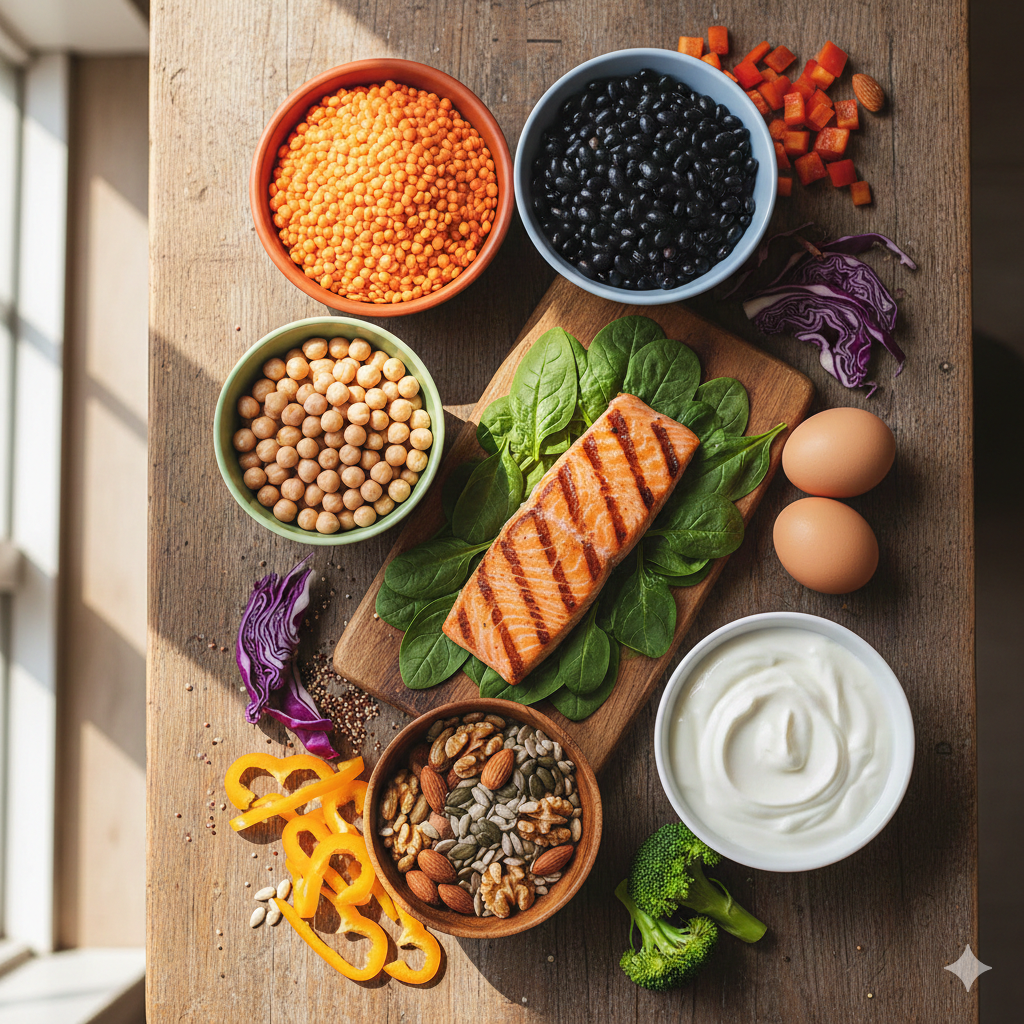
Discover exactly how much protein you need daily based on science. Learn the best protein sources, avoid common mistakes, and get practical meal plans for optimal health.
Everywhere you look, someone is talking about protein. Your gym buddy swears by protein shakes, influencers promote high-protein diets, and grocery stores are packed with protein-enhanced everything. But here’s the real question: how much protein do you actually need daily?
The truth is, most people are getting enough protein already. However, the flood of marketing and misinformation makes it hard to know what’s right for your body. Moreover, the obsession with protein might be causing you to overlook important health considerations.
Throughout this comprehensive guide, you’ll discover exactly how much protein you need based on your age, activity level, and goals. Additionally, we’ll explore the best protein sources, debunk common myths, and address the health risks that nobody talks about. Most importantly, you’ll walk away with practical strategies you can implement today.
Understanding Protein: What It Really Does
The Role of Protein in Your Body
Protein is essential for life. It builds and repairs tissues, creates enzymes and hormones, and supports immune function. Furthermore, protein helps maintain muscle mass, especially as we age. Every cell in your body contains protein, making it truly indispensable.
However, more isn’t always better. Your body can only use a certain amount of protein at once. Excess protein doesn’t automatically build more muscle or make you healthier. Instead, your body converts it to energy or stores it as fat.
The Three Macronutrients Explained
Your body needs three macronutrients: protein, carbohydrates, and fats. Each plays a unique role in health and performance. Protein supports tissue repair and growth, carbohydrates provide energy, and fats support hormone production and nutrient absorption.
Interestingly, the current protein obsession has caused many people to neglect carbohydrates and healthy fats. This imbalance can lead to energy crashes, hormonal issues, and digestive problems. Therefore, balance matters more than maximizing any single macronutrient.
How Much Protein Do You Actually Need?
The Official Recommendations
According to the Institute of Medicine and the World Health Organization, the Recommended Dietary Allowance (RDA) for protein is 0.8 grams per kilogram of body weight per day for adults. For most people, this translates to about 46-56 grams daily.
Here’s a simple calculation: Take your weight in pounds and multiply by 0.36. For example, a 150-pound person needs about 54 grams of protein daily. However, this is the minimum amount needed to prevent deficiency, not necessarily the optimal amount for everyone.
Factors That Affect Your Protein Needs
Your individual protein needs depend on several factors. Age significantly impacts requirements, with older adults needing more protein to maintain muscle mass. Additionally, activity level plays a crucial role in determining your needs.
Athletes and highly active individuals need more protein than sedentary people. Specifically, endurance athletes may need 1.2-1.4 grams per kilogram, while strength athletes might require 1.6-2.2 grams per kilogram. Pregnant and breastfeeding women also need additional protein.
Furthermore, your health status affects protein requirements. People recovering from illness or injury need more protein for tissue repair. Similarly, those with certain medical conditions may have altered protein needs.
Protein Needs by Life Stage
Children and Adolescents: Growing bodies need proportionally more protein. Children ages 4-13 need about 19-34 grams daily, while teenagers need 46-52 grams depending on sex and growth rate.
Adults (19-50 years): Most adults need 46-56 grams daily, though active individuals may benefit from 1.2-1.6 grams per kilogram of body weight. This supports muscle maintenance and overall health.
Older Adults (50+ years): Aging bodies become less efficient at using protein. Therefore, adults over 50 should aim for 1.0-1.2 grams per kilogram of body weight to prevent muscle loss and maintain strength.
Pregnant and Nursing Women: Pregnancy increases protein needs to about 71 grams daily. Breastfeeding mothers need approximately 71 grams as well to support milk production and recovery.
The Dark Side of High-Protein Diets
The Meat Industry’s Marketing Machine
The protein craze isn’t accidental. It’s largely driven by aggressive marketing from the meat and supplement industries. Consequently, many people believe they need far more protein than they actually do.
Between 2018 and 2023, U.S. meat consumption grew from 109 kg to 117 kg per capita, according to recent studies. This increase is projected to reach 122 kg per capita by 2027. However, this trend comes with significant health consequences that often go unmentioned.
The Cancer Connection You Need to Know
Here’s what the protein marketing doesn’t tell you: processed meats are classified as Group 1 carcinogens by the World Health Organization. This means there’s conclusive evidence that they cause cancer in humans.
Group 1 carcinogens also include tobacco and asbestos. Specifically, processed meats increase colorectal cancer risk by about 18% for every 50 grams consumed daily. This includes popular protein snacks like meat sticks, jerky, bacon, sausages, and deli meats.
Moreover, red meat is classified as a Group 2A carcinogen, meaning it’s “probably carcinogenic to humans.” Large-scale studies consistently show that high red meat consumption increases cancer risk, particularly for colorectal, pancreatic, and prostate cancers.
Beyond Cancer: Other Health Risks
The health consequences of excessive meat consumption extend far beyond cancer. Research published in the Journal of the American Medical Association found that high meat intake increases risks for:
Cardiovascular Disease: High consumption of red and processed meat significantly increases heart disease risk. This occurs through multiple mechanisms, including increased cholesterol, inflammation, and harmful compounds formed during cooking.
Type 2 Diabetes: Studies from Harvard School of Public Health show that regular consumption of processed meat increases diabetes risk by 51%. Even unprocessed red meat raises risk by 19% when consumed daily.
All-Cause Mortality: Perhaps most concerning, research consistently shows that people who eat the most red and processed meat have higher rates of premature death from all causes. This means they’re more likely to die younger, regardless of the specific cause.
Kidney Problems: Excessive protein intake, especially from animal sources, can strain kidneys over time. People with existing kidney issues should be particularly cautious about high-protein diets.
The Processed Meat Stick Problem
Meat sticks are currently one of the fastest-growing snack categories in America. They’re marketed as healthy, protein-packed snacks perfect for busy lifestyles. However, this trend is particularly concerning.
These convenient snacks are highly processed and often contain significant amounts of sodium, nitrates, and preservatives. Furthermore, their popularity among health-conscious consumers shows how effective marketing can override scientific evidence.
If you’re regularly consuming meat sticks, beef jerky, or similar products, you’re exposing yourself to Group 1 carcinogens. This is equivalent to regularly consuming any other known carcinogen.
The Truth About Protein Deficiency
Are You Really Protein Deficient?
Here’s a surprising fact: protein deficiency is extremely rare in developed countries. Unless you’re severely restricting calories or following a very limited diet, you’re almost certainly getting enough protein.
The average American consumes about 100 grams of protein daily, nearly double the RDA. Therefore, most people don’t need protein supplements or special high-protein products. In fact, the bigger concern is often consuming too much protein, particularly from processed sources.
Signs You Might Need More Protein
True protein deficiency causes specific symptoms. These include frequent infections, slow wound healing, hair loss, and muscle weakness. Additionally, you might experience fatigue, irritability, and difficulty concentrating.
However, these symptoms are also associated with many other conditions. Therefore, don’t assume you need more protein without consulting a healthcare provider. Blood tests can accurately assess your protein status.
The Supplement Industry’s False Promise
The supplement industry wants you to believe you need protein powders and bars. However, whole food sources are almost always superior. Real food provides not just protein, but also vitamins, minerals, fiber, and beneficial compounds that supplements lack.
Moreover, many protein supplements contain added sugars, artificial ingredients, and unnecessary additives. Some studies have found heavy metals in popular protein powders. Therefore, getting protein from whole foods is safer and more nutritious.
Best Protein Sources: Beyond Meat
Plant-Based Protein Powerhouses
Contrary to popular belief, you don’t need meat to meet your protein needs. Plants provide abundant, high-quality protein without the health risks associated with excessive meat consumption.
Legumes: Beans, lentils, and chickpeas are protein superstars. One cup of cooked lentils provides 18 grams of protein. Additionally, they’re rich in fiber, iron, and folate. Black beans offer 15 grams per cup, while chickpeas provide 14 grams.
Whole Grains: Quinoa is a complete protein, providing all nine essential amino acids. One cup of cooked quinoa contains 8 grams of protein. Similarly, oats provide 6 grams per cup, while whole wheat pasta offers 8 grams per cup.
Nuts and Seeds: Hemp seeds pack an impressive 10 grams of protein per 3 tablespoons. Chia seeds provide 5 grams per 2 tablespoons. Additionally, almonds offer 6 grams per ounce, making them excellent snacking options.
Vegetables: While vegetables aren’t typically considered protein sources, they contribute more than you think. One cup of cooked spinach has 5 grams, peas provide 8 grams per cup, and broccoli offers 4 grams per cup. When you eat multiple servings daily, these amounts add up significantly.
Quality Animal Protein Sources
If you choose to eat animal products, focus on quality and moderation. Not all animal proteins carry the same health risks.
Fish and Seafood: Fish, especially fatty fish like salmon, provide high-quality protein plus omega-3 fatty acids. A 3-ounce serving of salmon contains 22 grams of protein. Sardines, mackerel, and trout are also excellent choices.
Eggs: Eggs are nutritional powerhouses. One large egg provides 6 grams of high-quality protein plus essential vitamins and minerals. Moreover, research has shown that moderate egg consumption doesn’t increase heart disease risk for most people.
Poultry: Chicken and turkey provide lean protein without the cancer risks associated with red and processed meats. A 3-ounce serving of chicken breast contains about 26 grams of protein.
Dairy Products: Greek yogurt is particularly protein-rich, with 15-20 grams per cup. Cottage cheese provides 14 grams per half cup. Additionally, these foods support bone health through calcium content.
Complete vs. Incomplete Proteins: Does It Matter?
You’ve probably heard that plant proteins are “incomplete” while animal proteins are “complete.” This refers to whether a food contains all nine essential amino acids in sufficient amounts.
However, this distinction matters less than previously thought. As long as you eat a variety of plant foods throughout the day, you’ll get all essential amino acids. Your body maintains an amino acid pool, drawing from various foods eaten over several hours.
Therefore, you don’t need to carefully combine proteins at every meal. Simply eating diverse plant foods naturally provides complete protein profiles.
Practical Protein Planning
Daily Protein Distribution
How you distribute protein throughout the day matters for muscle synthesis and satiety. Research suggests spreading protein across three meals optimizes muscle protein synthesis better than consuming most protein at dinner.
Aim for 20-30 grams of protein per meal if you’re moderately active. This amount maximizes muscle protein synthesis without overwhelming your digestive system. Additionally, this distribution helps maintain steady energy levels throughout the day.
Sample High-Protein Meal Plans
Balanced Omnivore Plan (85g protein):
Breakfast: Greek yogurt (20g) with berries, hemp seeds (3g), and a small handful of almonds (3g) Total: 26g protein
Lunch: Large salad with chickpeas (7g), quinoa (4g), and 3oz grilled chicken (26g) Total: 37g protein
Dinner: 4oz baked salmon (28g) with roasted vegetables and wild rice (3g) Total: 31g protein
Snacks: Apple with 2 tablespoons almond butter (7g)
Plant-Based Plan (80g protein):
Breakfast: Oatmeal (6g) with chia seeds (5g), topped with sliced banana and 2 tablespoons peanut butter (8g) Total: 19g protein
Lunch: Buddha bowl with brown rice (5g), black beans (15g), avocado, and tahini dressing (3g) Total: 23g protein
Dinner: Lentil curry (18g) with quinoa (8g) and steamed broccoli (4g) Total: 30g protein
Snacks: Hummus (4g) with vegetables Trail mix with nuts and seeds (8g)
Budget-Friendly Plan (75g protein):
Breakfast: Two scrambled eggs (12g) with whole wheat toast (4g) and peanut butter (4g) Total: 20g protein
Lunch: Peanut butter (8g) and banana sandwich on whole wheat bread (8g) Total: 16g protein
Dinner: Bean and vegetable chili (15g) with brown rice (5g) and cornbread (3g) Total: 23g protein
Snacks: Greek yogurt (15g) Handful of edamame (8g)
Quick Protein-Rich Snack Ideas
When you need a protein boost between meals, choose whole food options:
- Hard-boiled eggs (6g each)
- Roasted chickpeas (6g per 1/4 cup)
- Edamame (8g per 1/2 cup)
- String cheese (7g per stick)
- Apple with almond butter (7g)
- Greek yogurt parfait (15-20g)
- Trail mix with nuts and seeds (6-8g per handful)
- Hummus with vegetables (4g per 1/4 cup)
Common Protein Myths Debunked
Myth 1: More Protein Automatically Builds More Muscle
Your muscles can only synthesize a certain amount of protein at once. Consuming excessive protein doesn’t automatically translate to bigger muscles. In fact, resistance training is far more important than protein intake for muscle growth.
Studies show that protein intake beyond 1.6g per kilogram of body weight provides no additional muscle-building benefits for most people. Therefore, eating 200+ grams of protein daily is unnecessary and potentially harmful.
Myth 2: You Need Protein Immediately After Working Out
The “anabolic window” myth suggests you must consume protein within 30 minutes of exercise. However, research shows this window is much longer than previously thought.
As long as you consume adequate protein within several hours of exercise, you’ll support muscle recovery effectively. Therefore, don’t stress about immediately chugging a protein shake after your workout.
Myth 3: Plant Proteins Are Inferior
Plant proteins can absolutely support athletic performance and muscle growth. Numerous professional athletes thrive on plant-based diets. Moreover, plant proteins come with additional benefits like fiber and phytonutrients.
The key is eating adequate calories and a variety of plant proteins throughout the day. When you do this, plant-based diets support health and performance just as effectively as omnivorous diets.
Myth 4: High-Protein Diets Are Always Healthy
“High-protein” doesn’t automatically mean “healthy.” The source of protein matters tremendously. A diet high in processed meats carries significant health risks, while a diet high in plant proteins and fish tends to support longevity.
Furthermore, extremely high-protein diets can cause digestive issues, kidney strain in susceptible individuals, and may crowd out other important nutrients. Balance always matters more than extremes.
Making Sustainable Changes
Reducing Processed Meat Without Feeling Deprived
If you currently eat a lot of processed meat, reducing intake doesn’t mean giving up all meat. Instead, make gradual, sustainable changes.
Start by identifying where processed meat appears in your diet. Do you snack on meat sticks? Do you regularly eat deli meat sandwiches? Once you identify patterns, you can make targeted substitutions.
Replace processed meats with:
- Grilled chicken or turkey breast instead of deli meat
- Hard-boiled eggs instead of meat sticks
- Smoked salmon instead of bacon
- Bean-based burgers instead of hot dogs
- Leftover roasted vegetables in sandwiches
Building a Balanced Protein Strategy
The goal isn’t to eliminate all animal products or maximize protein intake. Instead, aim for a balanced approach that supports health while reducing risks.
Consider adopting a “flexitarian” approach. This means eating primarily plant-based meals while occasionally enjoying high-quality animal products. For example, you might eat plant-based during the week and include fish or poultry on weekends.
Additionally, when you do choose animal products, prioritize quality. Grass-fed beef, wild-caught fish, and pastured eggs provide better nutritional profiles than conventional options.
Practical Tips for Success
Start with one meal: Begin by making just breakfast or lunch plant-based. This feels manageable and builds confidence.
Batch cook legumes: Cook large batches of beans or lentils on weekends. Having them ready makes it easy to add protein to any meal.
Experiment with new recipes: Try one new plant-based recipe each week. This prevents boredom and expands your cooking skills.
Focus on what you’re adding: Instead of thinking about what you’re removing, focus on delicious new foods you’re adding to your diet.
Read labels carefully: Many “healthy” processed foods contain surprising amounts of sodium, sugar, and additives. Choose whole foods whenever possible.
Frequently Asked Questions
Can I get enough protein on a vegan diet?
Absolutely. Vegans can easily meet protein needs by eating legumes, whole grains, nuts, seeds, and vegetables. The key is eating adequate calories and variety. Many vegan athletes prove that plant proteins support even elite performance.
Is protein powder necessary?
No. Protein powder is convenient but not necessary. Whole food sources provide better nutrition overall. However, protein powder can be useful for people with very high needs or limited appetites. If you use it, choose minimally processed options.
Will high protein intake harm my kidneys?
For people with healthy kidneys, high protein intake is generally safe. However, people with existing kidney disease should limit protein under medical supervision. If you have kidney concerns, consult your healthcare provider before significantly increasing protein intake.
How much protein is too much?
Most research suggests intakes above 2g per kilogram of body weight provide no additional benefits and may increase health risks. For a 150-pound person, this equals about 136 grams daily. However, protein source matters more than exact amount.
Should I worry about protein if I’m trying to lose weight?
Protein supports weight loss by increasing satiety and preserving muscle mass during calorie restriction. Aim for 1.2-1.6g per kilogram of body weight when losing weight. However, don’t sacrifice overall diet quality by focusing exclusively on protein.
Are protein bars healthy?
Most protein bars are highly processed and contain added sugars and artificial ingredients. They’re convenient but shouldn’t replace whole food meals regularly. Read labels carefully and choose bars with minimal ingredients and low sugar content.
Taking Action: Your Next Steps
Now that you understand how much protein you need and the best sources to choose, it’s time to take action. Remember, small consistent changes create lasting results.
This week:
- Calculate your actual protein needs based on your weight and activity level
- Track your protein intake for three days to see if you’re meeting, exceeding, or falling short of your needs
- Identify any processed meats in your regular diet and plan one substitution
This month:
- Try three new plant-based protein sources
- Experiment with meal prepping legumes and whole grains
- Reduce processed meat consumption by half
This year:
- Build a sustainable protein strategy that supports your health goals
- Develop cooking skills that make plant-based proteins delicious and satisfying
- Notice improvements in energy, digestion, and overall wellbeing
The path to optimal protein intake isn’t about perfection or extreme restrictions. It’s about making informed choices that support your health today and for decades to come. Start where you are, make gradual changes, and focus on adding nutrient-dense whole foods to your diet.
Your body will thank you not just with better health markers, but with sustained energy, improved recovery, and reduced disease risk. That’s the real power of getting protein right.
WHO classification of processed meats: https://www.who.int/news-room/questions-and-answers/item/cancer-carcinogenicity-of-the-consumption-of-red-meat-and-processed-meat Harvard School of Public Health protein research: https://www.hsph.harvard.edu/nutritionsource/what-should-you-eat/protein/ Institute of Medicine dietary guidelines: https://www.nationalacademies.org/ American Journal of Clinical Nutrition studies on protein needs